About this research
This NPM Platform Project is building an understanding on how to build stronger, more connected iwi, through enhancing engagement with Māori governance entities.
In Phase 1 of the research, we are exploring the approaches used by Māori governance entities to ask: how do Māori governance entities engage members regardless of where they’re living?
In Phase 2, we then narrow the focus to one tribal governance entity, providing a demographic profile of the iwi based on both census and iwi register data to determine: what are the characteristics of registered and unregistered iwi affiliates?
Results from both these phases then inform the next stage, in which we are co-constructing an engagement strategy with a tribal entity to determine: how can tribal governance entities improve engagement with tribal affiliates, wherever they may live?
Colonial processes such as war and land confiscation, coupled with the dramatic 20th Century movement of Māori people from rural to urban locations, have severed the connection of many Māori to their tribal homelands, and broken down traditional social support networks.
Contemporary Māori governance entities are tasked with representing, supporting, and distributing resources to their members. However, these members may be disengaged, and live a great distance from entity headquarters. Current demographic trends show that the emptying of the regions in favour of the major urban centres will continue, prompting the question: how can contemporary Māori governance entities curb the legacy of colonialism and strengthen engagement with all their members, regardless of where they’re living?
In this platform project we are exploring, through qualitative interviews, how Māori governance entities engage with their affiliates. We are then partnering with one tribal governance entity and developing an in-depth demographic profile of the iwi they serve, based on census and iwi register data, to determine the extent of the entity’s engagement with tribal affiliates. Finall we are surveying the members of our partner tribal governance entity to co-construct an engagement strategy tailored to the entity.
Our approach prioritises building and maintaining meaningful relationships with the communities our research focuses on. The outputs of this research will benefit our partner iwi by meeting their informational needs, informing their strategic planning, and enhancing their ability to engage their members.
We recognise that the issues facing Māori governance entities in engaging their members are not new, and neither are they easily solved. Therefore, this research will be used as a platform to extend our networks with stakeholders, build a knowledge base, and develop further research projects in this area.
Kairangahau · Researchers
 Dr Arama Rata
Ngāruahine, Taranaki, Ngāti Maniapoto
Te Wānanga o Aotearoa
Arama Rata is of Ngāti Maniapoto, Taranaki, and Ngāruahine descent. She completed her PhD in Psychology at Victoria…
Dr Arama Rata
Ngāruahine, Taranaki, Ngāti Maniapoto
Te Wānanga o Aotearoa
Arama Rata is of Ngāti Maniapoto, Taranaki, and Ngāruahine descent. She completed her PhD in Psychology at Victoria…

Dr Arama Rata
 Dr Adreanne Ormond
Rongomaiwahine, Ngāti Kahungunu, Ngāti Tūwharetoa
Te Herenga Waka Victoria University of Wellington
Ko Rongomaiwāhine, Ngati Kahungunu me Ngati Tuwharetoa oku iwi, e tipu ake ahau ki MāhiaAdreanne Ormond's Māori nations…
Dr Adreanne Ormond
Rongomaiwahine, Ngāti Kahungunu, Ngāti Tūwharetoa
Te Herenga Waka Victoria University of Wellington
Ko Rongomaiwāhine, Ngati Kahungunu me Ngati Tuwharetoa oku iwi, e tipu ake ahau ki MāhiaAdreanne Ormond's Māori nations…
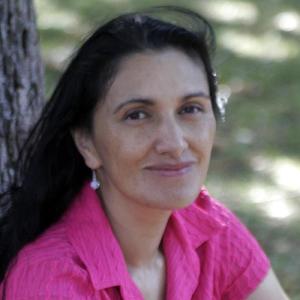
Dr Adreanne Ormond
Ētahi atu · Other projects
This research programme dives beneath the surface to expose how efforts to address racism in Aotearoa can be symbolic, sidelining Māori worldviews and limiting true transformation. Led through a kaupapa Māori lens, this programme challenges narrow, imported definitions of racism and equity, and confronts how dominant systems create and maintain Māori…
View projectResearch to Interrupt Racism and (In)equity (RIRI)
This research programme dives beneath the surface to expose how efforts to address racism in Aotearoa can be symbolic, sidelining Māori worldviews and limiting true transformation.
Led through a kaupapa Māori lens, this programme challenges narrow, imported definitions of racism and equity, and confronts how dominant systems create and maintain Māori ‘vulnerability’. It aims to reframe equity on Māori terms—grounded in rangatiratanga, Indigenous knowledge, and the realities of colonisation.
Kairangahau · Researchers
-
 Associate Professor Donna Cormack
Associate Professor Donna Cormack
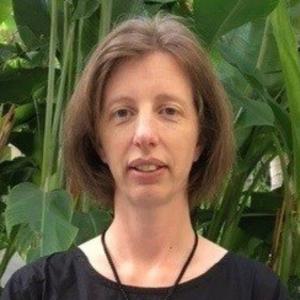
Dr Donna Cormack (Kai Tahu, Kāti Māmoe) is an Associate Professor at Te Kupenga Hauora Māori, University of Auckland.Donna is course director for the postgraduate papers MAORIHTH 710 Kaupapa Māori Theory, and MAORIHTH 709 Transformative Research for Māori Health, and co-convenes MAORIHTH711 Kaupapa Māori quantitative research. Donna teaches into other undergraduate and postgraduate papers in the Faculty of Medical and Health Sciences. She is also an active member of Tōmaiora Research Centre within Te Kupenga Hauora Māori. Her research focuses on racism and other forms of oppression… -
 Professor Sarah-Jane Paine
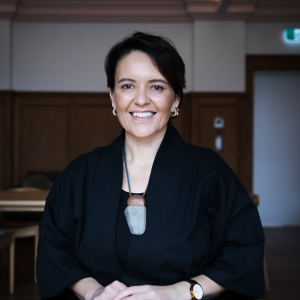
Professor Sarah-Jane Paine
Professor Sarah-Jane Paine (Tūhoe) is a leading Māori health researcher and internationally respected authority on Indigenous child wellbeing. She is Research Director and Principal Investigator of Growing Up in New Zealand, Aotearoa’s flagship longitudinal study of child development, and a Professor at Te Kupenga Hauora Māori, Waipapa Taumata Rau, University of Auckland.Her work in Kaupapa Māori epidemiology has influenced national policy in maternal and child health, racism and child wellbeing, food security, and youth wellbeing. Known for combining scientific rigour with strong community… -
 Professor Papaarangi Reid
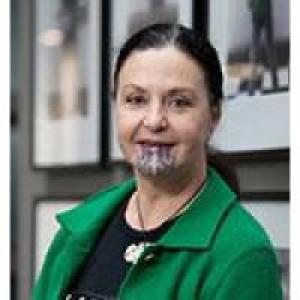
Professor Papaarangi Reid
Papaarangi is Tumuaki and Head of Department of Maori Health at the Faculty of Medical and Health Sciences, University of Auckland, New Zealand. She holds science and medical degrees from the University of Auckland and is a specialist in public health medicine. She has tribal affiliations to Te Rarawa in the Far North of Aotearoa and her research interests include analysing disparities between indigenous and non-indigenous citizens as a means of monitoring government commitment to indigenous rights. -
 Professor Ricci Harris

Professor Ricci Harris
Professor Ricci Harris (Ngāti Kahungunu, Ngāi Tahu, Ngāti Raukawa) is a public health physician and Kaupapa Māori epidemiologist at Te Rōpū Rangahau Hauora a Eru Pōmare.Her research is primarily concerned with upholding Māori rights to health and health equity as ensured by Te Tiriti o Waitangi and in-line with International Indigenous Rights.She draws on Kaupapa Māori Research theory to undertake and develop decolonial approaches to epidemiology that centre Māori and are contextualised within systems of ongoing racism and colonialism. This has included research into the classification of… -
Dr Arama Rata
Dr Arama Rata
Arama Rata is of Ngāti Maniapoto, Taranaki, and Ngāruahine descent. She completed her PhD in Psychology at Victoria University of Wellington in 2012, which focused on Māori cultural engagement, identity, and psychological well-being in State secondary schools. Arama then lectured at Te Kawa a Māui (the School of Māori Studies), where she received a Research Establishment Grant to study Māori collective remembering of the New Zealand Wars. Dr Rata is currently involved with research relating to Māori health experiences, Māori in rural communities, as well as iwi consultancy. -
 Hana Burgess
Hana Burgess
Hana (Ngäpuhi, Te Roroa, Te Ätihaunui a Päpärangi, Ngäti Tüwharetoa) (she/her) is doing a PhD in Mäori health, with supervision from Donna (Käi Tahu, Käti Mämoe) (she/her) and Papaarangi (Te Rarawa) (she/her)
Tangi is the ultimate form of Māori cultural and community expression. Addressing the dearth of scholarly information, this study considers tangi practice, whakapapa, changing environments, community values, sharing knowledge, ritual and what it means to be Māori. The research team has been examining the life-values, beliefs and practices related to…
View projectAituā: Death in a changing Māori World
Kairangahau · Researchers
-
 Professor Linda Waimarie Nikora FRSNZ, HFNZPS
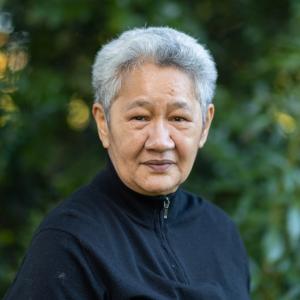
Professor Linda Waimarie Nikora FRSNZ, HFNZPS
Linda Waimarie Nikora is co-director of Ngā Pae o te Māramatanga and a Professor of Indigenous Studies at Te Wānanga o Waipapa, the University of Auckland. She was previously Professor of Psychology and Director of the Maori & Psychology Research Unit at the University of Waikato. Her specialities are in in community psychology, applied social psychology, ethnopsychology and Maori development. Professor Nikora has a celebrated research and academic career, working in community, social and indigenous psychologies, with a specific focus on Māori wellbeing and self-determination. Her research in…
A new report from Ngā Pae o te Māramatanga (NPM) and Manaaki Whenua Landcare Research provides guidance for Te Ao Māori on climate change adaptation and mitigation. He huringa āhuarangi, he huringa ao: a changing climate, a changing world was produced by a multidisciplinary Māori research team working across many research institutions. Using a novel kaupapa…
View project