About this research
Project Summary
Global climate change has been identified as the single greatest threat to human health. Within this paradigm, indigenous knowledge systems shaped by generations of sustainable interactions with ecosystems, are being looked to for pathways to climate change mitigation and adaptation. Mātauranga, the holistic and integrated knowledge system developed by the Indigenous Māori people of Aotearoa is no exception.
The research aims to strengthen the application of mātauranga in taiao initiatives to support better climate health outcomes in Aotearoa. The project team will conduct a policy analysis to scope and determine the ways in which mātauranga has been included in policies across government ministries and regional councils. The research will also undertake key informant interviews with people engaged in te taiao initiatives who have experience, insights or expertise in relation to relevant policies. The findings and shared learnings will strengthen the development and implementation of mātauranga to support climate health outcomes in Aotearoa. In order to strengthen mātauranga to support climate health outcomes in Aotearoa the research seeks to understand the barriers and enablers that climate policies across government ministries and regional councils place on the development and implementation of Māori-led actions and initiatives in the taiao space. In doing so, the research will contribute to Māori decision making and leadership in the development and activation of mātauranga practices that support better climate health outcomes.
The project will also contribute to the ongoing work of Climate Health Aotearoa (CHA), a multi-Institutional research group, in the development and implementation of collaborative research with tangata whenua into climate health recovery.
Research Question
How can the place and practice of mātauranga in te taiao-related policies be strengthened to support climate health outcomes in Aotearoa?
Lead Researcher
Dr Kenneth Taiapa, Ngāti Porou, Te Whānau ā Apanui, Rongowhakaata, University of Otago
Research Team
Summer Wright, Ngāti Maniapoto, Massey University
Assoc Prof Rhys Jones, Ngāti Kahungunu, University of Auckland
Prof Helen Moewaka Barnes, Te Kapotai, Ngapuhi-nui-tonu, SHORE and Whāriki Research Centre, Massey University
Assoc Prof Bridgette Masters-Awatere, Te Rarawa, Tūwharetoa ki Kawerau, Ngai te Rangi, University of Waikato
Dr Christina McKerchar, Ngāti Kahungunu, Ngai Tuhoe, Ngāti Porou, University of Otago
This project explores how mātauranga Māori can strengthen climate change responses in Aotearoa. By analysing policy and interviewing experts working in te taiao initiatives, the research aims to identify how government approaches support—or limit—Māori-led action. The findings aim to enhance Māori decision-making and climate health outcomes through Indigenous knowledge and leadership.
Kairangahau · Researchers
 Assoc Professor Rhys Jones
Ngāti Kahungunu
Waipapa Taumata Rau, University of Auckland
Dr Rhys Jones (Ngāti Kahungunu) is a Public Health Physician and Associate Professor in Te Kupenga Hauora Māori (TKHM)…
Assoc Professor Rhys Jones
Ngāti Kahungunu
Waipapa Taumata Rau, University of Auckland
Dr Rhys Jones (Ngāti Kahungunu) is a Public Health Physician and Associate Professor in Te Kupenga Hauora Māori (TKHM)…
Assoc Professor Rhys Jones
 Professor Helen Moewaka Barnes FRSNZ
Ngāti Wai, Ngāti Hine, Ngāti Manu
Massey University
Professor Helen Moewaka Barnes is based out of Massey University and is currently Director of Whāriki and Co-director…
Professor Helen Moewaka Barnes FRSNZ
Ngāti Wai, Ngāti Hine, Ngāti Manu
Massey University
Professor Helen Moewaka Barnes is based out of Massey University and is currently Director of Whāriki and Co-director…
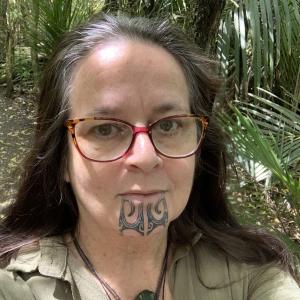
Professor Helen Moewaka Barnes FRSNZ
Associate Professor Christina Mckerchar
Ngāti Kahungunu, Tūhoe, Ngāti Porou
University of Otago
Christina Mckerchar is of Ngāti Kahungunu, Tūhoe, and Ngāti Porou descent. She trained as a nutritionist and worked for…
Associate Professor Christina Mckerchar
Ētahi atu · Other projects
Māori have a long association with the natural environment and are well-positioned to make important contributions to sustainably managing natural resources in New Zealand and the world. Kaitiakitanga and other practices provide a powerful foundation for developing paradigms in governance, management, caring, development and benefit-sharing of land, water…
View projectTe Aho Tapu
Kairangahau · Researchers
-
Professor Helen Moewaka Barnes FRSNZ
Professor Helen Moewaka Barnes FRSNZ
Professor Helen Moewaka Barnes is based out of Massey University and is currently Director of Whāriki and Co-director of the SHORE and Whariki Research Centre. She has worked on research in many areas; more recently relationships between the health of people and the health of environments, sexual coercion, alcohol and youth well-being and identity. Her work is both qualitative and quantitative and she is also involved in developing research within Māori paradigms. Helen is a long time NPM researcher and is now a NPM Theme Leader (Te Tai Ao - Natural Environment ) and member of our Research… -
Dr Garth Harmsworth
Dr Garth Harmsworth
-
Wendy Henwood
Wendy Henwood
-
Dr Gail Tipa
Dr Gail Tipa
Climate change disproportionately affects Indigenous communities across the globe. In Aotearoa, Māori face these inequities while also holding deep-rooted knowledge systems that offer powerful, holistic responses to environmental transformation.
View projectExamining the contribution of mātauranga Māori to climate health in Aotearoa
Climate change disproportionately affects Indigenous communities across the globe. In Aotearoa, Māori face these inequities while also holding deep-rooted knowledge systems that offer powerful, holistic responses to environmental transformation.
Kairangahau · Researchers
-
Dr Ken Taiapa
Dr Ken Taiapa
-
 Professor Bridgette Masters-Awatere
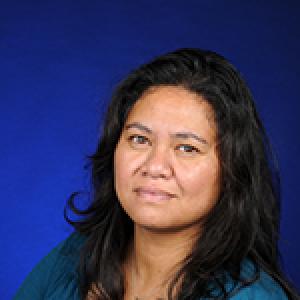
Professor Bridgette Masters-Awatere
Bridgette Masters-Awatere (Te Rarawa, Ngāi te Rangi, Tūwharetoa ki Kawerau) is a Professor in Te Kura Whatu Oho Mauri - School of Psychology - in the Division of Arts, Law, Psychology and Social Sciences at the University of Waikato. In addition to her role as Director of the Community Psychology postgraduate programme for registration as a psychologist, she is the Director of the Māori & Psychology Research Unit. Both Directorships are situated within the School of Psychology. Bridgette trained as a psychologist, with a special interest in community and Indigenous wellbeing. Before joining… -
Associate Professor Christina Mckerchar
Associate Professor Christina Mckerchar
Christina Mckerchar is of Ngāti Kahungunu, Tūhoe, and Ngāti Porou descent. She trained as a nutritionist and worked for a number of years for Te Hotu Manawa Māori, a national Māori Health provider, before her academic career. Her research has focused broadly on the right to healthy food. She has researched the food environment, especially food availability and marketing, food security and food sovereignty, and other aspects of public health that impact hauora Māori, including alcohol, transport, and housing.Christina is a member of Climate Health Aotearoa, and is on the Food Expert panel for… -
Summer Rangimaarie Wright
Summer Rangimaarie Wright
Māori (and Indigenous) women engage in embodied relationship with the natural environment in a range of ways, such as raranga, rongoā, or physical activity. This research explored what these embodied relationships can teach us about the potential for reciprocal healing between wahine and whenua, person and place, by developing a network of Māori and…
View projectWhakarongo, titiro, korikori kōrero ki ngā wāhine – exploring embodied and reciprocal healing relationship with our natural environments
Māori (and Indigenous) women engage in embodied relationship with the natural environment in a range of ways, such as raranga, rongoā, or physical activity. This research explored what these embodied relationships can teach us about the potential for reciprocal healing between wahine and whenua, person and place, by developing a network of Māori and Indigenous women and prioritising mātauranga wāhine.
Kairangahau · Researchers
-
Professor Helen Moewaka Barnes FRSNZ
Professor Helen Moewaka Barnes FRSNZ
Professor Helen Moewaka Barnes is based out of Massey University and is currently Director of Whāriki and Co-director of the SHORE and Whariki Research Centre. She has worked on research in many areas; more recently relationships between the health of people and the health of environments, sexual coercion, alcohol and youth well-being and identity. Her work is both qualitative and quantitative and she is also involved in developing research within Māori paradigms. Helen is a long time NPM researcher and is now a NPM Theme Leader (Te Tai Ao - Natural Environment ) and member of our Research… -
Meretini Bennett-Huxtable
Meretini Bennett-Huxtable
-
Dr Melissa Vera
Dr Melissa Vera
-
Lillian Bartlett
Lillian Bartlett