About this research
Inequalities in child health between tamariki Māori and non-Māori are largely preventable and unnecessary. An example is rheumatic fever, where tamariki Māori are 30 times more likely to contract the disease than non-Māori.
Being ill as a child has a big impact on school attendance and outcomes, and it may cause lifelong disability or illness. There are high costs involved, both for the health system and for society.
These include costs to whānau (especially caretakers or parents who may have to take time off work), and loss of education and income opportunities. This study aimed to estimate how much not doing anything to reduce child health inequities really costs us.
This project found that:
- There are large inequities in child health in Aotearoa. If Māori child deaths during 2003-2007 had occurred at the same rate as non-Māori, there would have been 67 fewer deaths of tamariki per year. Likewise, if rates of “avoidable” hospital admissions (that is, those that could be prevented by primary care treatment) were the same, there would have been 3075 fewer Māori admissions per year.
- However, if tamariki Māori had had the same rates of ACC claims, outpatient visits, lab and pharmaceutical (medicines) claims and primary care visits as non-Māori children, there would have been many more visits by tamariki than there actually were. It seems that it costs the health sector less to admit acutely sick Māori children, than to prevent severe illness or death through ensuring equitable primary care access or effective population-based health promotion interventions.
- Very conservatively, our study shows the total estimate of the health sector and societal costs of inequity in childhood illness, injury and death is $199,123,994 per year. The largest contributor to this is the cost due to the avoidable deaths ($223,279,750). The difference between this last figure and the total estimate is mainly health sector “savings”, as our study suggests that less money is spent on tamariki Maori than non-Maori children.
- Applying traditional economic methods to child health has many problems. Traditional approaches do not explicitly consider issues of equity, and many people find putting a monetary value on a child’s life repugnant. We were also not able, with the data available, to cost the lifelong impacts of inequities in illness in childhood, or other things such as the grief and suffering of whānau. Our scoping study shows there is much more research needed in this area, which requires combining both public health and economic expertise to be successful.
Kairangahau · Researchers
 Professor Papaarangi Reid
Te Rarawa
Waipapa Taumata Rau, University of Auckland
Papaarangi is Tumuaki and Head of Department of Maori Health at the Faculty of Medical and Health Sciences, University…
Professor Papaarangi Reid
Te Rarawa
Waipapa Taumata Rau, University of Auckland
Papaarangi is Tumuaki and Head of Department of Maori Health at the Faculty of Medical and Health Sciences, University…
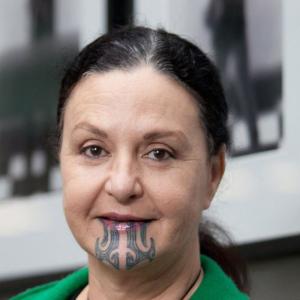
Professor Papaarangi Reid
Ētahi atu · Other projects
This project examined the economic costs of health inequities between Māori and non-Māori adults in Aotearoa. Using both quantitative data and Māori lived experiences, it highlighted the significant social, economic, and health impacts of these disparities. The research aims to inform targeted policies to reduce inequities, strengthen Māori health outcomes…
View projectThe Cost of Doing Nothing - Health inequities between Māori and non-Māori Adults in New Zealand
This project examined the economic costs of health inequities between Māori and non-Māori adults in Aotearoa. Using both quantitative data and Māori lived experiences, it highlighted the significant social, economic, and health impacts of these disparities. The research aims to inform targeted policies to reduce inequities, strengthen Māori health outcomes, and build capacity in Māori-led health economics research.
Kairangahau · Researchers
-
Professor Papaarangi Reid
Professor Papaarangi Reid
Papaarangi is Tumuaki and Head of Department of Maori Health at the Faculty of Medical and Health Sciences, University of Auckland, New Zealand. She holds science and medical degrees from the University of Auckland and is a specialist in public health medicine. She has tribal affiliations to Te Rarawa in the Far North of Aotearoa and her research interests include analysing disparities between indigenous and non-indigenous citizens as a means of monitoring government commitment to indigenous rights.
Tangi is the ultimate form of Māori cultural and community expression. Addressing the dearth of scholarly information, this study considers tangi practice, whakapapa, changing environments, community values, sharing knowledge, ritual and what it means to be Māori. The research team has been examining the life-values, beliefs and practices related to…
View projectAituā: Death in a changing Māori World
Kairangahau · Researchers
-
 Professor Linda Waimarie Nikora FRSNZ, HFNZPS
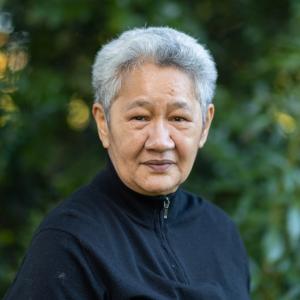
Professor Linda Waimarie Nikora FRSNZ, HFNZPS
Linda Waimarie Nikora is co-director of Ngā Pae o te Māramatanga and a Professor of Indigenous Studies at Te Wānanga o Waipapa, the University of Auckland. She was previously Professor of Psychology and Director of the Maori & Psychology Research Unit at the University of Waikato. Her specialities are in in community psychology, applied social psychology, ethnopsychology and Maori development. Professor Nikora has a celebrated research and academic career, working in community, social and indigenous psychologies, with a specific focus on Māori wellbeing and self-determination. Her research in…
A new report from Ngā Pae o te Māramatanga (NPM) and Manaaki Whenua Landcare Research provides guidance for Te Ao Māori on climate change adaptation and mitigation. He huringa āhuarangi, he huringa ao: a changing climate, a changing world was produced by a multidisciplinary Māori research team working across many research institutions. Using a novel kaupapa…
View project