About this research
What is the cost of Māori health inequities in Aotearoa?
In New Zealand, the most compelling and consistent health inequalities occur between Māori and non-Māori. Although the cost of reducing inequalities is perceived as high, a recent study for Māori children showed that the economic cost of “doing nothing” is significant for New Zealand society highlighting the fact that such inequalities are preventable, unnecessary and a breach of human rights.
Previous studies have looked at this issue in regards the health and wellbeing of rangatahi / tamariki, and so this project now aims to consider the economic costs of health inequities between Māori and non-Māori adults (aged 18 and over).
The overall aim of the research is to understand the meanings of Māori adult health inequities through exploring Māori realities of illness. The research consists of two studies conducted in parallel under the mana of a Kaupapa Māori paradigm.
- Identify inequities in hospitalisations, deaths, illnesses and injuries between Māori and non-Māori adults and estimate the economic costs associated with these inequities for the health sector and for whānau.
- Utilise qualitative methods to begin to understand Māori lived realities of managing the economic, social, spiritual and organisational aspects of illness.
This project has the potential to bring issues of Māori health inequities to the consciousness of a greater number of public health professionals, community advocates and health service providers. It will also make a significant contribution to Māori researcher expertise in health economics and provide an Indigenous viewpoint on Western methodological approaches in that field.
Objectives of the Research:
- Analyse the economic costs of health inequities between Māori and non-Māori adults (aged 18 and over) in New Zealand.
- Provide useful and novel data on the ways in which health inequities are reported and addressed in New Zealand, thereby contributing to the limited evidence base in this area for Māori.
- Inform the development of targeted policies and strategies at both political and institutional levels, with the ultimate goal of developing a health system that does not tolerate health inequities between Māori and non-Māori but instead facilitates Māori health gain.
- Assist in the development of Māori health research workforce with a focus on capacity and capability in “health economics”.
This project examined the economic costs of health inequities between Māori and non-Māori adults in Aotearoa. Using both quantitative data and Māori lived experiences, it highlighted the significant social, economic, and health impacts of these disparities. The research aims to inform targeted policies to reduce inequities, strengthen Māori health outcomes, and build capacity in Māori-led health economics research.
Whakaahua & Ataata · Images & Videos
Kairangahau · Researchers
 Professor Papaarangi Reid
Te Rarawa
Waipapa Taumata Rau, University of Auckland
Papaarangi is Tumuaki and Head of Department of Maori Health at the Faculty of Medical and Health Sciences, University…
Professor Papaarangi Reid
Te Rarawa
Waipapa Taumata Rau, University of Auckland
Papaarangi is Tumuaki and Head of Department of Maori Health at the Faculty of Medical and Health Sciences, University…
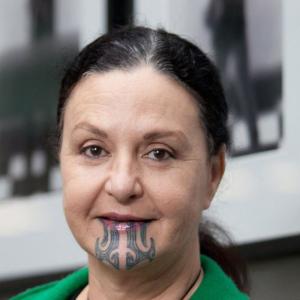
Professor Papaarangi Reid
Ētahi atu · Other projects
View Report Inequalities in child health between tamariki Māori and non-Māori are largely preventable and unnecessary. An example is rheumatic fever, where tamariki Māori are 30 times more likely to contract the disease than non-Māori. Being ill as a child has a big impact on school attendance and outcomes, and it may cause lifelong disability or illness…
View projectWhat is the cost? Estimating the economic costs of Māori: non-Māori child health inequities in Aotearoa: a scoping study
Kairangahau · Researchers
-
Professor Papaarangi Reid
Professor Papaarangi Reid
Papaarangi is Tumuaki and Head of Department of Maori Health at the Faculty of Medical and Health Sciences, University of Auckland, New Zealand. She holds science and medical degrees from the University of Auckland and is a specialist in public health medicine. She has tribal affiliations to Te Rarawa in the Far North of Aotearoa and her research interests include analysing disparities between indigenous and non-indigenous citizens as a means of monitoring government commitment to indigenous rights.
Tangi is the ultimate form of Māori cultural and community expression. Addressing the dearth of scholarly information, this study considers tangi practice, whakapapa, changing environments, community values, sharing knowledge, ritual and what it means to be Māori. The research team has been examining the life-values, beliefs and practices related to…
View projectAituā: Death in a changing Māori World
Kairangahau · Researchers
-
 Professor Linda Waimarie Nikora FRSNZ, HFNZPS
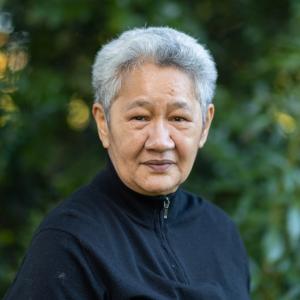
Professor Linda Waimarie Nikora FRSNZ, HFNZPS
Linda Waimarie Nikora is co-director of Ngā Pae o te Māramatanga and a Professor of Indigenous Studies at Te Wānanga o Waipapa, the University of Auckland. She was previously Professor of Psychology and Director of the Maori & Psychology Research Unit at the University of Waikato. Her specialities are in in community psychology, applied social psychology, ethnopsychology and Maori development. Professor Nikora has a celebrated research and academic career, working in community, social and indigenous psychologies, with a specific focus on Māori wellbeing and self-determination. Her research in…
A new report from Ngā Pae o te Māramatanga (NPM) and Manaaki Whenua Landcare Research provides guidance for Te Ao Māori on climate change adaptation and mitigation. He huringa āhuarangi, he huringa ao: a changing climate, a changing world was produced by a multidisciplinary Māori research team working across many research institutions. Using a novel kaupapa…
View project