About this research
How can 21st century Māori self-determination and self-governance jurisdiction aspirations best be supported in law to assist with meeting strategic Māori community economic objectives of wealth and well-being?
What legal solutions and models can better support multi-dimensional and intergenerational wealth and wellbeing for whānau, hapū and iwi as envisaged in the Treaty of Waitangi and the United Nations Declaration on the Rights of Indigenous Peoples?
This is a collaborative research project led by Dr Robert Joseph and a research team in the University of Waikato Māori and Indigenous Governance Centre (MIGC) who are working with other Māori and Indigenous experts, communities and institutions to co-produce internal self-determination and good Māori self-governance jurisdiction research and models possible in law that seek to achieve multi-dimensional and intergenerational wealth and wellbeing for whānau, hapū and iwi in fact as envisaged in the Treaty of Waitangi and UNDRIP.
How can we better conceptualize Indigenous peoples’ rights and responsibilities to self-determination and self-governance in new, creative and innovative ways which fully respect Indigenous peoples’ rights, responsibilities and relationships with settler state Governments and the broader public? In the second decade of the new millennium and as we approach the 10th anniversary of the 2007 UNDRIP, Indigenous rights enjoy nearly universal rhetorical support, but how they are to be implemented in practice without compromising Indigenous economic and political aspirations on the one hand, and social development and cultural integrity on the other hand, remains contested (Joffe, 2010; Charters, 2009, Erueti, 2017).
This project is specifically exploring the nexus of Indigenous self-determination and self-governance, and Māori governance jurisdiction, and the strategic development of balanced wealth and well-being within a Māori narrative of whai rawa and tikanga Māori.
Kairangahau · Researchers
 Dr Robert Joseph
Ngāti Raukawa ki Wharepuhunga, Te Pae o Raukawa, Ngäti Paretekawa o Ngāti Maniapoto
University of Waikato
Robert is a Barrister and Solicitor of the High Court of New Zealand and was a senior research fellow for the Te…
Dr Robert Joseph
Ngāti Raukawa ki Wharepuhunga, Te Pae o Raukawa, Ngäti Paretekawa o Ngāti Maniapoto
University of Waikato
Robert is a Barrister and Solicitor of the High Court of New Zealand and was a senior research fellow for the Te…
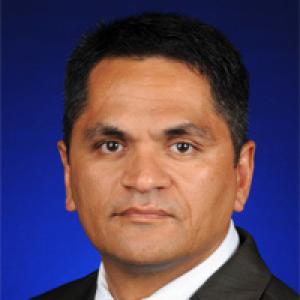
Dr Robert Joseph
Ētahi atu · Other projects
Tangi is the ultimate form of Māori cultural and community expression. Addressing the dearth of scholarly information, this study considers tangi practice, whakapapa, changing environments, community values, sharing knowledge, ritual and what it means to be Māori. The research team has been examining the life-values, beliefs and practices related to…
View projectAituā: Death in a changing Māori World
Kairangahau · Researchers
-
 Professor Linda Waimarie Nikora FRSNZ, HFNZPS
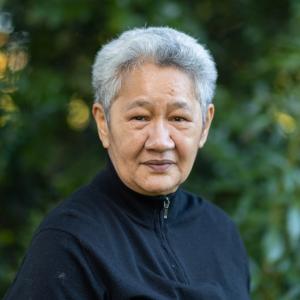
Professor Linda Waimarie Nikora FRSNZ, HFNZPS
Linda Waimarie Nikora is co-director of Ngā Pae o te Māramatanga and a Professor of Indigenous Studies at Te Wānanga o Waipapa, the University of Auckland. She was previously Professor of Psychology and Director of the Maori & Psychology Research Unit at the University of Waikato. Her specialities are in in community psychology, applied social psychology, ethnopsychology and Maori development. Professor Nikora has a celebrated research and academic career, working in community, social and indigenous psychologies, with a specific focus on Māori wellbeing and self-determination. Her research in…
A new report from Ngā Pae o te Māramatanga (NPM) and Manaaki Whenua Landcare Research provides guidance for Te Ao Māori on climate change adaptation and mitigation. He huringa āhuarangi, he huringa ao: a changing climate, a changing world was produced by a multidisciplinary Māori research team working across many research institutions. Using a novel kaupapa…
View projectHe huringa āhuarangi, he huringa ao: a changing climate, a changing world
Often Kaumātua and elders generally, are seen as vulnerable and passive recipients of services throughout the ongoing Covid 19 pandemic. However, in the village of Ohinemutu and as citizens of their iwi Ngāti Whakaue, Kaumātua have been active leaders in the response of the village, initially during the first four-week lockdown in 2020. However, that…
View project