Research Programme
21-24RP04Promising Futures Te Kawau Mārō: The Lifeworlds of highly qualified Māori - a cohort study of Māori PhD students and graduates
This nationwide research programme set out to deepen our understanding of the experiences, challenges, and contributions of Māori PhD graduates across Aotearoa. By tracing the post-graduation journeys of nearly 800 Māori doctoral scholars, the study aimed to highlight their intellectual, cultural, social and economic impact—within whānau, hapū, iwi and…
View project →
Research Programme
Promising Futures Te Kawau Mārō: The Lifeworlds of highly qualified Māori - a cohort study of Māori PhD students and graduates
This nationwide research programme set out to deepen our understanding of the experiences, challenges, and contributions of Māori PhD graduates across Aotearoa. By tracing the post-graduation journeys of nearly 800 Māori doctoral scholars, the study aimed to highlight their intellectual, cultural, social and economic impact—within whānau, hapū, iwi and beyond.
Although the programme has since been disestablished, its kaupapa remains vital: to inform new models of Māori leadership and participation across academia, government, iwi development, and civil society.
Kairangahau · Researchers
-
 Professor Joanna Kidman
Professor Joanna Kidman
Whakapapa · Indigenous affiliations
Ngāti Maniapoto, Ngati Whakatere
Whare wānanga · Organisation
Te Herenga Waka Victoria University of Wellington
Joanna is a sociologist with affiliations to Ngāti Maniapoto and Ngāti Raukawa. Her work spans indigenous sociology, Māori youth, higher education, decolonization studies and comparative education. She is especially interested in the interplay of power relations between different groups of people. Joanna is working on two Marsden projects: He Taonga te Wareware: Remembering and Forgetting New Zealand’s Colonial Past investigates how New Zealanders selectively remember and forget difficult and violent events from our colonial past; and What Inspires and Sustains Young People's Engagement in…
View full profile →
-
 Research Professor Reremoana Theodore
Research Professor Reremoana Theodore
Tūnga · Position
Director, Dunedin Study University of Otago
Whakapapa · Indigenous affiliations
Ngāpuhi
Whare wānanga · Organisation
University of Otago
Research Professor Reremoana (Moana) Theodore (Ngāpuhi) joined the Dunedin Study team in 1998 as an interviewer on the age-26 assessment phase (1998-99). She returned to the Study in 2007 and undertook post-doctoral research examining the early life predictors of cardiovascular outcomes including blood pressure, using longitudinal modelling techniques. Moana then worked on aligned longitudinal projects including the Graduate Longitudinal Study New Zealand and Te Kura Mai i Tawhiti (a programme of lifecourse research examining the long-term benefits of kaupapa Māori early childhood education…
View full profile →
-
 Associate Professor Hinekura Smith
Associate Professor Hinekura Smith
Tūnga · Position
Associate Professor
Whakapapa · Indigenous affiliations
Te Rarawa, Ngāpuhi
Whare wānanga · Organisation
University of Queensland
Dr Hinekura Smith (Te Rarawa, Ngāpuhi) is NPM's Emerging Researchers’ Leader, providing further national leadership and coordination of MAI Te Kupenga and developing and nurturing initiatives that contribute to the outcomes and objectives of NPM’s Capability and Capacity Strategy.Hinekura was initially a secondary school te reo Māori teacher then moved into teacher education research almost 10 years ago, when she commenced her postgraduate studies. She has worked as a professional development facilitator in Māori medium schools, te reo Māori facilitator in English-medium schools and a…
View full profile →
-
 Dr Tara McAllister
View full profile →
-
Dr Sereana Naepi
View full profile →
View full project →
Research Programme
21-24RP01He oranga whānau: mahi ngātahi: Whānau livelihoods within the context of work and Māori economies of wellbeing
He oranga whānau: mahi ngātahi: Whānau livelihoods within the context of work and Māori economies of wellbeing. These groundbreaking works celebrate Māori futures rooted in kaupapa Māori values while fostering pathways for responsible relationships, meaningful lives, and flourishing Indigenous wellbeing economies. By emphasising the central role of whānau…
View project →
Research Programme
He oranga whānau: mahi ngātahi: Whānau livelihoods within the context of work and Māori economies of wellbeing
He oranga whānau: mahi ngātahi: Whānau livelihoods within the context of work and Māori economies of wellbeing. These groundbreaking works celebrate Māori futures rooted in kaupapa Māori values while fostering pathways for responsible relationships, meaningful lives, and flourishing Indigenous wellbeing economies. By emphasising the central role of whānau, these publications provide actionable insights and inspiration for transformative change in economic and cultural systems.
Kairangahau · Researchers
-
 Professor Chellie Spiller
Professor Chellie Spiller
Tūnga · Position
Professor of Management and Leadership Associate Dean Māori
Whare wānanga · Organisation
University of Waikato
Dr Chellie Spiller, of Matawhaiti Iwitea, Ngāti Kahungunu ki Wairoa, is Professor of Management and Leadership, and Associate Dean Māori at the University of Waikato. She was previously a senior lecturer and Associate Dean Māori and Pacific at the University of Auckland Business School. She has over 30 years of corporate experience in tourism, finance and marketing, holding senior executive positions in New Zealand and abroad, and brings this experience to her academic work and leadership and management development programmes. Her research explores how Māori and indigenous businesses create…
View full profile →
-
 Professor Jarrod Haar
Professor Jarrod Haar
Tūnga · Position
Professor of Management
Whakapapa · Indigenous affiliations
Ngāti Maniapoto, Ngāti Mahuta
Whare wānanga · Organisation
Auckland University of Technology (AUT)
Professor Jarrod Haar (PhD) is a Professor of Human Resource Management in the Department of Management and has tribal affiliations of Ngati Maniapoto and Ngati Mahuta. In 2018, Professor Haar was appointed as a Member of the Marsden Fund Council and is the Convenor of the Marsden Economics and Human Behavioural Sciences panel. He is a Fellow of the Royal Society of New Zealand Te Apārangi (2020), a Research Fellow of the Australia & New Zealand Academy of Management (since 2012), and Chartered Fellow of the Human Resource Institute of New Zealand (HRINZ). He won the inaugural HRINZ HR…
View full profile →
-
 Dr John Reid
Dr John Reid
Tūnga · Position
Senior Research Fellow
Whare wānanga · Organisation
University of Canterbury
John is a Senior Research Fellow at the University of Canterbury’s Ngai Tahu Research Centre. He is a specialist in leading and developing multi-disciplinary research and development programmes focused on addressing interrelated social, economic, and environmental problems. His research explores the way in which Indigenous and Western cultures shape identity, sense of place, and approaches to social and economic development. John's current research interests are focused on sustainable development within indigenous tribal communities and in fostering novel approaches to development through…
View full profile →
-
 Professor Jason Paul Mika
Professor Jason Paul Mika
Tūnga · Position
Associate Dean Māori
Whakapapa · Indigenous affiliations
Tūhoe, Ngāti Awa, Whakatōhea, Ngāti Kahungunu
Whare wānanga · Organisation
Waipapa Taumata Rau, University of Auckland
Jason Paul Mika Ko Ranginui e tū iho nei, ko Papatūānuku e takoto nei, ko te ira tangata kei waenganui i raro i te kaitiakitanga o ngā atua, o te manaakitanga o te Runga Rawa. Tīhei mauri ora! Ko Ngāi Tūhoe, ko Ngāti Awa, ko Te Whakatōhea, ko Ngāti Kahungunu ōku iwi. Ko Jason Mika ahau. I was born in Whakatāne and raised mainly in Rotorua. In November 2024, I was fortunate join Waipapa Taumata Rau University of Auckland as a Professor of Māori Management and Associate Dean Māori in He Manga Tauhokohoko Auckland Business School. My research, teaching, writing, and practice centres on Māori and…
View full profile →
-
 Dr Matthew Rout
Dr Matthew Rout
Whare wānanga · Organisation
University of Canterbury
Matt works on indigenous socio-economic development and environmental sustainability initiatives and projects with a focus on applied outcomes through theoretical synthesis. He has a particular interest in how philosophical insights from ontology and epistemology can be used in practical ways to aid indigenous development. Indigenous and modernist ontology and epistemology Institutional economics Postcolonial psychology Settler colonisation Sustainable development
View full profile →
View full project →
Research Programme
Pae Tawhiti: Te Kura Roa
Te Reo Māori represents an amazing opportunity to New Zealand for its potential to enrich society and culture and transform the experience and consciousness of those who are exposed to and use the language. The Māori language is an official language of New Zealand and is indigenous to our country. It is part of our country’s national character and identity…
View project →
Research Programme
Pae Tawhiti: Te Kura Roa
Te Reo Māori represents an amazing opportunity to New Zealand for its potential to enrich society and culture and transform the experience and consciousness of those who are exposed to and use the language. The Māori language is an official language of New Zealand and is indigenous to our country. It is part of our country’s national character and identity. The richness and vibrancy of the language distinguishes New Zealand in areas such as tourism, exporting, employment, education and broadcasting, and plays an integral role in cultural identity. In 2010 Ngā Pae o te Māramatanga undertook…
View full project →
Research Programme
Te Tupunga Māori Economic Development
He Mangōpare Amohia: Strategies for Māori Economic Development Critical success factors for Māori economic development have been identified in a just released report on the three-year Ngā Pae o te Māramatanga (NPM) research programme – Te Tupunga Māori Economic Development. This significant research programme was led by Distinguished Professor Graham…
View project →
Research Programme
Te Tupunga Māori Economic Development
He Mangōpare Amohia: Strategies for Māori Economic Development
Critical success factors for Māori economic development have been identified in a just released report on the three-year Ngā Pae o te Māramatanga (NPM) research programme – Te Tupunga Māori Economic Development.
This significant research programme was led by Distinguished Professor Graham Hingangaroa Smith of Te Whare Wānanga o Awanuiārangi, who partnered with four participating iwi - Ngāti Awa, Ngāti Kahungunu, Te Whānau-ā-Apanui and Ngāpuhi and brought their values, insights and aspirations to the project.
Their vision was to identify ways of transforming Māori/iwi economic development and find models that would appropriately reflect the economic interests of Māori, as well as their social and cultural development aspirations.
Kairangahau · Researchers
-
 Distinguished Professor Graham Hingangaroa Smith
Distinguished Professor Graham Hingangaroa Smith
Tūnga · Position
Te Toi Ihorei ki Pūrehuroa – Distinguished Professor at Large
Whakapapa · Indigenous affiliations
Ngāti Apa, Ngāti Kahungunu, Kai Tahu and Ngāti Porou, Te Aitanga a Hauiti, Kati Mamoe
Whare wānanga · Organisation
Massey University
Professor Graham Smith, a prominent Māori educationalist, has been at the forefront of Māori initiatives in the education field and beyond. His recent academic work has centered on developing theoretically informed transformative strategies related to intervening in Māori cultural, political, social, educational and economic crises. Professor Smith has made significant contributions to the political, social, economic and cultural advancement of indigenous Māori communities. He has also worked extensively with other indigenous peoples across the world, including Canada, Hawaii, USA mainland…
View full profile →
View full project →
Research Programme
Te Pae Tawhiti: Māori economic development
Led by Distinguished Professor Graham Smith, this iwi-partnered research programme explored Māori-led economic development grounded in mātauranga Māori. Working with Ngāti Awa, Ngāti Kahungunu, Te Whānau-ā-Apanui and Ngāpuhi, the project developed a framework to support intergenerational wellbeing and guide future policy and practice.
View project →
Research Programme
Te Pae Tawhiti: Māori economic development
Led by Distinguished Professor Graham Smith, this iwi-partnered research programme explored Māori-led economic development grounded in mātauranga Māori. Working with Ngāti Awa, Ngāti Kahungunu, Te Whānau-ā-Apanui and Ngāpuhi, the project developed a framework to support intergenerational wellbeing and guide future policy and practice.
Kairangahau · Researchers
-
Distinguished Professor Graham Hingangaroa Smith
Distinguished Professor Graham Hingangaroa Smith
Tūnga · Position
Te Toi Ihorei ki Pūrehuroa – Distinguished Professor at Large
Whakapapa · Indigenous affiliations
Ngāti Apa, Ngāti Kahungunu, Kai Tahu and Ngāti Porou, Te Aitanga a Hauiti, Kati Mamoe
Whare wānanga · Organisation
Massey University
Professor Graham Smith, a prominent Māori educationalist, has been at the forefront of Māori initiatives in the education field and beyond. His recent academic work has centered on developing theoretically informed transformative strategies related to intervening in Māori cultural, political, social, educational and economic crises. Professor Smith has made significant contributions to the political, social, economic and cultural advancement of indigenous Māori communities. He has also worked extensively with other indigenous peoples across the world, including Canada, Hawaii, USA mainland…
View full profile →
View full project →
Whakaaweawe - featured impact
24WHA05Māori Perinatal Mental Health Resource
This research, grounded in Kaupapa Māori and mana wāhine methodologies, explores the experiences of Māori mothers and whānau during the perinatal period. It highlights the expertise of Māori birthing parents and identifies strengths and solutions to address inequities in perinatal mental health care.A publicly accessible resource was developed to share…
View project →
Whakaaweawe - featured impact
Māori Perinatal Mental Health Resource
This research, grounded in Kaupapa Māori and mana wāhine methodologies, explores the experiences of Māori mothers and whānau during the perinatal period. It highlights the expertise of Māori birthing parents and identifies strengths and solutions to address inequities in perinatal mental health care.A publicly accessible resource was developed to share these findings in a practical and usable way, supporting both whānau and practitioners. The work contributes new knowledge to the health sector, helping to inform culturally responsive care and improve outcomes for pēpi, wāhine and…
View full project →
Whakaaweawe - featured impact
24WHA19Ko wai tō ingoa? Healing from language trauma by renaming and reclaiming ourselves using te reo Māori
This te reo Māori publication shares powerful naming narratives from reo champions who reclaim Māori names as part of their language journeys. Through these stories written entirely in te reo it celebrates identity, resistance, and reo revitalisation, and includes teaching resources for kura kaupapa and wharekura.
View project →
Whakaaweawe - featured impact
Ko wai tō ingoa? Healing from language trauma by renaming and reclaiming ourselves using te reo Māori
This te reo Māori publication shares powerful naming narratives from reo champions who reclaim Māori names as part of their language journeys. Through these stories written entirely in te reo it celebrates identity, resistance, and reo revitalisation, and includes teaching resources for kura kaupapa and wharekura.
View full project →
Full project
Kaumātua Futures: Ko te pae tawhiti, whāia kia tata. Ngāti Whakaue Case Study
This Ageing Well NSC research project explored the unique role of kaumātua within Ngāti Whakaue, challenging government definitions that homogenise Māori elders. It highlights how kaumātua serve whānau, marae, hapū, and iwi—and what’s needed to support and sustain their leadership into the future.
View project →
Full project
Kaumātua Futures: Ko te pae tawhiti, whāia kia tata. Ngāti Whakaue Case Study
This Ageing Well NSC research project explored the unique role of kaumātua within Ngāti Whakaue, challenging government definitions that homogenise Māori elders. It highlights how kaumātua serve whānau, marae, hapū, and iwi—and what’s needed to support and sustain their leadership into the future.
Kairangahau · Researchers
-
 Professor Linda Waimarie Nikora FRSNZ, HFNZPS
Professor Linda Waimarie Nikora FRSNZ, HFNZPS
Whakapapa · Indigenous affiliations
Te Aitanga-a-Hauiti, Tūhoe
Whare wānanga · Organisation
Waipapa Taumata Rau, University of Auckland
Linda Waimarie Nikora is co-director of Ngā Pae o te Māramatanga and a Professor of Indigenous Studies at Te Wānanga o Waipapa, the University of Auckland. She was previously Professor of Psychology and Director of the Maori & Psychology Research Unit at the University of Waikato. Her specialities are in in community psychology, applied social psychology, ethnopsychology and Maori development. Professor Nikora has a celebrated research and academic career, working in community, social and indigenous psychologies, with a specific focus on Māori wellbeing and self-determination. Her research in…
View full profile →
-
 Emeritus Professor Ngahuia Te Awekotuku MNZM FAWMM
Emeritus Professor Ngahuia Te Awekotuku MNZM FAWMM
Whakapapa · Indigenous affiliations
Te Arawa, Tūhoe, Waikato
Emeritus Professor Ngahuia te Awekotuku continues to contribute in the arts and creative sector. With degrees in Art History and English, her PhD (1981) was in cultural psychology. She wrote an early (1991) monograph on Maori research ethics. For decades she served in the heritage environment as a governor, curator and activist/advocate. Her scholarly works on culture, gender, heritage and sexuality, and her fiction and poetry, have been published and acclaimed locally and internationally.
View full profile →
-
Okeroa McRae
View full profile →
-
 Kiri Edge
Kiri Edge
Whare wānanga · Organisation
Te Wānanga o Aotearoa
Kiri has contributed to a wide range of interdisciplinary research and evaluation projects across both academic and community contexts. Kiri is experienced working within complex and sensitive topics, and engaging with people, whānau, and communities that some consider ‘hard to reach’. Kiri’s research interests are diverse, but pivot towards endeavours that contribute towards Māori wellbeing and flourishing, equity, social justice and sustainable community-driven development. Kiri’s current rangahau interests include reclamation of indigenous pathways to wellbeing, grieving within and across…
View full profile →
View full project →
Full project
Ngā Hua a Te Matatini : The benefits of kapa haka to Aotearoa
Conscious of the lack of serious inquiry into Kapa Haka, the CEO of Te Matatini Inc, the National Organisation for Kapa Haka in Aotearoa New Zealand approached Ngā Pae o te Māramatanga, New Zealand’s Māori Centre of Research Excellence (NPM), to make a start on rectifying this situation. This programme of research seeks to better appreciate the value and…
-
Nikora et al. (2022). The Value of Kapa Haka – An Overview Report. Auckland, NZ : Ngā Pae o te Māramatanga
PDF · 394.81 KB
-
Hall, M., & Bowden, L. (2021). Māori Performing Arts and Educational Outcomes Report.
PDF · 352.46 KB
-
Meade, R. (2021). Exploring the Cultural Value of Kapa Haka – the Māori Performing Arts
PDF · 589.08 KB
-
Mikaere, T.M. (2021). Ngā hua nui o te kapa haka.
PDF · 608.21 KB
-
Nikora et al. (2021). Exploring the value and meaning of Kapa Haka - Māori Performing Arts : The Hine Rēhia Survey. Auckland, NZ
PDF · 891.51 KB
-
Selby-Rickit, T.H.R. (2021). Ngā hua nui o te kapa haka.
PDF · 403.06 KB
-
Te Huia, A., & Fox, R. (2020). Manawa ū ki te reo Māori : Matatini and non-Matatini survey responses
PDF · 366.34 KB
View project →
Full project
Ngā Hua a Te Matatini : The benefits of kapa haka to Aotearoa
Conscious of the lack of serious inquiry into Kapa Haka, the CEO of Te Matatini Inc, the National Organisation for Kapa Haka in Aotearoa New Zealand approached Ngā Pae o te Māramatanga, New Zealand’s Māori Centre of Research Excellence (NPM), to make a start on rectifying this situation. This programme of research seeks to better appreciate the value and benefits of Kapa Haka to our present context and, importantly, future vision, in turn providing clear evidence and well-articulated arguments required to support balanced decision-making, investment and future development.This is an ongoing…
-
Nikora et al. (2022). The Value of Kapa Haka – An Overview Report. Auckland, NZ : Ngā Pae o te Māramatanga
PDF · 394.81 KB
-
Hall, M., & Bowden, L. (2021). Māori Performing Arts and Educational Outcomes Report.
PDF · 352.46 KB
-
Meade, R. (2021). Exploring the Cultural Value of Kapa Haka – the Māori Performing Arts
PDF · 589.08 KB
-
Mikaere, T.M. (2021). Ngā hua nui o te kapa haka.
PDF · 608.21 KB
-
Nikora et al. (2021). Exploring the value and meaning of Kapa Haka - Māori Performing Arts : The Hine Rēhia Survey. Auckland, NZ
PDF · 891.51 KB
-
Selby-Rickit, T.H.R. (2021). Ngā hua nui o te kapa haka.
PDF · 403.06 KB
-
Te Huia, A., & Fox, R. (2020). Manawa ū ki te reo Māori : Matatini and non-Matatini survey responses
PDF · 366.34 KB
Kairangahau · Researchers
-
Professor Linda Waimarie Nikora FRSNZ, HFNZPS
Professor Linda Waimarie Nikora FRSNZ, HFNZPS
Whakapapa · Indigenous affiliations
Te Aitanga-a-Hauiti, Tūhoe
Whare wānanga · Organisation
Waipapa Taumata Rau, University of Auckland
Linda Waimarie Nikora is co-director of Ngā Pae o te Māramatanga and a Professor of Indigenous Studies at Te Wānanga o Waipapa, the University of Auckland. She was previously Professor of Psychology and Director of the Maori & Psychology Research Unit at the University of Waikato. Her specialities are in in community psychology, applied social psychology, ethnopsychology and Maori development. Professor Nikora has a celebrated research and academic career, working in community, social and indigenous psychologies, with a specific focus on Māori wellbeing and self-determination. Her research in…
View full profile →
View full project →
Full project
He huringa āhuarangi, he huringa ao: a changing climate, a changing world
A new report from Ngā Pae o te Māramatanga (NPM) and Manaaki Whenua Landcare Research provides guidance for Te Ao Māori on climate change adaptation and mitigation. He huringa āhuarangi, he huringa ao: a changing climate, a changing world was produced by a multidisciplinary Māori research team working across many research institutions. Using a novel kaupapa…
View project →
Full project
He huringa āhuarangi, he huringa ao: a changing climate, a changing world
A new report from Ngā Pae o te Māramatanga (NPM) and Manaaki Whenua Landcare Research provides guidance for Te Ao Māori on climate change adaptation and mitigation. He huringa āhuarangi, he huringa ao: a changing climate, a changing world was produced by a multidisciplinary Māori research team working across many research institutions. Using a novel kaupapa Māori risk assessment approach to climate change, the report synthesises the latest climate change research through a Māori lens, and identifies the potential impacts, implications, mitigation and adaptation strategies for whānau, hapū…
View full project →
Full project
Taking Control: Māori Responses to Money, Wealth and Savings
What current methods do Māori use to manage money? What financial products and services are likely to be effective for Māori and how might these be successfully implemented? What support can Māori organisations (including iwi) and the government provide to increase whānau financial literacy and savings? Poverty within many Māori communities is perpetuated…
View project →
Full project
Taking Control: Māori Responses to Money, Wealth and Savings
What current methods do Māori use to manage money? What financial products and services are likely to be effective for Māori and how might these be successfully implemented? What support can Māori organisations (including iwi) and the government provide to increase whānau financial literacy and savings? Poverty within many Māori communities is perpetuated by low incomes, poor financial literacy and a lack of whānau role models who encourage saving. For change to occur, financial education, collaborative community efforts and radical behavioural shifts are required. This project filled a…
Kairangahau · Researchers
-
 Professor Carla Anne Houkamau
Professor Carla Anne Houkamau
Tūnga · Position
Associate Professor
Whare wānanga · Organisation
Waipapa Taumata Rau, University of Auckland
Carla Houkamau (PhD) is an Professor in the Department of Management and International Business, the Director of the Mira Szászy Research Centre for Māori and Pacific Economic Development and the Associate Dean for Māori and Pacific Development for the Business School.Carla is of Ngāti Porou, Ngāti Kahungunu, Ngāi Tahu and Pākehā descent. She holds a deep personal interest in the history of Māori-Pākehā relations and promoting cultural understanding. Her current research focuses mainly on intergroup relations, chiefly how group memberships influence attitudes and behaviour. Her publications…
View full profile →
View full project →
Full project
Te Rongoā Pastures: Healthy Animals, Resilient Farms
This research identified native rongoā plants that improve animal health and pasture resilience on farms. The project explored integrating these species into pastures to support biodiversity, reduce erosion, and enhance livestock wellbeing amid climate change. A theoretical pasture mix was developed with farmers and researchers to promote sustainable…
View project →
Full project
Te Rongoā Pastures: Healthy Animals, Resilient Farms
This research identified native rongoā plants that improve animal health and pasture resilience on farms. The project explored integrating these species into pastures to support biodiversity, reduce erosion, and enhance livestock wellbeing amid climate change. A theoretical pasture mix was developed with farmers and researchers to promote sustainable, diverse farming systems based on Te Rongoā principles.
Kairangahau · Researchers
-
 Dr Marion Johnson
A former shepherd and farm manager, Dr Marion Johnson combines academic science and research with practical and traditional farm knowledge. Now a Senior Scientist at The Future Farming Centre, Lincoln. Dr Johnson holds degrees in Agricultural Science, Environmental Biology and Veterinary Parasitology.
View full profile →
View full project →
Full project
Liberating Psychologies : Māori Moving Forward
The purpose of this proposal is for interns to: - experience the ethos of the Māori & Psychology Research Unit and a culture of research excellence; - enhance their knowledge of indigenous psychology; the process of indigenising psychology; and the task of energising an indigenous Māori psychology. - engage with the research cycle and be active in…
View project →
Full project
Liberating Psychologies : Māori Moving Forward
The purpose of this proposal is for interns to: - experience the ethos of the Māori & Psychology Research Unit and a culture of research excellence; - enhance their knowledge of indigenous psychology; the process of indigenising psychology; and the task of energising an indigenous Māori psychology. - engage with the research cycle and be active in generating research ideas and proposals for funding. Interns will be located on campus at the Māori & Psychology Research Unit, University of Waikato and will:
View full project →
Full project
Māori Academic Socialisation and the University
Despite the proliferation of equity and diversity plans and policies that have been established in universities across New Zealand over the past 25 years, Māori academic staff make up only a very small proportion of the nation’s academic workforce (6%) and the proportion of Pacific academic staff is even smaller (2%). This study explored the ways that Māori…
View project →
Full project
Māori Academic Socialisation and the University
Despite the proliferation of equity and diversity plans and policies that have been established in universities across New Zealand over the past 25 years, Māori academic staff make up only a very small proportion of the nation’s academic workforce (6%) and the proportion of Pacific academic staff is even smaller (2%). This study explored the ways that Māori and Pacific senior scholars became academics; how they shape their interactions and relationships with their institutions of higher learning; how they engage with their disciplines; and, how they transform academic knowledge in ways that…
Kairangahau · Researchers
-
Professor Joanna Kidman
Professor Joanna Kidman
Whakapapa · Indigenous affiliations
Ngāti Maniapoto, Ngati Whakatere
Whare wānanga · Organisation
Te Herenga Waka Victoria University of Wellington
Joanna is a sociologist with affiliations to Ngāti Maniapoto and Ngāti Raukawa. Her work spans indigenous sociology, Māori youth, higher education, decolonization studies and comparative education. She is especially interested in the interplay of power relations between different groups of people. Joanna is working on two Marsden projects: He Taonga te Wareware: Remembering and Forgetting New Zealand’s Colonial Past investigates how New Zealanders selectively remember and forget difficult and violent events from our colonial past; and What Inspires and Sustains Young People's Engagement in…
View full profile →
View full project →
Full project
Optimising the Māori in Māori Economic Development – How Māori values inform investment decisions for collective assets
Some economists argue for diversity in the way collective resources are managed rather than an unquestioning faith in leaving things to the market. We support this thinking and looked at how ethics and Māori knowledge can be used equally alongside economics in managing collective Māori assets. We argue that simple measures of collective well-being used…
View project →
Full project
Optimising the Māori in Māori Economic Development – How Māori values inform investment decisions for collective assets
Some economists argue for diversity in the way collective resources are managed rather than an unquestioning faith in leaving things to the market. We support this thinking and looked at how ethics and Māori knowledge can be used equally alongside economics in managing collective Māori assets. We argue that simple measures of collective well-being used alongside mainstream economics are robust enough to help us make collective decisions. Our team developed a Māori knowledge and ethics based decision-making framework for collective assets. This framework is being tested and refined using three…
View full project →
Full project
Indigenous Agroecology
Agroecology, grounded in local knowledge and communities, applies ecological principles to agricultural systems. Indigenous agroecology is an opportunity for mātauranga Māori (Māori knowledge) and totohungatanga Moriori (Moriori knowledge) to inform and generate innovation in farm practices. It focuses on guardianship of the land and the waters that flow…
View project →
Full project
Indigenous Agroecology
Agroecology, grounded in local knowledge and communities, applies ecological principles to agricultural systems. Indigenous agroecology is an opportunity for mātauranga Māori (Māori knowledge) and totohungatanga Moriori (Moriori knowledge) to inform and generate innovation in farm practices. It focuses on guardianship of the land and the waters that flow through it, based on the traditional and contemporary experience of Māori and Moriori agricultural practitioners.
Kairangahau · Researchers
-
Dr Marion Johnson
A former shepherd and farm manager, Dr Marion Johnson combines academic science and research with practical and traditional farm knowledge. Now a Senior Scientist at The Future Farming Centre, Lincoln. Dr Johnson holds degrees in Agricultural Science, Environmental Biology and Veterinary Parasitology.
View full profile →
View full project →
Full project
Tetrodotoxin in Kaimoana: Science and Mātauranga Mitigating Health Risks from a Lethal Neurotoxin
The Hauraki Māori Trust Board and the Cawthron Institute collaborated in this research project which stemmed from a spate of dog deaths on the beaches of Tikapa Moana (the Hauraki Gulf) in August 2009. The dogs died from the poison tetrodotoxin (TTX) and this poison was present in sea slugs that had washed up on beaches. It became apparent research was…
View project →
Full project
Tetrodotoxin in Kaimoana: Science and Mātauranga Mitigating Health Risks from a Lethal Neurotoxin
The Hauraki Māori Trust Board and the Cawthron Institute collaborated in this research project which stemmed from a spate of dog deaths on the beaches of Tikapa Moana (the Hauraki Gulf) in August 2009. The dogs died from the poison tetrodotoxin (TTX) and this poison was present in sea slugs that had washed up on beaches. It became apparent research was needed to determine the poisoning risk associated with kaimoana from Tikapa Moana. The first step in this process was the Trust Board investigating historical reports, recordings of kaumātua mātauranga (elder knowledge) and kōrero, and current…
View full project →
Full project
The impact of gambling on Māori
This research was carried out on behalf of Ngā Pae o te Māramatanga. The primary research aim was to find out how Māori individuals and whānau have been affected by problem gambling and the strategies they have taken to address this issue.
View project →
Full project
The impact of gambling on Māori
This research was carried out on behalf of Ngā Pae o te Māramatanga. The primary research aim was to find out how Māori individuals and whānau have been affected by problem gambling and the strategies they have taken to address this issue.
View full project →
Full project
Kia areare ki ngā Reo o ngā Tīpuna
This research project’s origins date back 27 years when Dr Joe Te Rito helped establish local Māori radio station Radio Kahungunu at the Hawke’s Bay Polytechnic, Taradale. Joe saw how the dialect of his iwi Rongomaiwahine-Ngāti Kahungunu was diminishing in quality, in terms of grammatical and spoken fluency, with each generation. The station was to fill the…
View project →
Full project
Kia areare ki ngā Reo o ngā Tīpuna
This research project’s origins date back 27 years when Dr Joe Te Rito helped establish local Māori radio station Radio Kahungunu at the Hawke’s Bay Polytechnic, Taradale. Joe saw how the dialect of his iwi Rongomaiwahine-Ngāti Kahungunu was diminishing in quality, in terms of grammatical and spoken fluency, with each generation. The station was to fill the gap for children who did not have Māori spoken in the home or role models to learn te reo from. While schools looked after education, the station wanted to bring the voices into the home.
Kairangahau · Researchers
-
 Dr Joseph Te Rito
Dr Joseph Te Rito
Tūnga · Position
Kaihautū Mātauranga Māori
Whakapapa · Indigenous affiliations
Rongomaiwahine, Ngāti Kahungunu
Whare wānanga · Organisation
AKO AOTEAROA
Dr Joe Te Rito is of Ngāti Hinemanu descent from Ōmāhu out of Hastings. The community was devastated by Cyclone Gabrielle which flooded the whole community including over 100 houses, the marae, cemetery, school, and kohanga reo. Joe has actively assisted in the recovery efforts by his community since then to provide shelter for displaced families; water, food and stores to local whānau, the rural farming community and other marae; plan for future housing; gather up kōiwi from the cemetery and an ancient burial site unearthed by the flood; recover old carvings from an old pātaka; and revive local Māori history that had been forgotten. He was former head of Māori Studies at EIT (17 years), worked at Ngā Pae o te Māramatanga (11 years), currently works for Ako Aotearoa (7 years); and is the original and current head of Radio Kahungunu (35 years).
View full profile →
View full project →
Scoping project
19SC018Ngā miru ā ira kawe hā: Modified local soil and oxygen nanobubble technology to heal unwell taonga lakes.
Over the past 60 years, the water quality has declined in many large NZ lakes, including Rotorua, Pupuke, Rotoehu, Rotoiti, Tutira and Horowhenua in the North Island, and Lakes Ellesmere (Te Waihora) and Forsyth (Wairewa) in the South Island (Rowe 2004). All of these lakes are important taonga to tangata whenua, and have served as pataka kai for many…
View project →
Scoping project
Ngā miru ā ira kawe hā: Modified local soil and oxygen nanobubble technology to heal unwell taonga lakes.
Over the past 60 years, the water quality has declined in many large NZ lakes, including Rotorua, Pupuke, Rotoehu, Rotoiti, Tutira and Horowhenua in the North Island, and Lakes Ellesmere (Te Waihora) and Forsyth (Wairewa) in the South Island (Rowe 2004). All of these lakes are important taonga to tangata whenua, and have served as pataka kai for many generations. These lakes have become turbid and are periodically affected by harmful algal blooms. Drinking water supplies have been reduced, culturally-significant fisheries have deteriorated, with koura and kākahi being two pertinent examples…
Kairangahau · Researchers
-
 Professor Shaun Ogilvie
Professor Shaun Ogilvie
Whakapapa · Indigenous affiliations
Te Arawa (Ngāti Whakahemo), Ngāti Awa (Ngāti Pukeko)
Whare wānanga · Organisation
University of Canterbury
Shaun Ogilvie has a PhD in Ecology from the University of Canterbury and is the Director of Eco Research Associates Ltd, a private environmental research company. He is also the Māori Business Development Consultant for the Cawthron Institute in Nelson, and a contractor to other organisations, including Lincoln University and The Environmental Protection Authority.
Shaun is the principal investigator on several Ngā Pae o te Māramatanga research projects:
View full profile →
View full project →
Scoping project
Marginalising Māori Parents: Internship Report
Author: Elizabeth Jurisich Strickett. Supervisors: Associate Professor Helen Moewaka Barnes and Dr Tim McCreanor. This report was written while undertaking a Ngā Pae o te Māramatanga internship with Whāriki, SHORE and Whāriki Research Centre, Massey University. The review topic of marginalising Māori parents arose out of a report on rangatahi and sexual…
View project →
Scoping project
Marginalising Māori Parents: Internship Report
Author: Elizabeth Jurisich Strickett. Supervisors: Associate Professor Helen Moewaka Barnes and Dr Tim McCreanor. This report was written while undertaking a Ngā Pae o te Māramatanga internship with Whāriki, SHORE and Whāriki Research Centre, Massey University. The review topic of marginalising Māori parents arose out of a report on rangatahi and sexual coercion, which included an examination of gender roles, Māori concepts around sexuality and parenting (Moewaka Barnes, 2010). A current Whāriki project, scoping Māori influences on babies in utero and in the early days with implications for…
View full project →
Scoping project
The Politics of Privilege Scoping Project
This study on the nature of privilege sheds light on how those with the least advantage are positioned to seem as though they are receiving ‘special benefits’, while unearned advantages that accrue to the privileged remain invisible and unscrutinised, particularly by those that benefit the most from them. Participants’ constructions of privilege emphasise…
View project →
Scoping project
The Politics of Privilege Scoping Project
This study on the nature of privilege sheds light on how those with the least advantage are positioned to seem as though they are receiving ‘special benefits’, while unearned advantages that accrue to the privileged remain invisible and unscrutinised, particularly by those that benefit the most from them. Participants’ constructions of privilege emphasise the multi-faceted complexity and discursive ambiguities of the ways in which the concept is utilised within our political economy to account for disparity and covertly reproduce the status quo of Pakeha advantage. The research team's data…
View full project →
Scoping project
The Restitution of Marae and Communities through Mahinga Kai
Māori are increasingly taking on environmental management roles (often on a voluntary basis) that juggle the responsibilities of both traditional networks and government regulations. The focus of this scoping project was to identify the barriers, obstacles and potential solutions to conducting research in the area of local customary fisheries from a flax…
View project →
Scoping project
The Restitution of Marae and Communities through Mahinga Kai
Māori are increasingly taking on environmental management roles (often on a voluntary basis) that juggle the responsibilities of both traditional networks and government regulations. The focus of this scoping project was to identify the barriers, obstacles and potential solutions to conducting research in the area of local customary fisheries from a flax roots level, that is the application and management of Mataitai and Taiapure by communities and marae.
View full project →
Internship project
25-26INTS22Whare tangata ora: A whakapapa informed review of mātauranga Māori and literature
This internship was a literature review evaluating the available academic research pertaining to the role of wairua in whare tangata ora. It responds to the serious deficit of academic outputs in this area and contributes to the rationale on why it is needed.
View project →
Internship project
Whare tangata ora: A whakapapa informed review of mātauranga Māori and literature
This internship was a literature review evaluating the available academic research pertaining to the role of wairua in whare tangata ora. It responds to the serious deficit of academic outputs in this area and contributes to the rationale on why it is needed.
View full project →
Internship project
25-26INTS18Exploring neurodivergence and Māori wellbeing through Indigenous-informed technology
The internship project was about Māori understandings of neurodiversity and development of digital technologies.
View project →
Internship project
Exploring neurodivergence and Māori wellbeing through Indigenous-informed technology
The internship project was about Māori understandings of neurodiversity and development of digital technologies.
View full project →
Internship project
25-26INTS17He utu mō te kai: Exploring the economic benefits of kai sovereignty
This rapid review examined and contributed to the limited understanding of the economic benefits produced by kai sovereignty initiatives in Aotearoa through a te ao Māori lens and kaupapa Māori foundation.
View project →
Internship project
He utu mō te kai: Exploring the economic benefits of kai sovereignty
This rapid review examined and contributed to the limited understanding of the economic benefits produced by kai sovereignty initiatives in Aotearoa through a te ao Māori lens and kaupapa Māori foundation.
View full project →
Internship project
25-26INTS16Te mana o te reo Māori: analysing word choice in assessments written in Māori
The project forms part of the wider initiative Manaakitia Te Reo: How Do We Support Assessments in Te Reo Māori, which aims to improve how tertiary institutions support and mark work submitted in Māori.
View project →
Internship project
Te mana o te reo Māori: analysing word choice in assessments written in Māori
The project forms part of the wider initiative Manaakitia Te Reo: How Do We Support Assessments in Te Reo Māori, which aims to improve how tertiary institutions support and mark work submitted in Māori.
View full project →
Internship project
25-26INTB02Examining tino rangatiratanga in post-Treaty settlement Aotearoa through the Matike Mai Reports
This project examined claims that the Waitangi Tribunal has exceeded its original mandate by engaging with contemporary issues. By analysing Tribunal reports across its full history, the research focused on how the Tribunal has operated in practice over time.
View project →
Internship project
Examining tino rangatiratanga in post-Treaty settlement Aotearoa through the Matike Mai Reports
This project examined claims that the Waitangi Tribunal has exceeded its original mandate by engaging with contemporary issues. By analysing Tribunal reports across its full history, the research focused on how the Tribunal has operated in practice over time.
View full project →
Internship project
23-24INTS23Providing the voice for kanakana –assisting with storytelling and being part of the restoration journey for this taonga species
This internship is about the kanakana/piharau/pouched lamprey, a struggling fish species in New Zealand due to decline in river water quality, industrialisation, and river alteration.
View project →
Internship project
Providing the voice for kanakana –assisting with storytelling and being part of the restoration journey for this taonga species
This internship is about the kanakana/piharau/pouched lamprey, a struggling fish species in New Zealand due to decline in river water quality, industrialisation, and river alteration.
View full project →
Internship project
23-24INTS25PARS wars: a systematic review of 'Play, Active Recreation and Sport' (PARS) in promoting mental health among Māori youth
This internship investigates how physical activity and sports (PARS) support the mental wellbeing of rangatahi Māori, combining research review and lived experiences to explore culturally relevant pathways to flourishing.
View project →
Internship project
PARS wars: a systematic review of 'Play, Active Recreation and Sport' (PARS) in promoting mental health among Māori youth
This internship investigates how physical activity and sports (PARS) support the mental wellbeing of rangatahi Māori, combining research review and lived experiences to explore culturally relevant pathways to flourishing.
View full project →
Internship project
24-25INTS54Whakamana: Empowering Well-being for Rangatahi Takatāpui – Weaving a Whāriki for Mana-Enhancing Engagement
This project aimed to redress the lack of culturally safe, gender-affirming, and inclusive support services available for rangatahi takatāpui and their whānau within the Te Ranga Tupua rohe.
View project →
Internship project
Whakamana: Empowering Well-being for Rangatahi Takatāpui – Weaving a Whāriki for Mana-Enhancing Engagement
This project aimed to redress the lack of culturally safe, gender-affirming, and inclusive support services available for rangatahi takatāpui and their whānau within the Te Ranga Tupua rohe.
View full project →
Internship project
24-25INTS10Decolonising child protection in Aotearoa: What can be learned from First Nations internationally?
This internship focused on global efforts by First Nations and Indigenous peoples to decolonise and re-indigenise child protection systems.
View project →
Internship project
Decolonising child protection in Aotearoa: What can be learned from First Nations internationally?
This internship focused on global efforts by First Nations and Indigenous peoples to decolonise and re-indigenise child protection systems.
View full project →
Internship project
24-25INTS09Scoping the mental health impacts of climate change on food sovereignty in Indigenous Peoples
This internship aimed to address the critical shortage of literature in this field by providing insight into the ways climate change has impacted the mental health of Indigenous Peoples.
View project →
Internship project
Scoping the mental health impacts of climate change on food sovereignty in Indigenous Peoples
This internship aimed to address the critical shortage of literature in this field by providing insight into the ways climate change has impacted the mental health of Indigenous Peoples.
View full project →
Internship project
22-23INTB01NPM Borrin Foundation Raumati Legal Research Internship Award Project: Tikanga and Te Tiriti –transforming law and policy in Aotearoa
Through the 2022/2023 Borrin Foundation – Ngā Pae o te Māramatanga Legal Research Internship, two Māori students explored the growing recognition of tikanga Māori and Te Tiriti o Waitangi within New Zealand law and policy. Guided by Associate Professor Linda Te Aho and Te Hunga Rōia Māori, the interns delved into case law, legislation, and iwi knowledge to…
View project →
Internship project
NPM Borrin Foundation Raumati Legal Research Internship Award Project: Tikanga and Te Tiriti –transforming law and policy in Aotearoa
Through the 2022/2023 Borrin Foundation – Ngā Pae o te Māramatanga Legal Research Internship, two Māori students explored the growing recognition of tikanga Māori and Te Tiriti o Waitangi within New Zealand law and policy. Guided by Associate Professor Linda Te Aho and Te Hunga Rōia Māori, the interns delved into case law, legislation, and iwi knowledge to examine how foundational Māori concepts—like Te Mana o te Awa and Te Oranga o te Taiao—are influencing legal and environmental frameworks.
View full project →
Internship project
22INTC01NPM Cawthron Te Pītau Whakarei Karahipi: Mātauranga Māori research and learning resources
Bridging marine science and Mātauranga Māori, this internship helped develop learning resources for Cawthron Institute’s aquaculture and freshwater programmes—strengthening research through Indigenous knowledge.
View project →
Internship project
NPM Cawthron Te Pītau Whakarei Karahipi: Mātauranga Māori research and learning resources
Bridging marine science and Mātauranga Māori, this internship helped develop learning resources for Cawthron Institute’s aquaculture and freshwater programmes—strengthening research through Indigenous knowledge.
View full project →
Internship project
22-23INT19Kākāpō: Regenerating knowledge of an endangered Taonga species
This internship explored archival sources for Māori knowledge and stories about kākāpō, supporting efforts to protect this taonga species. Guided by NPM researchers, the intern contributed to public education strategies connecting mātauranga Māori with conservation.
View project →
Internship project
Kākāpō: Regenerating knowledge of an endangered Taonga species
This internship explored archival sources for Māori knowledge and stories about kākāpō, supporting efforts to protect this taonga species.
Guided by NPM researchers, the intern contributed to public education strategies connecting mātauranga Māori with conservation.
View full project →
Internship project
22-23INT18Exploring the long-term impact of COVID on the social, cultural, mental, and physical wellbeing of individuals, communities, and workplaces
This internship explored the long-term impacts of COVID-19 on wellbeing across communities and workplaces through an in-depth literature review. In collaboration with NPM and Methodist Mission Northern, the intern gained research and community engagement experience to inform future kaupapa.
View project →
Internship project
Exploring the long-term impact of COVID on the social, cultural, mental, and physical wellbeing of individuals, communities, and workplaces
This internship explored the long-term impacts of COVID-19 on wellbeing across communities and workplaces through an in-depth literature review.
In collaboration with NPM and Methodist Mission Northern, the intern gained research and community engagement experience to inform future kaupapa.
View full project →
Internship project
22-23INT16He mauri tō te tamaiti: Ākonga Māori motivation in education
This internship explored what motivates Ngāpuhi Year 5/6 students to succeed, revealing diverse expressions of success grounded in whanaungatanga and wellbeing. Supervised by Professor Melinda Webber, the project highlights the importance of fostering connection and rangatiratanga in education.
View project →
Internship project
He mauri tō te tamaiti: Ākonga Māori motivation in education
This internship explored what motivates Ngāpuhi Year 5/6 students to succeed, revealing diverse expressions of success grounded in whanaungatanga and wellbeing.
Supervised by Professor Melinda Webber, the project highlights the importance of fostering connection and rangatiratanga in education.
View full project →
Internship project
22-23INT15Maramataka Māori Embedding Indigenous Knowledge(s) in Education
This internship explored how Maramataka Māori and mātauranga can be meaningfully integrated into English and Māori-medium education in Aotearoa. It supported the protection and sharing of tohunga knowledge through research and a symposium connecting Indigenous educators across the Pacific.
View project →
Internship project
Maramataka Māori Embedding Indigenous Knowledge(s) in Education
This internship explored how Maramataka Māori and mātauranga can be meaningfully integrated into English and Māori-medium education in Aotearoa.
It supported the protection and sharing of tohunga knowledge through research and a symposium connecting Indigenous educators across the Pacific.
View full project →
Internship project
22-23INT03Developing a Bibliography of Politics Research by Kairangahau Māori
This internship compiled a bibliography of politics research by kairangahau Māori, supporting more inclusive and responsive political studies in Aotearoa. Guided by a multidisciplinary rōpū, interns built research skills and helped shape future pathways for Māori in politics and policy.
View project →
Internship project
Developing a Bibliography of Politics Research by Kairangahau Māori
This internship compiled a bibliography of politics research by kairangahau Māori, supporting more inclusive and responsive political studies in Aotearoa.
Guided by a multidisciplinary rōpū, interns built research skills and helped shape future pathways for Māori in politics and policy.
View full project →
Internship project
21-22INTNP1He Tohu Maumahara ki a Paora Mato
This internship created a 3D-printed Tekoteko trophy using a biodegradable harakeke filament to honor the memory of Dr Paora Mato. The project blends traditional Māori carving with contemporary art, sparking conversations about tikanga and cultural practice.
View project →
Internship project
He Tohu Maumahara ki a Paora Mato
This internship created a 3D-printed Tekoteko trophy using a biodegradable harakeke filament to honor the memory of Dr Paora Mato.
The project blends traditional Māori carving with contemporary art, sparking conversations about tikanga and cultural practice.
View full project →
Internship project
Tangaroa Ara Rau: Whānau connections & Water Safety
This report has been prepared for Ngā Pae o te Māramatanga as part of the summer internship programme 2018-2019. This project is titled Tangaroa Ara Rau: Whānau connections and Water Safety with a purpose to understand unique whānau connections to water and its benefit for water safety. Throughout the summer of 2018 Terina Raureti (Ngāti Raukawa) was given…
View project →
Internship project
Tangaroa Ara Rau: Whānau connections & Water Safety
This report has been prepared for Ngā Pae o te Māramatanga as part of the summer internship programme 2018-2019. This project is titled Tangaroa Ara Rau: Whānau connections and Water Safety with a purpose to understand unique whānau connections to water and its benefit for water safety. Throughout the summer of 2018 Terina Raureti (Ngāti Raukawa) was given the opportunity to work alongside the waka club Hauteruruku ki Puketeraki and their Tūmai Ora initiative which focused on engaging rangatahi with their pepeha through waka. The aim of this research was to understand the importance of whānau…
Kairangahau · Researchers
-
 Dr Anne-Marie Jackson
Dr Anne-Marie Jackson
Tūnga · Position
Senior Lecturer
Whakapapa · Indigenous affiliations
Ngāti Whatua, Te Roroa, Ngāpuhi, Ngāti Wai, Ngāti Kahu o Whangaroa
Whare wānanga · Organisation
University of Otago
Anne-Marie Jackson is a lecturer in Māori physical education and health at the University of Otago, and joined the School of Physical Education as an academic staff member in 2011. After obtaining a Bachelor of Physical Education Honours degree majoring in Exercise Sport Science and a Master of Physical Education focusing on education policy at the School of Physical Education, she completed a doctorate in Māori studies and physical education examining rangatiratanga and Māori health and well-being within a customary fisheries context. Her research focuses on the examination of Māori…
View full profile →
View full project →
Internship project
Tangaroa Ara Rau: Tangaroa the Atua of Human Movement
This research report has been titled Rākau-nui as an acknowledgement to the full moon phase in the Maramataka (Māori lunar calendar). Rākau-nui also represents the collected journey to which this full report has been constructed from. The Maramataka is a repository of ancient and traditional knowledge orally handed down throughout the generations by our…
View project →
Internship project
Tangaroa Ara Rau: Tangaroa the Atua of Human Movement
This research report has been titled Rākau-nui as an acknowledgement to the full moon phase in the Maramataka (Māori lunar calendar). Rākau-nui also represents the collected journey to which this full report has been constructed from. The Maramataka is a repository of ancient and traditional knowledge orally handed down throughout the generations by our forebears to ensure the sustainability of a healthy environment and thus healthy people (Tawhai, 2013). The Maramataka is a system of phases which allow Māori to construct ways to interact with the environment. Tangaroa personifies the domain…
Kairangahau · Researchers
-
Dr Anne-Marie Jackson
Dr Anne-Marie Jackson
Tūnga · Position
Senior Lecturer
Whakapapa · Indigenous affiliations
Ngāti Whatua, Te Roroa, Ngāpuhi, Ngāti Wai, Ngāti Kahu o Whangaroa
Whare wānanga · Organisation
University of Otago
Anne-Marie Jackson is a lecturer in Māori physical education and health at the University of Otago, and joined the School of Physical Education as an academic staff member in 2011. After obtaining a Bachelor of Physical Education Honours degree majoring in Exercise Sport Science and a Master of Physical Education focusing on education policy at the School of Physical Education, she completed a doctorate in Māori studies and physical education examining rangatiratanga and Māori health and well-being within a customary fisheries context. Her research focuses on the examination of Māori…
View full profile →
View full project →
Internship project
The Science of Language: Examining the linguistic structure of te reo Maōri
This summer internship investigated the evolution of te reo Māori by examining its linguistic structures, oral traditions, and the impact of historical and policy changes. The research aimed to enhance educational outcomes by analysing phonology, orthography, and teaching approaches, concluding with recommendations for compulsory curricula to better support…
View project →
Internship project
The Science of Language: Examining the linguistic structure of te reo Maōri
This summer internship investigated the evolution of te reo Māori by examining its linguistic structures, oral traditions, and the impact of historical and policy changes. The research aimed to enhance educational outcomes by analysing phonology, orthography, and teaching approaches, concluding with recommendations for compulsory curricula to better support te reo Māori learners.
Kairangahau · Researchers
-
 Professor Angus Macfarlane
Professor Angus Macfarlane
Whakapapa · Indigenous affiliations
Ngāti Whakaue
Angus Macfarlane is Professor of Māori Research at the University of Canterbury. He is an experienced educator and practitioner and has been an advisor and professional development provider for Special Education Services and the Ministry of Education on a number of national projects. His interest is the exploration of cultural concepts and strategies that affect positively on professional practice, on which he published widely. In 2010 Angus was presented with the Tohu Pae Tawhiti Award to acknowledge his significant contribution to Māori research. His most recent book, Responsive Pedagogy…
View full profile →
View full project →
Internship project
Ngā Kōwhiringa Whenua Māori – Māori land-use opportunities
Exploring horticultural futures in Wairoa, this project identified saffron, feijoa, and gevuina as promising crops to protect whenua from erosion and support sustainable Māori land use.
View project →
Internship project
Ngā Kōwhiringa Whenua Māori – Māori land-use opportunities
Exploring horticultural futures in Wairoa, this project identified saffron, feijoa, and gevuina as promising crops to protect whenua from erosion and support sustainable Māori land use.
Kairangahau · Researchers
-
 Dr Shaun Awatere
Dr Shaun Awatere
Tūnga · Position
Pou Pātai Mauri
Whakapapa · Indigenous affiliations
Ngāti Porou
Whare wānanga · Organisation
Manaaki Whenua
Shaun Awatere (Ngāti Porou) is a resource economist for Landcare Research in Hamilton. He has been working to improve the incorporation of Mātauranga Māori (Māori knowledge and values) into local government planning by developing the systems and processes that will enable Māori values to be integrated into urban design and development.
View full profile →
View full project →
Internship project
How Great Can We Be? Identity Leaders of the Māori Economic Resistance
This internship explored concepts of cultural richness through a Māori lens, guided by whanaungatanga, manaakitanga and aroha. Blending personal narrative and research, the project examined how cultural richness and social capital can be meaningfully expressed and embedded within urban environments.
View project →
Internship project
How Great Can We Be? Identity Leaders of the Māori Economic Resistance
This internship explored concepts of cultural richness through a Māori lens, guided by whanaungatanga, manaakitanga and aroha. Blending personal narrative and research, the project examined how cultural richness and social capital can be meaningfully expressed and embedded within urban environments.
Kairangahau · Researchers
-
Professor Carla Anne Houkamau
Professor Carla Anne Houkamau
Tūnga · Position
Associate Professor
Whare wānanga · Organisation
Waipapa Taumata Rau, University of Auckland
Carla Houkamau (PhD) is an Professor in the Department of Management and International Business, the Director of the Mira Szászy Research Centre for Māori and Pacific Economic Development and the Associate Dean for Māori and Pacific Development for the Business School.Carla is of Ngāti Porou, Ngāti Kahungunu, Ngāi Tahu and Pākehā descent. She holds a deep personal interest in the history of Māori-Pākehā relations and promoting cultural understanding. Her current research focuses mainly on intergroup relations, chiefly how group memberships influence attitudes and behaviour. Her publications…
View full profile →
View full project →
Internship project
Breaking the Barrier: A History of Māori Spiritual and Religious Entanglements at Aotea from 1889
Intern: Kelly M. Klink Supervisor: Dr Nēpia Mahuika University of Waikato This research seeks to examine the intergenerational impacts that Christianity— and particularly Mormonism—have had on the Māori at Aotea (Great Barrier Island) from the 19th century to the present. The research draws from oral interviews with whanau and pakeke and probes the…
View project →
Internship project
Breaking the Barrier: A History of Māori Spiritual and Religious Entanglements at Aotea from 1889
Intern: Kelly M. Klink Supervisor: Dr Nēpia Mahuika University of Waikato This research seeks to examine the intergenerational impacts that Christianity— and particularly Mormonism—have had on the Māori at Aotea (Great Barrier Island) from the 19th century to the present. The research draws from oral interviews with whanau and pakeke and probes the disruption of traditional belief systems and subsequent assimilation of the Māori of Aotea
View full project →
Internship project
Ngā uri o Matihiko: Digital Native Stories
This summer internship project explores nga uri o matihiko –the Māori digital generation. Qualitative research and input from digital natives provides insight into the behaviours, thoughts and actions and how identity is informed by a digital culture.
View project →
Internship project
Ngā uri o Matihiko: Digital Native Stories
This summer internship project explores nga uri o matihiko –the Māori digital generation. Qualitative research and input from digital natives provides insight into the behaviours, thoughts and actions and how identity is informed by a digital culture.
View full project →
Internship project
Mātauranga Māori in psychology: Contributions to an Indigenous Psychology
What does a uniquely Māori psychology look like? This research explored how mātauranga Māori—rooted in language, art, emotion, ethics, and connection—could shape a psychology curriculum grounded in Indigenous ways of knowing, doing, and being.
View project →
Internship project
Mātauranga Māori in psychology: Contributions to an Indigenous Psychology
What does a uniquely Māori psychology look like? This research explored how mātauranga Māori—rooted in language, art, emotion, ethics, and connection—could shape a psychology curriculum grounded in Indigenous ways of knowing, doing, and being.
Kairangahau · Researchers
-
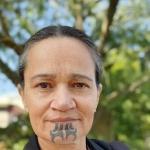 Professor Waikaremoana Waitoki
Professor Waikaremoana Waitoki
Whakapapa · Indigenous affiliations
Ngāti Hako, Ngāti Māhanga
Whare wānanga · Organisation
University of Waikato
Waikaremoana is a Professor and Associate Dean Research in the Faculty of Māori and Indigenous Studies at the University of Waikato, New Zealand. She is a clinical psychologist with experience in adolescent and maternal mental health. She is a past president of the New Zealand Psychological Society, and inaugural co-chair of the Māori psychologist’s network, He Paiaka Totara. She is the co-editor of the first Indigenous psychology book, Te Manu Kai i te Mātauranga which is used nationally and internationally in teaching about monoculturalism and racism in psychology. She is also the co-editor…
View full profile →
View full project →
Internship project
Taiora (Marine Life Monitoring Project)
He āta mātai, he rangahau i te oranga o te waitai i tētahi rohe o te Tairāwhiti kia mōhiotia ai he wai ora rānei, he tai ora rānei, he mate rānei tēnei momo taiao. Hei reira anō ka whakamōhiotia atu ki ngā mana tiaki o taua rohe, ka whakariterite tikanga hoki hei tiaki i te tai. Ko te rohe e tohua ana ko te ākau o Tokomaru i te raki ki Whāngārā i te tonga…
View project →
Internship project
Taiora (Marine Life Monitoring Project)
He āta mātai, he rangahau i te oranga o te waitai i tētahi rohe o te Tairāwhiti kia mōhiotia ai he wai ora rānei, he tai ora rānei, he mate rānei tēnei momo taiao. Hei reira anō ka whakamōhiotia atu ki ngā mana tiaki o taua rohe, ka whakariterite tikanga hoki hei tiaki i te tai. Ko te rohe e tohua ana ko te ākau o Tokomaru i te raki ki Whāngārā i te tonga. Ko te rohe tēnei o ngā karangatanga hapū o Ngāti Porou, o Te Aitanga a Hauiti, o Ngāti Konohi, o Ngāti Ira anō hoki. Intern - Te Aotāihi Kutia-Ngata Te Aitanga-a-Hauiti, Ngāti Porou University of Otago Supervisors - Dr Te Tuhi Robust and Dr…
View full project →
Internship project
Embedded expressions of a people
This summer internship project will identify occasions where haka, waiata and other oral art forms were commonly used as a form of expression, the frequency in which these occasions occurred and the purpose of these expressions for each situation. Each of these occasions employed a particular style of oral art form. In addition to collating information of…
View project →
Internship project
Embedded expressions of a people
This summer internship project will identify occasions where haka, waiata and other oral art forms were commonly used as a form of expression, the frequency in which these occasions occurred and the purpose of these expressions for each situation. Each of these occasions employed a particular style of oral art form. In addition to collating information of the occasions in which they were used, this project will also identify the type of expression, its form and linguistic features, the style of its performance, the social dynamics of engagement, as well as highlighting any tribal…
Kairangahau · Researchers
-
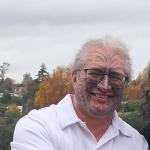 Emeritus Professor Poia Rewi
Emeritus Professor Poia Rewi
Tūnga · Position
Pouhere Kanapu
Whakapapa · Indigenous affiliations
Ngāti Manawa, Tūhoe, Te Arawa
Whare wānanga · Organisation
Kanapu
Happily married with children and mokos who make life so refreshing. My teaching, research and practice included Indigenous language revitalisation, te reo me ngā tikanga Māori, Māori oratory, Māori performing arts and Māori history and have spanned the University of Waikato 1990-2003 and the University of Otago 2023-2020. Poia has also held leadership roles at Te Taura Whiri i te Reo Māori and Te Mātāwai. And if he didn’t have 5 operations on his achilles tendon he would have definitely been an All Black and a competitor on Dancing with Stars.
View full profile →
-
 Dr Karyn Paringatai
Dr Karyn Paringatai
Tūnga · Position
Chair - Marketing and Promotions
Whakapapa · Indigenous affiliations
Ngāti Porou
Whare wānanga · Organisation
Te Tumu - University of Otago
Karyn's research interests are in a number of areas that intersect at various points. These are: sociological issues surrounding Māori urbanisation and Māori identity development and maintenance; Māori performing arts, particularly poi, the analysis of haka and waiata compositions and the role kapa haka plays in identity; grammatical aspects of the Māori language and second language acquisition; Māori language and Māori performing arts teaching methodologies. She is a co-director of an Otago Research Theme, Poutama Ara Rau, alongside Professor Jacinta Ruru (Faculty of Law) and Associate…
View full profile →
View full project →
Internship project
Tikanga, Technology & Trust: Approaches to the Governance of Māori Data
The purpose of this internship project is to further the operationalising of Indigenous Data Sovereignty principles by identifying tikanga that could inform practical data governance mechanisms. We will use kaupapa Māori as the theoretical framework to address the following research questions: 1. What concepts shape Māori views on the governance of data? 2…
View project →
Internship project
Tikanga, Technology & Trust: Approaches to the Governance of Māori Data
The purpose of this internship project is to further the operationalising of Indigenous Data Sovereignty principles by identifying tikanga that could inform practical data governance mechanisms. We will use kaupapa Māori as the theoretical framework to address the following research questions: 1. What concepts shape Māori views on the governance of data? 2. What customary practices could inform Māori approaches to the governance of data? Intern - Tumanako Silveira Ngati Whakaue, Ngati Raukawa, Pare Hauraki University of Waikato Supervisor - Associate Professor Maui Hudson University of Waikato
View full project →
Internship project
Whai Rawa: The role of Māori women in the Māori economy
This summer intern research project explores from the perspective of Māori women, their understanding of the ‘Māori economy’ and the roles they have in developing intergenerational growth within the Small-to-medium sized sector. Women have a vast and positive impact on the economy. Key research already undertaken through the Māori SME whai rawa project (The…
View project →
Internship project
Whai Rawa: The role of Māori women in the Māori economy
This summer intern research project explores from the perspective of Māori women, their understanding of the ‘Māori economy’ and the roles they have in developing intergenerational growth within the Small-to-medium sized sector. Women have a vast and positive impact on the economy. Key research already undertaken through the Māori SME whai rawa project (The intergenerational reality of Māori SMEs) has identified that the Māori economy is made up from increasingly diverse socio-economic structures. Within those are a number of ways that individuals contribute and participate within the…
View full project →
Internship project
Māori whānau experience of Hospital Transfers
This summer internship joins and contributes to a research project on Māori whānau experience of Hospital Transfers by being involved and undertaking literature review, in depth analysis of interview data and considering and reflecting on their research and the research impact and contribution. Publicly-funded hospitals are large healthcare institutions…
View project →
Internship project
Māori whānau experience of Hospital Transfers
This summer internship joins and contributes to a research project on Māori whānau experience of Hospital Transfers by being involved and undertaking literature review, in depth analysis of interview data and considering and reflecting on their research and the research impact and contribution. Publicly-funded hospitals are large healthcare institutions with specialised staff and technologies where people are referred for care or present for acute care in the case of emergencies. For many people, hospitals can be anxiety-raising environments with unfamiliar routines, practices and encounters…
Kairangahau · Researchers
-
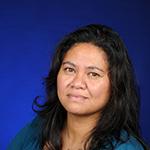 Dr Bridgette Masters-Awatere
Dr Bridgette Masters-Awatere
Tūnga · Position
Community Psychology Graduate Programme Convenor, Lecturer
Whakapapa · Indigenous affiliations
Te Rarawa, Ngāi te Rangi, Tuwharetoa ki Kawerau
Whare wānanga · Organisation
University of Waikato
Bridgette's research speciality is in the area of indigenous evaluation research. She has lead, been a team member, and/or supervised evaluations in the general area of indigenous social well-being. Project research areas include: family violence; intimate partner relationships; women’s and children’s health; tobacco, alcohol, drug, use and reduction; positive learning environments (primary, secondary and tertiary institutions); cultural competency and evaluation training. She has worked with different types of agencies from: Private, Public and not-for-Profit sectors.
View full profile →
View full project →
Internship project
He taonga te tamariki: exploring healthcare interactions with whānau e kōrero ana i te reo
This qualitative summer internship research aims to: Explore key components of a child health consultation with te reo speaking tamariki and whānau in a primary health care setting. Specific objectives include: • Identify the structure that doctors employ in a consultation with te reo speaking tamariki • Explore te reo speaking tamariki and whānau…
View project →
Internship project
He taonga te tamariki: exploring healthcare interactions with whānau e kōrero ana i te reo
This qualitative summer internship research aims to: Explore key components of a child health consultation with te reo speaking tamariki and whānau in a primary health care setting. Specific objectives include: • Identify the structure that doctors employ in a consultation with te reo speaking tamariki • Explore te reo speaking tamariki and whānau experiences in a primary health care setting • Investigate the value of te reo in a child health care setting Māori models of healthcare consultations that focus on whakawhanaungatanga (e.g. Pitama et al 2007), and enhancing health literacy (Carlson…
Kairangahau · Researchers
-
 Associate Professor Bridget Robson
Associate Professor Bridget Robson
Tūnga · Position
Associate Dean Māori & Director of Te Rōpū Rangahau Hauora a Eru Pōmare
Whakapapa · Indigenous affiliations
Ngāti Raukawa
Whare wānanga · Organisation
University of Otago
Bridget Robson (Ngāti Raukawa) is the director of Te Rōpū Rangahau Hauora a Eru Pōmare at the University of Otago, Wellington. Her research interests are in the areas of social and economic determinants of health, inequitable treatment in the health system, the impact of racism on health, and the development of kaupapa Māori epidemiology.Bridget is the Principal Investigator of Unequal Treatment: The Role of Health Services. She is also involved in the Mauri Tangata project on unemployment and health, several projects on Māori cancer outcomes, and she is active in providing Tackling…
View full profile →
View full project →
Internship project
The spatial dimension of cultural identity
The purpose of this summer intern project is to source information (cultural and spatial) that describes the student’s relationship to their marae in preparation for learning how to use spatial information technology to create maps of their ancestral landscapes. This project will develop skillsets of blending modern ICT with oral narratives (mōteatea, lore…
View project →
Internship project
The spatial dimension of cultural identity
The purpose of this summer intern project is to source information (cultural and spatial) that describes the student’s relationship to their marae in preparation for learning how to use spatial information technology to create maps of their ancestral landscapes. This project will develop skillsets of blending modern ICT with oral narratives (mōteatea, lore of the land, pūrākau). The student will join the Te Koronga: Indigenous Science Research Theme at the University of Otago. Intern - Courtney Sullivan Ngāti Awa, Taranaki, Ngāti Maru University of Otago Supervisor - Dr Hauiti Hakopa…
Kairangahau · Researchers
-
 Dr Hauiti Hākopa
Dr Hauiti Hākopa
Tūnga · Position
Postdoctoral Fellow
Whakapapa · Indigenous affiliations
Ngāti Tūwharetoa
Whare wānanga · Organisation
Research and Enterprise - University of Otago
Hauiti is a Postdoctoral Research Fellow based at Te Tumu - University of Otago and specialises in collecting information about waahi tapu, waahi tipuna (sacred|cultural/heritage|ancestral sites), oral narratives (moteatea - traditional songs/chants, korereo purakau - stories) and whakapapa (genealogies) embedded in ancestral landscapes and uses modern GIS mapping technology to enhance this process.
View full profile →
-
Dr Anne-Marie Jackson
Dr Anne-Marie Jackson
Tūnga · Position
Senior Lecturer
Whakapapa · Indigenous affiliations
Ngāti Whatua, Te Roroa, Ngāpuhi, Ngāti Wai, Ngāti Kahu o Whangaroa
Whare wānanga · Organisation
University of Otago
Anne-Marie Jackson is a lecturer in Māori physical education and health at the University of Otago, and joined the School of Physical Education as an academic staff member in 2011. After obtaining a Bachelor of Physical Education Honours degree majoring in Exercise Sport Science and a Master of Physical Education focusing on education policy at the School of Physical Education, she completed a doctorate in Māori studies and physical education examining rangatiratanga and Māori health and well-being within a customary fisheries context. Her research focuses on the examination of Māori…
View full profile →
View full project →
Internship project
Building a Takatāpui Research Foundation – An annotated bibliography
This internship project seeks to create a foundational annotated database of takatāpui literature and resources, including whakawahine and tangata ira tane and other gender non-conforming takatāpui, which are often left out of the narrative.
View project →
Internship project
Building a Takatāpui Research Foundation – An annotated bibliography
This internship project seeks to create a foundational annotated database of takatāpui literature and resources, including whakawahine and tangata ira tane and other gender non-conforming takatāpui, which are often left out of the narrative.
View full project →
Internship project
He aha to wairua? He aha te mauri? In search of wairua and Amauri
The purpose of this summer internship project is to conduct an extensive search and review of literature relating to the constructs ‘wairua’ and ‘mauri’. In particular, the project aims to identify sources highlighting definitions and experiences of both wairua and mauri, as well as literature that speaks to how the constructs are differentiated. The…
View project →
Internship project
He aha to wairua? He aha te mauri? In search of wairua and Amauri
The purpose of this summer internship project is to conduct an extensive search and review of literature relating to the constructs ‘wairua’ and ‘mauri’. In particular, the project aims to identify sources highlighting definitions and experiences of both wairua and mauri, as well as literature that speaks to how the constructs are differentiated. The literature review resulting from this project will form the basis of a manuscript overviewing findings of a study investigating the experiences of wairua of a Māori sample. The literature review from this project will also form the basis of a…
View full project →
Internship project
He Ara Toiora: Suicide Prevention for Ngātiwai Youth through the Arts
In 2012, a wave of youth suicides in Northland featured far too many of Ngātiwai descent. 19 people under 25 years took their own lives, a huge increase from 5 the year before (Penney & Dobbs, 2014). Suicide rates for Māori youth in Te Tai Tokerau, including the Ngātiwai rohe, is therefore a major public health issue. In recognition of this, the Ngātiwai…
View project →
Internship project
He Ara Toiora: Suicide Prevention for Ngātiwai Youth through the Arts
In 2012, a wave of youth suicides in Northland featured far too many of Ngātiwai descent. 19 people under 25 years took their own lives, a huge increase from 5 the year before (Penney & Dobbs, 2014). Suicide rates for Māori youth in Te Tai Tokerau, including the Ngātiwai rohe, is therefore a major public health issue. In recognition of this, the Ngātiwai Trust Board has identified an urgent need for localised, iwi/hapk -based activities/interventions that deepen our understanding of the complex social and cultural factors which have led to the high rate of self destructive and suicidal…
View full project →
Internship project
Measuring the restoration of mauri and ecosystem services at Ōkahu Bay
Ōkahu Bay lies adjacent to Te Whenua Rangatira, occupying a dominant headland near the mouth of the Waitemata Harbour, collectively the ancestral home of Ngāti Whātua Ōrākei. The spiritual significance of the land was recognised by Ngāti Whātua Ōrākei ancestors who sought to safeguard Te Whenua Rangatira as a place which links water, land, forest and sky…
View project →
Internship project
Measuring the restoration of mauri and ecosystem services at Ōkahu Bay
Ōkahu Bay lies adjacent to Te Whenua Rangatira, occupying a dominant headland near the mouth of the Waitemata Harbour, collectively the ancestral home of Ngāti Whātua Ōrākei. The spiritual significance of the land was recognised by Ngāti Whātua Ōrākei ancestors who sought to safeguard Te Whenua Rangatira as a place which links water, land, forest and sky (Tangaroa, Papatūānuku, Tānemahuta and Ranginui) maintaining a strong link with surrounding cultural landmarks within the isthmus and beyond. Ngāti Whātua Ōrākei consulted widely amongst their people and asked them to describe how they would…
View full project →
Internship project
Tangaroa Ara Rau: Examining the Archival Material of Tangaroa
The purpose of this project is to examine the Māori and Pacific archives in the Hocken Library pertaining to Tangaroa, the ocean and the sea. The intern will undertake archival research specifically within the Hocken Library and this will form part of the initial stages of the Māori programme of research within the Sustainable Seas National Science…
View project →
Internship project
Tangaroa Ara Rau: Examining the Archival Material of Tangaroa
The purpose of this project is to examine the Māori and Pacific archives in the Hocken Library pertaining to Tangaroa, the ocean and the sea. The intern will undertake archival research specifically within the Hocken Library and this will form part of the initial stages of the Māori programme of research within the Sustainable Seas National Science Challenge.
View full project →
Internship project
Māori values in the workplace
A survey study conducted in 2012 investigated whether employee perceptions of the extent to which their organisation espoused 5 core Māori values identified in the literature (manaakitanga, wairuatanga, auahatanga, whakawhanaungatanga, and kaitiakitanga), influenced their disposition to engage in helping behaviours at work and feel more committed to the…
View project →
Internship project
Māori values in the workplace
A survey study conducted in 2012 investigated whether employee perceptions of the extent to which their organisation espoused 5 core Māori values identified in the literature (manaakitanga, wairuatanga, auahatanga, whakawhanaungatanga, and kaitiakitanga), influenced their disposition to engage in helping behaviours at work and feel more committed to the organisation. These relationships were moderated by extent of identification with Māori culture (being Māori vs. identifying as Māori).
View full project →
Internship project
Communicative Language Teaching for Indigenous languages
Can communicative language teaching (CLT) help save indigenous languages? This project is a review of literature on CLT and its relevance to indigenous language revitalisation. It forms part of a broader research project to examine the teaching and learning of Māori, Tahitian and Hawai’ian within universities.
View project →
Internship project
Communicative Language Teaching for Indigenous languages
Can communicative language teaching (CLT) help save indigenous languages? This project is a review of literature on CLT and its relevance to indigenous language revitalisation. It forms part of a broader research project to examine the teaching and learning of Māori, Tahitian and Hawai’ian within universities.
View full project →
Internship project
Reo Māori ki ngā Rorohiko o te Kura: Internship Report
Author: Tara Dalley. Supervisor: Dr Te Taka Keegan The aim of this research was to determine the level of awareness and willingness to use software with a te reo Māori interface by the Māori medium education sector. The literature describes the importance and function of language in culture, society and as a part of identity; te reo Māori is an important…
View project →
Internship project
Reo Māori ki ngā Rorohiko o te Kura: Internship Report
Author: Tara Dalley. Supervisor: Dr Te Taka Keegan The aim of this research was to determine the level of awareness and willingness to use software with a te reo Māori interface by the Māori medium education sector. The literature describes the importance and function of language in culture, society and as a part of identity; te reo Māori is an important part of Māori culture and reflects the values and principles of the Māori worldview. There is much written about the decline of te reo Māori due to factors such as colonisation, assimilation and urbanisation; however, there has been much…
View full project →
Internship project
Māori Youth Employment: Internship Report
Author: Nimbus Staniland. Supervisor: Professor Charles Crothers This report introduces quantitative analyses of Māori youth employment and occupational status using data from the New Zealand General Social Survey (NZGSS) issued by Statistics New Zealand (SNZ) in 2008 and 2010. This research project was conducted as a piece of a larger project entitled…
View project →
Internship project
Māori Youth Employment: Internship Report
Author: Nimbus Staniland. Supervisor: Professor Charles Crothers This report introduces quantitative analyses of Māori youth employment and occupational status using data from the New Zealand General Social Survey (NZGSS) issued by Statistics New Zealand (SNZ) in 2008 and 2010. This research project was conducted as a piece of a larger project entitled “Ways of being Māori updated: Characteristics, attitudes and behaviours of urban Māori” led by Professor Charles Crothers.
View full project →
Internship project
Impacts of Fracking on Indigenous Reservations in Alberta: Internship Report
This internship applied the Mauri Model Decision Making Framework to assess the impacts of fracking on an Indigenous reservation in Alberta, Canada—highlighting environmental, cultural, and social consequences. The findings offer valuable insights for future oil and gas decisions in Aotearoa.
View project →
Internship project
Impacts of Fracking on Indigenous Reservations in Alberta: Internship Report
This internship applied the Mauri Model Decision Making Framework to assess the impacts of fracking on an Indigenous reservation in Alberta, Canada—highlighting environmental, cultural, and social consequences. The findings offer valuable insights for future oil and gas decisions in Aotearoa.
View full project →
Internship project
Phonological development in Māori speaking preschoolers: Internship Report
Author: Joshua Tahana. Supervisor Dr Elaine Ballard This report outlines the background for a study to be undertaken tracking phonological development (speech skills) in Māori for Māori speaking pre-school children. Although there is a substantial body of literature on how children develop speech sounds in English we know nothing about the developmental…
View project →
Internship project
Phonological development in Māori speaking preschoolers: Internship Report
Author: Joshua Tahana. Supervisor Dr Elaine Ballard This report outlines the background for a study to be undertaken tracking phonological development (speech skills) in Māori for Māori speaking pre-school children. Although there is a substantial body of literature on how children develop speech sounds in English we know nothing about the developmental trajectory in Māori. This project when completed will generally contribute to research in the area of speech development by providing new information on children’s development in a language that has previously not been investigated in this way.
View full project →
Internship project
Ōkahu Bay restoration: Internship report
Author: Ani Kainamu, Supervisor: Dr Dan Hikuroa. This project fulfils part of the Ngā Pae o te Māramatanga summer studentship project that looks at the elements of ecological and Mauri restoration at Ōkahu Bay. This current study focused on the population abundance and distribution of marine benthic shellfish pipi (Paphies australis) and common cockle…
View project →
Internship project
Ōkahu Bay restoration: Internship report
Author: Ani Kainamu, Supervisor: Dr Dan Hikuroa. This project fulfils part of the Ngā Pae o te Māramatanga summer studentship project that looks at the elements of ecological and Mauri restoration at Ōkahu Bay. This current study focused on the population abundance and distribution of marine benthic shellfish pipi (Paphies australis) and common cockle (proper name New Zealand Littleneck Clam; Austrovenus stutchburyi), and seagrass (Zostera) population. This project also measured the bathymetry within Ōkahu Bay, site that receives input from stormwater from the surrounding urban area.
View full project →
Communiqué
International Indigenous Climate Change Summit (IICCRS) communiqué
We, the delegates of the International Indigenous Climate Change Summit (IICCRS), gathered from November 13th to 17th, 2023, recognize the profound climate crisis facing our world and its dire consequences for Indigenous peoples, our lands, and the global ecosystem. This communiqué is an urgent message intended for world leaders, policymakers, environmental…
View project →
Communiqué
International Indigenous Climate Change Summit (IICCRS) communiqué
We, the delegates of the International Indigenous Climate Change Summit (IICCRS), gathered from November 13th to 17th, 2023, recognize the profound climate crisis facing our world and its dire consequences for Indigenous peoples, our lands, and the global ecosystem. This communiqué is an urgent message intended for world leaders, policymakers, environmental organisations, and the global community. It underscores the pivotal role of Indigenous voices, ideas, and actionable solutions in addressing climate change. The International Indigenous Climate Change Summit (IICCRS) communiqué asserts the…
View full project →
Communiqué
Indigenous Data Sovereignty and Universities Communiqué
This communiqué was developed by the Indigenous Data Sovereignty Collab held at the 10th International Indigenous Research Conference (IIRC22), 15-18 November 2022. Hosted by Ngā Pae o te Māramatanga Centre of Research Excellence, IIRC has a well established reputation as a premiere international Indigenous conference. Researchers: The IIRC22 IDSov Collab…
View project →
Communiqué
Indigenous Data Sovereignty and Universities Communiqué
This communiqué was developed by the Indigenous Data Sovereignty Collab held at the 10th International Indigenous Research Conference (IIRC22), 15-18 November 2022. Hosted by Ngā Pae o te Māramatanga Centre of Research Excellence, IIRC has a well established reputation as a premiere international Indigenous conference. Researchers: The IIRC22 IDSov Collab included: Vanessa Clark (Waikato; Ngāti Tiipa, Ngāti Tahinga, Ngāti Āmaru), Donna Cormack (Kai Tahu, Kāti Mamoe), Petera Hudson (Te Whakatōhea), JacquieKidd (Ngāpuhi), Tahu Kukutai (Ngāti Tiipa, Ngāti Māhanga, Ngāti Kinohaku, Te Aupōuri)…
Kairangahau · Researchers
-
 Professor Tahu Kukutai FRSNZ
Professor Tahu Kukutai FRSNZ
Tūnga · Position
Pou Matarua
Whakapapa · Indigenous affiliations
Ngāti Tiipā, Ngāti Kinohaku, Te Aupouri, Ngāti Māhanga
Whare wānanga · Organisation
Ngā Pae o te Māramatanga
Ngā Pae o te Māramatanga Co-Director Tahu Kukutai is Professor of Demography at Te Ngira: Institute for Population Research, The University of Waikato where she specialises in Māori and Indigenous demography and data sovereignty. Tahu is a founding member of the Māori Data Sovereignty Network Te Mana Raraunga and the Global Indigenous Data Alliance. She co-edited Indigenous data sovereignty: Toward an agenda (ANU Press, 2016), Indigenous data sovereignty and policy (Routledge, 2020) and The Oxford Handbook of Indigenous Sociology (Oxford) . Tahu has undertaken research with and for numerous…
View full profile →
View full project →
Whangapoua Harbour Mauri Model Analysis
Whangapoua Harbour is within the Ngati Huarere rohe and they are kaitiaki for the harbour which is considered a taonga. Ngati Huarere are concerned about the effects of the Matarangi Wastewater Treatment Plant discharge on the mauri of the harbour, swimming, the gathering of seafood and the wider cultural relationship that Ngati Huarere enjoyed with the…
View project →
Whangapoua Harbour Mauri Model Analysis
Whangapoua Harbour is within the Ngati Huarere rohe and they are kaitiaki for the harbour which is considered a taonga. Ngati Huarere are concerned about the effects of the Matarangi Wastewater Treatment Plant discharge on the mauri of the harbour, swimming, the gathering of seafood and the wider cultural relationship that Ngati Huarere enjoyed with the harbour. This research project has been initiated by Ngati Huarere to investigate the impact of the Matarangi Waste Water Treatment Plant on the mauri of Whangapoua Harbour and the ecosystem.
View full project →
Research Impact Evaluation
Author: Nick Allison In 2014 Ngā Pae o te Māramatanga (NPM) commissioned a report from the New Zealand Institute of Economic Research (NZIER) to assess the economic, social and other impacts of the Māori Centre of Research Excellence. A summary of key findings from this research impact evaluation were: Communities were involved in shaping and designing over…
View project →
Research Impact Evaluation
Author: Nick Allison In 2014 Ngā Pae o te Māramatanga (NPM) commissioned a report from the New Zealand Institute of Economic Research (NZIER) to assess the economic, social and other impacts of the Māori Centre of Research Excellence. A summary of key findings from this research impact evaluation were: Communities were involved in shaping and designing over 80% of NPM research projects NPM’s research is highly valued by its end-users The majority of the projects reported improving the practices, processes and policies of end-users such as tribal authorities or iwi NPM researchers are highly…
View full project →
Antiviral and anti-inflammatory activity in Kawakawa leaf extract
Traditional use of plants for medicinal purposes is a feature of indigenous human societies. The biological principles that underpin many such traditional remedies has been established using various scientific methodologies. In New Zealand, Kawakawa (Macropiper excelsium) has been used in Rongoa Māori (traditional Māori medicine) to alleviate a variety of…
View project →
Antiviral and anti-inflammatory activity in Kawakawa leaf extract
Traditional use of plants for medicinal purposes is a feature of indigenous human societies. The biological principles that underpin many such traditional remedies has been established using various scientific methodologies. In New Zealand, Kawakawa (Macropiper excelsium) has been used in Rongoa Māori (traditional Māori medicine) to alleviate a variety of common ailments including fever however there is no contemporary scientific evidence for how the medical effects of Kawakawa might be mediated. This project will address this knowledge gap by posing two hypothetical mechanisms by which…
View full project →
How do we return the mauri to its pre-Rena state?
This research project evaluated and monitored the environmental, social, economic and cultural impacts of the grounding of the ship Rena on Otaiti, with a particular focus on the impacted areas of Maketū, Mōtītī, and Pāpāmoa. The research team led by Dr Kepa Morgan incorporated an assessment of the mauri of the impacted people within these areas and their…
View project →
How do we return the mauri to its pre-Rena state?
This research project evaluated and monitored the environmental, social, economic and cultural impacts of the grounding of the ship Rena on Otaiti, with a particular focus on the impacted areas of Maketū, Mōtītī, and Pāpāmoa. The research team led by Dr Kepa Morgan incorporated an assessment of the mauri of the impacted people within these areas and their environs. Mauri is a universal concept in Māori thinking and is the force between the physical and spiritual attributes of something. An improved understanding of the mauri impacts of this event and how iwi and hapū are responding provided…
View full project →
Fostering te pā harakeke: Advancing Healthy and Prosperous Families of Mana
This research project aims to determine how whānau might flourish. The researchers, led by Professor Mason Durie, focuses on six themes – the characteristics of flourishing whānau; profiling the contemporary lives of Māori whānau; exploring the cultural realities of modern whānau; identifying the necessary resources (cultural, social, economic) for whānau…
View project →
Fostering te pā harakeke: Advancing Healthy and Prosperous Families of Mana
This research project aims to determine how whānau might flourish. The researchers, led by Professor Mason Durie, focuses on six themes – the characteristics of flourishing whānau; profiling the contemporary lives of Māori whānau; exploring the cultural realities of modern whānau; identifying the necessary resources (cultural, social, economic) for whānau to flourish ; assessing the challenges facing whānau in 2025, and developing strategies that will enable whānau to flourish. The research will provide information that can be translated into action and is especially relevant to iwi, central…
View full project →
Networks of support for Māori mental health: The response and recovery of Tangata Whaiora through the Ōtautahi earthquakes
This research looked at how the 2010/11 earthquakes in Ōtautahi (Christchurch) have affected Māori mental health communities. The research team led by Dr Simon Lambert focused on how the support networks for Tangata Whaiora (a term applied to Māori mental health clients that translates as people seeking health) and their whānau responded and recovered…
View project →
Networks of support for Māori mental health: The response and recovery of Tangata Whaiora through the Ōtautahi earthquakes
This research looked at how the 2010/11 earthquakes in Ōtautahi (Christchurch) have affected Māori mental health communities. The research team led by Dr Simon Lambert focused on how the support networks for Tangata Whaiora (a term applied to Māori mental health clients that translates as people seeking health) and their whānau responded and recovered through the disaster.
View full project →
Ka Awatea: An iwi case study of Māori students experiencing success
This Ngā Pae o te Māramatanga project incorporates most of the secondary schools and wharekura within the Rotorua school zone. From the literature, data gathered, and the matching and discussion of this information; the research team’s aim is that educators, parents and whānau will better understand the nature of teaching, learning and home socialisation…
View project →
Ka Awatea: An iwi case study of Māori students experiencing success
This Ngā Pae o te Māramatanga project incorporates most of the secondary schools and wharekura within the Rotorua school zone. From the literature, data gathered, and the matching and discussion of this information; the research team’s aim is that educators, parents and whānau will better understand the nature of teaching, learning and home socialisation patterns that support Māori student success.
Kairangahau · Researchers
-
Professor Angus Macfarlane
Professor Angus Macfarlane
Whakapapa · Indigenous affiliations
Ngāti Whakaue
Angus Macfarlane is Professor of Māori Research at the University of Canterbury. He is an experienced educator and practitioner and has been an advisor and professional development provider for Special Education Services and the Ministry of Education on a number of national projects. His interest is the exploration of cultural concepts and strategies that affect positively on professional practice, on which he published widely. In 2010 Angus was presented with the Tohu Pae Tawhiti Award to acknowledge his significant contribution to Māori research. His most recent book, Responsive Pedagogy…
View full profile →
View full project →
Kaumātua Ngā Kuia: Taonga Aroha
The Life and Living in Advanced Age; A Cohort Study in New Zealand (LILACSNZ): Te Puāwaitanga o Ngā Tapuwae Kia Ora Tonu is the first large-scale study of people in advanced age in Aotearoa, New Zealand and the only longitudinal study of people in advanced age that includes a large number of Māori people. The overall study, funded by the Health Research…
View project →
Kaumātua Ngā Kuia: Taonga Aroha
The Life and Living in Advanced Age; A Cohort Study in New Zealand (LILACSNZ): Te Puāwaitanga o Ngā Tapuwae Kia Ora Tonu is the first large-scale study of people in advanced age in Aotearoa, New Zealand and the only longitudinal study of people in advanced age that includes a large number of Māori people. The overall study, funded by the Health Research Council, aims to find out what factors contribute to ageing successfully in those already very old. LILACSNZ is directed by a joint leadership team in close relationship with the RōpūKaitiaki o Ngā Tikanga Māori/Protectors of Principles in…
View full project →
Whangaia te hinengaro: Reading to learn in te reo Māori
This project focused on kaiako literacy instruction practices and tauira learning pertaining to reading comprehension and Māori vocabulary development. It involved five Kura Kaupapa Māori schools located in rural communities or small rural townships. Kura staff and researchers were involved in a collaborative process involving the collection, analysis and…
View project →
Whangaia te hinengaro: Reading to learn in te reo Māori
This project focused on kaiako literacy instruction practices and tauira learning pertaining to reading comprehension and Māori vocabulary development. It involved five Kura Kaupapa Māori schools located in rural communities or small rural townships. Kura staff and researchers were involved in a collaborative process involving the collection, analysis and feedback of student achievement and classroom observation data. The first year of the project involved collecting baseline data to develop literacy learning and teaching profiles. The second year involved collaborative professional learning…
View full project →
Tū Whare Ora – Building Capacity for Māori Driven Design in Sustainable Settlement Development
There is emerging awareness among Māori that mātauranga Māori and Māori values have an important part to play in papakāinga design as well as in modern urban planning and settlement design. This research project, based on a number of hui, a Māori research collective, dialogue with policy and planning professionals, collaborative learning, case studies and a…
View project →
Tū Whare Ora – Building Capacity for Māori Driven Design in Sustainable Settlement Development
There is emerging awareness among Māori that mātauranga Māori and Māori values have an important part to play in papakāinga design as well as in modern urban planning and settlement design. This research project, based on a number of hui, a Māori research collective, dialogue with policy and planning professionals, collaborative learning, case studies and a review of literature, shows that a clear and unique Māori built environment tradition exists. The research team explored a kaupapa that is still in its infancy – the interface between mātauranga Māori and Western knowledge (in this case…
View full project →
Ngāi Te Rangi Iwi Community Action Research Project
This research was a community action research project dedicated to identifying ways in which to advance Te Reo Māori within the homes of Ngāi Te Rangi whānau. The research team worked with whānau to develop strategies for ‘learning interventions’ that can operate within the community, and within the home. The results indicate that increasing language in the…
View project →
Ngāi Te Rangi Iwi Community Action Research Project
This research was a community action research project dedicated to identifying ways in which to advance Te Reo Māori within the homes of Ngāi Te Rangi whānau. The research team worked with whānau to develop strategies for ‘learning interventions’ that can operate within the community, and within the home. The results indicate that increasing language in the home depends on more inter-whānau relationships, inter-whānau dynamics and intra-personal dynamics then it does on language course history, language inputs or even the process of language acquisition itself. Outputs Conference papers •…
View full project →
He moemoeā mō Ahuriri: A vision plan and health assessment for the Ahuriri Estuary
The Ahuriri or Napier Estuary is of significant value to both tangata whenua and the Hawke’s Bay community as a whole. Historical and current environmental pressures, together with some questionable management processes over the years, had caused an almost total cultural disconnection between the tangata whenua and the estuary.
View project →
He moemoeā mō Ahuriri: A vision plan and health assessment for the Ahuriri Estuary
The Ahuriri or Napier Estuary is of significant value to both tangata whenua and the Hawke’s Bay community as a whole. Historical and current environmental pressures, together with some questionable management processes over the years, had caused an almost total cultural disconnection between the tangata whenua and the estuary.
View full project →
Māori and assisted human reproduction: An exploratory study
This research explored Māori views and access to Assisted Human Reproduction (AHR). The researchers carried out a series of interviews with key stakeholders to identify key themes, and a number of hui were run to ascertain broader Māori views towards infertility, use of AHR, AHR policy and legislative change, and the interface between tikanga Māori and…
View project →
Māori and assisted human reproduction: An exploratory study
This research explored Māori views and access to Assisted Human Reproduction (AHR). The researchers carried out a series of interviews with key stakeholders to identify key themes, and a number of hui were run to ascertain broader Māori views towards infertility, use of AHR, AHR policy and legislative change, and the interface between tikanga Māori and various ethical scenarios that have emerged in the field of AHR. Outputs Publications • Glover, M., Rousseau, B. “Your child is your whakapapa”: Māori Considerations of Assisted Human Reproduction and Relatedness. Sites: New Series 4 (2)…
View full project →
Kaupapa Māori Methods: Sharing our Experiences
This project involved gathering and mapping the whakapapa kōrero of four land, river, coastal pathways in the rohe of Ngāti Apa. The researchers worked with four whānau to research and identify old walkways or travel paths.
View project →
Kaupapa Māori Methods: Sharing our Experiences
This project involved gathering and mapping the whakapapa kōrero of four land, river, coastal pathways in the rohe of Ngāti Apa. The researchers worked with four whānau to research and identify old walkways or travel paths.
View full project →
Essential Services for Isolated Communities
People living in isolated communities often live in homes that lack essential amenities such as clean reliable water, energy or power sources, vehicle access, telecommunications and waste management systems. Under these circumstances the health and safety of whānau, in particular the most vulnerable (kaumātua and pēpi) can be compromised and placed at risk…
View project →
Essential Services for Isolated Communities
People living in isolated communities often live in homes that lack essential amenities such as clean reliable water, energy or power sources, vehicle access, telecommunications and waste management systems. Under these circumstances the health and safety of whānau, in particular the most vulnerable (kaumātua and pēpi) can be compromised and placed at risk. This research involved interviewing whānau who reside in isolated communities and determining the essential needs of whānau (from their perspective) and the factors taken into consideration by whānau to prioritise these needs.
View full project →
Trends in wellbeing for Māori families 1981–2006
This project is contributing to the key policy area of whānau ora/ family wellbeing via new analysis of the wealth of data contained in the six national household censuses of 1981 to 2006. Indicators of family wellbeing have been developed to identify trends across 25 years with the team having produced several reports and publications on measuring changes…
View project →
Trends in wellbeing for Māori families 1981–2006
This project is contributing to the key policy area of whānau ora/ family wellbeing via new analysis of the wealth of data contained in the six national household censuses of 1981 to 2006. Indicators of family wellbeing have been developed to identify trends across 25 years with the team having produced several reports and publications on measuring changes and key factors affecting family and whānau wellbeing. Objectives: To describe key changes in Māori household composition over a 25-year period using census data for a range of different household structures and characteristics; To assess…
View full project →
Kanakana harvest mātauranga: Potential tools to monitor population trends on the Waikawa River, Southland/Murihiku?
The population of kanakana (piharau, lamprey) is poorly understood and believed to be declining. In Murihiku concern for this taonga species led to this research in the Waikawa River.
View project →
Kanakana harvest mātauranga: Potential tools to monitor population trends on the Waikawa River, Southland/Murihiku?
The population of kanakana (piharau, lamprey) is poorly understood and believed to be declining. In Murihiku concern for this taonga species led to this research in the Waikawa River.
View full project →
Adapting principles from rongoā into ecologically and culturally sustainable farm practice
This project examines rongoā (traditional Māori knowledge of medicinal plants) to find ways to improve animal health naturally, and overall, manage farms with respect for the land. Principal Investigator Dr Marion Johnson was a farm manager in the UK when she received a scholarship to study environmental biology and returned to university. She later arrived…
View project →
Adapting principles from rongoā into ecologically and culturally sustainable farm practice
This project examines rongoā (traditional Māori knowledge of medicinal plants) to find ways to improve animal health naturally, and overall, manage farms with respect for the land. Principal Investigator Dr Marion Johnson was a farm manager in the UK when she received a scholarship to study environmental biology and returned to university. She later arrived back in New Zealand to complete a PhD on parasites of farmed red deer. For her post-doctoral research, she wanted to focus on sustainable agricultural practices. “I thought, we need to get more plant diversity back on the farm, so as a…
View full project →
Computer decision support to aid sustainable customary use of taonga species
Rakiura Māori muttonbirders and researchers collaborated to build and test a computer-based decision support package to allow individual kaitiaki to choose optimal harvesting strategies on their own whānau’s ancestral birding ground. They tested whether or not the tool builds understanding of consequences of current harvesting levels for their mokopuna’s…
View project →
Computer decision support to aid sustainable customary use of taonga species
Rakiura Māori muttonbirders and researchers collaborated to build and test a computer-based decision support package to allow individual kaitiaki to choose optimal harvesting strategies on their own whānau’s ancestral birding ground. They tested whether or not the tool builds understanding of consequences of current harvesting levels for their mokopuna’s harvesting opportunities, and measured whether it changed both intended and observed harvesting behaviour. The ability of science and computer tools to be integrated into mātauranga and traditional harvest management was assessed. The…
View full project →
Effective leadership for educational reform
This project set out to identify what might constitute effective leadership of educational reform that seeks to raise the achievement of students not currently well served by the system. The hypothesis was developed from a further examination of the relevant literature supported by a series of in-depth interviews, conducted in 2005 and 2006 with leaders in…
View project →
Effective leadership for educational reform
This project set out to identify what might constitute effective leadership of educational reform that seeks to raise the achievement of students not currently well served by the system. The hypothesis was developed from a further examination of the relevant literature supported by a series of in-depth interviews, conducted in 2005 and 2006 with leaders in the twelve schools who have been participating in the Te Kotahitanga research and professional development project since 2003.
View full project →
Mum, I want to be an Engineer: Differential access to high ability mathematics standards
We don’t have many Māori or Pacific Engineers and we need them. The University of Auckland’s Engineering degree programme is challenging and lists Level 3 Mathematics with Calculus as a compulsory prerequisite for consideration to enter. It has become common practice for secondary schools to stream by ability (for Mathematics) as early as Year 9 and…
View project →
Mum, I want to be an Engineer: Differential access to high ability mathematics standards
We don’t have many Māori or Pacific Engineers and we need them. The University of Auckland’s Engineering degree programme is challenging and lists Level 3 Mathematics with Calculus as a compulsory prerequisite for consideration to enter. It has become common practice for secondary schools to stream by ability (for Mathematics) as early as Year 9 and continue this practice through to Year 13, Level 3. This means that placement in the highest ability groups throughout secondary school are necessary to study Level 3 Mathematics with Calculus. Thus, potential applicants for University Engineering…
View full project →
Organisational pre-requisites to fund implement and sustain a Māori health promotion model in a primary care setting.
Health promotion was traditionally delivered within a public health setting in New Zealand. With changes to primary care delivery, health promotion is increasingly delivered within the primary care setting due to national strategy changes aimed at improving health outcomes. Rather than dealing primarily with the individual in a treatment and support role…
View project →
Organisational pre-requisites to fund implement and sustain a Māori health promotion model in a primary care setting.
Health promotion was traditionally delivered within a public health setting in New Zealand. With changes to primary care delivery, health promotion is increasingly delivered within the primary care setting due to national strategy changes aimed at improving health outcomes. Rather than dealing primarily with the individual in a treatment and support role, primary care is now also tasked with providing preventative and health promotion activities. This research focussed on what organisational pre-requisites are necessary for implementing and funding a Māori health promotion framework in a…
View full project →
Māori whānau experiences of neonatal care experiences
The premature birth of babies is a highly stressful and tense event for whānau. The care of such babies is focused within hospital based Neonatal Intensive Care Units.
View project →
Māori whānau experiences of neonatal care experiences
The premature birth of babies is a highly stressful and tense event for whānau. The care of such babies is focused within hospital based Neonatal Intensive Care Units.
View full project →