About this research
This research was carried out on behalf of Ngā Pae o te Māramatanga. The primary research aim was to find out how Māori individuals and whānau have been affected by problem gambling and the strategies they have taken to address this issue.
The research explored the impact of gambling on Māori through individuals who were either problem gamblers or whānau members affected by problem gambling as a feasibility study to identify the possible harm created from a whānau perspective. An undertaking was given to interview at least five Māori from different whānau to listen and hear their perspective of the harm gambling has created within their whānau.
The project provides support for a public health approach to reduce and prevent gambling related harm and to contribute to the growing research carried out in New Zealand on the effects of gambling on individuals, families and communities.
The project was based in Auckland and was carried out in collaboration with two Māori Health community providers Hāpai te Hauora Tāpui and Raukura Hauora o Tainui ki Tāmaki Makaurau who are both involved in addressing problems associated with gambling.
Ētahi atu · Other projects
Tangi is the ultimate form of Māori cultural and community expression. Addressing the dearth of scholarly information, this study considers tangi practice, whakapapa, changing environments, community values, sharing knowledge, ritual and what it means to be Māori. The research team has been examining the life-values, beliefs and practices related to…
View projectAituā: Death in a changing Māori World
Kairangahau · Researchers
-
 Professor Linda Waimarie Nikora FRSNZ, HFNZPS
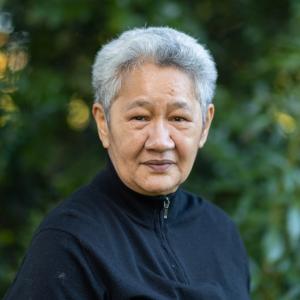
Professor Linda Waimarie Nikora FRSNZ, HFNZPS
Linda Waimarie Nikora is co-director of Ngā Pae o te Māramatanga and a Professor of Indigenous Studies at Te Wānanga o Waipapa, the University of Auckland. She was previously Professor of Psychology and Director of the Maori & Psychology Research Unit at the University of Waikato. Her specialities are in in community psychology, applied social psychology, ethnopsychology and Maori development. Professor Nikora has a celebrated research and academic career, working in community, social and indigenous psychologies, with a specific focus on Māori wellbeing and self-determination. Her research in…
A new report from Ngā Pae o te Māramatanga (NPM) and Manaaki Whenua Landcare Research provides guidance for Te Ao Māori on climate change adaptation and mitigation. He huringa āhuarangi, he huringa ao: a changing climate, a changing world was produced by a multidisciplinary Māori research team working across many research institutions. Using a novel kaupapa…
View projectHe huringa āhuarangi, he huringa ao: a changing climate, a changing world
Often Kaumātua and elders generally, are seen as vulnerable and passive recipients of services throughout the ongoing Covid 19 pandemic. However, in the village of Ohinemutu and as citizens of their iwi Ngāti Whakaue, Kaumātua have been active leaders in the response of the village, initially during the first four-week lockdown in 2020. However, that…
View project