Our people are at the heart of Ngā Pae o te Māramatanga. Across Aotearoa and beyond, our whānau of researchers, students, partners, and professional staff are united by a shared commitment to advancing Māori knowledge, innovation, and excellence. Explore the profiles below to learn more about the diverse individuals who contribute to our research community and help shape a flourishing future for Māori.
Ko Wai Mātou
NPM Whānau · Search Our People
Ruānuku · Patrons 5
 Tā Pita Sharples CBE KNZM
Ngāti Kahungunu
Tā Pita Sharples, of Ngāti Kahungunu, Ngai Te Kikiri o te Rangi and Ngāti Pahauwera, was born in Waipawa in 1941 and…
Tā Pita Sharples CBE KNZM
Ngāti Kahungunu
Tā Pita Sharples, of Ngāti Kahungunu, Ngai Te Kikiri o te Rangi and Ngāti Pahauwera, was born in Waipawa in 1941 and…
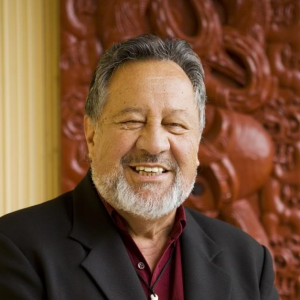
Tā Pita Sharples CBE KNZM
Tā Pita Sharples, of Ngāti Kahungunu, Ngai Te Kikiri o te Rangi and Ngāti Pahauwera, was born in Waipawa in 1941 and grew up in the small country town of Takapau in Hawkes Bay. He went to secondary school at Waipukurau District High School and Te Aute Māori Boys College, where he developed his skills in kapa haka and a passion for Māori language and culture. He went on to establish the New Zealand National School of Maori Weaponry, where he became Tumu Whakarae (Sacerdotal Head and Master), and he founded Te Roopu Manutaki Maori Cultural Group. He studied at Auckland University and trained as…
 Tā Mason Durie ONZ KNZM
Rangitāne, Ngāti Kauwhata, Ngāti Raukawa
Emeritus Professor Sir Mason Durie KNZM, FNZAH, FRSNZ is one of New Zealand’s most respected academics, and was…
Tā Mason Durie ONZ KNZM
Rangitāne, Ngāti Kauwhata, Ngāti Raukawa
Emeritus Professor Sir Mason Durie KNZM, FNZAH, FRSNZ is one of New Zealand’s most respected academics, and was…
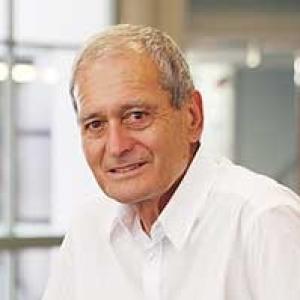
Tā Mason Durie ONZ KNZM
Emeritus Professor Sir Mason Durie KNZM, FNZAH, FRSNZ is one of New Zealand’s most respected academics, and was knighted in 2010 for services to public and Māori health. For over 40 years, Sir Mason has been at the forefront of a transformational approach to Māori health, including chairing the Taskforce on Whānau-Centred Initiatives that produced the Whānau Ora report for the Government in 2010. He is a past Deputy Vice-Chancellor of Massey University. Sir Mason previously served as NPM’s International Research Advisory Panel Chair and has been a valued past Principal Investigator leading…
 Tā Tīpene O'Regan Kt
Ngāi Tahu
Tā Tīpene O’Regan was NPM's longest serving Board Chair before his retirement at the end of 2018, guiding the centre…
Tā Tīpene O'Regan Kt
Ngāi Tahu
Tā Tīpene O’Regan was NPM's longest serving Board Chair before his retirement at the end of 2018, guiding the centre…
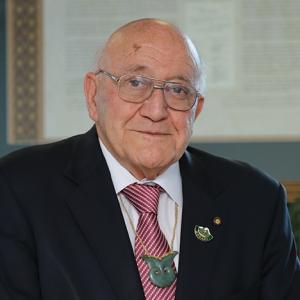
Tā Tīpene O'Regan Kt
Tā Tīpene O’Regan was NPM's longest serving Board Chair before his retirement at the end of 2018, guiding the centre through 12 years of its operations. He is best known more widely for his role as Chairman of the Ngaitahu Maori Trust Board leading the Ngāi Tahu Claim process before the Waitangi Tribunal culminating in the Ngāi Tahu Settlement. He served on the board for 22 years, and was chair for thirteen of those years. As the chief negotiator, Te Kerēme (the Ngāi Tahu Claim) was his main kaupapa. He was a major architect and negotiator of the Treaty of Waitangi fisheries settlements of…
 Distinguished Professor Linda Tuhiwai Smith
Ngāti Awa, Ngāti Porou
Te Whare Wānanga o Awanuiārangi
Ngāti Awa Representative, Co-Deputy Chairperson
Professor Linda Tuhiwai Smith (Ngāti Awa, Ngāti Porou) is one of the most influential and internationally recognised…
Distinguished Professor Linda Tuhiwai Smith
Ngāti Awa, Ngāti Porou
Te Whare Wānanga o Awanuiārangi
Ngāti Awa Representative, Co-Deputy Chairperson
Professor Linda Tuhiwai Smith (Ngāti Awa, Ngāti Porou) is one of the most influential and internationally recognised…
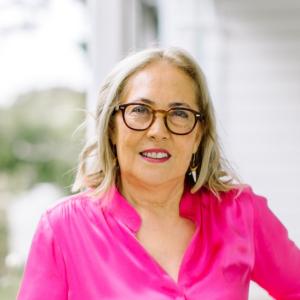
Distinguished Professor Linda Tuhiwai Smith
Professor Linda Tuhiwai Smith (Ngāti Awa, Ngāti Porou) is one of the most influential and internationally recognised Māori scholars and researchers of the 21st Century. Her book “Decolonizing Methodologies: Research and Indigenous Peoples” has been translated into five languages (Spanish, Chinese, Arabic, Italian, and Bhasa Indonesian). She has written numerous books, articles, lectures, and research which are cited by academics worldwide, and is one of the most renowned indigenous thinkers of our time.In the 1970’s, Professor Smith was a founding member of Ngā Tamatoa which opposed racial…
 Emeritus Professor Ngahuia Te Awekotuku MNZM FAWMM
Te Arawa, Tūhoe, Waikato
Emeritus Professor Ngahuia te Awekotuku continues to contribute in the arts and creative sector. With degrees in Art…
Emeritus Professor Ngahuia Te Awekotuku MNZM FAWMM
Te Arawa, Tūhoe, Waikato
Emeritus Professor Ngahuia te Awekotuku continues to contribute in the arts and creative sector. With degrees in Art…
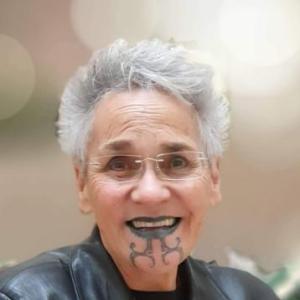
Emeritus Professor Ngahuia Te Awekotuku MNZM FAWMM
Emeritus Professor Ngahuia te Awekotuku continues to contribute in the arts and creative sector. With degrees in Art History and English, her PhD (1981) was in cultural psychology. She wrote an early (1991) monograph on Māori research ethics. For decades she served in the heritage environment as a governor, curator and activist/advocate. Her scholarly works on culture, gender, heritage and sexuality, and her fiction and poetry, have been published and acclaimed locally and internationally.Ngahuia is a pioneering Māori writer, academic, curator and activist whose work has shaped the cultural…
Poari · NPM Board 7
See all 7 → Dr. Chelsea Grootveld
Ngāi Tai, Ngāti Porou, Te Whānau a Apanui , Whakatōhea, Tūhourangi, Dutch
Aiko Consultants
Director, Aiko Consultants
Chelsea is a respected wāhine Māori leader in education, kaupapa Māori research and governance. She holds a PhD in…
Dr. Chelsea Grootveld
Ngāi Tai, Ngāti Porou, Te Whānau a Apanui , Whakatōhea, Tūhourangi, Dutch
Aiko Consultants
Director, Aiko Consultants
Chelsea is a respected wāhine Māori leader in education, kaupapa Māori research and governance. She holds a PhD in…
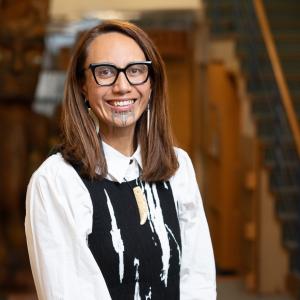
Dr. Chelsea Grootveld
Chelsea is a respected wāhine Māori leader in education, kaupapa Māori research and governance. She holds a PhD in Education from Te Herenga Waka – Victoria University of Wellington and is the founder of an indigenous research and evaluation company dedicated to advancing Māori aspirations.Chelsea brings deep governance expertise, currently serving on the boards of High Performance Sport NZ, Taumata - Ihi Aotearoa Sport NZ, Tātai Aho Rau - CORE Education, International Funders For Indigenous Peoples; as Chair of the JR McKenzie Trust, Deputy Chair of Ngāitai Iwi Authority and Iti Kōpara…
 Professor Hona Black
Tūhoe, Te Whānau a Āpanui, Whakatōhea, Ngāti Tūwharetoa
Te Herenga Waka Victoria University of Wellington
Professor
Hona Black (Tūhoe, Te Whānau a Apanui, Te Whakatōhea, Ngāti Tūwharetoa) works in te reo Māori revitalisation and has a…
Professor Hona Black
Tūhoe, Te Whānau a Āpanui, Whakatōhea, Ngāti Tūwharetoa
Te Herenga Waka Victoria University of Wellington
Professor
Hona Black (Tūhoe, Te Whānau a Apanui, Te Whakatōhea, Ngāti Tūwharetoa) works in te reo Māori revitalisation and has a…
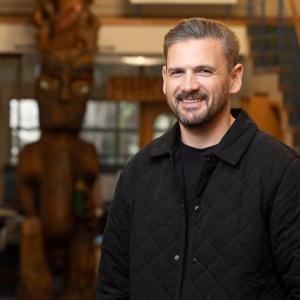
Professor Hona Black
Hona Black (Tūhoe, Te Whānau a Apanui, Te Whakatōhea, Ngāti Tūwharetoa) works in te reo Māori revitalisation and has a particular interest in language acquisition and the restoration and expansion of te reo Māori domains within everyday life. Hona is the author of several te reo Māori publications, including He Iti Te Kupu, Ngā Hapa Reo, and Te Reo Kapekape. His work frequently bridges academic research and community practice, reflecting a commitment to strengthening Māori language futures and supporting the normalisation of te reo Māori across homes, communities, and institutions.
 Honorary Associate Professor Meika Foster
Waipapa Taumata Rau, University of Auckland
Honorary Associate Professor
Dr Meika Foster has a background in Law and Nutrition Science. Her research interests include the development of food…
Honorary Associate Professor Meika Foster
Waipapa Taumata Rau, University of Auckland
Honorary Associate Professor
Dr Meika Foster has a background in Law and Nutrition Science. Her research interests include the development of food…
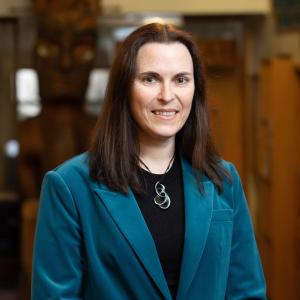
Honorary Associate Professor Meika Foster
Dr Meika Foster has a background in Law and Nutrition Science. Her research interests include the development of food and ingredient solutions that are beneficial for health and the environment, regulatory science, consumer science, Indigenous organisms research, the roles of micronutrients and phytochemicals in health and disease, and the protection of Indigenous cultural and intellectual property. Meika is the Founding Director of Edible Research Ltd., which provides translational research services to the science sector, government organisations, and food and beverage businesses (including…
 Professor Simon Holdaway
Waipapa Taumata Rau, University of Auckland
I research how to interpret the past using the material remains found by archaeologists. This has involved field work…
Professor Simon Holdaway
Waipapa Taumata Rau, University of Auckland
I research how to interpret the past using the material remains found by archaeologists. This has involved field work…
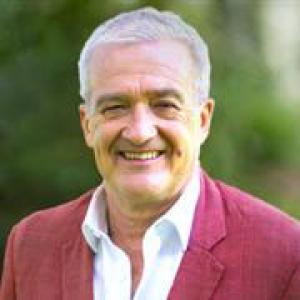
Professor Simon Holdaway
I research how to interpret the past using the material remains found by archaeologists. This has involved field work in a number of regions of the world including southwest France, semi-arid and tropical regions of Australia, the north of Egypt, and northern parts of Aotearoa | New Zealand. I have an interest in stone artefacts particularly their interpretation as surface deposits at a landscape scale. I continue to have active fieldwork programmes as well as laboratory-based studies of material remains.After receiving a BA(Hons) and MA degree in Anthropology from the University of Otago I…
 Erina Watene
Waikato-Tainui, Ngāti Maniapoto, Ngāi te Rangi
Te Wai Māori
Director & Freshwater Scientist
Erina is a freshwater scientist with a background in tāonga species research, lake and river restoration, resource…
Erina Watene
Waikato-Tainui, Ngāti Maniapoto, Ngāi te Rangi
Te Wai Māori
Director & Freshwater Scientist
Erina is a freshwater scientist with a background in tāonga species research, lake and river restoration, resource…
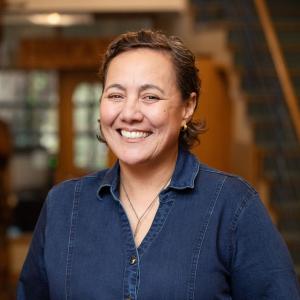
Erina Watene
Erina is a freshwater scientist with a background in tāonga species research, lake and river restoration, resource management and environmental planning. She is experienced in working at the interface between iwi, science and policy. Erina has a strong governance background from Science Challenge, several iwi and not-for-profit trust boards. She is also a member of numerous fisheries and freshwater societies in New Zealand and Australia, and holds a Master of Science (Hons) majoring in Chemistry from the University of Waikato.
 Professor Te Kawehau Hoskins
Ngāpuhi
Waipapa Taumata Rau, University of Auckland
Te Kawehau Hoskins affiliates to the people of Ngāti Hau in Whakapara, a community located north of the Whangārei…
Professor Te Kawehau Hoskins
Ngāpuhi
Waipapa Taumata Rau, University of Auckland
Te Kawehau Hoskins affiliates to the people of Ngāti Hau in Whakapara, a community located north of the Whangārei…
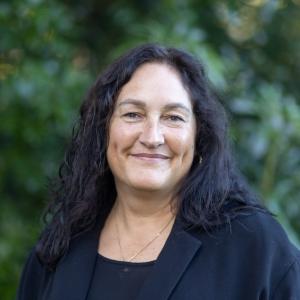
Professor Te Kawehau Hoskins
Te Kawehau Hoskins affiliates to the people of Ngāti Hau in Whakapara, a community located north of the Whangārei district. She is the former HOS of Te Puna Wānanga, the school of Māori and Indigenous Education and Te Tumu-Deputy Dean of the Faculty of Education and Social Work. Te Kawehau has pursued an academic career in Māori education. She has further developed expertise in qualitative social and educational research, politics, ethics of Indigene, settler relations, and multicultural and bicultural education. She is presently the Pro-Vice Chancellor Māori at Waipapa Taumata Rau | The…
Kaiārahi · Leadership 13
See all 13 → Professor Sarah-Jane Paine
Waipapa Taumata Rau, University of Auckland
Pou Pae Ora, Pou Pātai Whānau
Professor Sarah-Jane Paine (Tūhoe) is a leading Māori health researcher and internationally respected authority on…
Professor Sarah-Jane Paine
Waipapa Taumata Rau, University of Auckland
Pou Pae Ora, Pou Pātai Whānau
Professor Sarah-Jane Paine (Tūhoe) is a leading Māori health researcher and internationally respected authority on…
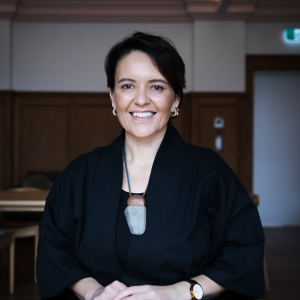
Professor Sarah-Jane Paine
Professor Sarah-Jane Paine (Tūhoe) is a leading Māori health researcher and internationally respected authority on Indigenous child wellbeing. She is Research Director and Principal Investigator of Growing Up in New Zealand, Aotearoa’s flagship longitudinal study of child development, and a Professor at Te Kupenga Hauora Māori, Waipapa Taumata Rau, University of Auckland.Her work in Kaupapa Māori epidemiology has influenced national policy in maternal and child health, racism and child wellbeing, food security, and youth wellbeing. Known for combining scientific rigour with strong community…
 Dr Daniel Wilson
Ngāpuhi, Ngāti Pikiao
Ngā Pae o te Māramatanga
Pou Pae Auaha
Daniel Wilson (Ngāpuhi, Ngāti Pikiao) is a lecturer in Computer Science at Waipapa Taumata Rau | University of…
Dr Daniel Wilson
Ngāpuhi, Ngāti Pikiao
Ngā Pae o te Māramatanga
Pou Pae Auaha
Daniel Wilson (Ngāpuhi, Ngāti Pikiao) is a lecturer in Computer Science at Waipapa Taumata Rau | University of…
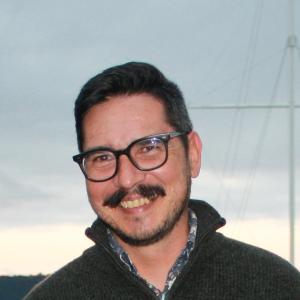
Dr Daniel Wilson
Daniel Wilson (Ngāpuhi, Ngāti Pikiao) is a lecturer in Computer Science at Waipapa Taumata Rau | University of Auckland. His teaching and research are in the areas of AI, Māori Data Sovereignty, Māori Algorithmic Sovereignty, and AI ethics. Daniel is a member of Te Pokapū in The Māori Data Sovereignty Network Te Mana Raraunga, Co-Director of the Centre of Machine Learning for Social Good, member of the Kāhui Māori for the AI Forum, treasurer of the AI Researchers Association, and an establishment member of the AI in Health Research Network. Daniel has a PhD in Philosophy and a Master of…
 Associate Professor Deborah Heke
Ngā Puhi, Te Arawa
Te Whare Wananga o Wairaka Unitec
Rautaki MAI Te Kupenga
Associate Professor Deborah Heke (Ngā Puhi, Te Arawa) is the Director of Ngā Wai a Te Tūī Māori and Indigenous Research…
Associate Professor Deborah Heke
Ngā Puhi, Te Arawa
Te Whare Wananga o Wairaka Unitec
Rautaki MAI Te Kupenga
Associate Professor Deborah Heke (Ngā Puhi, Te Arawa) is the Director of Ngā Wai a Te Tūī Māori and Indigenous Research…
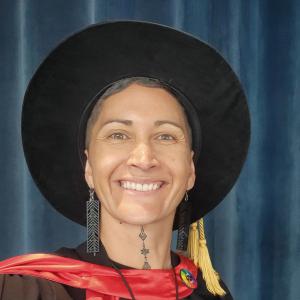
Associate Professor Deborah Heke
Associate Professor Deborah Heke (Ngā Puhi, Te Arawa) is the Director of Ngā Wai a Te Tūī Māori and Indigenous Research Centre at Unitec. With a background in Exercise Physiology, Psychology, and Public Health, her current research centres on Mana Wahine scholarship. Recent work includes an exploration of Māori and Indigenous women’s embodied practices and physical activity in te taiao as a means for connecting, communicating, and healing. Deborah is also passionate about building the capability and capacity of Māori and Indigenous (future) scholars and providing spaces for Indigenous…
 Professor Melinda Webber
Ngāti Hau, Ngāti Hine, Te Paatu / Ngāti Kahu, Ngāti Whakaue
Ngā Pae o te Māramatanga
Pou Matarua
Ngā Pae o te Māramatanga Co-Director Melinda Webber is Professor of Education at Te Pūtahi Mātauranga | The Faculty of…
Professor Melinda Webber
Ngāti Hau, Ngāti Hine, Te Paatu / Ngāti Kahu, Ngāti Whakaue
Ngā Pae o te Māramatanga
Pou Matarua
Ngā Pae o te Māramatanga Co-Director Melinda Webber is Professor of Education at Te Pūtahi Mātauranga | The Faculty of…
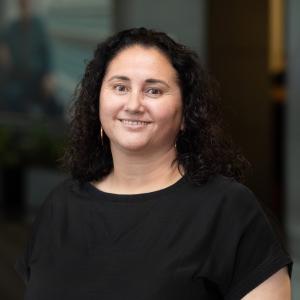
Professor Melinda Webber
Ngā Pae o te Māramatanga Co-Director Melinda Webber is Professor of Education at Te Pūtahi Mātauranga | The Faculty of Arts and Education, Waipapa Taumata Rau | University of Auckland. Melinda specialises in Māori Education and Social Psychology and is the Aotearoa New Zealand co-director of the Atlantic Fellows for Social Equity programme based at The University of Melbourne. She wrote Walking the space between: Identity and Māori/Pakeha (NZCER Press, 2008), co-wrote A fire in the belly of Hineāmaru A collection of narratives about Te Tai Tokerau tupuna & Ka ngangana tonu a Hineāmaru - He…
 Professor Karyn Paringatai
Ngāti Porou
Te Tumu - University of Otago
Pou Pātai Te Ao Māori
Karyn Paringatai (Ngāti Porou) is a lecturer in Te Tumu – School of Māori, Pacific and Indigenous Studies at the…
Professor Karyn Paringatai
Ngāti Porou
Te Tumu - University of Otago
Pou Pātai Te Ao Māori
Karyn Paringatai (Ngāti Porou) is a lecturer in Te Tumu – School of Māori, Pacific and Indigenous Studies at the…
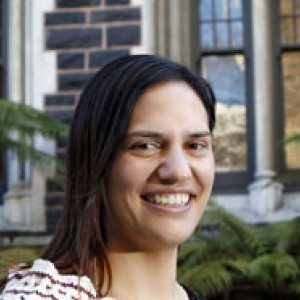
Professor Karyn Paringatai
Karyn Paringatai (Ngāti Porou) is a lecturer in Te Tumu – School of Māori, Pacific and Indigenous Studies at the University of Otago, where she obtained her BA (Hons), MA and PhD degrees. Her teaching and research interests are in a number of areas that intersect at various points that include: Sociological issues surrounding Māori urbanisation and Māori identity development and maintenance; Māori performing arts, particularly poi, the analysis of haka and waiata compositions and the role kapa haka plays in identity; Grammatical aspects of the Māori language and second language acquisition…
 Professor Tahu Kukutai FRSNZ
Ngāti Tiipā, Ngāti Kinohaku, Te Aupouri, Ngāti Māhanga
Ngā Pae o te Māramatanga
Pou Matarua
Ngā Pae o te Māramatanga Co-Director Tahu Kukutai is Professor of Demography at Te Ngira: Institute for Population…
Professor Tahu Kukutai FRSNZ
Ngāti Tiipā, Ngāti Kinohaku, Te Aupouri, Ngāti Māhanga
Ngā Pae o te Māramatanga
Pou Matarua
Ngā Pae o te Māramatanga Co-Director Tahu Kukutai is Professor of Demography at Te Ngira: Institute for Population…
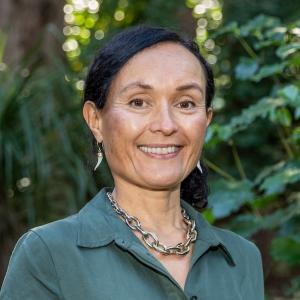
Professor Tahu Kukutai FRSNZ
Ngā Pae o te Māramatanga Co-Director Tahu Kukutai is Professor of Demography at Te Ngira: Institute for Population Research, The University of Waikato where she specialises in Māori and Indigenous demography and data sovereignty. Tahu is a founding member of the Māori Data Sovereignty Network Te Mana Raraunga and the Global Indigenous Data Alliance. She co-edited Indigenous data sovereignty: Toward an agenda (ANU Press, 2016), Indigenous data sovereignty and policy (Routledge, 2020) and The Oxford Handbook of Indigenous Sociology (Oxford) . Tahu has undertaken research with and for numerous…
Tautoko · Support & governance 54
See all 54 → Associate Professor Andrea Reid
Nisg̱a’a
University of British Columbia
Canada Research Chair, Director Centre for Indigenous Fisheries
Dr. Andrea Reid is a citizen of the Nisga’a Nation and an Associate Professor with the University of British Columbia’s…
Associate Professor Andrea Reid
Nisg̱a’a
University of British Columbia
Canada Research Chair, Director Centre for Indigenous Fisheries
Dr. Andrea Reid is a citizen of the Nisga’a Nation and an Associate Professor with the University of British Columbia’s…
Associate Professor Andrea Reid
Dr. Andrea Reid is a citizen of the Nisga’a Nation and an Associate Professor with the University of British Columbia’s Institute for the Oceans and Fisheries. She has launched and is leading the Centre for Indigenous Fisheries, working to build an inclusive hub for the study and protection of culturally significant fish and fisheries. Her research program adopts highly interdisciplinary and applied approaches to improving our understanding of the complex interrelationships between fish, people and place. Reid’s PhD in Biology (Governor General’s Gold Medal; Carleton University, 2020) centred…
Kairangahau · Researchers 146
See all 146 →
Professor Sarah-Jane Paine
Waipapa Taumata Rau, University of Auckland
Pou Pae Ora, Pou Pātai Whānau
Professor Sarah-Jane Paine (Tūhoe) is a leading Māori health researcher and internationally respected authority on…
Professor Sarah-Jane Paine
Professor Sarah-Jane Paine (Tūhoe) is a leading Māori health researcher and internationally respected authority on Indigenous child wellbeing. She is Research Director and Principal Investigator of Growing Up in New Zealand, Aotearoa’s flagship longitudinal study of child development, and a Professor at Te Kupenga Hauora Māori, Waipapa Taumata Rau, University of Auckland.Her work in Kaupapa Māori epidemiology has influenced national policy in maternal and child health, racism and child wellbeing, food security, and youth wellbeing. Known for combining scientific rigour with strong community…
Associate Professor Deborah Heke
Ngā Puhi, Te Arawa
Te Whare Wananga o Wairaka Unitec
Rautaki MAI Te Kupenga
Associate Professor Deborah Heke (Ngā Puhi, Te Arawa) is the Director of Ngā Wai a Te Tūī Māori and Indigenous Research…
Associate Professor Deborah Heke
Associate Professor Deborah Heke (Ngā Puhi, Te Arawa) is the Director of Ngā Wai a Te Tūī Māori and Indigenous Research Centre at Unitec. With a background in Exercise Physiology, Psychology, and Public Health, her current research centres on Mana Wahine scholarship. Recent work includes an exploration of Māori and Indigenous women’s embodied practices and physical activity in te taiao as a means for connecting, communicating, and healing. Deborah is also passionate about building the capability and capacity of Māori and Indigenous (future) scholars and providing spaces for Indigenous…
 Kiri Edge
Ngāti Maniapoto
Te Wānanga o Aotearoa
Kairangahau Matua
Kiri Edge has contributed to a wide range of interdisciplinary research and evaluation projects across both academic…
Kiri Edge
Ngāti Maniapoto
Te Wānanga o Aotearoa
Kairangahau Matua
Kiri Edge has contributed to a wide range of interdisciplinary research and evaluation projects across both academic…
Kiri Edge
Kiri Edge has contributed to a wide range of interdisciplinary research and evaluation projects across both academic and community contexts. Kiri is experienced working within complex and sensitive topics, and engaging with people, whānau, and communities that some consider ‘hard to reach’. Kiri’s research interests are diverse, but pivot towards endeavours that contribute towards Māori wellbeing and flourishing, equity, social justice and sustainable community-driven development. Kiri’s current rangahau interests include reclamation of indigenous pathways to wellbeing, grieving within and…
 Dr Awanui Te Huia
Ngāti Maniapoto
Independent Kaupapa Māori Researcher
Associate Professor Awanui Te Huia (Ngāti Maniapoto) is a recipient of Ako Aotearoa Sustained Excellence in Tertiary…
Dr Awanui Te Huia
Ngāti Maniapoto
Independent Kaupapa Māori Researcher
Associate Professor Awanui Te Huia (Ngāti Maniapoto) is a recipient of Ako Aotearoa Sustained Excellence in Tertiary…
Dr Awanui Te Huia
Associate Professor Awanui Te Huia (Ngāti Maniapoto) is a recipient of Ako Aotearoa Sustained Excellence in Tertiary Teaching Award (Kaupapa Māori Category), recognising her outstanding contribution to reo Māori education and kaupapa Māori research at Te Herenga Waka; Victoria University of Wellington.Her teaching is known for creating enjoyable, creative, and safe spaces that empower learners. Her teaching approach weaves together psychology, kaupapa Māori methods, and innovative tools to make te reo Māori accessible and inspiring for current and future learners. This nationally recognised…
 Dr Matthew Rout
University of Canterbury
Senior Research Fellow Ngai Tahu Research Centre
Dr. Matthew Rout's research explores how Indigenous worldviews shape the institutions that govern economic activity…
Dr Matthew Rout
University of Canterbury
Senior Research Fellow Ngai Tahu Research Centre
Dr. Matthew Rout's research explores how Indigenous worldviews shape the institutions that govern economic activity…
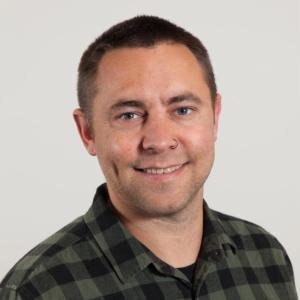
Dr Matthew Rout
Dr. Matthew Rout's research explores how Indigenous worldviews shape the institutions that govern economic activity, environmental management, and public decision-making. Working at the nexus of political, economic, social, cultural, and environmental domains, his research examines how values, knowledge systems, and social organisation influence the ways societies coordinate collective action and pursue development. A central focus of his work is the application of te ao Māori and mātauranga Māori to contemporary policy challenges, including environmental governance, disaster risk reduction…
 Professor Te Taka Keegan
Waikato-Maniapoto, Ngāti Porou, Ngāti Whakaue
University of Waikato
Professor Department of Software Engineering & Co-Director of AI Institute Maori Artificial Intelligence Institute
Nō Waikato-Maniapoto, nō Ngāti Porou, nō Ngāti Whakaue hoki.Kei Ngāhinapōuri e noho ana, kei te pūtake o te maunga o…
Professor Te Taka Keegan
Waikato-Maniapoto, Ngāti Porou, Ngāti Whakaue
University of Waikato
Professor Department of Software Engineering & Co-Director of AI Institute Maori Artificial Intelligence Institute
Nō Waikato-Maniapoto, nō Ngāti Porou, nō Ngāti Whakaue hoki.Kei Ngāhinapōuri e noho ana, kei te pūtake o te maunga o…
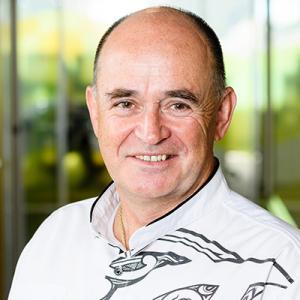
Professor Te Taka Keegan
Nō Waikato-Maniapoto, nō Ngāti Porou, nō Ngāti Whakaue hoki.Kei Ngāhinapōuri e noho ana, kei te pūtake o te maunga o Pirongia.Kua roa ia e mahi ana ki te Whare Wānanga o Waikato, me tana aro ki te whai huarahi mō te reo rangatira ki te ao hangarau.Te Taka received a Diploma in Computer Engineering from CIT (Wellington) in 1987. He spent six years working as a hardware engineer for Datacom and Digital before returning to the Waikato and Waikato University. He received a BA through the Te Tohu Paetahi stream (Māori immersion) and in 1996 was awarded an MA having completed a thesis on…
Whakaputa · Journal publications 54
See all 54 → Emalani Case
Kanaka Maoli
Waipapa Taumata Rau, University of Auckland
Lecturer in Pacific Studies & Associate Head of School: Postgraduate Māori and Pacific Studies
Emalani Case is a lecturer in Pacific Studies in Te Wānanga o Waipapa, the School of Māori and Pacific Studies at…
Emalani Case
Kanaka Maoli
Waipapa Taumata Rau, University of Auckland
Lecturer in Pacific Studies & Associate Head of School: Postgraduate Māori and Pacific Studies
Emalani Case is a lecturer in Pacific Studies in Te Wānanga o Waipapa, the School of Māori and Pacific Studies at…
Emalani Case
Emalani Case is a lecturer in Pacific Studies in Te Wānanga o Waipapa, the School of Māori and Pacific Studies at Waipapa Taumata Rau, The University of Auckland. As a Kanaka Maoli activist, teacher, and writer, she is deeply engaged in issues of Indigenous rights and representation, settler colonialism and decolonisation, militarism and demilitarisation, and environmental and social justice. Her work, including her teaching, is motivated by a desire to draw on Pacific and Indigenous knowledges and histories to reflect upon the past, promote action and solidarity in the present, and envision…
 Dr. Joni Angeli-Gordon
Ngā Puhi, Ngāti Whātua, Te Roroa
Te Wānanga o Aotearoa
Director at Te Manawahoukura Rangahau Centre
Dr Joni Angeli-Gordon (Ngāpuhi, Ngāti Whātua, Te Roroa) is Te Paemanu | Director at Te Manawahoukura Rangahau Centre at…
Dr. Joni Angeli-Gordon
Ngā Puhi, Ngāti Whātua, Te Roroa
Te Wānanga o Aotearoa
Director at Te Manawahoukura Rangahau Centre
Dr Joni Angeli-Gordon (Ngāpuhi, Ngāti Whātua, Te Roroa) is Te Paemanu | Director at Te Manawahoukura Rangahau Centre at…
Dr. Joni Angeli-Gordon
Dr Joni Angeli-Gordon (Ngāpuhi, Ngāti Whātua, Te Roroa) is Te Paemanu | Director at Te Manawahoukura Rangahau Centre at Te Wānanga o Aotearoa. Her research is an invitation to return to aroha as an intellectual discipline, to ancestral intelligence as method, and to gentle insistence as a transformative force. Working across Kaupapa Māori, Indigenous child development, Māori mindfulness (mauritau), educational psychology, and placefulness, Joni explores what it means for mokopuna and whānau to thrive — not in theory alone, but in lived, intergenerational, and embodied ways. Her work centres…
Serafín M. Coronel-Molina
Huanca Quechua
Indiana University, USA
Serafín M. Coronel-Molina
Professor Gloria Emeagwali
Central Connecticut State University, USA
Professor of History and African Studies
Dr. Gloria T. Emeagwali is a Professor of History and African Studies, Central Connecticut State University.In…
Professor Gloria Emeagwali
Dr. Gloria T. Emeagwali is a Professor of History and African Studies, Central Connecticut State University.In 'africahistory.net' we present various perspectives on African Indigenous Knowledge Systems(AIK) from a wide range of scholars. We publish brief extracts from scholarly works on the subject and focus on several areas. We are proud to say that this site has been listed by the United Nations Educational, Scientific and Cultural Organization (UNESCO) as one of the top 50 of African websites
Dr. Isla Emery-Whittington
Rereahu, Ngāti Kauwhata, Ngāti Kahungunu ki Wairarapa
Emery Whittington Consultants Ltd
Occupational Therapist / Researcher / Tiriti antiracism educator / NESP mental health and addictions educator
Isla Emery-Whittington is an occupational therapist and consultant. Her research examines western theories and notions…
Dr. Isla Emery-Whittington
Isla Emery-Whittington is an occupational therapist and consultant. Her research examines western theories and notions of everyday occupations as shaped and produced by colonisation. The research aims to reveal taken for granted colonial notions of daily occupations and privilege exploration of a Kaupapa Māori theory of everyday occupations as accessible spaces of healing and connections to kaitiakitanga.
Hapori ā-motu · National Community 22
See all 22 → Professor Peter Adds
Te Ātiawa
Te Herenga Waka Victoria University of Wellington
Peter Adds is an Associate Professor at Te Kawa a Maui - the School of Māori Studies at Victoria University of…
Professor Peter Adds
Te Ātiawa
Te Herenga Waka Victoria University of Wellington
Peter Adds is an Associate Professor at Te Kawa a Maui - the School of Māori Studies at Victoria University of…

Professor Peter Adds
Peter Adds is an Associate Professor at Te Kawa a Maui - the School of Māori Studies at Victoria University of Wellington. He is from the Otaraua Hapu of Te Ātiawa in Taranaki. His academic training is in archaeology but he has extensive experience in Treaty Settlements and is also an accomplished Treaty trainer. He was the claimant researcher for the Taranaki Land Claim and subsequently the claim negotiator for Te Ātiawa. He is also the inaugural and current Chairperson of the Māori Association of Social Science.
 Associate Professor Jade Le Grice
Ngāi Tupoto, Ngāti Korokoro, Te Pouka, Ngāti Wharara, Te Mahurehure
Waipapa Taumata Rau, University of Auckland
Association Professor Psychology
Tēnā koutou kātoa, he uri ahau o Ngāpuhi me Te Rarawa. Ko Ngai Tupoto, Ngati Korokoro, Ngati Wharara, Te Pouka ngā…
Associate Professor Jade Le Grice
Ngāi Tupoto, Ngāti Korokoro, Te Pouka, Ngāti Wharara, Te Mahurehure
Waipapa Taumata Rau, University of Auckland
Association Professor Psychology
Tēnā koutou kātoa, he uri ahau o Ngāpuhi me Te Rarawa. Ko Ngai Tupoto, Ngati Korokoro, Ngati Wharara, Te Pouka ngā…
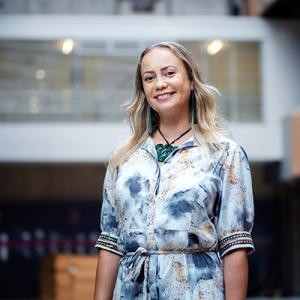
Associate Professor Jade Le Grice
Tēnā koutou kātoa, he uri ahau o Ngāpuhi me Te Rarawa. Ko Ngai Tupoto, Ngati Korokoro, Ngati Wharara, Te Pouka ngā hapū. Nō Motukaraka me Pakanae ahau. I am an Associate Professor of Psychology in the Faculty of Science at Waipapa Taumata Rau | University of Auckland, where I am also Co‑Director of Te Pūtahi o Pūtaiao, The Centre for Kaupapa Māori Science. I teach into three undergraduate and postgraduate courses that support foundational skills in Indigenous, kaupapa Māori & critical psychology. I have supervised over 15 doctoral, masters, honours, and clinical psychology students to…
 Associate Professor Hiria McRae
Te Arawa, Tūhoe, Ngāti Kahungunu
Te Herenga Waka Victoria University of Wellington
Associate Professor, Associate Dean
Hiria Mcrae (Te Arawa,Tūhoe,Ngāti Kahungunu) is an Associate Professor in the School of Education and Associate Dean…
Associate Professor Hiria McRae
Te Arawa, Tūhoe, Ngāti Kahungunu
Te Herenga Waka Victoria University of Wellington
Associate Professor, Associate Dean
Hiria Mcrae (Te Arawa,Tūhoe,Ngāti Kahungunu) is an Associate Professor in the School of Education and Associate Dean…
Associate Professor Hiria McRae
Hiria Mcrae (Te Arawa,Tūhoe,Ngāti Kahungunu) is an Associate Professor in the School of Education and Associate Dean Māori for the Faculty of Education, Health & Psychological Sciences. She has extensive experience in working with practicing teachers and teaching postgraduate students and teacher trainees in the areas of mātauranga Māori, te reo Māori, science and technology, critical pedagogies, education for sustainability. Her research focuses broadly on Māori education in areas ranging from iwi Māori student success models, kaiako Māori leadership and computational thinking.
 Dr Annie Te One
Te Ātiawa, Ngāti Mutunga
Te Herenga Waka Victoria University of Wellington
Senior Lecturer
Annie Te One (Te Ātiawa, Ngāti Mutunga) is the current tumuaki of Te Kawa a Māui. Annie’s PhD is from the Australian…
Dr Annie Te One
Te Ātiawa, Ngāti Mutunga
Te Herenga Waka Victoria University of Wellington
Senior Lecturer
Annie Te One (Te Ātiawa, Ngāti Mutunga) is the current tumuaki of Te Kawa a Māui. Annie’s PhD is from the Australian…
Dr Annie Te One
Annie Te One (Te Ātiawa, Ngāti Mutunga) is the current tumuaki of Te Kawa a Māui. Annie’s PhD is from the Australian National University and focussed on iwi and local government relationships in Wellington and the Hutt Valley. She worked on the Mana Wāhine Inquiry (WAI2700) for the Waitangi Tribunal, is a key researcher on 'Generation Kainga' a rangatahi-centred MBIE funded research project focussing on rangatahi experiences and aspirations for kainga in Aotearoa, and was awarded a Fulbright Scholar award in 2023 to teach and research at the University of Hawaii and the Univerersity of…
 Cheryle Rewha Willoughby
Ngāti Kuta, Ngāpuhi, Ngāti Wai, Ngāti Kahu ki Whangaroa
Ngā Pae o te Māramatanga
Kaihāpai Hautaka, Pouhere Kaiwhakarite
Cheryle has a BA in Media/Marketing and Māori studies from Massey University. Diploma in Project Management (TWWOA) and…
Cheryle Rewha Willoughby
Ngāti Kuta, Ngāpuhi, Ngāti Wai, Ngāti Kahu ki Whangaroa
Ngā Pae o te Māramatanga
Kaihāpai Hautaka, Pouhere Kaiwhakarite
Cheryle has a BA in Media/Marketing and Māori studies from Massey University. Diploma in Project Management (TWWOA) and…
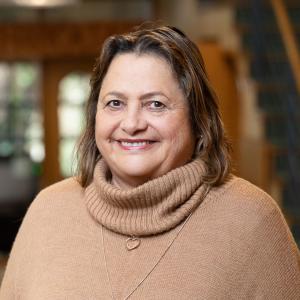
Cheryle Rewha Willoughby
Cheryle has a BA in Media/Marketing and Māori studies from Massey University. Diploma in Project Management (TWWOA) and Sales Management, Business Studies (AUT). Her background is advertising and marketing working at Wilson & Horton Ltd for 12 years as EA and Sales Exec. Also in Event Management and Operations, finance, HR, sales and training.She has worked with her whanau and hapu over 35 years. As a secretary, trustee and negotiator, for the Hauai whenua claim and the first successful settlement with the Crown, on behalf of her hapu.Working as a Marketing Consultant with Dept of Labour…
Associate Professor Deborah Heke
Ngā Puhi, Te Arawa
Te Whare Wananga o Wairaka Unitec
Rautaki MAI Te Kupenga
Associate Professor Deborah Heke (Ngā Puhi, Te Arawa) is the Director of Ngā Wai a Te Tūī Māori and Indigenous Research…
Associate Professor Deborah Heke
Associate Professor Deborah Heke (Ngā Puhi, Te Arawa) is the Director of Ngā Wai a Te Tūī Māori and Indigenous Research Centre at Unitec. With a background in Exercise Physiology, Psychology, and Public Health, her current research centres on Mana Wahine scholarship. Recent work includes an exploration of Māori and Indigenous women’s embodied practices and physical activity in te taiao as a means for connecting, communicating, and healing. Deborah is also passionate about building the capability and capacity of Māori and Indigenous (future) scholars and providing spaces for Indigenous…
Rōpū MAI · MAI Groups 1
Associate Professor Deborah Heke
Ngā Puhi, Te Arawa
Te Whare Wananga o Wairaka Unitec
Rautaki MAI Te Kupenga
Associate Professor Deborah Heke (Ngā Puhi, Te Arawa) is the Director of Ngā Wai a Te Tūī Māori and Indigenous Research…
Associate Professor Deborah Heke
Associate Professor Deborah Heke (Ngā Puhi, Te Arawa) is the Director of Ngā Wai a Te Tūī Māori and Indigenous Research Centre at Unitec. With a background in Exercise Physiology, Psychology, and Public Health, her current research centres on Mana Wahine scholarship. Recent work includes an exploration of Māori and Indigenous women’s embodied practices and physical activity in te taiao as a means for connecting, communicating, and healing. Deborah is also passionate about building the capability and capacity of Māori and Indigenous (future) scholars and providing spaces for Indigenous…
Hapori ā-ao · International Community 41
See all 41 →
Associate Professor Andrea Reid
Nisg̱a’a
University of British Columbia
Canada Research Chair, Director Centre for Indigenous Fisheries
Dr. Andrea Reid is a citizen of the Nisga’a Nation and an Associate Professor with the University of British Columbia’s…
Associate Professor Andrea Reid
Dr. Andrea Reid is a citizen of the Nisga’a Nation and an Associate Professor with the University of British Columbia’s Institute for the Oceans and Fisheries. She has launched and is leading the Centre for Indigenous Fisheries, working to build an inclusive hub for the study and protection of culturally significant fish and fisheries. Her research program adopts highly interdisciplinary and applied approaches to improving our understanding of the complex interrelationships between fish, people and place. Reid’s PhD in Biology (Governor General’s Gold Medal; Carleton University, 2020) centred…
 Dr Susanna Ragnhild Andersdatter Siri
Sámi
UiT The Arctic University of Norway
Researcher
Susanna Ragnhild Andersdatter Siri, or Fimben-áilluántte ja Gáren-niillasmáhteristena Susánna, is a Northern Sámi…
Dr Susanna Ragnhild Andersdatter Siri
Sámi
UiT The Arctic University of Norway
Researcher
Susanna Ragnhild Andersdatter Siri, or Fimben-áilluántte ja Gáren-niillasmáhteristena Susánna, is a Northern Sámi…
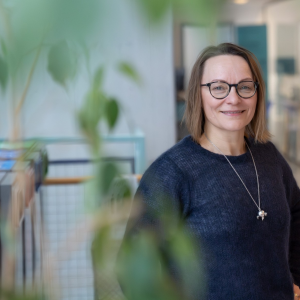
Dr Susanna Ragnhild Andersdatter Siri
Susanna Ragnhild Andersdatter Siri, or Fimben-áilluántte ja Gáren-niillasmáhteristena Susánna, is a Northern Sámi researcher at the Centre for Sámi Health Research (CSHR) at UiT The Arctic University of Norway. She holds a PhD in epidemiology and studies cardiovascular health among Norwegian Sámi populations. Her research explores the intersections of health sciences, Sámi research ethics, and data governance, with particular attention to Sámi self-determination and culturally sensitive research practices. She co-founded the GIDA-Sápmi network, which promotes Sámi research data sovereignty…
 Dr Coen Hird
lutruwita
University of Queensland
Environmental scientist and ARC DAATSIA Fellow
Coen Hird is a trawlwoolway pakana related to northeast lutruwita (Briggs, Johnson, Hearps family) and is accountable…
Dr Coen Hird
lutruwita
University of Queensland
Environmental scientist and ARC DAATSIA Fellow
Coen Hird is a trawlwoolway pakana related to northeast lutruwita (Briggs, Johnson, Hearps family) and is accountable…
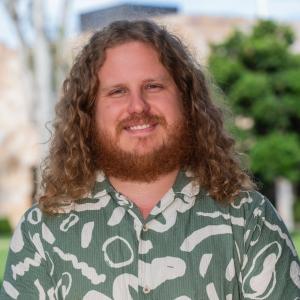
Dr Coen Hird
Coen Hird is a trawlwoolway pakana related to northeast lutruwita (Briggs, Johnson, Hearps family) and is accountable to the Tasmanian Aboriginal community. Coen grew up as a visitor to many lands in so-called Australia and currently is living on Yuggera land at Tulmur. Coen is an ARC DAATSIA Fellow in the School of the Environment at The University of Queensland. His research and teaching spans environmental sciences, animal ecology, Indigenous studies, and science and technology studies. Coen's work currently spans several connected areas: native stingless bee science; herpetofauna and…
 Professor Elisa Loncon Antileo
University of Santigo
Born in Lefweluan, a Mapuche community in Wallmapu, Chile, Elisa is a native speaker of Mapuzugun, the Mapuche…
Professor Elisa Loncon Antileo
University of Santigo
Born in Lefweluan, a Mapuche community in Wallmapu, Chile, Elisa is a native speaker of Mapuzugun, the Mapuche…
Professor Elisa Loncon Antileo
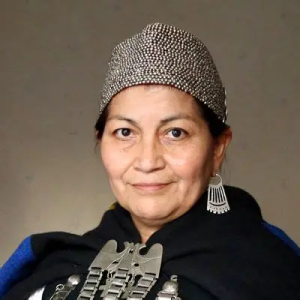
Born in Lefweluan, a Mapuche community in Wallmapu, Chile, Elisa is a native speaker of Mapuzugun, the Mapuche Indigenous language. She is a professor in the Department of Education at the University of Santiago in Chile. She holds a PhD in Humanities from Leiden University (the Netherlands), a PhD in Literature from the Pontifical Catholic University of Chile, and a Master's degree in Linguistics from the Metropolitan Autonomous University of Mexico. In 2021, Elisa served as President of the Chilean Constitutional Convention. She received the René Cassin International Human Rights Prize…
Emalani Case
Kanaka Maoli
Waipapa Taumata Rau, University of Auckland
Lecturer in Pacific Studies & Associate Head of School: Postgraduate Māori and Pacific Studies
Emalani Case is a lecturer in Pacific Studies in Te Wānanga o Waipapa, the School of Māori and Pacific Studies at…
Emalani Case
Emalani Case is a lecturer in Pacific Studies in Te Wānanga o Waipapa, the School of Māori and Pacific Studies at Waipapa Taumata Rau, The University of Auckland. As a Kanaka Maoli activist, teacher, and writer, she is deeply engaged in issues of Indigenous rights and representation, settler colonialism and decolonisation, militarism and demilitarisation, and environmental and social justice. Her work, including her teaching, is motivated by a desire to draw on Pacific and Indigenous knowledges and histories to reflect upon the past, promote action and solidarity in the present, and envision…
Dr. Joni Angeli-Gordon
Ngā Puhi, Ngāti Whātua, Te Roroa
Te Wānanga o Aotearoa
Director at Te Manawahoukura Rangahau Centre
Dr Joni Angeli-Gordon (Ngāpuhi, Ngāti Whātua, Te Roroa) is Te Paemanu | Director at Te Manawahoukura Rangahau Centre at…
Dr. Joni Angeli-Gordon
Dr Joni Angeli-Gordon (Ngāpuhi, Ngāti Whātua, Te Roroa) is Te Paemanu | Director at Te Manawahoukura Rangahau Centre at Te Wānanga o Aotearoa. Her research is an invitation to return to aroha as an intellectual discipline, to ancestral intelligence as method, and to gentle insistence as a transformative force. Working across Kaupapa Māori, Indigenous child development, Māori mindfulness (mauritau), educational psychology, and placefulness, Joni explores what it means for mokopuna and whānau to thrive — not in theory alone, but in lived, intergenerational, and embodied ways. Her work centres…
Other · Kē 244
See all 244 →
Associate Professor Esther Willing
Ngāti Toarangatira, Ngāti Koata , Ngā Ruahine
University of Otago
Associate Professor and Director Kōhatu Centre for Hauora Māori
Dr Esther Willing (Ngāti Toarangatira, Ngāti Koata, Ngā Ruahine) is an Associate Professor in Hauora Māori and the…
Associate Professor Esther Willing
Dr Esther Willing (Ngāti Toarangatira, Ngāti Koata, Ngā Ruahine) is an Associate Professor in Hauora Māori and the Director of Kōhatu Centre for Hauora Māori. Her research interests include health policy and health systems research and she is passionate about improving Māori health outcomes and addressing health inequities in Aotearoa.She currently is involved in research on immunisation uptake and coverage for hapu māmā and tamariki, guidelines for prioritising intensive care resources to support equity and discourse and framing of Māori health.
Arianna Nisa-Waller
Ngāi te Rangi, Ngāti Ranginui
Te Herenga Waka Victoria University of Wellington
Researcher, PhD Candidate
Arianna Nisa-Waller (Ngāi Te Rangi / Ngāti Ranginui) is a Māori researcher, Indigenous health educator, and…
Arianna Nisa-Waller
Arianna Nisa-Waller (Ngāi Te Rangi / Ngāti Ranginui) is a Māori researcher, Indigenous health educator, and storyteller. My mahi centres whānau wellbeing, Indigenous parenting journeys and relational models of care. My expertise sits within kaupapa Māori research, maternal and perinatal wellbeing, visual and narrative methodologies, and community-led approaches to healing and transformation. Through my doctoral rangahau, Pīkau ki Tua, I explored how ancestral parenting practices and intergenerational knowledge can illuminate new possibilities for whānau wellbeing in Aotearoa.
Professor Albert L.Refiti
Samoan
Auckland University of Technology (AUT)
Professor
Leali’ifano Dr Albert Refiti is the leader in critical studies research on spatial design and architectural…
Professor Albert L.Refiti
Leali’ifano Dr Albert Refiti is the leader in critical studies research on spatial design and architectural environments in the Pacific, with a focus on material culture and ethnography on the subject. He advanced the discipline by creating a method of spatial exposition to examine the notion of vā (space) and wā (time) as central mechanisms to understand Pacific societies and their buildings, artefacts and social system.Dr Refiti practised architecture in Auckland (1990, 1994-2002) and London (1991-1993) before beginning his academic career at Auckland University of Technology in 2002. He…