About this research
Summary
Universities in Aotearoa hold a vast, largely unmapped, collection of Māori data. With that, these institutions are in positions of power to control the ways in which Māori data is collected, stored, accessed and used, often without meaningful involvement from Māori communities. Organised across three objectives, this project explores how Māori data governance can be strengthened within academic policy and institutional contexts in ways which give effect to Māori Data Sovereignty for Māori hāpori, hapū and iwi.
The first objective investigates the potential for Machine Learning to identify and locate Māori research data held within universities.
Objective two examines existing approaches to Māori data governance within a university context and identifies opportunities to bring institutional policies and practices into alignment with Te Kāhui Raraunga's Māori Data Governance Model.
The third objective focuses on the relationships between Māori rightsholders and their data, exploring how Māori aspirations for MDSov can be at the centre of all decision-making.
Research Question
- What are prominent factors that enable whānau and reo communities to flourish in Aotearoa?
- How do the intersections between te reo Māori, psychological well-being, economic security, connection to whānau/whakapapa/whenua, education, and community impact on te reo Māori acquisition and use?
- What are the attributes of successful kaupapa that are providing reo change in our communities?
Lead Researcher
Dr. Kiri West, The University of Auckland – Waipapa Taumata Rau
Research team
Dr Paul Brown, Tainui, Ngāti Hikairo University of Waikato – Te Whare Wānanga o Waikato
Dr Dion O’Neale, Tauiwi, Nicholson Consulting
Assoc Prof. Te Taka Keegan, Waikato-Maniapoto,Ngāti Porou, Ngāti Whakaue, University of Waikato – Te Whare Wānanga o Waikato
Dr Daniel Wilson, Ngāpuhi, Ngāti Pikiao, University of Auckland – Waipapa Taumata Rau
Tracey Maniapoto, University of Auckland – Waipapa Taumata Rau
Dr Maree Sheehan, Ngāti Maniapoto-Waikato, Ngāti Tuwharetoa, Ngāti Tahu-Ngāti Whaoa, Raukawa
Te Wānanga o Aotearoa
Te Mihinga Komene, Te Wānanga o Aotearoa
Dr Kim Southey, Ngāti Porou, Ngāti Kuia, Ngāti Koata, Te Wānanga o Aotearoa
Aamon Apiata, University of Waikato – Te Whare Wānanga o Waikato
Universities in Aotearoa hold a vast, largely unmapped, collection of Māori data. With that, these institutions are in positions of power to control the ways in which Māori data is collected, stored, accessed and used, often without meaningful involvement from Māori communities. Organised across three objectives, this project explores how Māori data governance can be strengthened within academic policy and institutional contexts in ways which give effect to Māori Data Sovereignty for Māori hāpori, hapū and iwi.
The first objective investigates the potential for Machine Learning to identify and locate Māori research data held within universities.
Objective two examines existing approaches to Māori data governance within a university context and identifies opportunities to bring institutional policies and practices into alignment with Te Kāhui Raraunga's Māori Data Governance Model.
The third objective focuses on the relationships between Māori rightsholders and their data, exploring how Māori aspirations for MDSov can be at the centre of all decision-making.
Kairangahau · Researchers
 Dr Dion O’Neale
Nicholson Consulting
Dion O’Neale is a Principal Data Scientist at Nicholson Consulting. With a background in Mathematics and Physics, Dion…
Dr Dion O’Neale
Nicholson Consulting
Dion O’Neale is a Principal Data Scientist at Nicholson Consulting. With a background in Mathematics and Physics, Dion…
Dr Dion O’Neale
 Professor Te Taka Keegan
Waikato-Maniapoto, Ngāti Porou, Ngāti Whakaue
University of Waikato
Nō Waikato-Maniapoto, nō Ngāti Porou, nō Ngāti Whakaue hoki.Kei Ngāhinapōuri e noho ana, kei te pūtake o te maunga o…
Professor Te Taka Keegan
Waikato-Maniapoto, Ngāti Porou, Ngāti Whakaue
University of Waikato
Nō Waikato-Maniapoto, nō Ngāti Porou, nō Ngāti Whakaue hoki.Kei Ngāhinapōuri e noho ana, kei te pūtake o te maunga o…
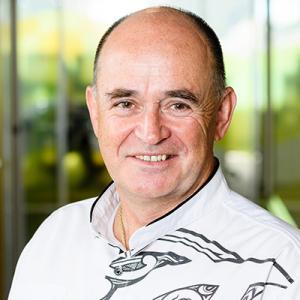
Professor Te Taka Keegan
 Dr Daniel Wilson
Ngāpuhi, Ngāti Pikiao
Ngā Pae o te Māramatanga
Daniel Wilson (Ngāpuhi, Ngāti Pikiao) is a lecturer in Computer Science at Waipapa Taumata Rau | University of…
Dr Daniel Wilson
Ngāpuhi, Ngāti Pikiao
Ngā Pae o te Māramatanga
Daniel Wilson (Ngāpuhi, Ngāti Pikiao) is a lecturer in Computer Science at Waipapa Taumata Rau | University of…
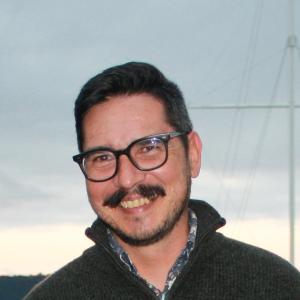
Dr Daniel Wilson
Aamon Hāwea Apiata
Ngāti Kura, Ngāpuhi, Ngāti Toarangatira
University of Waikato
Hāwea Apiata (Ngāti Kura, Ngāpuhi, Ngāti Toarangatira) currently works as the Poukōkiri Mātauranga Toi based in Te Iho…
Aamon Hāwea Apiata
Ētahi atu · Other projects
Motiti Marae and Tapuiwahine A12 whenua are full of unseen stories, rhythms, and vibrational energies. This research brought together cutting-edge sonic mapping and LiDar scanning technologies to explore the ecosystems and acoustic heritage of these ancestral lands. In partnership with local hapū, marae, and iwi, the project captured both the seen and the…
View projectMotiti Marae and Tapuiwahine A12 whenua landblocks: The seen and the unseen – Exploring whenua and waterways ecosystems through sonic mapping and LiDar scanning technologies.
Motiti Marae and Tapuiwahine A12 whenua are full of unseen stories, rhythms, and vibrational energies. This research brought together cutting-edge sonic mapping and LiDar scanning technologies to explore the ecosystems and acoustic heritage of these ancestral lands. In partnership with local hapū, marae, and iwi, the project captured both the seen and the unheard — illuminating the mauri of the whenua and awa in powerful new ways.
Kairangahau · Researchers
-
Dr Maree Sheehan
Dr Maree Sheehan
-
Dr Valance Smith
Dr Valance Smith
-
Professor Maui Hudson
Professor Maui Hudson
Maui Hudson (Whakatōhea, Ngāruahine, and Te Māhurehure) is an interdisciplinary researcher working on Indigenous ethics, Indigenous data sovereignty, and the challenges of working at the interface of mātauranga Māori and science. He is currently the Co-Director of the Te Kotahi Research Institute working on projects around Indigenous Trade, benefit sharing, and improving research practices when working with Indigenous communities. Maui is a founding member of Te Mana Raraunga Māori Data Sovereignty Network and the Global Indigenous Data Alliance as well as a co-author of the CARE Principles… -
Associate Professor Claudio Aguayo
Associate Professor Claudio Aguayo
Claudio Aguayo is an Associate Professor in Digital Innovation in Education at Te Ara Poutama, the Faculty of Māori and Indigenous Development at Auckland University of Technology (AUT). With a background in Biology and a PhD in Science & Technology Education, Claudio’s work bridges human-computer interaction (HCI), user experience (UX) design, cross-cultural responsive design, and critical design in digital learning environments. As Director of AUT's AppLab, Claudio leads projects exploring emerging technologies for educational transformation and curriculum innovation. His research-driven…
Inspired by an ancient mōteatea and grounded in the living whenua of Ngāti Porou, He Uru Mānuka is a creative cultural mapping project breathing new life into ancestral knowledge. As climate shifts reshape the Waiapu River, we pair traditional practice with modern technologies to document, protect, and uplift the mauri of the land, the waters, and the…
View projectHe Uru Mānuka — Creative cultural mapping and ‘restorying’ networked relations on the Waiapu River
Inspired by an ancient mōteatea and grounded in the living whenua of Ngāti Porou, He Uru Mānuka is a creative cultural mapping project breathing new life into ancestral knowledge. As climate shifts reshape the Waiapu River, we pair traditional practice with modern technologies to document, protect, and uplift the mauri of the land, the waters, and the stories in between.
Kairangahau · Researchers
-
Graeme Atkins
Graeme Atkins
-
Lionel Matenga
Lionel Matenga
-
Associate Professor Alex Monteith
Associate Professor Alex Monteith
Alex MonteithBorn Béal Feirste Belfast, Na Sé Chontae Northern Ireland;Lives at Te Piha, Aotearoa New Zealand. Alex Monteith is a multi-disciplinary artist, filmmaker, and Associate Professor whose practice intersects environmental activism, oceanic geographies, and contemporary art. Born in Éire/Ireland during the Na Trioblóidí (the troubles) she migrated to Aotearoa/New Zealand in the ‘80’s with family. A former Irish National Women's Surfing Champion (2001), she draws on her intimate knowledge of marine environments to create large-scale artistic interventions addressing colonial impacts… -
Dr Maree Sheehan
Dr Maree Sheehan
-
Dean Savage
Dean Savage
PhD Candidate: Jennifer Tokomauri McGregor (Ngati Raukawa (Waikato)) Primary Supervisor(s): Dr. Alayne Mikahere-Hall Background: Despite being a long-term government priority, the inequity of Māori nurses in the health workforce is long-standing, suggesting that that recruitment and retention of Māori into the nursing workforce is problematic. Māori nurses…
View projectKawa Whakaruruhau: Culturally-safe spaces for Māori nurse practice development
Kairangahau · Researchers
-
Associate Professor Alayne Mikahere-Hall
Associate Professor Alayne Mikahere-Hall
Rātonga Hapori | Community ServiceAssociate Professor Mikahere-Hall (Ngāti Whatua, Te Rarawa, Tainui-Maniapoto) maintains a strong commitment to her whānau and hapū marae and has provided long‑standing leadership within Whaiora Marae in Ōtara, serving on the Board of Trustees since 2014 and as Chair for the past eight years. She is deeply involved in Māori communities through both urban and rural marae and is an active member of Te Kotahi a Tāmaki, an Auckland‑based marae collective "The mission of Te Kotahi a Tāmaki is to reinforce marae as centres of cultural excellence and enterprise. The…