About this research
Project Summary
Māori (and Indigenous) women engage in embodied relationship with the natural environment in a range of ways, such as raranga, rongoā, or physical activity. This research explored what these embodied relationships can teach us about the potential for reciprocal healing between wahine and whenua, person and place, by developing a network of Māori and Indigenous women and prioritising mātauranga wāhine.
The project ran wānanga and active conversations with wāhine to understand how they engage physically in place and explore traditional and contemporary mātauranga wāhine that can inform potential healing relationships. This research aimed to explore the knowledges (kōrero tuku iho) that are centred around wāhine, their embodied connection to te taiao, and the healing potential that lies in a reciprocally beneficial relationship – one that our tupuna would have intrinsically been aware of and active participants in. Using questions developed from huahuatau in Heke (2022), the research explored the impact of wāhine and their embodied relationships to places and spaces of significance, and further explore how engaging with te taiao can influence the way we care for te taiao and how it can care for us.
This project was the start of a larger project aimed at building a network of Māori and Indigenous women’s narratives and practices around nurturing and sustaining te taiao, land, country, place, and subsequently nurturing and sustaining ourselves.
Research Questions
How can the knowledge that wāhine hold/practice about embodied relationship with te taiao/place facilitate reciprocal healing/hauora?
What is the current impact of these activities and how might we seek to measure this impact for flourishing communities?
Lead Researcher
Dr Deborah Heke, Ngā Puhi, Te Arawa, AUT University
Research Team
Professor Helen Moewaka-Barnes, Te Kapotai, Ngapuhi-nui-tonu, Massey University
Meretini Bennett-Huxtable, Te Iwi Roa o Mōkai Pātea, Raukawa au ki te Tonga, Atihaunuiapaparangi, Ngāti Rangi, Maniapoto, Tainui-Waikato, Tuwharetoa, Te Arawa, Te Ora a Whiro Ltd
Dr Melissa Vera, Tsm'syen/Yaqui First Nations, Washington State University
Lillian Bartlett, Ngati Tūwharetoa, Te Whānau Apanui, Te Arawa, AUT University
Highlights
- Holding successful wānanga
- Conference presentations
- Securing co-funding
Māori (and Indigenous) women engage in embodied relationship with the natural environment in a range of ways, such as raranga, rongoā, or physical activity. This research explored what these embodied relationships can teach us about the potential for reciprocal healing between wahine and whenua, person and place, by developing a network of Māori and Indigenous women and prioritising mātauranga wāhine.
Kairangahau · Researchers
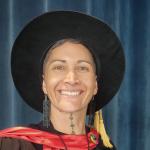 Associate Professor Deborah Heke
Ngā Puhi, Te Arawa
Te Whare Wananga o Wairaka Unitec
Associate Professor Deborah Heke (Ngā Puhi, Te Arawa) is the Director of Ngā Wai a Te Tūī Māori and Indigenous Research…
Associate Professor Deborah Heke
Ngā Puhi, Te Arawa
Te Whare Wananga o Wairaka Unitec
Associate Professor Deborah Heke (Ngā Puhi, Te Arawa) is the Director of Ngā Wai a Te Tūī Māori and Indigenous Research…
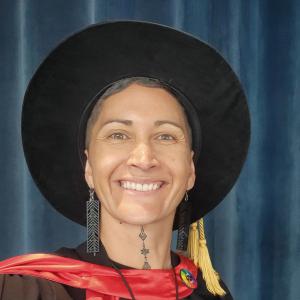
Associate Professor Deborah Heke
 Professor Helen Moewaka Barnes FRSNZ
Ngāti Wai, Ngāti Hine, Ngāti Manu
Massey University
Professor Helen Moewaka Barnes is based out of Massey University and is currently Director of Whāriki and Co-director…
Professor Helen Moewaka Barnes FRSNZ
Ngāti Wai, Ngāti Hine, Ngāti Manu
Massey University
Professor Helen Moewaka Barnes is based out of Massey University and is currently Director of Whāriki and Co-director…
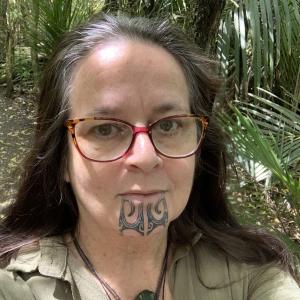
Professor Helen Moewaka Barnes FRSNZ
Ētahi atu · Other projects
Māori have a long association with the natural environment and are well-positioned to make important contributions to sustainably managing natural resources in New Zealand and the world. Kaitiakitanga and other practices provide a powerful foundation for developing paradigms in governance, management, caring, development and benefit-sharing of land, water…
View projectTe Aho Tapu
Kairangahau · Researchers
-
Professor Helen Moewaka Barnes FRSNZ
Professor Helen Moewaka Barnes FRSNZ
Professor Helen Moewaka Barnes is based out of Massey University and is currently Director of Whāriki and Co-director of the SHORE and Whariki Research Centre. She has worked on research in many areas; more recently relationships between the health of people and the health of environments, sexual coercion, alcohol and youth well-being and identity. Her work is both qualitative and quantitative and she is also involved in developing research within Māori paradigms. Helen is a long time NPM researcher and is now a NPM Theme Leader (Te Tai Ao - Natural Environment ) and member of our Research… -
 Mr. Garth Harmsworth
Mr. Garth Harmsworth
Garth Harmsworth is a senior environmental scientist based in Palmerston North and has worked for Manaaki Whenua-Landcare Research since 1992. His professional career spans over 38 years in resource management, land resource assessment, national environmental databases, GIS applications, and indigenous research. Garth pioneered much of the Māori led research in Manaaki Whenua-Landcare Research Ltd., working on a wide range projects with Māori organisations, Government agencies, regional councils, industry, and communities throughout New Zealand, particularly in the areas of land use planning… -
Wendy Henwood
Wendy Henwood
-
Dr Gail Tipa
Dr Gail Tipa
Gail Tipa (Kai Tahu) completed a BA at the University of Otago and taught for six years at schools in Dunedin and the Taieri before completing a Master's degree in Resource and Regional Planning. She then worked in the planning field firstly for Electricity Corporation of New Zealand and then for the Southern Regional Health Authority.In 1996 Gail began consultancy work, being involved with the Ngai Tahu claim and other iwi resource management projects.Since 1996 Gail has increasingly focused on work that enhances Maori aspirations. This includes representation of her rununga and iwi on…
This project explores how mātauranga Māori can strengthen climate change responses in Aotearoa. By analysing policy and interviewing experts working in te taiao initiatives, the research aims to identify how government approaches support—or limit—Māori-led action. The findings aim to enhance Māori decision-making and climate health outcomes through…
View projectStrengthening the place and practice of mātauranga to support climate health outcomes in Aotearoa.
This project explores how mātauranga Māori can strengthen climate change responses in Aotearoa. By analysing policy and interviewing experts working in te taiao initiatives, the research aims to identify how government approaches support—or limit—Māori-led action. The findings aim to enhance Māori decision-making and climate health outcomes through Indigenous knowledge and leadership.
Kairangahau · Researchers
-
Summer Wright
Summer Wright
-
Assoc Professor Rhys Jones
Assoc Professor Rhys Jones
Dr Rhys Jones (Ngāti Kahungunu) is a Public Health Physician and Associate Professor in Te Kupenga Hauora Māori (TKHM). As Co-Director of Teaching in TKHM, he contributes to oversight of Māori Health teaching, learning and assessment in the Faculty of Medical and Health Sciences. He has a strong track record of leadership in teaching and learning, which was nationally recognised when he received the Prime Minister’s Supreme Award for Tertiary Teaching Excellence in 2020.Rhys’s research broadly addresses Indigenous health and health equity. In 2005-06, he was a Harkness Fellow in Health Care… -
Professor Helen Moewaka Barnes FRSNZ
Professor Helen Moewaka Barnes FRSNZ
Professor Helen Moewaka Barnes is based out of Massey University and is currently Director of Whāriki and Co-director of the SHORE and Whariki Research Centre. She has worked on research in many areas; more recently relationships between the health of people and the health of environments, sexual coercion, alcohol and youth well-being and identity. Her work is both qualitative and quantitative and she is also involved in developing research within Māori paradigms. Helen is a long time NPM researcher and is now a NPM Theme Leader (Te Tai Ao - Natural Environment ) and member of our Research… -
Associate Professor Christina Mckerchar
Associate Professor Christina Mckerchar
Christina Mckerchar is of Ngāti Kahungunu, Tūhoe, and Ngāti Porou descent. She trained as a nutritionist and worked for a number of years for Te Hotu Manawa Māori, a national Māori Health provider, before her academic career. Her research has focused broadly on the right to healthy food. She has researched the food environment, especially food availability and marketing, food security and food sovereignty, and other aspects of public health that impact hauora Māori, including alcohol, transport, and housing.Christina is a member of Climate Health Aotearoa, and is on the Food Expert panel for…
Māori doctoral scholars often face significant challenges in universities dominated by Western academic traditions. These environments can clash with Māori cultural values and needs, reflecting colonial legacies that marginalise Indigenous knowledge and methodologies. To address these challenges, the Te Kupenga o MAI (MAI) programme was created in the late…
View projectTahatū-o-te-rangi: a study of the experiences and contributions of MAI Te Kupenga PhD scholars
Māori doctoral scholars often face significant challenges in universities dominated by Western academic traditions. These environments can clash with Māori cultural values and needs, reflecting colonial legacies that marginalise Indigenous knowledge and methodologies. To address these challenges, the Te Kupenga o MAI (MAI) programme was created in the late 1990s by Professor Graham Smith. This initiative supports Māori and Indigenous PhD students across Aotearoa New Zealand, providing mentorship, resources, and community connections grounded in Māori cultural values. MAI helps reduce isolation and creates culturally safe spaces for Māori scholars to succeed academically while maintaining their cultural identity.
This research focuses on understanding the long-term impact of the MAI programme by examining the experiences of recent Māori PhD graduates. It aims to explore their motivations, challenges, and the role MAI played in supporting them, as well as their career pathways and contributions to their communities after completing their studies. The findings will inform future efforts to support Māori doctoral scholars, ensuring they thrive in academia and contribute meaningfully to their whānau, hapū, iwi, and society.
Kairangahau · Researchers
-
Associate Professor Deborah Heke
Associate Professor Deborah Heke
Associate Professor Deborah Heke (Ngā Puhi, Te Arawa) is the Director of Ngā Wai a Te Tūī Māori and Indigenous Research Centre at Unitec. With a background in Exercise Physiology, Psychology, and Public Health, her current research centres on Mana Wahine scholarship. Recent work includes an exploration of Māori and Indigenous women’s embodied practices and physical activity in te taiao as a means for connecting, communicating, and healing. Deborah is also passionate about building the capability and capacity of Māori and Indigenous (future) scholars and providing spaces for Indigenous… -
 Associate Professor Hinekura Smith
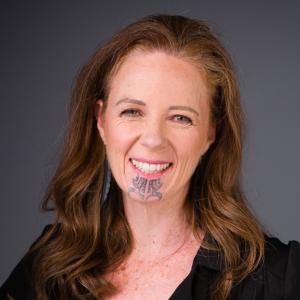
Associate Professor Hinekura Smith
Dr Hinekura Smith (Te Rarawa, Ngāpuhi) is NPM's Emerging Researchers’ Leader, providing further national leadership and coordination of MAI Te Kupenga and developing and nurturing initiatives that contribute to the outcomes and objectives of NPM’s Capability and Capacity Strategy.Hinekura was initially a secondary school te reo Māori teacher then moved into teacher education research almost 10 years ago, when she commenced her postgraduate studies. She has worked as a professional development facilitator in Māori medium schools, te reo Māori facilitator in English-medium schools and a… -
 Dr Tim West-Newman
Dr Tim West-Newman
Tim West-Newman develops and implements technical business solutions including websites for Ngā Pae o te Māramatanga. Tim has a PhD in Human Computer Interaction and has worked mainly in web and information technology systems development, having worked in The University of Auckland and AUT University, as well as an independent contractor for various organisations. -
 Associate Professor Lara Greaves

Associate Professor Lara Greaves
Associate Professor Lara Greaves (Ngāpuhi, Pākehā, Tararā) is an associate professor in politics at Victoria University of Wellington and a senior research fellow in statistics at the University of Auckland.She is a Royal Society of New Zealand Rutherford Discovery Fellow (2024-2029), investigating improvements to democracy and participation in New Zealand, particularly focusing on Māori and intersectionality.With colleague Dr Rituparna Roy, she co-leads a work package or EU-CIEMBLY, funded by Horizon Europe. The project seeks to make citizens' assemblies more inclusive, also focusing on…