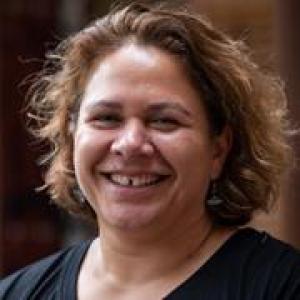
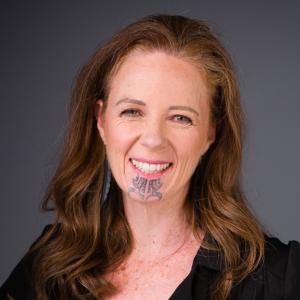
 Associate Professor Hinekura Smith
" loading="lazy" decoding="async">
Associate Professor Hinekura Smith
" loading="lazy" decoding="async">
Associate Professor
Dr Hinekura Smith (Te Rarawa, Ngāpuhi) is NPM's Emerging Researchers’ Leader, providing further national leadership and coordination of MAI Te Kupenga and developing and nurturing initiatives that contribute to the outcomes and objectives of NPM’s Capability and Capacity Strategy.
Hinekura was initially a secondary school te reo Māori teacher then moved into teacher education research almost 10 years ago, when she commenced her postgraduate studies. She has worked as a professional development facilitator in Māori medium schools, te reo Māori facilitator in English-medium schools and a professional teaching fellow at Te Puna Wānanga, School of Māori and Indigenous Education. Since February 2017 she has been a lecturer and academic developer Māori at the Centre for Learning and Research in Higher Education, University of Auckland.
Her research grounded in kaupapa Māori theory, includes the reclamation and revitalisation of Māori language, culture and identity - particularly for Māori women and children as well as the development of qualitative Kaupapa Māori and art-based methodologies.
From 2018-2020 Hinekura is a co-Principal Investigator on a 2 year intercultural Ako Aotearoa project named He Vaka Moana, which is focused on developing and evaluating an inter-institutional Oceanic research fellowship to support Māori and Pasifika student success and retention.
Rangahau · Related projects
Māori doctoral scholars often face significant challenges in universities dominated by Western academic traditions. These environments can clash with Māori cultural values and needs, reflecting colonial legacies that marginalise Indigenous knowledge and methodologies. To address these challenges, the Te Kupenga o MAI (MAI) programme was created in the late…
View projectTahatū-o-te-rangi: a study of the experiences and contributions of MAI Te Kupenga PhD scholars
Māori doctoral scholars often face significant challenges in universities dominated by Western academic traditions. These environments can clash with Māori cultural values and needs, reflecting colonial legacies that marginalise Indigenous knowledge and methodologies. To address these challenges, the Te Kupenga o MAI (MAI) programme was created in the late 1990s by Professor Graham Smith. This initiative supports Māori and Indigenous PhD students across Aotearoa New Zealand, providing mentorship, resources, and community connections grounded in Māori cultural values. MAI helps reduce isolation and creates culturally safe spaces for Māori scholars to succeed academically while maintaining their cultural identity.
This research focuses on understanding the long-term impact of the MAI programme by examining the experiences of recent Māori PhD graduates. It aims to explore their motivations, challenges, and the role MAI played in supporting them, as well as their career pathways and contributions to their communities after completing their studies. The findings will inform future efforts to support Māori doctoral scholars, ensuring they thrive in academia and contribute meaningfully to their whānau, hapū, iwi, and society.
Kairangahau · Researchers
-
 Associate Professor Deborah Heke
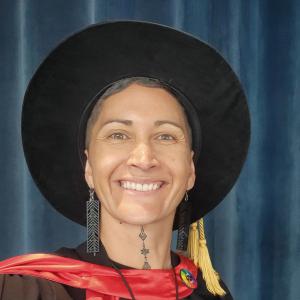
Associate Professor Deborah Heke
Associate Professor Deborah Heke (Ngā Puhi, Te Arawa) is the Director of Ngā Wai a Te Tūī Māori and Indigenous Research Centre at Unitec. With a background in Exercise Physiology, Psychology, and Public Health, her current research centres on Mana Wahine scholarship. Recent work includes an exploration of Māori and Indigenous women’s embodied practices and physical activity in te taiao as a means for connecting, communicating, and healing. Deborah is also passionate about building the capability and capacity of Māori and Indigenous (future) scholars and providing spaces for Indigenous… -
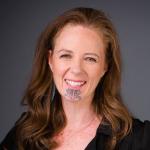 Associate Professor Hinekura Smith
Associate Professor Hinekura Smith
Dr Hinekura Smith (Te Rarawa, Ngāpuhi) is NPM's Emerging Researchers’ Leader, providing further national leadership and coordination of MAI Te Kupenga and developing and nurturing initiatives that contribute to the outcomes and objectives of NPM’s Capability and Capacity Strategy.Hinekura was initially a secondary school te reo Māori teacher then moved into teacher education research almost 10 years ago, when she commenced her postgraduate studies. She has worked as a professional development facilitator in Māori medium schools, te reo Māori facilitator in English-medium schools and a… -
 Dr Tim West-Newman
Dr Tim West-Newman
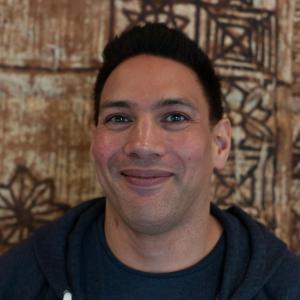
Tim West-Newman develops and implements technical business solutions including websites for Ngā Pae o te Māramatanga. Tim has a PhD in Human Computer Interaction and has worked mainly in web and information technology systems development, having worked in The University of Auckland and AUT University, as well as an independent contractor for various organisations. -
 Associate Professor Lara Greaves
Associate Professor Lara Greaves
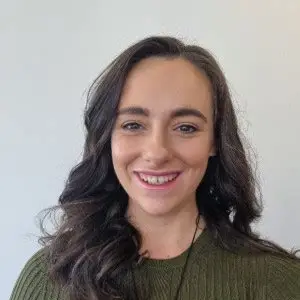
Associate Professor Lara Greaves (Ngāpuhi, Pākehā, Tararā) is an associate professor in politics at Victoria University of Wellington and a senior research fellow in statistics at the University of Auckland.She is a Royal Society of New Zealand Rutherford Discovery Fellow (2024-2029), investigating improvements to democracy and participation in New Zealand, particularly focusing on Māori and intersectionality.With colleague Dr Rituparna Roy, she co-leads a work package or EU-CIEMBLY, funded by Horizon Europe. The project seeks to make citizens' assemblies more inclusive, also focusing on…
He Kahu Kōrero – Cloaks that Speak will be an accessible scholarly book celebrating the art of whatu kākahu and the transformative journeys of six Māori women and their whānau.
View projectHe Kahu Kōrero – Cloaks that speak
He Kahu Kōrero – Cloaks that Speak will be an accessible scholarly book celebrating the art of whatu kākahu and the transformative journeys of six Māori women and their whānau.
This nationwide research programme set out to deepen our understanding of the experiences, challenges, and contributions of Māori PhD graduates across Aotearoa. By tracing the post-graduation journeys of nearly 800 Māori doctoral scholars, the study aimed to highlight their intellectual, cultural, social and economic impact—within whānau, hapū, iwi and…
View projectPromising Futures Te Kawau Mārō: The Lifeworlds of highly qualified Māori - a cohort study of Māori PhD students and graduates
This nationwide research programme set out to deepen our understanding of the experiences, challenges, and contributions of Māori PhD graduates across Aotearoa. By tracing the post-graduation journeys of nearly 800 Māori doctoral scholars, the study aimed to highlight their intellectual, cultural, social and economic impact—within whānau, hapū, iwi and beyond.
Although the programme has since been disestablished, its kaupapa remains vital: to inform new models of Māori leadership and participation across academia, government, iwi development, and civil society.
Kairangahau · Researchers
-
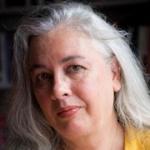 Professor Joanna Kidman
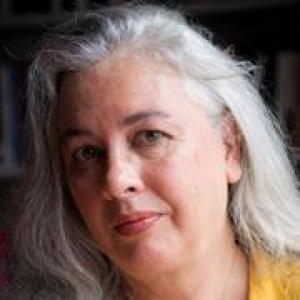
Professor Joanna Kidman
Joanna is a sociologist with affiliations to Ngāti Maniapoto and Ngāti Raukawa. Her work spans indigenous sociology, Māori youth, higher education, decolonization studies and comparative education. She is especially interested in the interplay of power relations between different groups of people. Joanna is working on two Marsden projects: He Taonga te Wareware: Remembering and Forgetting New Zealand’s Colonial Past investigates how New Zealanders selectively remember and forget difficult and violent events from our colonial past; and What Inspires and Sustains Young People's Engagement in… -
 Research Professor Reremoana Theodore
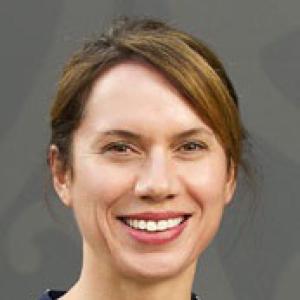
Research Professor Reremoana Theodore
Research Professor Reremoana (Moana) Theodore (Ngāpuhi) joined the Dunedin Study team in 1998 as an interviewer on the age-26 assessment phase (1998-99). She returned to the Study in 2007 and undertook post-doctoral research examining the early life predictors of cardiovascular outcomes including blood pressure, using longitudinal modelling techniques. Moana then worked on aligned longitudinal projects including the Graduate Longitudinal Study New Zealand and Te Kura Mai i Tawhiti (a programme of lifecourse research examining the long-term benefits of kaupapa Māori early childhood education… -
Associate Professor Hinekura Smith
Associate Professor Hinekura Smith
Dr Hinekura Smith (Te Rarawa, Ngāpuhi) is NPM's Emerging Researchers’ Leader, providing further national leadership and coordination of MAI Te Kupenga and developing and nurturing initiatives that contribute to the outcomes and objectives of NPM’s Capability and Capacity Strategy.Hinekura was initially a secondary school te reo Māori teacher then moved into teacher education research almost 10 years ago, when she commenced her postgraduate studies. She has worked as a professional development facilitator in Māori medium schools, te reo Māori facilitator in English-medium schools and a… -
 Dr Tara McAllister
Dr Tara McAllister
-
Dr Sereana Naepi
Dr Sereana Naepi
Toiora, Hauora is a Kaupapa Māori arts-based collaboration that theorises the pedagogy of Māori creative practices, specifically focusing on how Māori arts can support flourishing Māori whānau wellbeing.
View projectToiora, Hauora: Developing Māori arts-based pedagogy for whānau wellbeing
Toiora, Hauora is a Kaupapa Māori arts-based collaboration that theorises the pedagogy of Māori creative practices, specifically focusing on how Māori arts can support flourishing Māori whānau wellbeing.
Kairangahau · Researchers
-
Associate Professor Hinekura Smith
Associate Professor Hinekura Smith
Dr Hinekura Smith (Te Rarawa, Ngāpuhi) is NPM's Emerging Researchers’ Leader, providing further national leadership and coordination of MAI Te Kupenga and developing and nurturing initiatives that contribute to the outcomes and objectives of NPM’s Capability and Capacity Strategy.Hinekura was initially a secondary school te reo Māori teacher then moved into teacher education research almost 10 years ago, when she commenced her postgraduate studies. She has worked as a professional development facilitator in Māori medium schools, te reo Māori facilitator in English-medium schools and a… -
Associate Professor Donna Campbell
Associate Professor Donna Campbell
Donna Campbell (Ngāpuhi, Ngāti Ruanui) is a practicing artist and Associate Professor at the Faculty of Māori and Indigenous Studies at the University of Waikato. Donna’s PhD research focused on investigating embodied Indigenous knowledge in the art forms of Māori weaving arts, and creative practice as decolonizing spaces. Donna is a passionate practitioner in the fields of raranga and whatu creating sculptural garments and in situ installations.On- going current research is uncovering the embodied mātauranga Māori in the Māori sail housed in the British Museum, this project was funded by Te… -
Dr Jami Wilson
Dr Jami Wilson
Ētahi atu · Other people
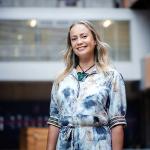 Dr Jade Le Grice
Ngāi Tupoto, Ngāti Korokoro, Te Pouka, Ngāti Wharara, Te Mahurehure
Waipapa Taumata Rau, University of Auckland
Jade Le Grice (Te Rarawa, Ngāpuhi) is a Senior Lecturer in the School of Psychology at the University of Auckland. Her…
Dr Jade Le Grice
Ngāi Tupoto, Ngāti Korokoro, Te Pouka, Ngāti Wharara, Te Mahurehure
Waipapa Taumata Rau, University of Auckland
Jade Le Grice (Te Rarawa, Ngāpuhi) is a Senior Lecturer in the School of Psychology at the University of Auckland. Her…
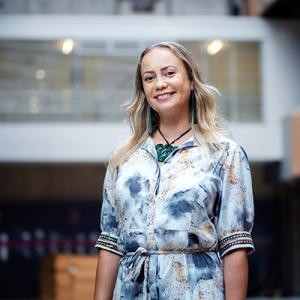
Dr Jade Le Grice
 Professor Peter Adds
Te Ātiawa
Te Herenga Waka Victoria University of Wellington
Peter Adds is an Associate Professor at Te Kawa a Maui - the School of Māori Studies at Victoria University of…
Professor Peter Adds
Te Ātiawa
Te Herenga Waka Victoria University of Wellington
Peter Adds is an Associate Professor at Te Kawa a Maui - the School of Māori Studies at Victoria University of…

Professor Peter Adds
 Associate Professor Hiria McRae
Te Arawa, Tūhoe, Ngāti Kahungunu
Te Herenga Waka Victoria University of Wellington
Hiria Mcrae (Te Arawa,Tūhoe,Ngāti Kahungunu) is an Associate Professor in the School of Education and Associate Dean…
Associate Professor Hiria McRae
Te Arawa, Tūhoe, Ngāti Kahungunu
Te Herenga Waka Victoria University of Wellington
Hiria Mcrae (Te Arawa,Tūhoe,Ngāti Kahungunu) is an Associate Professor in the School of Education and Associate Dean…