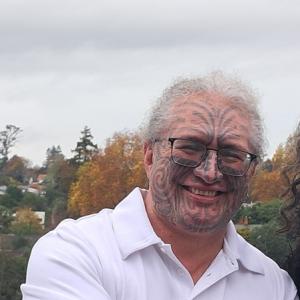
 Emeritus Professor Poia Rewi
" loading="lazy" decoding="async">
Emeritus Professor Poia Rewi
" loading="lazy" decoding="async">
Pouhere Kanapu
Happily married with children and mokos who make life so refreshing. My teaching, research and practice included Indigenous language revitalisation, te reo me ngā tikanga Māori, Māori oratory, Māori performing arts and Māori history and have spanned the University of Waikato 1990-2003 and the University of Otago 2023-2020. Poia has also held leadership roles at Te Taura Whiri i te Reo Māori and Te Mātāwai. And if he didn’t have 5 operations on his achilles tendon he would have definitely been an All Black and a competitor on Dancing with Stars.
Rangahau · Related projects
What does tikanga Māori mean in today’s context; how is tikanga Māori understood and practiced within iwi, hapū, whānau, marae and more broadly in our everyday practices and national institutions; and how can key Māori principles and practices such as wānanga, kaitiakitanga, hakairo Māori, and wairua Māori more holistically drive research, professional and…
View projectTikanga Māori and Our Lexicon
Kairangahau · Researchers
-
 Emeritus Professor Poia Rewi
Emeritus Professor Poia Rewi
Happily married with children and mokos who make life so refreshing. My teaching, research and practice included Indigenous language revitalisation, te reo me ngā tikanga Māori, Māori oratory, Māori performing arts and Māori history and have spanned the University of Waikato 1990-2003 and the University of Otago 2023-2020. Poia has also held leadership roles at Te Taura Whiri i te Reo Māori and Te Mātāwai. And if he didn’t have 5 operations on his achilles tendon he would have definitely been an All Black and a competitor on Dancing with Stars.
What existing research, collation, archivingand disseminating of knowledge specific to te reo me ngā tikanga Māori has been done to date across Aotearoa New Zealand within Māori communities, government agencies, and research institutions’, what additional strategies can be used to further support the normalising of te reo me ngā tikanga in the modern world…
View projectO Nāianei Tae Atu ki te Anamata: Normalising te Reo Māori and Culture in the Modern World
Kairangahau · Researchers
-
Emeritus Professor Poia Rewi
Emeritus Professor Poia Rewi
Happily married with children and mokos who make life so refreshing. My teaching, research and practice included Indigenous language revitalisation, te reo me ngā tikanga Māori, Māori oratory, Māori performing arts and Māori history and have spanned the University of Waikato 1990-2003 and the University of Otago 2023-2020. Poia has also held leadership roles at Te Taura Whiri i te Reo Māori and Te Mātāwai. And if he didn’t have 5 operations on his achilles tendon he would have definitely been an All Black and a competitor on Dancing with Stars.
How do we collectivise what we have for greater gain? How can we best create sustainable new te reo me ngā tikanga narrative led research to refresh, renew and recover te reo me ngā tikanga knowledge narratives and scholarships and support reo speaking communities and scholars and what national and institutional strategies are required to truly enable te…
View projectCollectivising Te Reo me Ngā Tikanga Rangahau Māori
Kairangahau · Researchers
-
Emeritus Professor Poia Rewi
Emeritus Professor Poia Rewi
Happily married with children and mokos who make life so refreshing. My teaching, research and practice included Indigenous language revitalisation, te reo me ngā tikanga Māori, Māori oratory, Māori performing arts and Māori history and have spanned the University of Waikato 1990-2003 and the University of Otago 2023-2020. Poia has also held leadership roles at Te Taura Whiri i te Reo Māori and Te Mātāwai. And if he didn’t have 5 operations on his achilles tendon he would have definitely been an All Black and a competitor on Dancing with Stars.
This summer internship project will identify occasions where haka, waiata and other oral art forms were commonly used as a form of expression, the frequency in which these occasions occurred and the purpose of these expressions for each situation. Each of these occasions employed a particular style of oral art form. In addition to collating information of…
View projectEmbedded expressions of a people
Kairangahau · Researchers
-
Emeritus Professor Poia Rewi
Emeritus Professor Poia Rewi
Happily married with children and mokos who make life so refreshing. My teaching, research and practice included Indigenous language revitalisation, te reo me ngā tikanga Māori, Māori oratory, Māori performing arts and Māori history and have spanned the University of Waikato 1990-2003 and the University of Otago 2023-2020. Poia has also held leadership roles at Te Taura Whiri i te Reo Māori and Te Mātāwai. And if he didn’t have 5 operations on his achilles tendon he would have definitely been an All Black and a competitor on Dancing with Stars. -
 Dr Karyn Paringatai
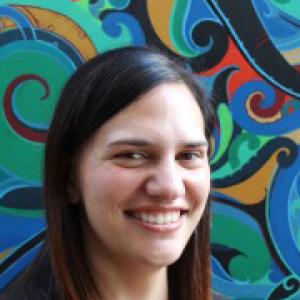
Dr Karyn Paringatai
Karyn's research interests are in a number of areas that intersect at various points. These are: sociological issues surrounding Māori urbanisation and Māori identity development and maintenance; Māori performing arts, particularly poi, the analysis of haka and waiata compositions and the role kapa haka plays in identity; grammatical aspects of the Māori language and second language acquisition; Māori language and Māori performing arts teaching methodologies. She is a co-director of an Otago Research Theme, Poutama Ara Rau, alongside Professor Jacinta Ruru (Faculty of Law) and Associate…
Te Reo Māori represents an amazing opportunity to New Zealand for its potential to enrich society and culture and transform the experience and consciousness of those who are exposed to and use the language. The Māori language is an official language of New Zealand and is indigenous to our country. It is part of our country’s national character and identity…
- Pūrongo 1: He Whenua Haumako – Te Kōhanga Reo, Te Ataarangi
- Pūrongo 2: Te Kōrerotia o te Reo Māori
- Pūrongo 3: Te Reo Māori me te Whānau
- Pūrongo 4: Te Reo Māori me te Hapori
- Pūrongo 5: Te Reo Māori me te Wāhi Mahi
- Pūrongo 6: Te Reo Māori me te Tuakiri ā-Motu
- Pūrongo 7: Te Reo Māori me ōna Ratonga
Pae Tawhiti: Te Kura Roa
Ētahi atu · Other people
 Associate Professor Jade Le Grice
Ngāi Tupoto, Ngāti Korokoro, Te Pouka, Ngāti Wharara, Te Mahurehure
Waipapa Taumata Rau, University of Auckland
Tēnā koutou kātoa, he uri ahau o Ngāpuhi me Te Rarawa. Ko Ngai Tupoto, Ngati Korokoro, Ngati Wharara, Te Pouka ngā…
Associate Professor Jade Le Grice
Ngāi Tupoto, Ngāti Korokoro, Te Pouka, Ngāti Wharara, Te Mahurehure
Waipapa Taumata Rau, University of Auckland
Tēnā koutou kātoa, he uri ahau o Ngāpuhi me Te Rarawa. Ko Ngai Tupoto, Ngati Korokoro, Ngati Wharara, Te Pouka ngā…
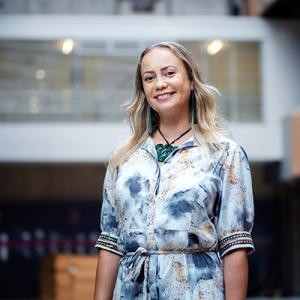
Associate Professor Jade Le Grice
 Associate Professor Hiria McRae
Te Arawa, Tūhoe, Ngāti Kahungunu
Te Herenga Waka Victoria University of Wellington
Hiria Mcrae (Te Arawa,Tūhoe,Ngāti Kahungunu) is an Associate Professor in the School of Education and Associate Dean…
Associate Professor Hiria McRae
Te Arawa, Tūhoe, Ngāti Kahungunu
Te Herenga Waka Victoria University of Wellington
Hiria Mcrae (Te Arawa,Tūhoe,Ngāti Kahungunu) is an Associate Professor in the School of Education and Associate Dean…
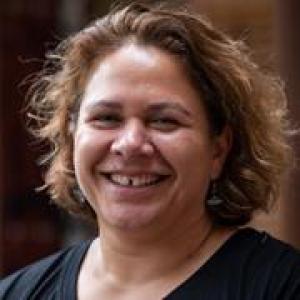
Associate Professor Hiria McRae
 Professor Peter Adds
Te Ātiawa
Te Herenga Waka Victoria University of Wellington
Peter Adds is an Associate Professor at Te Kawa a Maui - the School of Māori Studies at Victoria University of…
Professor Peter Adds
Te Ātiawa
Te Herenga Waka Victoria University of Wellington
Peter Adds is an Associate Professor at Te Kawa a Maui - the School of Māori Studies at Victoria University of…