About this research
In this platform research, our focus makes the distinction between ‘kai’ as a culturally defined Māori notion and western interpretations of ‘food’. “He moumou kai, he moumou tāngata” describes a state where our existence and futures as healthy Māori people (Mauri Ora: Human Flourishing) are put at risk because our kai sources (Te Tai Ao: The Natural Environment), including access to kai, growing kai, preparing kai, the lore/law pertaining to kai, and control of kai systems (Whai Rawa: Māori Economies) is diminishing. Without kai or wai the people will perish!
Western conceptions underpinning the politics of ‘food’ are generally unable to fully account for Māori understandings related to kai. For most countries the production and consumption of ‘food’ decisions are driven by economics, whereby the ‘food’ industry influences government policies, and takes control or sovereignty of local and national ‘food’ systems, which then limits a choice of what we eat, and threatens health and well-being.
This is reflected in Māori people’s burden of ill-health, for example prevalence of diabetes, heart conditions, mental health, plus other socio-economic impacts, such as high levels of under-achievement in education, high unemployment, lack of housing, homelessness, low or no income, violence and crime.
These conditions are often the result of the intersection of food politics, economic policies and the reproduction of the dominant societal power inequalities. This research will move beyond deficit explanations and will examine ways in which the politics of ‘food’ might be critically repositioned to enable Māori to proactively engage in re-establishing their cultural meanings in relation to kai and ultimately Māori social, cultural and economic well-being.
This research aims to develop a ‘collective framework’ incorporating āhuatanga Māori according to tikanga Māori for testing on case studies/projects that will enable Māori to protect and reclaim control over kai – a transforming framework that has at its core mātauranga Māori informed kai governance, systems of kai control, and engagement in the (re)production of kai.
This approach is consistent with a number of different rights based documents; first and foremost, the Treaty of Waitangi guarantees, or in particular, those related to the protection of forests, water and land resources; the United Nations instruments such as the Human Rights Declaration, the Declaration on the Rights of Indigenous People, and other international charters and documents.
This is a collaborative research platform that includes NPM partner institutions, community organisations and a Mātauranga Māori and Kai Expert Advisory Board.
Kairangahau · Researchers
 Dr Rāwiri Tinirau
Te Āti Haunui-ā-Pāpārangi, Ngāti Rangi, Ngāti Tūwharetoa, Ngā Rauru Kītahi , Ngāti Ruanui, Ngā Wairiki-Ngāti Apa, Ngāti Tūwharetoa, Ngāti Maru
Te Atawhai Te Ao
Te Āti Haunui-a-PāpārangiNgāti RangiNgā Rauru KītahiNgāti RuanuiNgā Wairiki-Ngāti ApaNgāti TūwharetoaNgāti MaruBachelor…
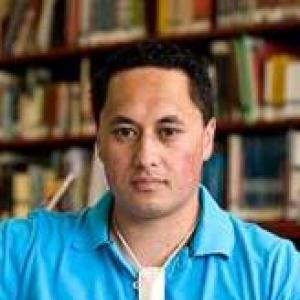
Dr Rāwiri Tinirau
 Fiona Wiremu
Tūhoe, Ngāti Ranginui
Whānau Āwhina Plunket
Fiona (Tūhoe, Ngāti Ranginui) joined Whānau Āwhina Plunket’s board in early 2022, with more than a decade of experience…
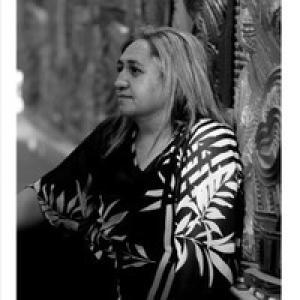
Fiona Wiremu
Ētahi atu · Other projects
This project marked the first phase of an initiative to support the long-term flourishing of rangatahi takatāpui within Te Ranga Tupua rohe (Whanganui, Rangitīkei, Ruapehu, and South Taranaki).
View projectWhakamana: Empowering well-being for rangatahi takatāpui - Phase 1
This project marked the first phase of an initiative to support the long-term flourishing of rangatahi takatāpui within Te Ranga Tupua rohe (Whanganui, Rangitīkei, Ruapehu, and South Taranaki).
Kairangahau · Researchers
-
Dr Rāwiri Tinirau
Dr Rāwiri Tinirau
Te Āti Haunui-a-PāpārangiNgāti RangiNgā Rauru KītahiNgāti RuanuiNgā Wairiki-Ngāti ApaNgāti TūwharetoaNgāti MaruBachelor of Business in Accountancy, Massey UniversityBachelor of Arts with Honours in Māori Studies, Massey UniversityPostgraduate Diploma in Business Administration, Massey UniversityDoctor of Philosophy in Management, Massey UniversityRāwiri joined Te Atawhai o Te Ao in 2017. His professional background and expertise lie in education, research, Māori project/business management, and governance. Through his role as Director, Rāwiri provides strategic leadership and management, and… -
 Professor Clive Aspin
Professor Clive Aspin (Ngāti Maru, Ngāti Whanaunga, Ngāti Tamaterā) was the inaugural Associate Dean Māori in the Faculty of Health at Te Herenga Waka – Victoria University of Wellington and is currently an adjunct professor in Health.He was born in Waiuku and grew up on his ancestral land of Hauraki. Clive is a Māori public health researcher whose work focuses on Māori and Indigenous health, HIV, sexuality, and suicide prevention. He was the Executive Research Officer at Ngā Pae o te Maramatanga, New Zealand’s centre of Māori research excellence.He served as a ministerial appointment to the… -
Morgan Tupaea
Morgan Tupaea
Morgan Tupaea is a kairangahau kaupapa Māori at Te Atawhai o Te Ao and doctoral candidate with Waipapa Taumata Rau. Morgan’s research prioritises reproductive justice, since 2017 involved in research exploring state care and protection, reproductive education, sexual violence prevention, policing within Aotearoa, and perinatal mental health. Through the guidance and awhi of Te Atawhai, Morgan has also been able to work alongside whānau researchers exploring whakapapa kōrero and Rainbow Organisations supporting the well-being of rangatahi takatāpui within Te Ranga Tupua. -
Dr. Logan Hamley
Dr. Logan Hamley
I had the immense privilege to join Whakauae in the season of Puanga in 2024. My background is in psychology, where I completed my PhD at the University of Auckland in 2023. This work explored how rangatahi tāne Māori find identity and belonging in Tāmaki-makaurau. This work with rangatahi is my passion, particularly with tāne and rangatahi takatāpui. I am extremely fortunate to have been supported by incredible Māori researchers throughout my undergraduate and postgraduate studies, who have shaped the way I approach research today. I love working in the Kaupapa Māori space, especially where… -
Cinnamon Lindsay Latimer
Cinnamon Lindsay Latimer
Ko Ngāti Porou, ko Ngāpuhi ōku iwiKo Te Whānau-a-Ruataupare, ko Ngāti Korokoro, ko Ngāti Wharara ōku hapūKo Tuatini, ko Pākirikiri, ko Pakanae ōku maraeKo Lindsay Latimer tōku whānauKo Cinnamon tōku ingoa. Cinnamon Lindsay Latimer joined Whakauae in 2023 after working as a community researcher in Māori Public Health, and as a RA at the University of Auckland. She holds a Master’s degree in Science (Psychology) from the University of Auckland and am passionate about critical qualitative Kaupapa Māori research. Cinnamon has been mentored and supervised by incredible wāhine Māori throughout her… -
Donna Tuwhangai
Donna Tuwhangai
Tangi is the ultimate form of Māori cultural and community expression. Addressing the dearth of scholarly information, this study considers tangi practice, whakapapa, changing environments, community values, sharing knowledge, ritual and what it means to be Māori. The research team has been examining the life-values, beliefs and practices related to…
View projectAituā: Death in a changing Māori World
Kairangahau · Researchers
-
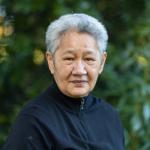 Professor Linda Waimarie Nikora FRSNZ, HFNZPS
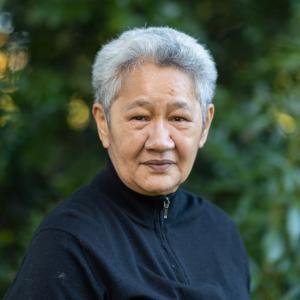
Professor Linda Waimarie Nikora FRSNZ, HFNZPS
Researcher and academic, Professor Linda Waimarie Nikora was formerly the Director of the Māori & Psychology Research Unit in the School of Psychology at the University of Waikato in New Zealand. In 2017, she became a Professor Indigenous Studies at the University of Auckland where she was also Co-Director of Ngā Pae o te Māramatanga, New Zealand’s Māori Centre of Research Excellence (2017-2025). She presently teaches in the Master's of Indigenous Studies programme and supervises dissertations, master's theses and PhDs.Her specialty interests are in the development of indigenous psychologies…
A new report from Ngā Pae o te Māramatanga (NPM) and Manaaki Whenua Landcare Research provides guidance for Te Ao Māori on climate change adaptation and mitigation. He huringa āhuarangi, he huringa ao: a changing climate, a changing world was produced by a multidisciplinary Māori research team working across many research institutions. Using a novel kaupapa…
View project