About this research
How can local tangata whenua be empowered to make the best decisions for sustainable management of Northland’s brown kiwi, and how can the isolated kiwi populations from Ipipiri (Eastern Bay of Islands) be managed to maintain local whakapapa and reduce the negative impact of small population sizes and inbreeding?
Management of taonga species is a costly and time-consuming process. To ensure the best outcomes, the practice of kaitiakitanga should be guided by the best possible information. Hapū from Ipipiri, primarily Te Patukea and Ngāti Kuta, were early to recognise the need for a deeper understanding of the whakapapa of local kiwi populations, using genetic tools, before management plans are implemented, and also how advancements in this area could serve as an example that could be applied to many other taonga species across the motu.
Working closely with these hapū, this project is applying recent advances in genome science accessible, and using these advanced tools of genetic analysis will improve understanding of the whakapapa, the history and health status of the Ipipiri kiwi, as well as the status of birds from mainland populations that could serve as donors for genetic rescue of the island birds. The project provides local tangata whenua with key information for decision-making regarding conservation efforts such as habitat preservation, translocations of birds between localities, and facilitation of interbreeding between isolated kiwi populations. This study is delivering information that will help ensure the future survival of this taonga.
Kairangahau · Researchers
 Dr Simon Hills
Ngāti Porou
Massey University
The overarching theme of my research is understanding the composition, distribution and evolutionary history of New…
Dr Simon Hills
Ngāti Porou
Massey University
The overarching theme of my research is understanding the composition, distribution and evolutionary history of New…

Dr Simon Hills
Ētahi atu · Other projects
Is harakeke one key to a sustainable future for Aotearoa and, if it is, how do we utilise it to develop this sustainable future? This project is examining the interface between mātauranga Māori and ecological science related to harakeke. The case study focuses on Lake Whakaki, in the northern Hawke’s Bay, and explores what the current ecological condition…
View projectHarakeke for a Sustainable Future in Whakaki
Kairangahau · Researchers
-
Dr Simon Hills
Dr Simon Hills
The overarching theme of my research is understanding the composition, distribution and evolutionary history of New Zealand’s unique ecosystems. My primary focus is the rich, and largely endemic, marine mollusc fauna. However, I apply my broadly ranging expertise in genomics, ecology and evolutionary biology, to a diverse range of research topics involving New Zealand’s biodiversity, both native and exotic. As a Māori scientist, I am increasingly focused on research collaborations with iwi/hapu. These projects generally involve working with Māori communities to build capacity and generate…
Tangi is the ultimate form of Māori cultural and community expression. Addressing the dearth of scholarly information, this study considers tangi practice, whakapapa, changing environments, community values, sharing knowledge, ritual and what it means to be Māori. The research team has been examining the life-values, beliefs and practices related to…
View projectAituā: Death in a changing Māori World
Kairangahau · Researchers
-
 Professor Linda Waimarie Nikora FRSNZ, HFNZPS
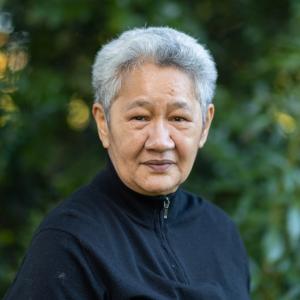
Professor Linda Waimarie Nikora FRSNZ, HFNZPS
Linda Waimarie Nikora is co-director of Ngā Pae o te Māramatanga and a Professor of Indigenous Studies at Te Wānanga o Waipapa, the University of Auckland. She was previously Professor of Psychology and Director of the Maori & Psychology Research Unit at the University of Waikato. Her specialities are in in community psychology, applied social psychology, ethnopsychology and Maori development. Professor Nikora has a celebrated research and academic career, working in community, social and indigenous psychologies, with a specific focus on Māori wellbeing and self-determination. Her research in…
A new report from Ngā Pae o te Māramatanga (NPM) and Manaaki Whenua Landcare Research provides guidance for Te Ao Māori on climate change adaptation and mitigation. He huringa āhuarangi, he huringa ao: a changing climate, a changing world was produced by a multidisciplinary Māori research team working across many research institutions. Using a novel kaupapa…
View project