About this research
What are the mental health needs for rangatahi, what services are available to them, what are the gaps in rangatahi primary mental health care, and what are the potential innovations/strategies that would fill these gaps?
The overall aim of this project has been to improve primary mental healthcare for rangatahi and to achieve this the researchers are engaging with rangatahi health and mental health consumers, key informants, stakeholders, and the wider community to gain insight into their experiences, perspectives and expert knowledge and identify the gaps, needs and solutions relating to rangatahi mental health.
Wānanga are being conducted with invited participants including Māori community leaders, Māori youth and mental health workers, educationalists, and other key informants and stakeholders. By engaging with these participants as well as rangatahi mental health consumers, their whānau and advocacy groups the project will identify key issues and priority areas for workers in relevant health, education and social services sectors. From this recommendations regarding the provision of effective and timely primary mental health models of care and pathways will be developed.
Ētahi atu · Other projects
Tangi is the ultimate form of Māori cultural and community expression. Addressing the dearth of scholarly information, this study considers tangi practice, whakapapa, changing environments, community values, sharing knowledge, ritual and what it means to be Māori. The research team has been examining the life-values, beliefs and practices related to…
View projectAituā: Death in a changing Māori World
Kairangahau · Researchers
-
 Professor Linda Waimarie Nikora FRSNZ, HFNZPS
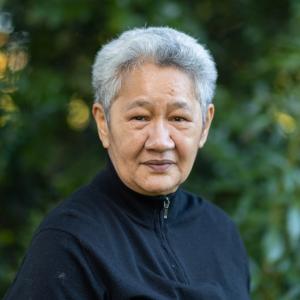
Professor Linda Waimarie Nikora FRSNZ, HFNZPS
Linda Waimarie Nikora is co-director of Ngā Pae o te Māramatanga and a Professor of Indigenous Studies at Te Wānanga o Waipapa, the University of Auckland. She was previously Professor of Psychology and Director of the Maori & Psychology Research Unit at the University of Waikato. Her specialities are in in community psychology, applied social psychology, ethnopsychology and Maori development. Professor Nikora has a celebrated research and academic career, working in community, social and indigenous psychologies, with a specific focus on Māori wellbeing and self-determination. Her research in…
A new report from Ngā Pae o te Māramatanga (NPM) and Manaaki Whenua Landcare Research provides guidance for Te Ao Māori on climate change adaptation and mitigation. He huringa āhuarangi, he huringa ao: a changing climate, a changing world was produced by a multidisciplinary Māori research team working across many research institutions. Using a novel kaupapa…
View projectHe huringa āhuarangi, he huringa ao: a changing climate, a changing world
Often Kaumātua and elders generally, are seen as vulnerable and passive recipients of services throughout the ongoing Covid 19 pandemic. However, in the village of Ohinemutu and as citizens of their iwi Ngāti Whakaue, Kaumātua have been active leaders in the response of the village, initially during the first four-week lockdown in 2020. However, that…
View project