About this research
We have identified a set of questions relating to Māori restorative justice in the Aotearoa Justice system and its effectiveness for Māori:
What are the barriers Māori face when they participate in restorative justice as it stands?
What can we learn from the traditional ways of resolving conflict that could minimise these barriers?
The over-representation of Māori offending, re-offending and victimisation shows the failure of the current justice system’s interventions to keep our communities safe, address the harms caused by injustice, and effectively rehabilitate those who have done harm through their offending. These effects fall disproportionately on Māori and their whānau. Despite state designed interventions like restorative justice that are designed to be more culturally appropriate, Māori offending, re-offending and victimisation rates are still alarmingly high. There is little to no evidence showing that these processes - with a culturally sensitive intention - effectively produce positive outcomes for Māori. We will investigate restorative justice in the Aotearoa justice system and its effectiveness for Māori. We will identify barriers and opportunities for developing a more effective justice system for all. We anticipate that the findings of this seeding project will inform a larger, related future project.
Utilising Kaupapa Māori theory, we will undertake a literature review to describe the current state of restorative justice within Aotearoa’s justice system. We will then undertake a qualitative thematic analysis of semi-structured interviews gathered from 5 – 8 informants with experience related to restorative justice, including Māori lawyers, restorative justice trainers, managers, academics and kaumātua. Our research is designed to identify the barriers Māori face when they participate in restorative justice. Our novel project will also investigate how traditional. Māori ways of resolving conflict could enable us to develop a justice system more effective for society as a whole.
Mr Danny Poa, for the last 4 years, had facilitated restorative justice conferences and coordinated restorative justice cases out of Wellington, Hutt Valley and Porirua courts as a member of the restorative justice team and services to Māori team at Community Law Wellington/Hutt Valley. Danny has seen its impact first hand, on friends and whānau going through restorative justice, as both those harmed and who have inflicted harm. Being surrounded by restorative justice in theory and practice, Danny has developed a research interest in restorative justice. In particular, to shed light on its potential for success for Māori facilitators and participants.
Our aim for this study is to gain a greater understanding of restorative justice and it’s effectiveness for Māori, and draw on the knowledge of Māori restorative justice facilitators, academics and commentators and holders of traditional knowledge to improve the justice system and make it truly restorative for Māori. First, we will investigate the barriers Māori face when they participate in restorative justice and whether these barriers can be reduced or eliminated in this current justice system. Our second area of study will be to explore the aspirations our participants and informants have for a justice system that is truly restorative for Māori using their expert knowledge of the past and present.
Kairangahau · Researchers
 Danny Poa
Ngāi Tūhoe, Ngāti Kahungunu, Ngāti Porou, Ngāpuhi
Rehutai
Nō ngā iwi o Ngāi Tūhoe, Ngāti Kahungunu, Ngāti Porou me Ngāpuhi ia.Danny Poa has strong interests in the social issues…
Danny Poa
Ngāi Tūhoe, Ngāti Kahungunu, Ngāti Porou, Ngāpuhi
Rehutai
Nō ngā iwi o Ngāi Tūhoe, Ngāti Kahungunu, Ngāti Porou me Ngāpuhi ia.Danny Poa has strong interests in the social issues…

Danny Poa
 Associate Professor Anne-Marie Jackson
Ngāti Whatua, Te Roroa, Ngāpuhi, Ngāti Wai, Ngāti Kahu o Whangaroa
University of Otago
Tēnā koutou, Nō Ngāpuhi, Ngāti Whātua, Ngāti Kahu o Whangaroa me Ngāti Wai a Anne-Marie. He kairangahau Māori ia ki Te…
Associate Professor Anne-Marie Jackson
Ngāti Whatua, Te Roroa, Ngāpuhi, Ngāti Wai, Ngāti Kahu o Whangaroa
University of Otago
Tēnā koutou, Nō Ngāpuhi, Ngāti Whātua, Ngāti Kahu o Whangaroa me Ngāti Wai a Anne-Marie. He kairangahau Māori ia ki Te…

Associate Professor Anne-Marie Jackson
Ētahi atu · Other projects
This research report has been titled Rākau-nui as an acknowledgement to the full moon phase in the Maramataka (Māori lunar calendar). Rākau-nui also represents the collected journey to which this full report has been constructed from. The Maramataka is a repository of ancient and traditional knowledge orally handed down throughout the generations by our…
View projectTangaroa Ara Rau: Tangaroa the Atua of Human Movement
Kairangahau · Researchers
-
Associate Professor Anne-Marie Jackson
Associate Professor Anne-Marie Jackson
Tēnā koutou, Nō Ngāpuhi, Ngāti Whātua, Ngāti Kahu o Whangaroa me Ngāti Wai a Anne-Marie. He kairangahau Māori ia ki Te Koronga, ki Te Kura Parawhakawai.Dr Anne-Marie Jackson's research into Māori health and well-being focuses on supporting the hopes and aspirations of Māori communities.“Otago is a wonderful place to do this mahi. We are a well-connected campus with strong linkages to our communities; a place where whānau and whanaungatanga can flourish,” she says.Anne-Marie, who is an Associate Professor in the School of Physical Education, Sport and Exercise Sciences, is passionate about…
This report has been prepared for Ngā Pae o te Māramatanga as part of the summer internship programme 2018-2019. This project is titled Tangaroa Ara Rau: Whānau connections and Water Safety with a purpose to understand unique whānau connections to water and its benefit for water safety. Throughout the summer of 2018 Terina Raureti (Ngāti Raukawa) was given…
View projectTangaroa Ara Rau: Whānau connections & Water Safety
Kairangahau · Researchers
-
Associate Professor Anne-Marie Jackson
Associate Professor Anne-Marie Jackson
Tēnā koutou, Nō Ngāpuhi, Ngāti Whātua, Ngāti Kahu o Whangaroa me Ngāti Wai a Anne-Marie. He kairangahau Māori ia ki Te Koronga, ki Te Kura Parawhakawai.Dr Anne-Marie Jackson's research into Māori health and well-being focuses on supporting the hopes and aspirations of Māori communities.“Otago is a wonderful place to do this mahi. We are a well-connected campus with strong linkages to our communities; a place where whānau and whanaungatanga can flourish,” she says.Anne-Marie, who is an Associate Professor in the School of Physical Education, Sport and Exercise Sciences, is passionate about…
This platform project explores how Māori-led taiao initiatives reconnect whānau and hapū with place, identity, and whakapapa. Through case studies, wānanga, and digital tools, the project examines the aspirations, processes, and outcomes of environmental mahi that strengthen connections between people and te taiao.
View projectCommunity Connections to Place
This platform project explores how Māori-led taiao initiatives reconnect whānau and hapū with place, identity, and whakapapa.
Through case studies, wānanga, and digital tools, the project examines the aspirations, processes, and outcomes of environmental mahi that strengthen connections between people and te taiao.
Kairangahau · Researchers
-
Associate Professor Anne-Marie Jackson
Associate Professor Anne-Marie Jackson
Tēnā koutou, Nō Ngāpuhi, Ngāti Whātua, Ngāti Kahu o Whangaroa me Ngāti Wai a Anne-Marie. He kairangahau Māori ia ki Te Koronga, ki Te Kura Parawhakawai.Dr Anne-Marie Jackson's research into Māori health and well-being focuses on supporting the hopes and aspirations of Māori communities.“Otago is a wonderful place to do this mahi. We are a well-connected campus with strong linkages to our communities; a place where whānau and whanaungatanga can flourish,” she says.Anne-Marie, who is an Associate Professor in the School of Physical Education, Sport and Exercise Sciences, is passionate about… -
 Professor Ocean Mercier
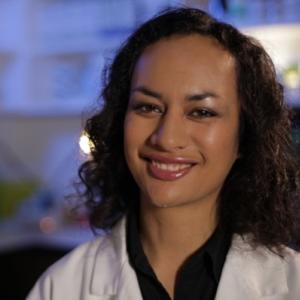
Professor Ocean Mercier
Ocean Mercier (Ngāti Porou) focuses on how mātauranga and science connect, relate, and how their proponents and experts work together, particularly in environmental and educational contexts. She explores decolonial and Indigenous approaches to science through specific projects. Her current research includes Māori perspectives of novel biotechnological controls of pests in Aotearoa; understanding groundwater systems with mātauranga Māori; ocean mātauranga to support iwi and community interests and Antarctica-Aotearoa connections. Her research also explores Māori conceptions of mapping and…