About this research
Research on the impact of COVID-19 on Māori tends to highlight its negative outcomes. This strengths-based research project examines improvements in Māori wellbeing that occurred as a result of the COVID-19 pandemic
The Koha of COVID strengths-based research project examines improvements in Māori wellbeing that occurred as a result of the COVID-19 pandemic. It explores whether being forced to stop busy lives and engage with each other daily created greater whanaungatanga that encouraged, for example, more opportunities for intergenerational sharing of whakapapa stories, mātauranga Māori and Te Reo Māori – and it explores whether this improved whānau wellbeing.
It provides insight into positive changes that occurred within whānau, in particular whether there was a feeling of being more in control of whānau lives as Iwi moved to ensure hapū were protected from outsider spread of the virus into their rohe and as Māori health and social services rallied to meet social needs. It investigates whether greater social cohesion and the mobilisation of Iwi during the various lockdown periods positively affected whānau Māori.
Capturing this narrative is not only crucial for tangibly demonstrating the value of strong Māori relationships across whānau, hapū, Iwi and hāpori settings, but also important for enabling the positive outcomes for whānau Māori in respect of COVID-19, to be replicated and woven across government policy and Iwi and Māori service development, to catalyse substantive advances in Māori wellbeing.
The Research Team
Dr Lynne Russell (Ngāti Kahungunu, Rangitāne, Te Wainui ā Rua, Kāi Tahu, Kāti Māmoe, Ngāti Porou, Ngāti Raukawa) is the Kairangahau Matua – Hauora Māori (Senior Research Fellow - Māori Health) in Te Hikuwai Rangahau Hauora (the Health Services Research Centre) in Te Wāhanga Tātai Hauora (the Wellington Faculty of Health) at Te Herenga Waka (Victoria University of Wellington).
Although her research interests focus on Indigenous knowledge and healing practices used in recovery from trauma associated with mental distress and suicide loss, as a Māori academic researcher, she leads and supports numerous projects in other health-related fields, including a number that are COVID-19-related. She is particularly passionate about the amplification of Indigenous voices most readily silenced in society.
Whakaahua & Ataata · Images & Videos
Kairangahau · Researchers
 Dr Lynne Russell
Ngāti Kahungunu, Rangitāne, Kai Tahu, Kati Mamoe, Ngāti Porou, Ngāti Raukawa, Te Wainui ā Ru
Te Herenga Waka Victoria University of Wellington
Dr Lynne Russell works as a Senior Research Fellow - Maori Health with the Health Services Research Centre (HSRC) at…
Dr Lynne Russell
Ngāti Kahungunu, Rangitāne, Kai Tahu, Kati Mamoe, Ngāti Porou, Ngāti Raukawa, Te Wainui ā Ru
Te Herenga Waka Victoria University of Wellington
Dr Lynne Russell works as a Senior Research Fellow - Maori Health with the Health Services Research Centre (HSRC) at…
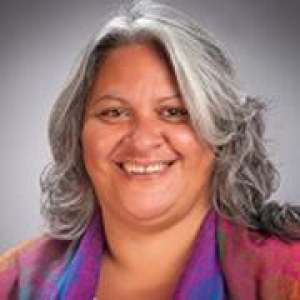
Dr Lynne Russell
Ētahi atu · Other projects
This project uses Kaupapa Māori theory to challenge the current dominant Western explanations for suicide, which fail to consider socio-cultural-political pressures and historical processes such as colonisation as core to Indigenous suicide.
View projectInvestigating the influence of socio-cultural-political pressures on Māori suicide: A comparison of known Māori suicides from 1840-1939 with those from 1940-2019
This project uses Kaupapa Māori theory to challenge the current dominant Western explanations for suicide, which fail to consider socio-cultural-political pressures and historical processes such as colonisation as core to Indigenous suicide.
Kairangahau · Researchers
-
 Sonny Niha
Sonny Niha
-
Te Waere Ti Peeti
Te Waere Ti Peeti
-
Witeria Ashby
Witeria Ashby
Often Kaumātua and elders generally, are seen as vulnerable and passive recipients of services throughout the ongoing Covid 19 pandemic. However, in the village of Ohinemutu and as citizens of their iwi Ngāti Whakaue, Kaumātua have been active leaders in the response of the village, initially during the first four-week lockdown in 2020. However, that…
View projectFeed the Pā
This research explored how uri of Ngā Wairiki Ngāti Apa found new and creative ways to reconnect with their whenua and te taiao during the COVID-19 pandemic. Through intergenerational interviews, the project highlighted sensory and spiritual practices of reconnection—shared through podcasts and a short film to inspire and support collective healing.
View projectHoki atu ki tōu maunga kia purea ai e koe ki ngā hau o Tāwhirimātea
This research explored how uri of Ngā Wairiki Ngāti Apa found new and creative ways to reconnect with their whenua and te taiao during the COVID-19 pandemic. Through intergenerational interviews, the project highlighted sensory and spiritual practices of reconnection—shared through podcasts and a short film to inspire and support collective healing.