About this research
‘Ubiquitous Maths Learning Made Easy for Rangatahi and Adult Learners. (Especially if we are in lockdown!)’
Adults and rangatahi often come to maths learning with an already formed (negative) mathematics learning identity. Rangatahi know that for certain future goals they will need to “have” mathematics as part of their knowledge “suite”.
Adults in certain tertiary courses will have mathematics is a core component. For rangatahi, learning maths is compulsory up to a certain level. For adult learners, most of their courses require them to already have a level of maths competency and confidence, it cannot be taught while on the course. COVID-19 has meant that rangatahi have needed to find other ways to learn mathematics outside of the classroom and interestingly, has also meant that adults might be enabled to learn mathematics alongside their programmes of learning by having a resource designed by and for them. This project is about developing a resource for rangatahi and adult learners by rangatahi and adult learners alongside researchers and experts, that supports ubiquitous learning of mathematics. It is hoped that when end-users are part of the development of their own learning tool, they will be more positively inclined to engage with the learning resource and to achieve greater success in mathematics.
THE RESEARCH TEAM
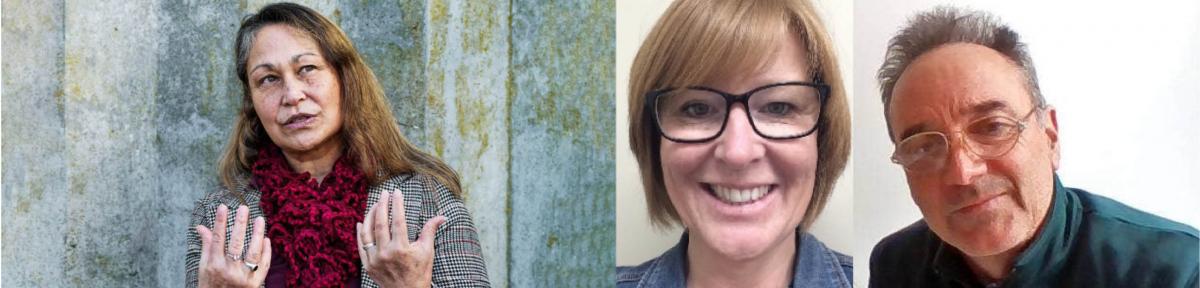
Dr Pania Te Maro, Ngāti Porou, Te Whānau a Pōkai. Pania is associate dean Māori for the College of Humanities and Social Sciences at Massey University and senior lecturer for the Institute of Education in the Graduate Diploma of Learning and Teaching, Initial Teacher Education programme. Her PhD research centred on the impact of mathematics education in Kura Māori. She is passionate about supporting emerging teachers to embrace culturally sustaining, ontologically driven practices in teaching and learning.
Dr Philippa Isom is a lecturer for the Institute of Education in the Graduate Diploma of Learning and Teaching, Initial Teacher Education Programme. She has previously worked in schools and in game design with a special interest in implementing critically developed technological solutions for learning and teaching. Philippa is passionate about engaging in authentic collaboration with all.
Dr Brian Tweed is a senior lecturer for the Institute of Education in the Graduate Diploma of Learning and Teaching, Initial Teacher Education Programme. He has previously worked as a mathematics and science teacher and adviser in a range of English and Māori-medium. He is especially interested in how technology, people, mathematics knowledge and mātauranga Māori interact.
Whakaahua & Ataata · Images & Videos
Kairangahau · Researchers
 Dr Pania Te Maro
Ngāti Porou
Massey University
Ko Hikurangi te Maunga, Ko Waiapu te Awa, Ko Ngāti Porou te Iwi, Ko te Whānau a Pōkai te Hapū, Ko Te Kapa o Hinekōpeka…
Dr Pania Te Maro
Ngāti Porou
Massey University
Ko Hikurangi te Maunga, Ko Waiapu te Awa, Ko Ngāti Porou te Iwi, Ko te Whānau a Pōkai te Hapū, Ko Te Kapa o Hinekōpeka…
Dr Pania Te Maro
Ētahi atu · Other projects
Often Kaumātua and elders generally, are seen as vulnerable and passive recipients of services throughout the ongoing Covid 19 pandemic. However, in the village of Ohinemutu and as citizens of their iwi Ngāti Whakaue, Kaumātua have been active leaders in the response of the village, initially during the first four-week lockdown in 2020. However, that…
View projectFeed the Pā
This research explored how uri of Ngā Wairiki Ngāti Apa found new and creative ways to reconnect with their whenua and te taiao during the COVID-19 pandemic. Through intergenerational interviews, the project highlighted sensory and spiritual practices of reconnection—shared through podcasts and a short film to inspire and support collective healing.
View projectHoki atu ki tōu maunga kia purea ai e koe ki ngā hau o Tāwhirimātea
This research explored how uri of Ngā Wairiki Ngāti Apa found new and creative ways to reconnect with their whenua and te taiao during the COVID-19 pandemic. Through intergenerational interviews, the project highlighted sensory and spiritual practices of reconnection—shared through podcasts and a short film to inspire and support collective healing.
The COVID-19 pandemic forced the closure of Whakarewarewa Village Tours. The hapū of Whakarewarewa resolved to re-open the village in December 2020 however, the decimated context of the tourism industry, change of attention to a domestic market and the apprehension of the whānau to the opening of the village to tourists requires a thorough investigation and…
View projectPrivileging whānau voices, whakapapa narratives towards whānau ora
Kairangahau · Researchers
-
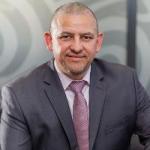 Dr Jason Paul Mika
Dr Jason Paul Mika
Jason MIka is a senior lecturer and Co-Director of Te Au Rangahau, the Māori Business & Leadership Research. His research interests include indigenous entrepreneurship, management and methodologies.