About this research
Conscious of the lack of serious inquiry into Kapa Haka, the CEO of Te Matatini Inc, the National Organisation for Kapa Haka in Aotearoa New Zealand approached Ngā Pae o te Māramatanga, New Zealand’s Māori Centre of Research Excellence (NPM), to make a start on rectifying this situation. This programme of research seeks to better appreciate the value and benefits of Kapa Haka to our present context and, importantly, future vision, in turn providing clear evidence and well-articulated arguments required to support balanced decision-making, investment and future development.
This is an ongoing and largely unfunded programme of work. If you are a student or researcher and have an interest in any aspect of kapa haka research we are keen to hear from you. Please contact us at email: research@maramatanga.ac.nz
Overview report
Nikora, L.W., Meade, R., Hall, M., Bowden, L., Selby-Rickit, T.H.R., Mikaere, T.M., Te Huia, A., & Fox, R. (2022). The Value of Kapa Haka – An Overview Report. Auckland, NZ : Ngā Pae o te Māramatanga
Technical reports
Kairangahau · Researchers
 Professor Linda Waimarie Nikora FRSNZ, HFNZPS
Te Aitanga-a-Hauiti, Tūhoe
Waipapa Taumata Rau, University of Auckland
Linda Waimarie Nikora is co-director of Ngā Pae o te Māramatanga and a Professor of Indigenous Studies at Te Wānanga o…
Professor Linda Waimarie Nikora FRSNZ, HFNZPS
Te Aitanga-a-Hauiti, Tūhoe
Waipapa Taumata Rau, University of Auckland
Linda Waimarie Nikora is co-director of Ngā Pae o te Māramatanga and a Professor of Indigenous Studies at Te Wānanga o…
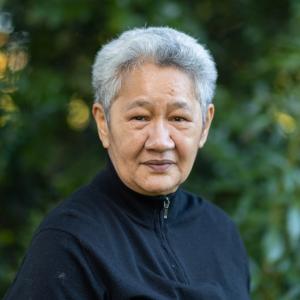
Professor Linda Waimarie Nikora FRSNZ, HFNZPS
Ētahi atu · Other projects
Tangi is the ultimate form of Māori cultural and community expression. Addressing the dearth of scholarly information, this study considers tangi practice, whakapapa, changing environments, community values, sharing knowledge, ritual and what it means to be Māori. The research team has been examining the life-values, beliefs and practices related to…
View projectAituā: Death in a changing Māori World
Kairangahau · Researchers
-
Professor Linda Waimarie Nikora FRSNZ, HFNZPS
Professor Linda Waimarie Nikora FRSNZ, HFNZPS
Linda Waimarie Nikora is co-director of Ngā Pae o te Māramatanga and a Professor of Indigenous Studies at Te Wānanga o Waipapa, the University of Auckland. She was previously Professor of Psychology and Director of the Maori & Psychology Research Unit at the University of Waikato. Her specialities are in in community psychology, applied social psychology, ethnopsychology and Maori development. Professor Nikora has a celebrated research and academic career, working in community, social and indigenous psychologies, with a specific focus on Māori wellbeing and self-determination. Her research in…
We are now 30+ years on from when our children first had the opportunity to attend Kōhanga. They are a part of a fortunate generation, like those who will follow them. And so too are those that are following. But what of those older Māori, their parents and grandparents, some of who do speak te reo but many who do not? What challenges to tikanga, age…
View projectChallenges and continuities: Unintended impacts of Te Reo Māori language revitalisation efforts
We are now 30+ years on from when our children first had the opportunity to attend Kōhanga. They are a part of a fortunate generation, like those who will follow them. And so too are those that are following. But what of those older Māori, their parents and grandparents, some of who do speak te reo but many who do not? What challenges to tikanga, age related roles and relationships do these demographics present? Status, mana, roles, responsibilities, ritual duties and leadership are all age related concepts that, in the Māori world, assume a foundation of learning that leads to experience, competence and accumulated wisdom over time.
Kairangahau · Researchers
-
Professor Linda Waimarie Nikora FRSNZ, HFNZPS
Professor Linda Waimarie Nikora FRSNZ, HFNZPS
Linda Waimarie Nikora is co-director of Ngā Pae o te Māramatanga and a Professor of Indigenous Studies at Te Wānanga o Waipapa, the University of Auckland. She was previously Professor of Psychology and Director of the Maori & Psychology Research Unit at the University of Waikato. Her specialities are in in community psychology, applied social psychology, ethnopsychology and Maori development. Professor Nikora has a celebrated research and academic career, working in community, social and indigenous psychologies, with a specific focus on Māori wellbeing and self-determination. Her research in… -
 Emeritus Professor Ngahuia Te Awekotuku MNZM FAWMM
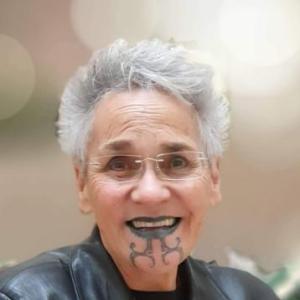
Emeritus Professor Ngahuia Te Awekotuku MNZM FAWMM
Emeritus Professor Ngahuia te Awekotuku continues to contribute in the arts and creative sector. With degrees in Art History and English, her PhD (1981) was in cultural psychology. She wrote an early (1991) monograph on Maori research ethics. For decades she served in the heritage environment as a governor, curator and activist/advocate. Her scholarly works on culture, gender, heritage and sexuality, and her fiction and poetry, have been published and acclaimed locally and internationally. -
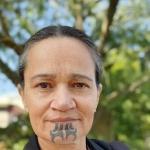 Professor Waikaremoana Waitoki
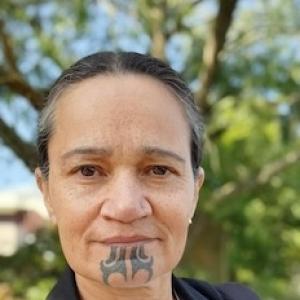
Professor Waikaremoana Waitoki
Waikaremoana is a Professor and Associate Dean Research in the Faculty of Māori and Indigenous Studies at the University of Waikato, New Zealand. She is a clinical psychologist with experience in adolescent and maternal mental health. She is a past president of the New Zealand Psychological Society, and inaugural co-chair of the Māori psychologist’s network, He Paiaka Totara. She is the co-editor of the first Indigenous psychology book, Te Manu Kai i te Mātauranga which is used nationally and internationally in teaching about monoculturalism and racism in psychology. She is also the co-editor…
This Ageing Well NSC research project explored the unique role of kaumātua within Ngāti Whakaue, challenging government definitions that homogenise Māori elders. It highlights how kaumātua serve whānau, marae, hapū, and iwi—and what’s needed to support and sustain their leadership into the future.
View projectKaumātua Futures: Ko te pae tawhiti, whāia kia tata. Ngāti Whakaue Case Study
This Ageing Well NSC research project explored the unique role of kaumātua within Ngāti Whakaue, challenging government definitions that homogenise Māori elders. It highlights how kaumātua serve whānau, marae, hapū, and iwi—and what’s needed to support and sustain their leadership into the future.
Kairangahau · Researchers
-
Professor Linda Waimarie Nikora FRSNZ, HFNZPS
Professor Linda Waimarie Nikora FRSNZ, HFNZPS
Linda Waimarie Nikora is co-director of Ngā Pae o te Māramatanga and a Professor of Indigenous Studies at Te Wānanga o Waipapa, the University of Auckland. She was previously Professor of Psychology and Director of the Maori & Psychology Research Unit at the University of Waikato. Her specialities are in in community psychology, applied social psychology, ethnopsychology and Maori development. Professor Nikora has a celebrated research and academic career, working in community, social and indigenous psychologies, with a specific focus on Māori wellbeing and self-determination. Her research in… -
Emeritus Professor Ngahuia Te Awekotuku MNZM FAWMM
Emeritus Professor Ngahuia Te Awekotuku MNZM FAWMM
Emeritus Professor Ngahuia te Awekotuku continues to contribute in the arts and creative sector. With degrees in Art History and English, her PhD (1981) was in cultural psychology. She wrote an early (1991) monograph on Maori research ethics. For decades she served in the heritage environment as a governor, curator and activist/advocate. Her scholarly works on culture, gender, heritage and sexuality, and her fiction and poetry, have been published and acclaimed locally and internationally. -
 Okeroa McRae
Okeroa McRae
-
 Kiri Edge
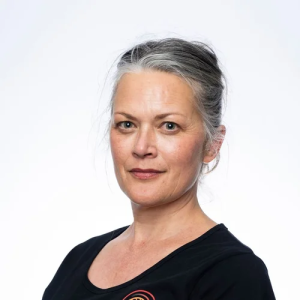
Kiri Edge
Kiri has contributed to a wide range of interdisciplinary research and evaluation projects across both academic and community contexts. Kiri is experienced working within complex and sensitive topics, and engaging with people, whānau, and communities that some consider ‘hard to reach’. Kiri’s research interests are diverse, but pivot towards endeavours that contribute towards Māori wellbeing and flourishing, equity, social justice and sustainable community-driven development. Kiri’s current rangahau interests include reclamation of indigenous pathways to wellbeing, grieving within and across…