About this research
Project Summary
Current negotiations at the World Intellectual Property Organisation (WIPO) propose developing databases of Indigenous knowledge and genetic resources. Patent offices would use these databases to determine if patent applications are truly novel and inventive.
However, government-controlled databases are problematic because they make assumptions about mātauranga, such as who holds it, and how it can be stored. This issue takes on increasing urgency with widespread application of AI to data, and genetic resources being stored as data.
This research analyses WIPO’s proposal through a case study on mātauranga Māori innovations in papakāinga and assessing findings about novel mātauranga vis-à-vis existing and proposed domestic and international laws regarding data in registries.
There are two sub-projects:
- The first looks at papakāinga as locations where significant innovation is developed and identifies the nature of this mātauranga and its protection.
- The second examines the potential for a Māori-developed and controlled registry of mātauranga for the Intellectual Property Office of New Zealand to use.
Research Questions
What are examples of Māori innovations on pāpakainga? Does the IP regime matter for these? Or does Māori data sovereignty look different, e.g. a Māori-developed and -controlled register?
Lead Researcher
Dr Jesse Pirini, Ngāti Tūwharetoa, Whakatōhea, Victoria University of Wellington
Research Team
Professor Jessica Lai, Victoria University of Wellington
Dr David Jefferson, University of Canterbury
Harriet Kennelly, Taranaki, Ngā Māhanga, Pūniho Pa, University of Canterbury
The research project is analysing the WIPO’s proposal to develop databases of Indigenous Knowledge and genetic resources through a case study on mātauranga Māori innovations in papakāinga and assessing findings about novel mātauranga vis-à-vis existing and proposed domestic and international laws regarding data in registries.
Kairangahau · Researchers
Ētahi atu · Other projects
PhD Candidate: Jennifer Tokomauri McGregor (Ngati Raukawa (Waikato)) Primary Supervisor(s): Dr. Alayne Mikahere-Hall Background: Despite being a long-term government priority, the inequity of Māori nurses in the health workforce is long-standing, suggesting that that recruitment and retention of Māori into the nursing workforce is problematic. Māori nurses…
View projectKawa Whakaruruhau: Culturally-safe spaces for Māori nurse practice development
Kairangahau · Researchers
-
 Dr Alayne Mikahere-Hall
Dr Alayne Mikahere-Hall
This research programme dives beneath the surface to expose how efforts to address racism in Aotearoa can be symbolic, sidelining Māori worldviews and limiting true transformation. Led through a kaupapa Māori lens, this programme challenges narrow, imported definitions of racism and equity, and confronts how dominant systems create and maintain Māori…
View projectResearch to Interrupt Racism and (In)equity (RIRI)
This research programme dives beneath the surface to expose how efforts to address racism in Aotearoa can be symbolic, sidelining Māori worldviews and limiting true transformation.
Led through a kaupapa Māori lens, this programme challenges narrow, imported definitions of racism and equity, and confronts how dominant systems create and maintain Māori ‘vulnerability’. It aims to reframe equity on Māori terms—grounded in rangatiratanga, Indigenous knowledge, and the realities of colonisation.
Kairangahau · Researchers
-
 Associate Professor Donna Cormack
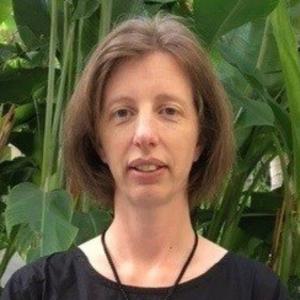
Associate Professor Donna Cormack
Dr Donna Cormack (Kai Tahu, Kāti Māmoe) is an Associate Professor at Te Kupenga Hauora Māori, University of Auckland.Donna is course director for the postgraduate papers MAORIHTH 710 Kaupapa Māori Theory, and MAORIHTH 709 Transformative Research for Māori Health, and co-convenes MAORIHTH711 Kaupapa Māori quantitative research. Donna teaches into other undergraduate and postgraduate papers in the Faculty of Medical and Health Sciences. She is also an active member of Tōmaiora Research Centre within Te Kupenga Hauora Māori. Her research focuses on racism and other forms of oppression… -
 Professor Sarah-Jane Paine
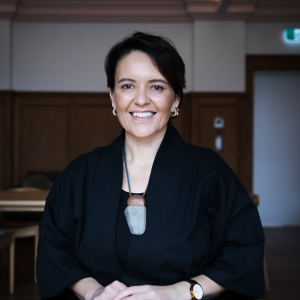
Professor Sarah-Jane Paine
Professor Sarah-Jane Paine (Tūhoe) is a leading Māori health researcher and internationally respected authority on Indigenous child wellbeing. She is Research Director and Principal Investigator of Growing Up in New Zealand, Aotearoa’s flagship longitudinal study of child development, and a Professor at Te Kupenga Hauora Māori, Waipapa Taumata Rau, University of Auckland.Her work in Kaupapa Māori epidemiology has influenced national policy in maternal and child health, racism and child wellbeing, food security, and youth wellbeing. Known for combining scientific rigour with strong community… -
 Professor Papaarangi Reid
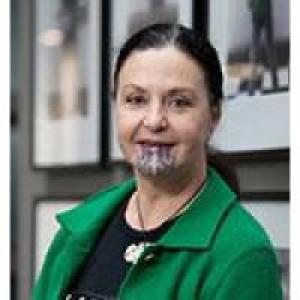
Professor Papaarangi Reid
Papaarangi is Tumuaki and Head of Department of Maori Health at the Faculty of Medical and Health Sciences, University of Auckland, New Zealand. She holds science and medical degrees from the University of Auckland and is a specialist in public health medicine. She has tribal affiliations to Te Rarawa in the Far North of Aotearoa and her research interests include analysing disparities between indigenous and non-indigenous citizens as a means of monitoring government commitment to indigenous rights. -
 Professor Ricci Harris

Professor Ricci Harris
Professor Ricci Harris (Ngāti Kahungunu, Ngāi Tahu, Ngāti Raukawa) is a public health physician and Kaupapa Māori epidemiologist at Te Rōpū Rangahau Hauora a Eru Pōmare.Her research is primarily concerned with upholding Māori rights to health and health equity as ensured by Te Tiriti o Waitangi and in-line with International Indigenous Rights.She draws on Kaupapa Māori Research theory to undertake and develop decolonial approaches to epidemiology that centre Māori and are contextualised within systems of ongoing racism and colonialism. This has included research into the classification of… -
 Dr Arama Rata

Dr Arama Rata
Arama is of Ngāti Maniapoto, Taranaki, and Ngāruahine descent. She completed her PhD in Psychology at Victoria University of Wellington in 2012, which focused on Māori cultural engagement, identity, and psychological well-being in State secondary schools. Arama then lectured at Te Kawa a Māui (the School of Māori Studies), where she received a Research Establishment Grant to study Māori collective remembering of the New Zealand Wars. Dr Rata is currently involved with research relating to Māori health experiences, Māori in rural communities, as well as iwi consultancy. -
Hana Burgess
Hana Burgess
Hana (Ngäpuhi, Te Roroa, Te Ätihaunui a Päpärangi, Ngäti Tüwharetoa) (she/her) is doing a PhD in Mäori health, with supervision from Donna (Käi Tahu, Käti Mämoe) (she/her) and Papaarangi (Te Rarawa) (she/her)
This internship compiled a bibliography of politics research by kairangahau Māori, supporting more inclusive and responsive political studies in Aotearoa. Guided by a multidisciplinary rōpū, interns built research skills and helped shape future pathways for Māori in politics and policy.
View projectDeveloping a Bibliography of Politics Research by Kairangahau Māori
This internship compiled a bibliography of politics research by kairangahau Māori, supporting more inclusive and responsive political studies in Aotearoa.
Guided by a multidisciplinary rōpū, interns built research skills and helped shape future pathways for Māori in politics and policy.