About this research
Project lead: Professor Tom Roa (Ngāti Maniapoto, Waikato, Ngāti Apakura), The University of Waikato | Te Whare Wānanga o Waikato
This project will document Māori-led responses to climate change through a Te Ao Māori (Māori worldview) lens, focusing on the connection between Māori communities and their ancestral whenua (land).
Through wānanga (digital storytelling workshops) and interviews, the research will explore how Māori of the Waikato-King Country region have addressed in the past and are addressing today the effects of climate change through their deep understandings of traditional knowledge and innovative Māori solutions.
The project is led by Professor Tom Roa, a respected academic and cultural leader, who will oversee the facilitation of wānanga across the Waikato-King Country. The core of the project includes the digital documentation of stories, where participants will share their ancestral connections to the land; their knowledge and experiences related to environmental degradation, and their sustainable practices.
These stories will then be presented at the International Digital Storytelling Conference in Brazil, either online or in person, amplifying Māori perspectives on climate action, as well as Māori approaches and solutions.The project will also feature significant karakia (incantations) and waiata (songs) composed by Professor Tom Roa, which connects significant sites in Waikato to tūpuna (ancestors) and their uri (descendants). The karakia and waiata will play a pivotal role in exploring the connection between cultural heritage, land, and climate resilience.
Project lead: Professor Tom Roa (Ngāti Maniapoto, Waikato, Ngāti Apakura), The University of Waikato | Te Whare Wānanga o Waikato
This project will document Māori-led responses to climate change through a Te Ao Māori (Māori worldview) lens, focusing on the connection between Māori communities and their ancestral whenua (land).
Through wānanga (digital storytelling workshops) and interviews, the research will explore how Māori of the Waikato-King Country region have addressed in the past and are addressing today the effects of climate change through their deep understandings of traditional knowledge and innovative Māori solutions.
Kairangahau · Researchers
 Tom Roa
Waikato-Ngāti Maniapoto
Tom Roa is a senior lecturer at Waikato University. He is the principal investigator on the project Exploring a Māori…
Tom Roa
Waikato-Ngāti Maniapoto
Tom Roa is a senior lecturer at Waikato University. He is the principal investigator on the project Exploring a Māori…

Tom Roa
Ētahi atu · Other projects
PhD Candidate: Jennifer Tokomauri McGregor (Ngati Raukawa (Waikato)) Primary Supervisor(s): Dr. Alayne Mikahere-Hall Background: Despite being a long-term government priority, the inequity of Māori nurses in the health workforce is long-standing, suggesting that that recruitment and retention of Māori into the nursing workforce is problematic. Māori nurses…
View projectKawa Whakaruruhau: Culturally-safe spaces for Māori nurse practice development
Kairangahau · Researchers
-
 Associate Professor Alayne Mikahere-Hall
Associate Professor Alayne Mikahere-Hall
Rātonga Hapori | Community ServiceAssociate Professor Mikahere-Hall (Ngāti Whatua, Te Rarawa, Tainui-Maniapoto) maintains a strong commitment to her whānau and hapū marae and has provided long‑standing leadership within Whaiora Marae in Ōtara, serving on the Board of Trustees since 2014 and as Chair for the past eight years. She is deeply involved in Māori communities through both urban and rural marae and is an active member of Te Kotahi a Tāmaki, an Auckland‑based marae collective "The mission of Te Kotahi a Tāmaki is to reinforce marae as centres of cultural excellence and enterprise. The…
This research programme dives beneath the surface to expose how efforts to address racism in Aotearoa can be symbolic, sidelining Māori worldviews and limiting true transformation. Led through a kaupapa Māori lens, this programme challenges narrow, imported definitions of racism and equity, and confronts how dominant systems create and maintain Māori…
View projectResearch to Interrupt Racism and (In)equity (RIRI)
This research programme dives beneath the surface to expose how efforts to address racism in Aotearoa can be symbolic, sidelining Māori worldviews and limiting true transformation.
Led through a kaupapa Māori lens, this programme challenges narrow, imported definitions of racism and equity, and confronts how dominant systems create and maintain Māori ‘vulnerability’. It aims to reframe equity on Māori terms—grounded in rangatiratanga, Indigenous knowledge, and the realities of colonisation.
Kairangahau · Researchers
-
 Associate Professor Donna Cormack
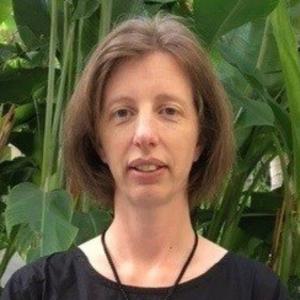
Associate Professor Donna Cormack
Dr Donna Cormack (Kai Tahu, Kāti Māmoe) is an Associate Professor at Te Kupenga Hauora Māori, University of Auckland.Donna is course director for the postgraduate papers MAORIHTH 710 Kaupapa Māori Theory, and MAORIHTH 709 Transformative Research for Māori Health, and co-convenes MAORIHTH711 Kaupapa Māori quantitative research. Donna teaches into other undergraduate and postgraduate papers in the Faculty of Medical and Health Sciences. She is also an active member of Tōmaiora Research Centre within Te Kupenga Hauora Māori. Her research focuses on racism and other forms of oppression… -
 Professor Sarah-Jane Paine
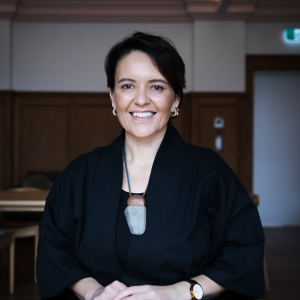
Professor Sarah-Jane Paine
Professor Sarah-Jane Paine (Tūhoe) is a leading Māori health researcher and internationally respected authority on Indigenous child wellbeing. She is Research Director and Principal Investigator of Growing Up in New Zealand, Aotearoa’s flagship longitudinal study of child development, and a Professor at Te Kupenga Hauora Māori, Waipapa Taumata Rau, University of Auckland.Her work in Kaupapa Māori epidemiology has influenced national policy in maternal and child health, racism and child wellbeing, food security, and youth wellbeing. Known for combining scientific rigour with strong community… -
 Professor Papaarangi Reid
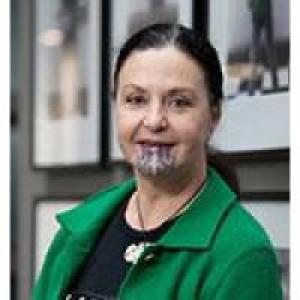
Professor Papaarangi Reid
Papaarangi is Tumuaki and Head of Department of Maori Health at the Faculty of Medical and Health Sciences, University of Auckland, New Zealand. She holds science and medical degrees from the University of Auckland and is a specialist in public health medicine. She has tribal affiliations to Te Rarawa in the Far North of Aotearoa and her research interests include analysing disparities between indigenous and non-indigenous citizens as a means of monitoring government commitment to indigenous rights. -
 Professor Ricci Harris

Professor Ricci Harris
Professor Ricci Harris (Ngāti Kahungunu, Ngāi Tahu, Ngāti Raukawa) is a public health physician and Kaupapa Māori epidemiologist at Te Rōpū Rangahau Hauora a Eru Pōmare.Her research is primarily concerned with upholding Māori rights to health and health equity as ensured by Te Tiriti o Waitangi and in-line with International Indigenous Rights.She draws on Kaupapa Māori Research theory to undertake and develop decolonial approaches to epidemiology that centre Māori and are contextualised within systems of ongoing racism and colonialism. This has included research into the classification of… -
 Dr Arama Rata
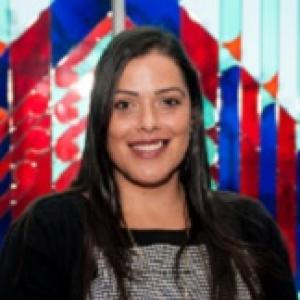
Dr Arama Rata
Arama Rata is of Ngāti Maniapoto, Taranaki, and Ngāruahine descent. She completed her PhD in Psychology at Victoria University of Wellington in 2012, which focused on Māori cultural engagement, identity, and psychological well-being in State secondary schools. Arama then lectured at Te Kawa a Māui (the School of Māori Studies), where she received a Research Establishment Grant to study Māori collective remembering of the New Zealand Wars. Dr Rata is currently involved with research relating to Māori health experiences, Māori in rural communities, as well as iwi consultancy. -
Hana Burgess
Hana Burgess
Hana (Ngäpuhi, Te Roroa, Te Ätihaunui a Päpärangi, Ngäti Tüwharetoa) (she/her) is doing a PhD in Mäori health, with supervision from Donna (Käi Tahu, Käti Mämoe) (she/her) and Papaarangi (Te Rarawa) (she/her)
This internship compiled a bibliography of politics research by kairangahau Māori, supporting more inclusive and responsive political studies in Aotearoa. Guided by a multidisciplinary rōpū, interns built research skills and helped shape future pathways for Māori in politics and policy.
View projectDeveloping a Bibliography of Politics Research by Kairangahau Māori
This internship compiled a bibliography of politics research by kairangahau Māori, supporting more inclusive and responsive political studies in Aotearoa.
Guided by a multidisciplinary rōpū, interns built research skills and helped shape future pathways for Māori in politics and policy.