About this research
Metabolic health issues such as Type 2 diabetes and obesity are increasingly prevalent in our community, in keeping with worldwide trends. There is now a considerable amount of evidence that events during pregnancy and early childhood influence the risk of metabolic disease in later life by affecting glucose and fat metabolism and possibly appetite regulation. To try to prevent later metabolic disease, we therefore need to look at practical ways to intervene in early life to decrease these risks.
Clearly nutrition is one area in which one could intervene. Metabolism is affected not only by the type of food eaten, but also by the pattern of eating. For example, it is now well established that in both adults and older children, eating breakfast is associated with improved weight and glucose metabolism. An area that has been studied less, but may also be important, is the effect of eating irregularly, so that meals are not predictable and food not matched to hunger signals. In adults, irregular eating has contributed to insulin resistance (a risk factor for Type 2 diabetes) and unfavourable lipid profiles associated with increased risk for heart disease. The effect of irregular eating in young children is not known. However, a study in healthy young lambs showed that glucose tolerance was poorer in those fed unpredictably, because they did not secrete the insulin required to respond to a glucose load. Young children rely on others to interpret hunger signals and provide their meals, so they may be particularly vulnerable to the effects of an irregular food supply. Before advising about possible interventions, we first need to get an idea of what determines eating behaviour in the young children – how and when they actually eat, as pre-schoolers are not always easy to feed, families with young children are often busy, and parents and caregivers will bring their own ideas and experience to how they care for their children.
Ngā Pae o te Māramatanga and Gravida (National Centre for Growth and Development) have collaborated to set up this study which will look at eating patterns in Māori preschool children in the Rotorua region. Families who volunteer to participate will be asked to fill in questionnaires about the child’s eating behaviour, and parental thoughts and attitudes about how their young children should be fed. Three 24 hour food diaries, particularly focussing on the time and type of meals or snacks given, will be recorded. The information gained from the study will be presented back to the community, and any potential areas of intervention discussed. The study has the approval of local iwi and the Māori Health Unit at Lakes District Health Board. The NPM researcher involved is Dr Te Kani Kingi.
Ētahi atu · Other projects
Tangi is the ultimate form of Māori cultural and community expression. Addressing the dearth of scholarly information, this study considers tangi practice, whakapapa, changing environments, community values, sharing knowledge, ritual and what it means to be Māori. The research team has been examining the life-values, beliefs and practices related to…
View projectAituā: Death in a changing Māori World
Kairangahau · Researchers
-
 Professor Linda Waimarie Nikora FRSNZ, HFNZPS
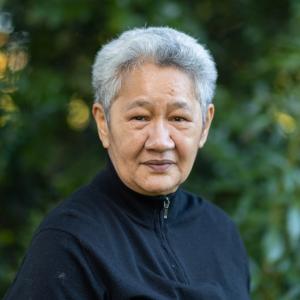
Professor Linda Waimarie Nikora FRSNZ, HFNZPS
Linda Waimarie Nikora is co-director of Ngā Pae o te Māramatanga and a Professor of Indigenous Studies at Te Wānanga o Waipapa, the University of Auckland. She was previously Professor of Psychology and Director of the Maori & Psychology Research Unit at the University of Waikato. Her specialities are in in community psychology, applied social psychology, ethnopsychology and Maori development. Professor Nikora has a celebrated research and academic career, working in community, social and indigenous psychologies, with a specific focus on Māori wellbeing and self-determination. Her research in…
A new report from Ngā Pae o te Māramatanga (NPM) and Manaaki Whenua Landcare Research provides guidance for Te Ao Māori on climate change adaptation and mitigation. He huringa āhuarangi, he huringa ao: a changing climate, a changing world was produced by a multidisciplinary Māori research team working across many research institutions. Using a novel kaupapa…
View projectHe huringa āhuarangi, he huringa ao: a changing climate, a changing world
Often Kaumātua and elders generally, are seen as vulnerable and passive recipients of services throughout the ongoing Covid 19 pandemic. However, in the village of Ohinemutu and as citizens of their iwi Ngāti Whakaue, Kaumātua have been active leaders in the response of the village, initially during the first four-week lockdown in 2020. However, that…
View project