About this research
To scope traditional and contemporary understandings of ‘whānau consent’ in regards to genetic, tissue and organ testing, collection, donation and banking.
To understand how whānau go about gaining ‘whānau consent’ and what processes may support these conversations.
To scope ways in which we can present information about what helps and hinders whānau discussion about consent in an interactive format for whānau to view, supporting them through an informed consent process for genetic-related testing, treatment and/or research.
Genetic testing, tissue banks and data bases are increasingly becoming a part of the health landscape. Personalised or precision medicine based on genetic or tissue information has the potential to bring real health benefits to indigenous people, yet many remain wary for political, personal and ethical reasons.
A particular challenge for Māori is the tension between individual and collective consent – genes do not just provide individual information but identify much across whānau and generations. Western concepts of individual rights are insufficient to manage this process; however, individual rights are upheld in current legal and ethical consent processes in Aotearoa.
We wish to understand, and inform, the whānau consent process for genetic, tissue and other data collection, testing and research by asking: What is ‘Whānau Consent’ and what does it look like? What key pieces of information do whānau require? What helps, and hinders, whānau discussion during the informed consent process, and over time? How do we, as a research community, support a safe process for whānau? We propose kaupapa Māori qualitative research that will firstly explore these questions and secondly will scope the development of a resource for whānau to support them as they navigate the ‘whānau consent’ process.
Using a series of Hui workshops, governed by tikanga Māori, we will document discussion through story-telling and critical conversations. The hui will be video recorded and transcribed for thematic analysis. The findings, and possibly edited versions of the video, will be utilised during a scoping exercise to consider the best resource for whānau to access and use.
The research team is a collaborative of different disciplines including kaupapa Māori theorists, clinicians, health and disability ethics experts and innovators in documentary making. With such leadership, we anticipate a project that is innovative, inspiring and influential.
Ētahi atu · Other projects
Tangi is the ultimate form of Māori cultural and community expression. Addressing the dearth of scholarly information, this study considers tangi practice, whakapapa, changing environments, community values, sharing knowledge, ritual and what it means to be Māori. The research team has been examining the life-values, beliefs and practices related to…
View projectAituā: Death in a changing Māori World
Kairangahau · Researchers
-
 Professor Linda Waimarie Nikora FRSNZ, HFNZPS
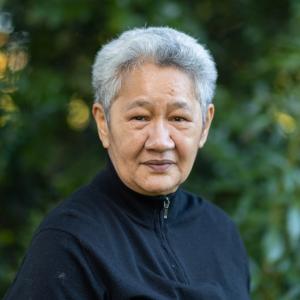
Professor Linda Waimarie Nikora FRSNZ, HFNZPS
Linda Waimarie Nikora is co-director of Ngā Pae o te Māramatanga and a Professor of Indigenous Studies at Te Wānanga o Waipapa, the University of Auckland. She was previously Professor of Psychology and Director of the Maori & Psychology Research Unit at the University of Waikato. Her specialities are in in community psychology, applied social psychology, ethnopsychology and Maori development. Professor Nikora has a celebrated research and academic career, working in community, social and indigenous psychologies, with a specific focus on Māori wellbeing and self-determination. Her research in…
A new report from Ngā Pae o te Māramatanga (NPM) and Manaaki Whenua Landcare Research provides guidance for Te Ao Māori on climate change adaptation and mitigation. He huringa āhuarangi, he huringa ao: a changing climate, a changing world was produced by a multidisciplinary Māori research team working across many research institutions. Using a novel kaupapa…
View projectHe huringa āhuarangi, he huringa ao: a changing climate, a changing world
Often Kaumātua and elders generally, are seen as vulnerable and passive recipients of services throughout the ongoing Covid 19 pandemic. However, in the village of Ohinemutu and as citizens of their iwi Ngāti Whakaue, Kaumātua have been active leaders in the response of the village, initially during the first four-week lockdown in 2020. However, that…
View project