Book
-
Book
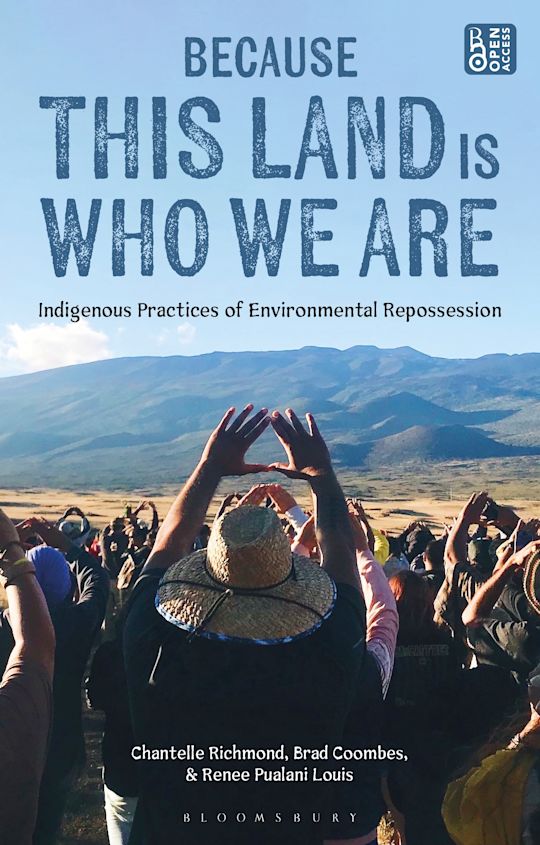
Because This Land is Who We Are: Indigenous Practices of Environmental Repossession
Because This Land Is Who We Are is an exploration of environmental repossession, told through a collaborative case study approach, and…
Because This Land Is Who We Are is an exploration of environmental repossession, told through a collaborative case study approach, and engaging with Indigenous communities in Canada (Anishinaabe), Hawai'i (Kanaka Maoli)… -
Book
The Politics of Urban Potentiality
This volume examines how urban potentiality emerges in performances that reclaim the city, acting as an emancipatory force when dominant…
The Politics of Urban Potentiality
This volume examines how urban potentiality emerges in performances that reclaim the city, acting as an emancipatory force when dominant patterns of urban behaviour are thrown into crisis. It can result in establishing… -
Book
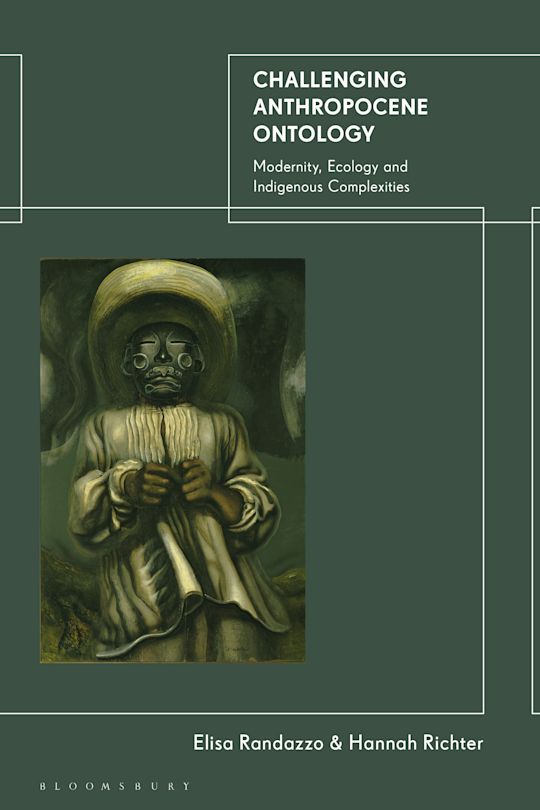
Challenging Anthropocene Ontology Modernity, Ecology and Indigenous Complexities
Using the recent turn to ecology as a starting point, Hannah Richter and Elisa Randazzo bring ecological thinking into contact with…
Challenging Anthropocene Ontology Modernity, Ecology and Indigenous Complexities
Using the recent turn to ecology as a starting point, Hannah Richter and Elisa Randazzo bring ecological thinking into contact with Critical Indigenous Studies, in which awareness of the necessity for sustainable… -
Book
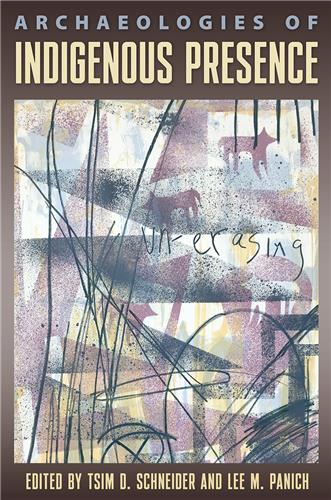
Archaeologies of Indigenous Presence
Highlighting collaborative archaeological research that centers the enduring histories of Native peoples in North America “A perfect…
Archaeologies of Indigenous Presence
Highlighting collaborative archaeological research that centers the enduring histories of Native peoples in North America “A perfect embodiment of the major transformations occurring in North American archaeology today… -
Book
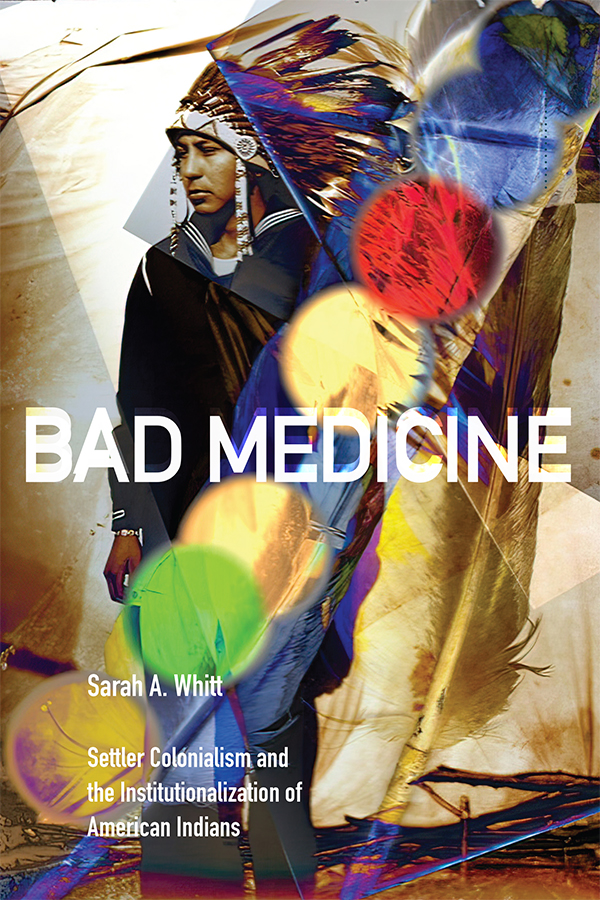
Bad Medicine: Settler Colonialism and the Institutionalization of American Indians
In Bad Medicine, Sarah A. Whitt exposes how Native American boarding schools and other settler institutions like asylums, factories, and…
Bad Medicine: Settler Colonialism and the Institutionalization of American Indians
In Bad Medicine, Sarah A. Whitt exposes how Native American boarding schools and other settler institutions like asylums, factories, and hospitals during the late nineteenth and early twentieth centuries worked together… -
Book
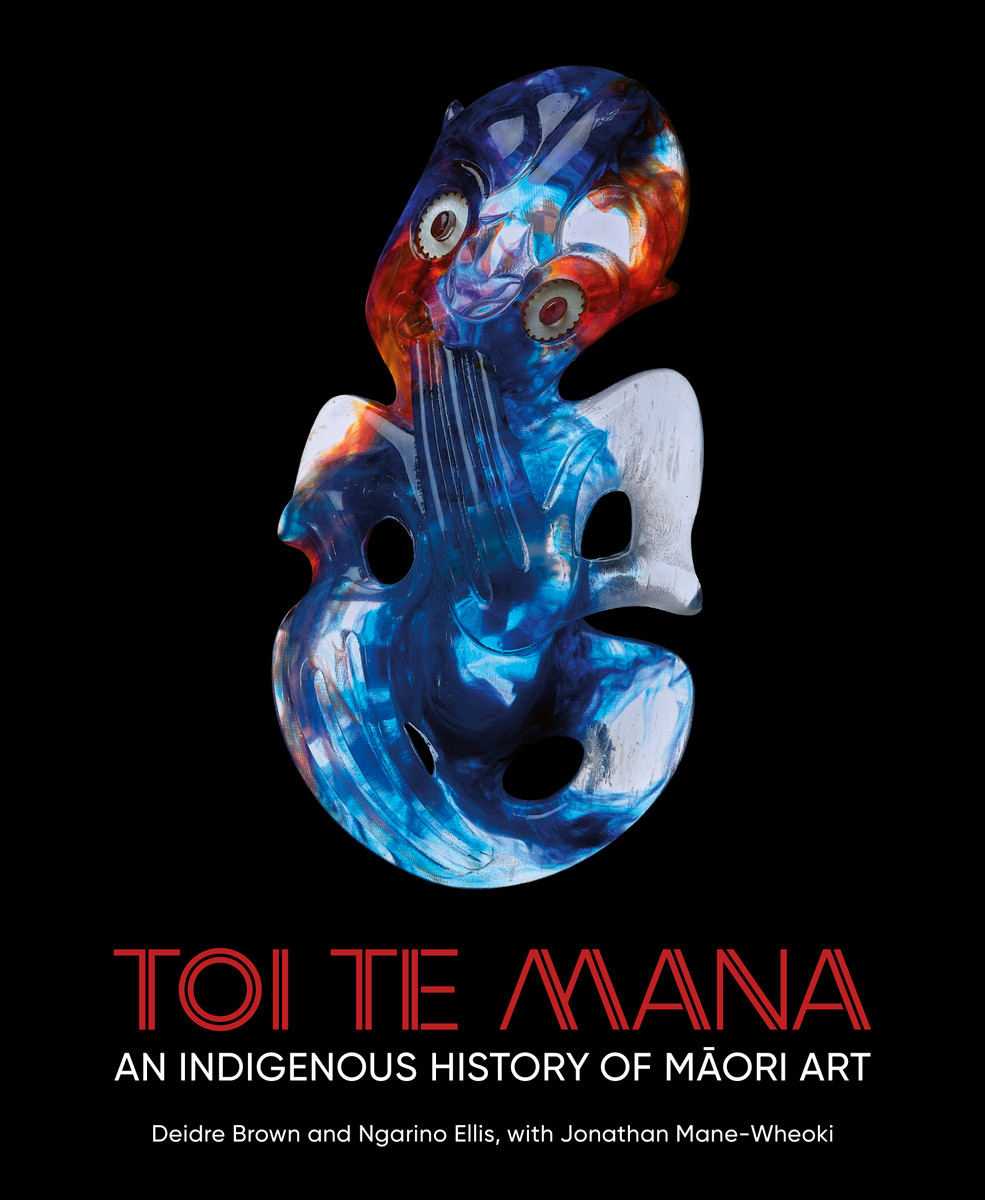
Toi Te Mana: An Indigenous History of Māori Art
A landmark account in words and pictures of Māori art, by Māori art historians – from Polynesian voyaging waka to contemporary Māori…
Toi Te Mana: An Indigenous History of Māori Art
A landmark account in words and pictures of Māori art, by Māori art historians – from Polynesian voyaging waka to contemporary Māori artists.He toi whakairo, he mana tangata.Through artistic excellence, there is human… -
Book
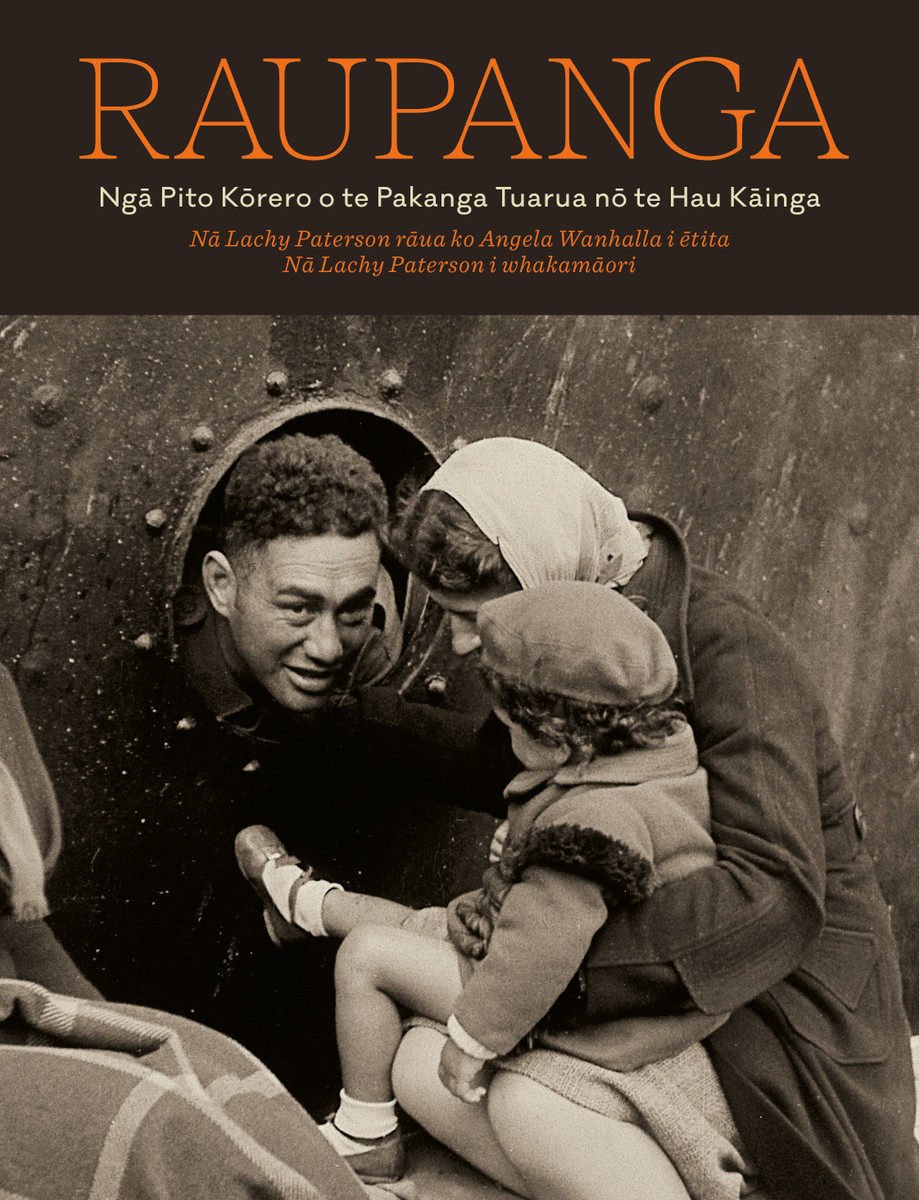
Raupanga: Ngā Pito Kōrero o te Pakanga Tuarua nō te Hau Kāinga
Kua rongo pai te iwi mō ngā mahi a ngā tūpuna hōia, engari, he aha rā ngā kōrero mō te hunga i noho tonu ai ki te kāinga?Whakaheke toto…
Raupanga: Ngā Pito Kōrero o te Pakanga Tuarua nō te Hau Kāinga
Kua rongo pai te iwi mō ngā mahi a ngā tūpuna hōia, engari, he aha rā ngā kōrero mō te hunga i noho tonu ai ki te kāinga?Whakaheke toto tonu ana te iwi Māori ki te Pakanga Tuarua o te ao. I te tuwheratanga o te whawhai… -
Book
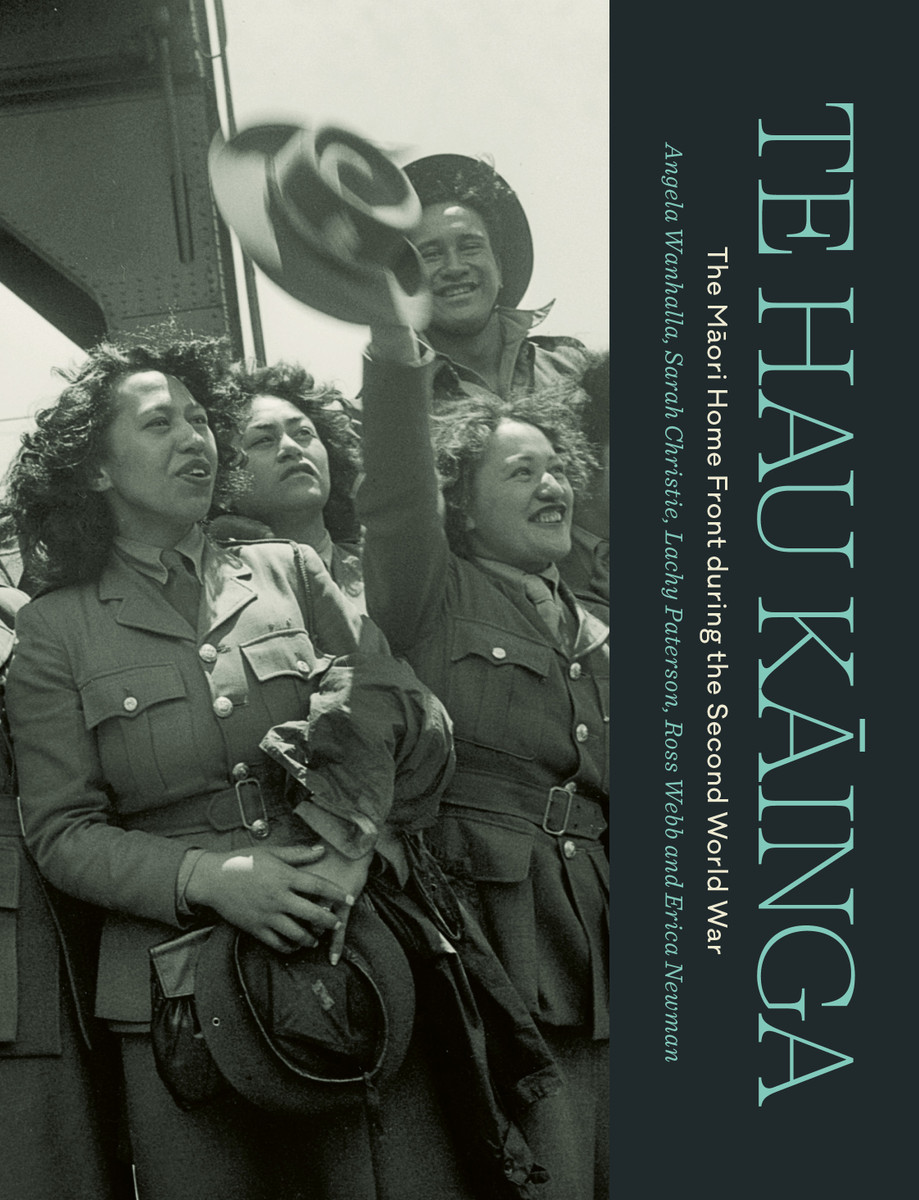
Te Hau Kāinga: The Māori Home Front during the Second World War
The illustrated account of how Māori society was transformed at home while the Māori Battalion were fighting overseas.Taking readers to the…
Te Hau Kāinga: The Māori Home Front during the Second World War
The illustrated account of how Māori society was transformed at home while the Māori Battalion were fighting overseas.Taking readers to the farms and factories, the marae and churches where Māori lived, worked and… -
Book
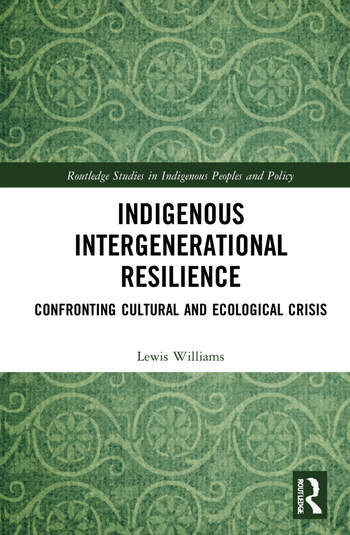
Indigenous Intergenerational Resilience: Confronting Cultural and Ecological Crisis
This book argues that there is a need to develop greater indigenous-led intergenerational resilience in order to meet the challenges posed…
Indigenous Intergenerational Resilience: Confronting Cultural and Ecological Crisis
This book argues that there is a need to develop greater indigenous-led intergenerational resilience in order to meet the challenges posed by contemporary crises of climate change, cultural clashes, and adversity.
In today’s media, the climate crisis is kept largely separate and distinct from the violent cultural clashes unfolding on the grounds of religion and migration, but each is similarly symptomatic of the erasure of the human connection to place and the accompanying tensions between generations and cultures. This book argues that both forms of crisis are intimately related, under-scored and driven by the structures of white supremacism which at their most immediate and visible, manifest as the discipline of black bodies, and at more fundamental and far-reaching proportions, are about the power, privilege and patterns of thinking associated with but no longer exclusive to white people. In the face of such crisis, it is essential to bring the experience and wisdom of Elders and traditional knowledge keepers together with the contemporary realities and vision of youth.
This book’s inclusive and critical perspective on Indigenous-led intergenerational resilience will be valuable to Indigenous and non-Indigenous interdisciplinary scholars working on human-ecological resilience.
-
Book
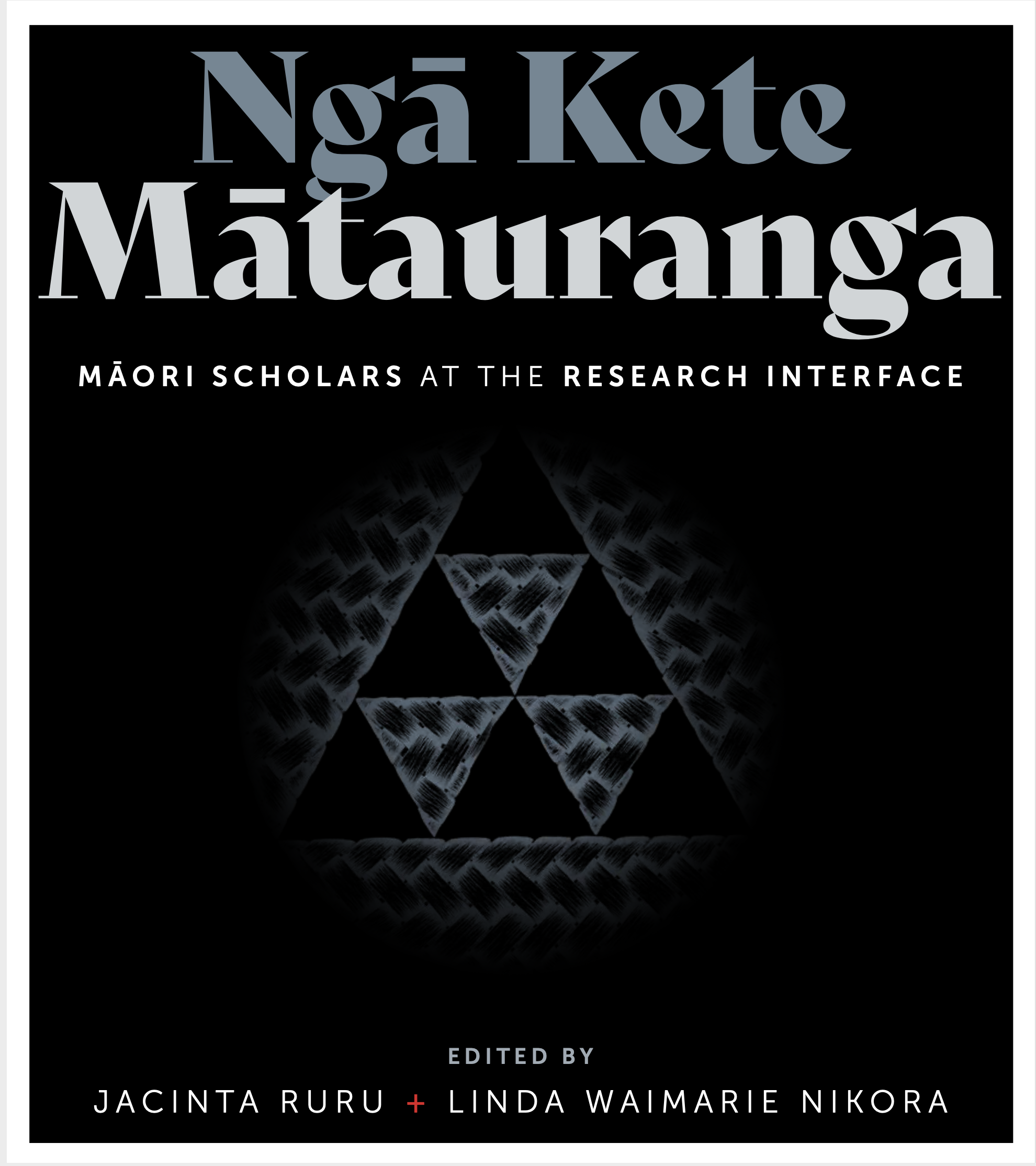
NGĀ KETE MĀTAURANGA: MĀORI SCHOLARS AT THE RESEARCH INTERFACE
In this publication of firsts, 24 Māori preeminent scholars bravely share their personal journeys, revealing what being Māori has meant for…
NGĀ KETE MĀTAURANGA: MĀORI SCHOLARS AT THE RESEARCH INTERFACE
In this publication of firsts, 24 Māori preeminent scholars bravely share their personal journeys, revealing what being Māori has meant for them in their academic careers. Their perspectives provide insight for all New… -
Book
A Hidden Economy: Māori in the Privatised Military Industry
The Māori economy is often defined simply by the contributions of Māori in New Zealand in the areas of farming, fisheries and forestry…
A Hidden Economy: Māori in the Privatised Military Industry
The Māori economy is often defined simply by the contributions of Māori in New Zealand in the areas of farming, fisheries and forestry. This book explores the ways that Māori in the privatised military industry… -
Book
Te Mahi Māra Hua Parakore – a Māori Food Sovereignty Handbook
This book received a publication support grant (PSG) from NPM, and makes a connection between the global and the local, between the…
Te Mahi Māra Hua Parakore – a Māori Food Sovereignty Handbook
This book received a publication support grant (PSG) from NPM, and makes a connection between the global and the local, between the political and the personal - and encourages us to take control over the food security…