This research, grounded in Kaupapa Māori and mana wāhine methodologies, explores the experiences of Māori mothers and whānau during the perinatal period. It highlights the expertise of Māori birthing parents and identifies strengths and solutions to address inequities in perinatal mental health care.A publicly accessible resource was developed to share…
View project
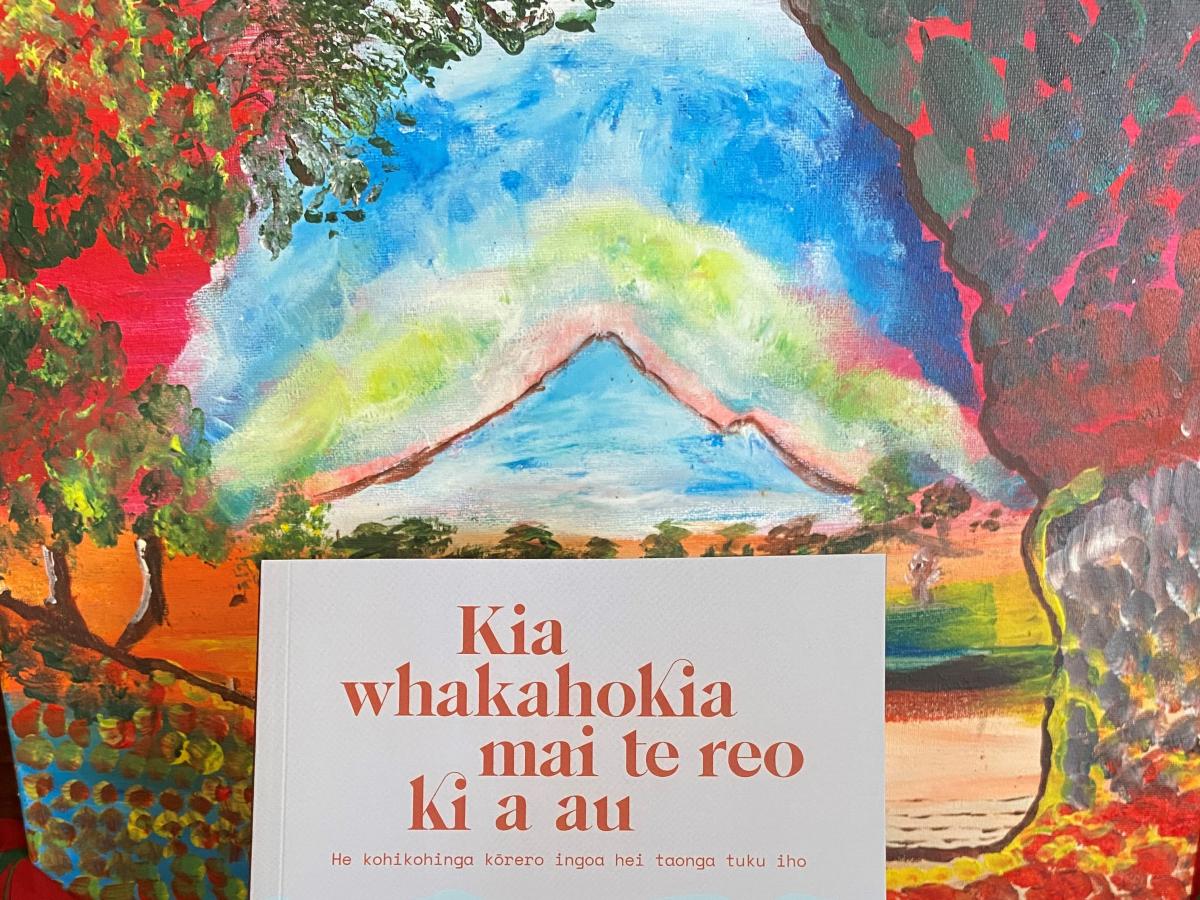
This te reo Māori publication shares powerful naming narratives from reo champions who reclaim Māori names as part of their language journeys. Through these stories written entirely in te reo it celebrates identity, resistance, and reo revitalisation, and includes teaching resources for kura kaupapa and wharekura.
View project
Ko wai tō ingoa? Healing from language trauma by renaming and reclaiming ourselves using te reo Māori
This te reo Māori publication shares powerful naming narratives from reo champions who reclaim Māori names as part of their language journeys. Through these stories written entirely in te reo it celebrates identity, resistance, and reo revitalisation, and includes teaching resources for kura kaupapa and wharekura.
The purpose of this proposal is for interns to: - experience the ethos of the Māori & Psychology Research Unit and a culture of research excellence; - enhance their knowledge of indigenous psychology; the process of indigenising psychology; and the task of energising an indigenous Māori psychology. - engage with the research cycle and be active in…
- Liberating Psychologies_Maori Moving Forward_HJones.pdf
- Liberating Psychologies_Maori Moving Forward.pdf
Liberating Psychologies : Māori Moving Forward
The purpose of this proposal is for interns to: - experience the ethos of the Māori & Psychology Research Unit and a culture of research excellence; - enhance their knowledge of indigenous psychology; the process of indigenising psychology; and the task of energising an indigenous Māori psychology. - engage with the research cycle and be active in generating research ideas and proposals for funding. Interns will be located on campus at the Māori & Psychology Research Unit, University of Waikato and will:
Despite the proliferation of equity and diversity plans and policies that have been established in universities across New Zealand over the past 25 years, Māori academic staff make up only a very small proportion of the nation’s academic workforce (6%) and the proportion of Pacific academic staff is even smaller (2%). This study explored the ways that Māori…
View projectMāori Academic Socialisation and the University
Kairangahau · Researchers
-
Professor Joanna Kidman
Joanna is a sociologist with affiliations to Ngāti Maniapoto and Ngāti Raukawa. Her work spans indigenous sociology, Māori youth, higher education, decolonization studies and comparative education. She is especially interested in the interplay of power relations between different groups of people. Joanna is working on two Marsden projects: He Taonga te Wareware: Remembering and Forgetting New Zealand’s Colonial Past investigates how New Zealanders selectively remember and forget difficult and violent events from our colonial past; and What Inspires and Sustains Young People's Engagement in…
This research project’s origins date back 27 years when Dr Joe Te Rito helped establish local Māori radio station Radio Kahungunu at the Hawke’s Bay Polytechnic, Taradale. Joe saw how the dialect of his iwi Rongomaiwahine-Ngāti Kahungunu was diminishing in quality, in terms of grammatical and spoken fluency, with each generation. The station was to fill the…
- PIXEL conf 2010.pdf
- Pukapuka Kōrero Tahi; He Taonga Nō Te Pātaka Kōrero o Te Reo Irirangi o Kahungunu - download the resource book here
Kia areare ki ngā Reo o ngā Tīpuna
This research project’s origins date back 27 years when Dr Joe Te Rito helped establish local Māori radio station Radio Kahungunu at the Hawke’s Bay Polytechnic, Taradale. Joe saw how the dialect of his iwi Rongomaiwahine-Ngāti Kahungunu was diminishing in quality, in terms of grammatical and spoken fluency, with each generation. The station was to fill the gap for children who did not have Māori spoken in the home or role models to learn te reo from. While schools looked after education, the station wanted to bring the voices into the home.
- PIXEL conf 2010.pdf
- Pukapuka Kōrero Tahi; He Taonga Nō Te Pātaka Kōrero o Te Reo Irirangi o Kahungunu - download the resource book here
Kairangahau · Researchers
-
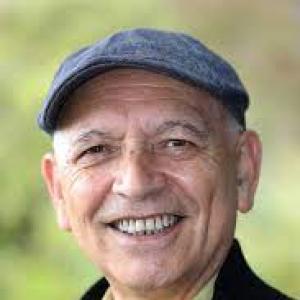
Dr Joseph Te Rito
Dr Joseph Te Rito
Dr Joe Te Rito is of Ngāti Hinemanu descent from Ōmāhu out of Hastings. The community was devastated by Cyclone Gabrielle which flooded the whole community including over 100 houses, the marae, cemetery, school, and kohanga reo. Joe has actively assisted in the recovery efforts by his community since then to provide shelter for displaced families; water, food and stores to local whānau, the rural farming community and other marae; plan for future housing; gather up kōiwi from the cemetery and an ancient burial site unearthed by the flood; recover old carvings from an old pātaka; and revive local Māori history that had been forgotten. He was former head of Māori Studies at EIT (17 years), worked at Ngā Pae o te Māramatanga (11 years), currently works for Ako Aotearoa (7 years); and is the original and current head of Radio Kahungunu (35 years).
This internship explored how Maramataka Māori and mātauranga can be meaningfully integrated into English and Māori-medium education in Aotearoa. It supported the protection and sharing of tohunga knowledge through research and a symposium connecting Indigenous educators across the Pacific.
View projectMaramataka Māori Embedding Indigenous Knowledge(s) in Education
This internship explored how Maramataka Māori and mātauranga can be meaningfully integrated into English and Māori-medium education in Aotearoa.
It supported the protection and sharing of tohunga knowledge through research and a symposium connecting Indigenous educators across the Pacific.
This summer internship joins and contributes to a research project on Māori whānau experience of Hospital Transfers by being involved and undertaking literature review, in depth analysis of interview data and considering and reflecting on their research and the research impact and contribution. Publicly-funded hospitals are large healthcare institutions…
View projectMāori whānau experience of Hospital Transfers
Kairangahau · Researchers
-
Professor Bridgette Masters-Awatere
Bridgette Masters-Awatere (Te Rarawa, Ngāi te Rangi, Tūwharetoa ki Kawerau) is a Professor in Te Kura Whatu Oho Mauri - School of Psychology - in the Division of Arts, Law, Psychology and Social Sciences at the University of Waikato. In addition to her role as Director of the Community Psychology postgraduate programme for registration as a psychologist, she is the Director of the Māori & Psychology Research Unit. Both Directorships are situated within the School of Psychology. Bridgette trained as a psychologist, with a special interest in community and Indigenous wellbeing. Before joining…
A survey study conducted in 2012 investigated whether employee perceptions of the extent to which their organisation espoused 5 core Māori values identified in the literature (manaakitanga, wairuatanga, auahatanga, whakawhanaungatanga, and kaitiakitanga), influenced their disposition to engage in helping behaviours at work and feel more committed to the…
View projectMāori values in the workplace
A survey study conducted in 2012 investigated whether employee perceptions of the extent to which their organisation espoused 5 core Māori values identified in the literature (manaakitanga, wairuatanga, auahatanga, whakawhanaungatanga, and kaitiakitanga), influenced their disposition to engage in helping behaviours at work and feel more committed to the organisation. These relationships were moderated by extent of identification with Māori culture (being Māori vs. identifying as Māori).
Author: Nimbus Staniland. Supervisor: Professor Charles Crothers This report introduces quantitative analyses of Māori youth employment and occupational status using data from the New Zealand General Social Survey (NZGSS) issued by Statistics New Zealand (SNZ) in 2008 and 2010. This research project was conducted as a piece of a larger project entitled…
View projectMāori Youth Employment: Internship Report
This research explored Māori views and access to Assisted Human Reproduction (AHR). The researchers carried out a series of interviews with key stakeholders to identify key themes, and a number of hui were run to ascertain broader Māori views towards infertility, use of AHR, AHR policy and legislative change, and the interface between tikanga Māori and…
View projectMāori and assisted human reproduction: An exploratory study
This project involved gathering and mapping the whakapapa kōrero of four land, river, coastal pathways in the rohe of Ngāti Apa. The researchers worked with four whānau to research and identify old walkways or travel paths.
View projectKaupapa Māori Methods: Sharing our Experiences
The premature birth of babies is a highly stressful and tense event for whānau. The care of such babies is focused within hospital based Neonatal Intensive Care Units.
View projectMāori whānau experiences of neonatal care experiences
The premature birth of babies is a highly stressful and tense event for whānau. The care of such babies is focused within hospital based Neonatal Intensive Care Units.