Search our Resources
People, publications, projects, videos, stories, and more
Ngā pukapuka · Publications 56
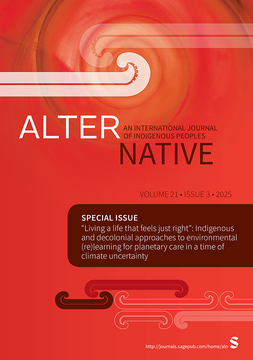
AlterNative is a multidisciplinary and interdisciplinary journal that publishes scholarship across the Social Sciences, Humanities, Education, Health, Business, and Law. It publishes articles engaging with a variety of theoretical debates in areas including: Cultural studies, Education, Human Geography, Health, Business, Law, History, Politics, Philosophy, Literature, Visual and Performing Arts, Environmental studies, Psychology, and Sociology.
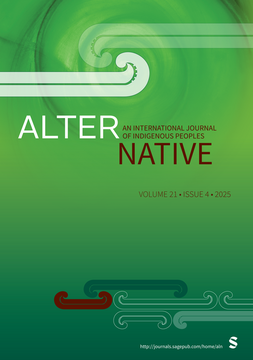
AlterNative Volume 21 Issue 4, December 2025
AlterNative is a multidisciplinary and interdisciplinary journal that publishes scholarship across the Social Sciences, Humanities, Education, Health, Business, and Law. It publishes articles engaging with a variety of theoretical debates in areas including: Cultural studies, Education, Human Geography, Health, Business, Law, History, Politics, Philosophy, Literature, Visual and Performing Arts, Environmental studies, Psychology, and Sociology.
MAI Journal 2024 Volume 13 Issue 1
The first 2024 issue for MAI Journal, Volume 13, Issue 1 contains 12 articles of different subjects and 1 Commentary. This reflects the multi-disciplinary approach for NPM research in Aotearoa. From Traditional Knowledges to a Framework for Vision Matauranga and Safer travel options for tamariki to Reinvigorating homeplaces for our whanau and communities, we see the different areas of research undertaken by our researchers and authors in this issue for 2024.Our lead article “Ma wai e kawea taku kauae ki Tāwhiti? Utilising mātauranga Maori to convey us into the future” by Maia Heteraka…
MAI Journal 2025 Volume 14 Issue 1 Special Issue Climate Change
In this special issue, 'Caring for Earth Mother: Indigenous-Led Pathways to Climate Adaptation', there are 12 articles. Indigenous knowledge is critical in addressing the climate crisis. In this special issue on climate change, Indigenous scholars have identified pathways for world leaders and policymakers to incorporate Indigenous perspectives into climate decision-making, advocating for the preservation and sharing of traditional wisdom. They stress the importance of recognising Indigenous land rights, addressing the displacement of communities due to climate change, and ensuring equitable…
MAI Journal 2025 Volume 14 Issue 2
In this general issue, MAI Journal Volume 14, Issue 2 presents a rich and diverse collection of Indigenous scholarship that speaks to the lived realities, aspirations, and innovations of Māori and Pacific communities. This issue features 12 articles and two commentaries that explore themes of wellbeing, education, housing, health, and systemic transformation—from whatu pedagogy and teenage māmā Māori experiences, to rangatahi-led insights on racial bias and Indigenous governance of freshwater. The issue also includes powerful navigational guides for Māori and Pacific postgraduates in STEM…
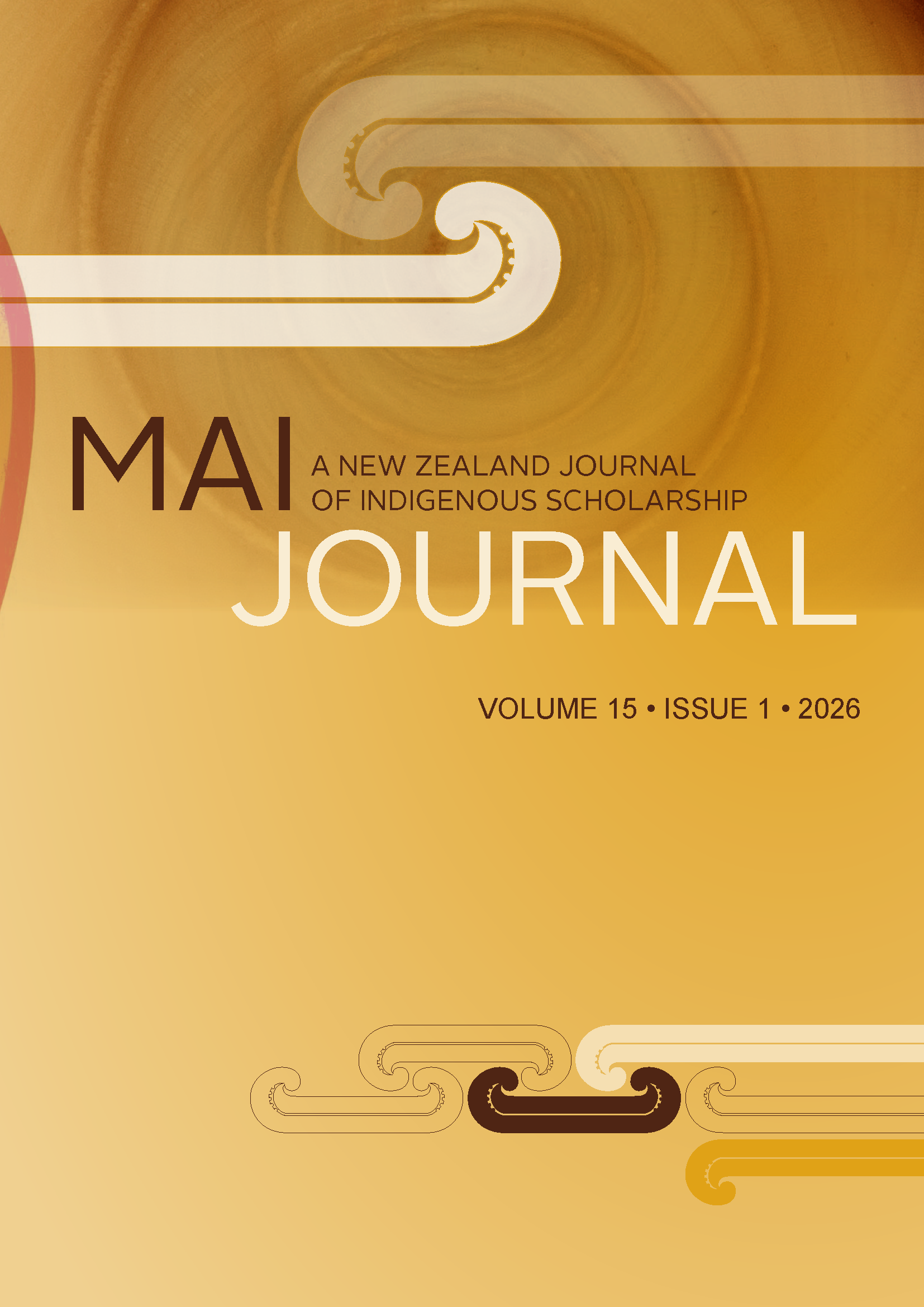
MAI Journal 2026 Volume 15 Issue 1
In this general issue, MAI Journal Volume 15, Issue 1 presents a wide collection of Indigenous research and scholarship that foregrounds Māori and Pacific perspectives on resilience, wellbeing, and self-determination. This issue features 15 articles, four commentaries, and a book review exploring kaupapa such as Māori economies and kai sovereignty, Indigenous research ethics, health and housing inequities, education, and justice. Contributions span topics from whakapapa-based economic frameworks and māra-centred urban planning, to rangatahi voices, Māori workforce experiences, and Pacific…
AlterNative Volume 22 Issue 1, March 2026
AlterNative is a multidisciplinary and interdisciplinary journal that publishes scholarship across the Social Sciences, Humanities, Education, Health, Business, and Law. It publishes articles engaging with a variety of theoretical debates in areas including: Cultural studies, Education, Human Geography, Health, Business, Law, History, Politics, Philosophy, Literature, Visual and Performing Arts, Environmental studies, Psychology, and Sociology.
International Indigenous Research Conference 2024
Ngā Pae o te Māramatanga (NPM) is the founding host of the biennial International Indigenous Research Conference (IIRC) 12–15 November, 2024. The IIRC has a well established reputation as the premier international Indigenous conference and consistently attracts high numbers of national and international participants. IIRC is a time for reflection, sharing, planning, innovating. IIRC offers participants a range of engagement modes: master classes, premiere keynotes, guest speakers and time to connect and renew. As a deeply related community of Indigenous researchers internationally, we come…
International Indigenous Research Conference 2022
IIRC 2022 is our biennial international conference for the sharing of premiere Māori and Indigenous knowledge, research and scholarship. We welcome you from all parts of the world to our [virtual] place, coming to you from Waipapa Marae, University of Auckland campus, Aotearoa New Zealand. As we reach out across our nation and to Indigenous researchers across the world, we invite you to be inspired by excellence, connection, creativity, deep thought and scholar activism. Embracing the conference theme of ‘Indigenous Futures’, our week of sharing will look to knit together Indigenous research…
International Indigenous Research Conference 2018 Proceedings
Ngā Pae o te Māramatanga New Zealand’s Māori Centre of Research Excellence (NPM) is the founding host of the biennial International Indigenous Research Conference. It is our honour to enable and host this conference to create an international stage for engagement, sharing and future shaping of globally relevant Indigenous led research.The aims of this conference are to:host an international celebration of Indigenous lead researchfoster an international gathering of Indigenous researchers in all disciplines to share research, inspire new research connections and promote research…
International Indigenous Research Conference 2016
Our November 2016 conference was structured around Ngā Pae o te Māramatanga's key research themes for the next five years;Whai Rawa – Prosperous Indigenous EconomiesTe Tai Ao – Healthy Natural EnvironmentsMauri Ora – Indigenous Human FlourishingMahi Auaha – Creative Indigenous Innovation Te Reo me Ngā Tikanga Māori – Thriving Indigenous Languages and CulturesThese five thematic areas and the conference itself was supported and delivered through a programme of Te Reo me Ngā Tikanga Māori.
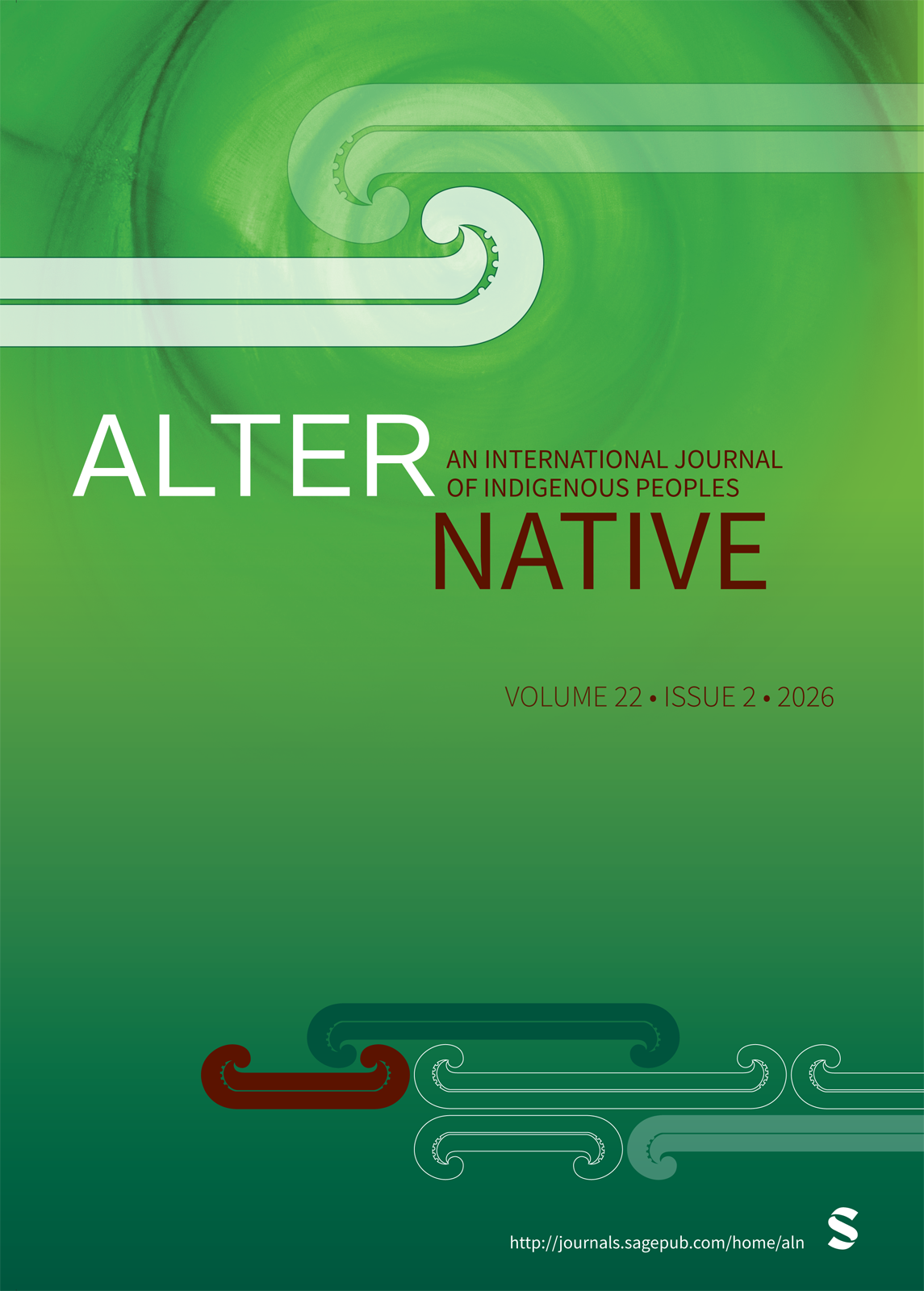
AlterNative Issue Volume 22 Issue 2, June 2026
AlterNative is a multidisciplinary and interdisciplinary journal that publishes scholarship across the Social Sciences, Humanities, Education, Health, Business, and Law. It publishes articles engaging with a variety of theoretical debates in areas including: Cultural studies, Education, Human Geography, Health, Business, Law, History, Politics, Philosophy, Literature, Visual and Performing Arts, Environmental studies, Psychology, and Sociology.
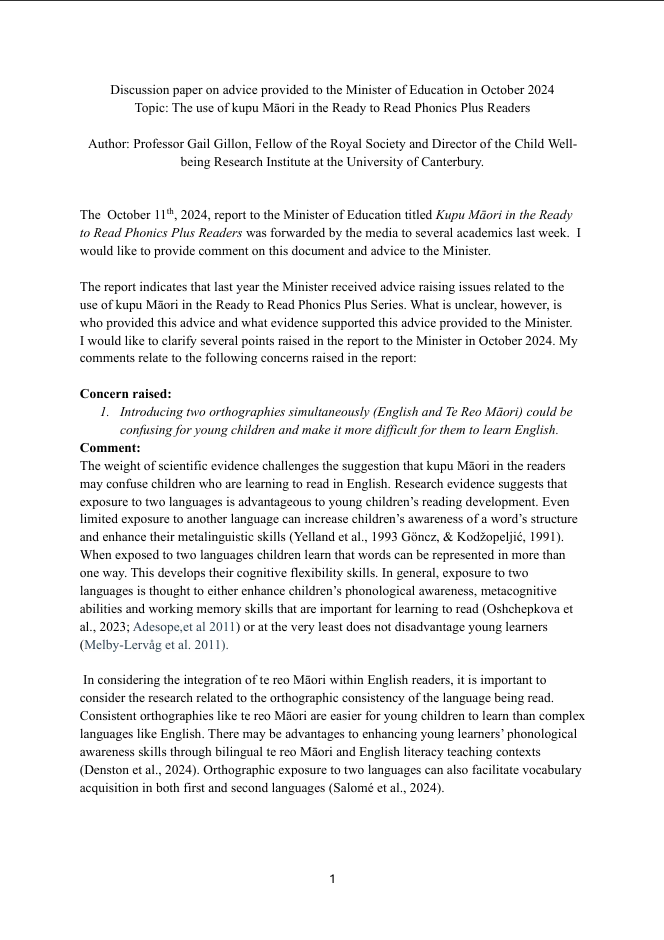
Discussion paper on advice provided to the Minister of Education in October 2024
Discussion paper on advice provided to the Minister of Education in October 2024 on the use of kupu Māori in the Ready to Read Phonics Plus Readers.
Author: Professor Gail Gillon, Fellow of the Royal Society and Director of the Child Well being Research Institute at the University of Canterbury.
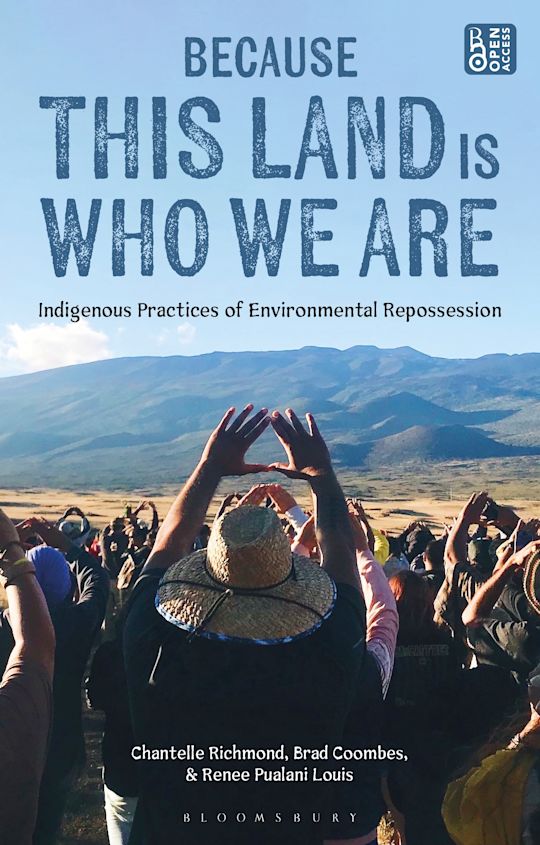
Because This Land is Who We Are: Indigenous Practices of Environmental Repossession
Because This Land Is Who We Are is an exploration of environmental repossession, told through a collaborative case study approach, and engaging with Indigenous communities in Canada (Anishinaabe), Hawai'i (Kanaka Maoli) and Aotearoa (Maori). The co-authors are all Indigenous scholars, community leaders and activists who are actively engaged in the movements underway in these locations, and able to describe the unique and common strategies of repossession practices taking place in each community.This open access book celebrates Indigenous ways of knowing, relating to and honouring the land…
The Politics of Urban Potentiality
This volume examines how urban potentiality emerges in performances that reclaim the city, acting as an emancipatory force when dominant patterns of urban behaviour are thrown into crisis. It can result in establishing new habits of inhabiting city space, collective experiences shaping practices of urban commoning, re-inventing community relations, and freeing collaboration from capitalist expropriation. Instead of problematizing such radical change through the modernist belief in heroic unique acts, we need to explore the power dissident performances acquire when repeated. In search of an…
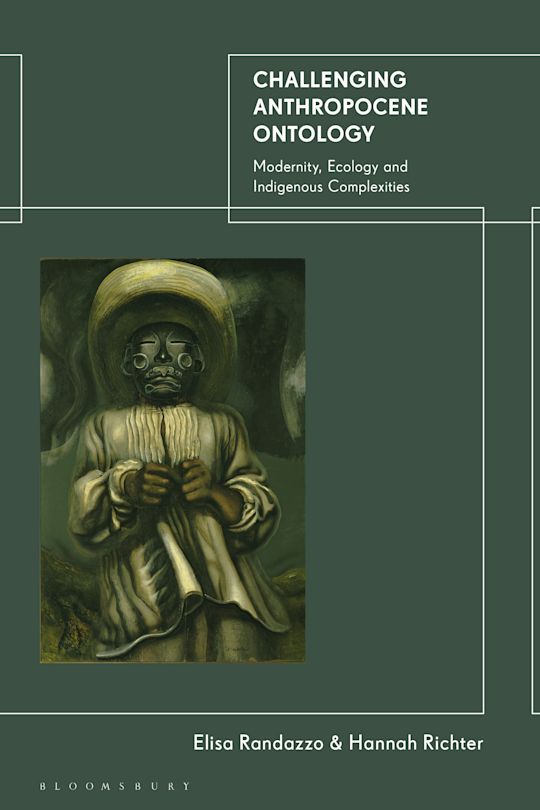
Challenging Anthropocene Ontology Modernity, Ecology and Indigenous Complexities
Using the recent turn to ecology as a starting point, Hannah Richter and Elisa Randazzo bring ecological thinking into contact with Critical Indigenous Studies, in which awareness of the necessity for sustainable relations between humans and non-humans has long preceded Western Anthropocene discourse. Currently, the drastic ecological changes labelled as 'the Anthropocene' not only increasingly shape the political awareness and the priorities of citizens and governments, but also inform a large body of social scientific scholarship.Indigenous scholarship and practice, in particular ecological…
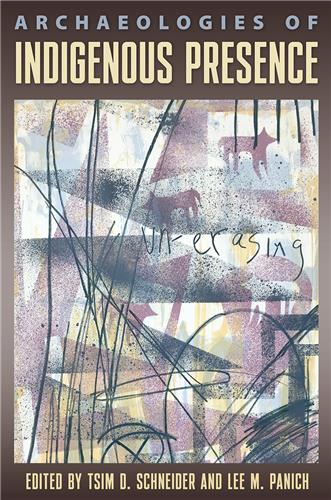
Archaeologies of Indigenous Presence
Highlighting collaborative archaeological research that centers the enduring histories of Native peoples in North America “A perfect embodiment of the major transformations occurring in North American archaeology today. The wide representation of Native American voices in this volume may be unequaled anywhere in the archaeological literature. The authors advocate methods, concepts, and terminologies to unerase practices of erasure.”—Charles R. Cobb, author of The Archaeology of Southeastern Native American Landscapes of the Colonial Era “As a Native academic with over 20 years of experience…
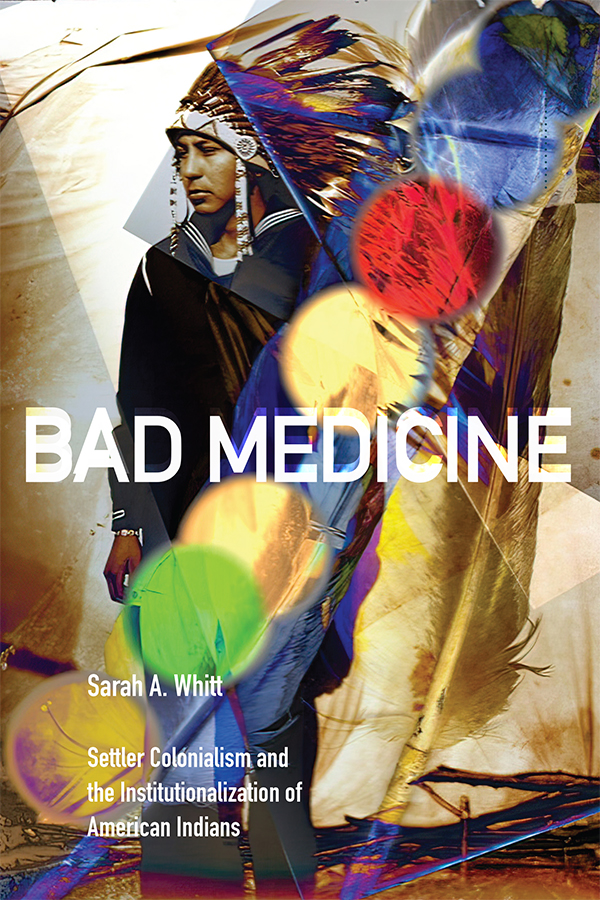
Bad Medicine: Settler Colonialism and the Institutionalization of American Indians
In Bad Medicine, Sarah A. Whitt exposes how Native American boarding schools and other settler institutions like asylums, factories, and hospitals during the late nineteenth and early twentieth centuries worked together as a part of an interconnected system of settler domination. In so doing, Whitt centers the experiences of Indigenous youth and adults alike at the Carlisle Indian School, Canton Asylum for Insane Indians, Ford Motor Company Factory, House of the Good Shepherd, and other Progressive Era facilities. She demonstrates that in the administration of these institutions, which…
Unsettling Colonial Automobilities: Criminalisation and Contested Sovereignties
Exploring the vehicle’s role in imposing colonialism on Indigenous people, this book proposes an Indigenous automobility that reclaims sovereignty over place and centricity.
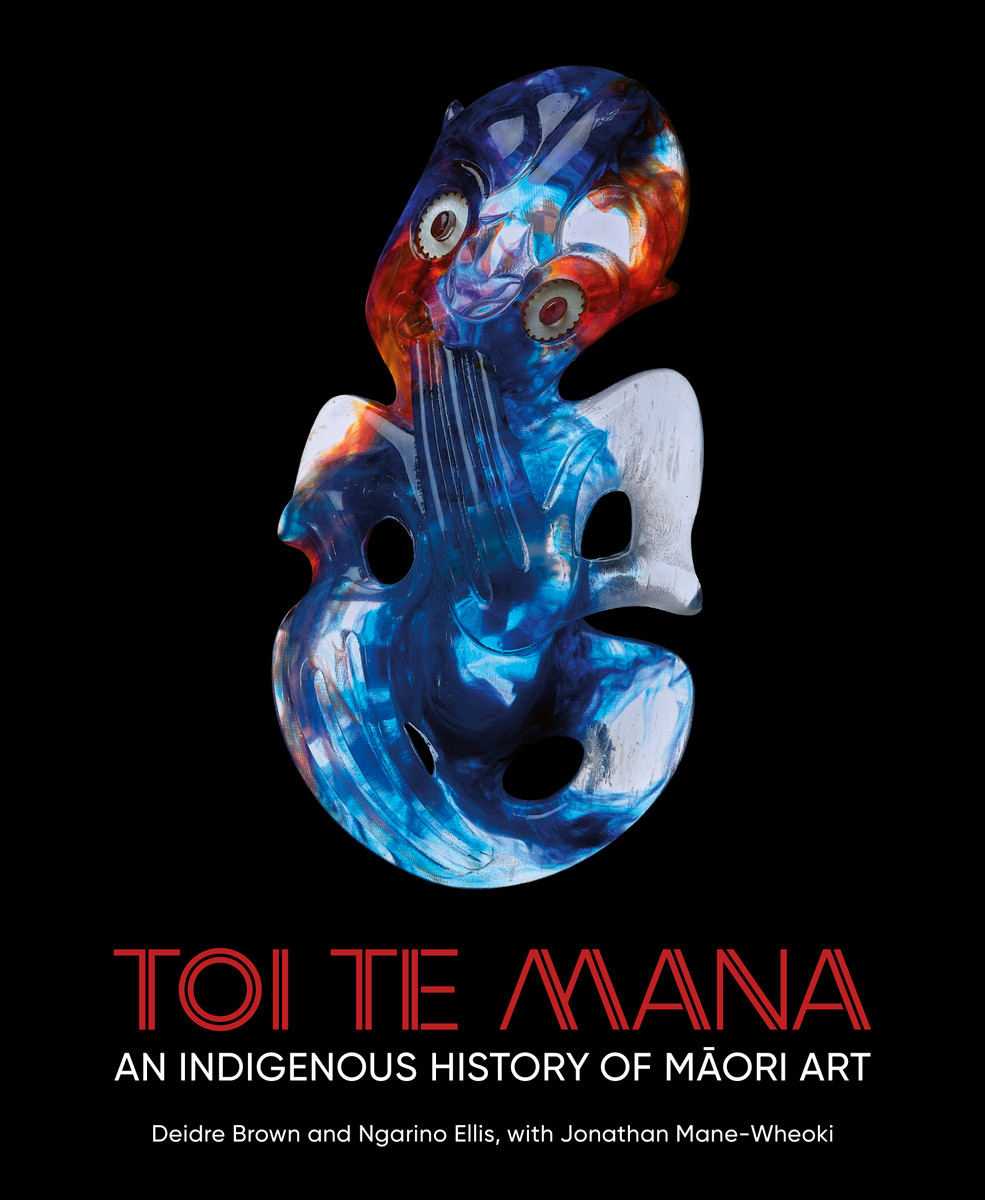
Toi Te Mana: An Indigenous History of Māori Art
A landmark account in words and pictures of Māori art, by Māori art historians – from Polynesian voyaging waka to contemporary Māori artists.He toi whakairo, he mana tangata.Through artistic excellence, there is human dignity.Toi Te Mana is a landmark account of Māori art from the time of the tūpuna (ancestors) to the present day.In 600 pages and over 500 extraordinary images, this volume invites readers to climb on to the waka for a remarkable voyage – from ancestral weavers to contemporary artists at the Venice Biennale, from whare whakairo to film, and from Te Puea Hērangi to Michael…
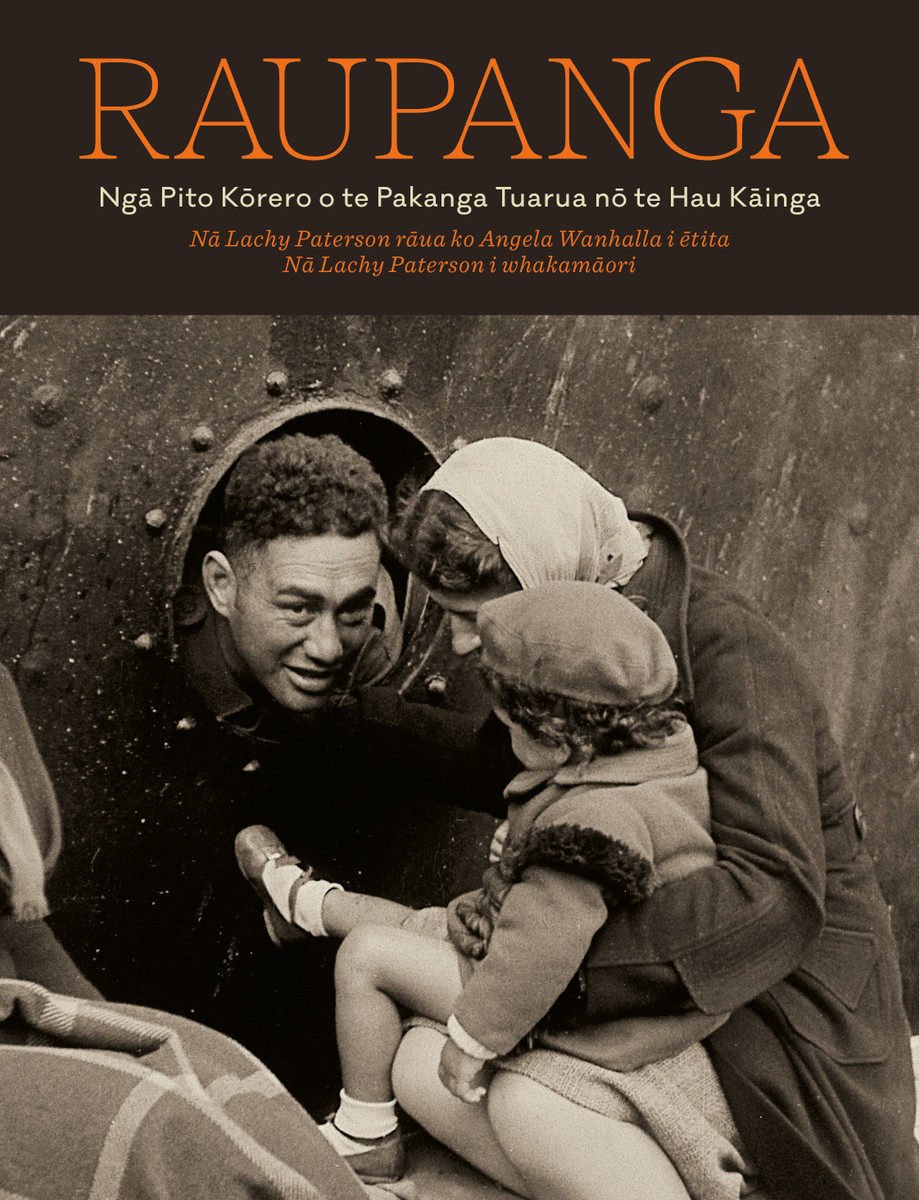
Raupanga: Ngā Pito Kōrero o te Pakanga Tuarua nō te Hau Kāinga
Kua rongo pai te iwi mō ngā mahi a ngā tūpuna hōia, engari, he aha rā ngā kōrero mō te hunga i noho tonu ai ki te kāinga?Whakaheke toto tonu ana te iwi Māori ki te Pakanga Tuarua o te ao. I te tuwheratanga o te whawhai nui ka puta noa ngā taitama hei tūao ki te Taua Tuarua o Aotearoa. Kua rongo pai te iwi mō ngā mahi rongonui a ngā tūpuna hōia, tae noa ki te Ope Taua 28. Engari, he aha rā ngā kōrero mō te hunga i noho tonu ai ki te kāinga?Kei a Raupanga he kōrero mō te ao Māori i te wā o te Pakanga Tuarua, arā, mō ngā mahi me ngā wheako o te hunga i noho nei ki te kāinga. E toru tekau mā iwa…
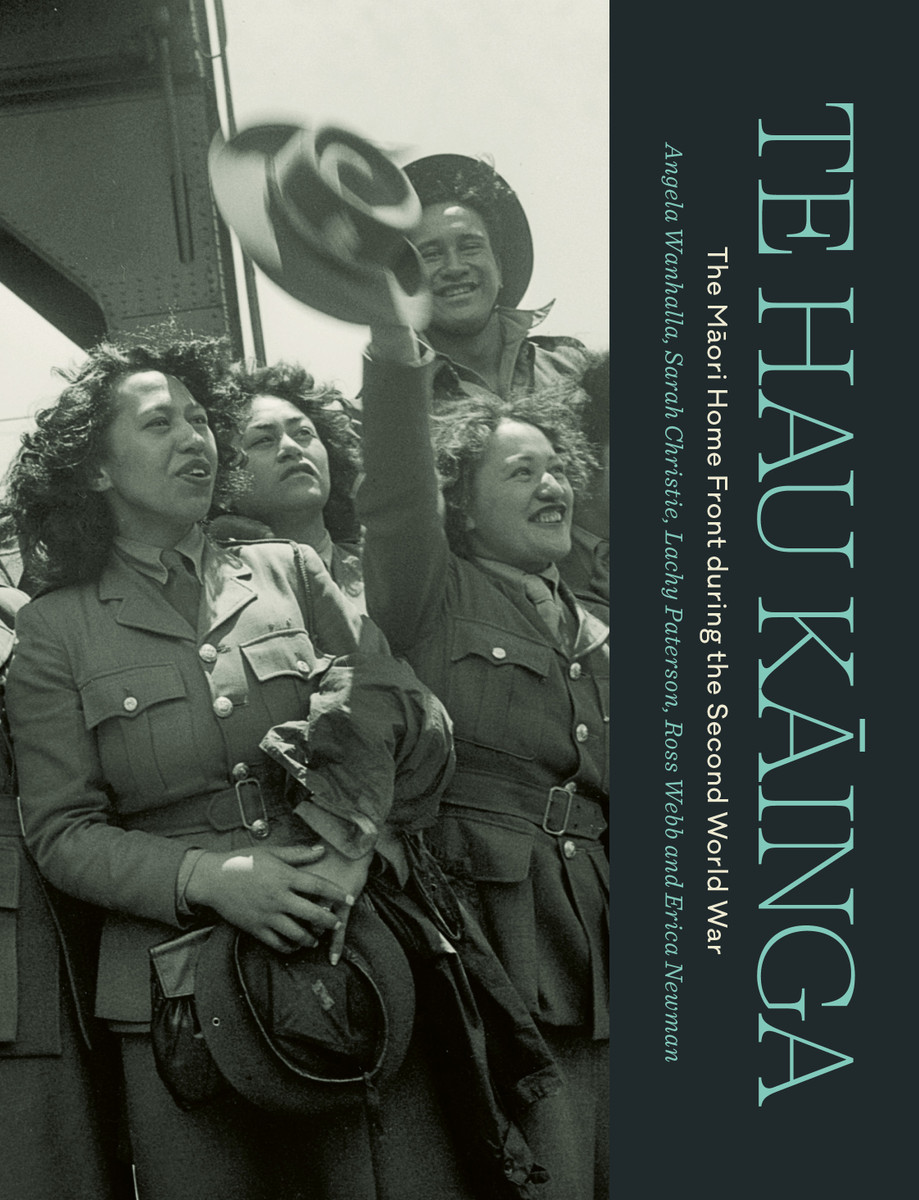
Te Hau Kāinga: The Māori Home Front during the Second World War
The illustrated account of how Māori society was transformed at home while the Māori Battalion were fighting overseas.Taking readers to the farms and factories, the marae and churches where Māori lived, worked and raised their families, Te Hau Kāinga tells the story of the profound transformation in Māori life during the Second World War.While the Māori Battalion fought overseas, the Māori War Effort Organisation and its tribal committees engaged Māori men and women throughout Aotearoa in the home guard, the women’s auxiliary forces, and national agricultural and industrial production. Māori…
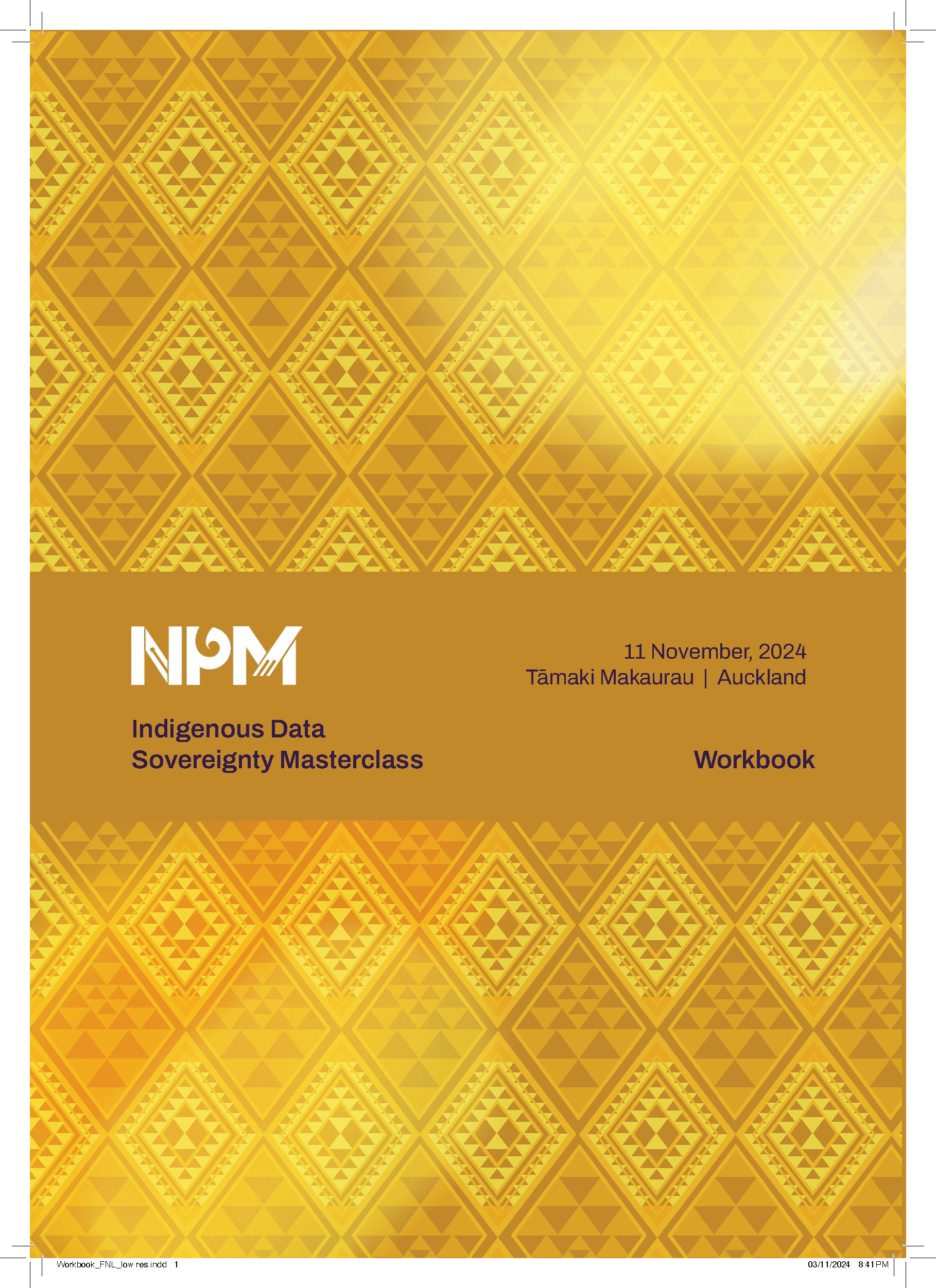
Indigenous Data Sovereignty Masterclass Workbook
It has been nearly a decade since the publication of the landmark book Indigenous Data Sovereignty: Toward an Agenda. Since then, Indigenous Data Sovereignty scholarship, solutions, advocacy and activism has flourished.The aim of this Indigenous Data Sovereignty Masterclass is to share insights, strategies and tools with those who want to better understand how they can engage with IDSov and how it can benefit their communities and organisations.Invited mātanga (experts) from Aotearoa and overseas will take participants through five sessions focused on the following topics:Indigenous Data…