About this research
This summer internship joins and contributes to a research project on Māori whānau experience of Hospital Transfers by being involved and undertaking literature review, in depth analysis of interview data and considering and reflecting on their research and the research impact and contribution.
Publicly-funded hospitals are large healthcare institutions with specialised staff and technologies where people are referred for care or present for acute care in the case of emergencies. For many people, hospitals can be anxiety-raising environments with unfamiliar routines, practices and encounters that can be at times intimate, strange and intrusive. Multiple people are involved throughout a patient’s interaction with hospital healthcare. There are many reasons patients and their whānau engage with hospital health services. Alongside this, centralised care has resulted in different levels of specialist services being available at different hospitals. No matter the reason for engaging health care (acute, elective, or for a chronic condition), the significant parties are the patient and their whānau, the hospital system, and its staff. Holistic, whānau-centred care approaches have long been integral to Māori conceptualisations of health and wellbeing. When unwell whānau members are removed from the familiar context of their everyday lives, the world around them can become strange and feelings of vulnerability often arise.
| Intern - Sarah Murphy | Ngāi Tahu | University of Waikato | Supervisor - Dr Bridgette Masters-Awatere | University of Waikato |
Kairangahau · Researchers
 Professor Bridgette Masters-Awatere
Te Rarawa, Ngāi te Rangi, Tuwharetoa ki Kawerau
University of Waikato
Bridgette Masters-Awatere (Te Rarawa, Ngāi te Rangi, Tūwharetoa ki Kawerau) is a Professor in Te Kura Whatu Oho Mauri -…
Professor Bridgette Masters-Awatere
Te Rarawa, Ngāi te Rangi, Tuwharetoa ki Kawerau
University of Waikato
Bridgette Masters-Awatere (Te Rarawa, Ngāi te Rangi, Tūwharetoa ki Kawerau) is a Professor in Te Kura Whatu Oho Mauri -…
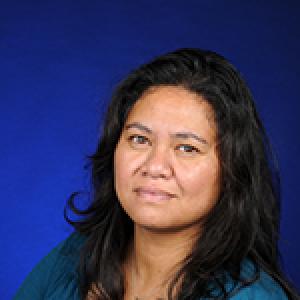
Professor Bridgette Masters-Awatere
Ētahi atu · Other projects
Western views on disability & underfunding of Indigenous health marginalises kāpō Māori. New research aims to change this & centre kāpō Māori lifeworlds Traditional forms of Māori story-telling describe strong and knowledgeable kāpō Māori. Ongoing processes of colonisation has seen experiences of marginalisation, invisibility, and ‘othering’ become the norm…
View project"Seeing" kāpō Māori: Documenting the oft invisibilized experiences of kāpō Māori during and post-COVID-19
Kairangahau · Researchers
-
Professor Bridgette Masters-Awatere
Professor Bridgette Masters-Awatere
Bridgette Masters-Awatere (Te Rarawa, Ngāi te Rangi, Tūwharetoa ki Kawerau) is a Professor in Te Kura Whatu Oho Mauri - School of Psychology - in the Division of Arts, Law, Psychology and Social Sciences at the University of Waikato. In addition to her role as Director of the Community Psychology postgraduate programme for registration as a psychologist, she is the Director of the Māori & Psychology Research Unit. Both Directorships are situated within the School of Psychology. Bridgette trained as a psychologist, with a special interest in community and Indigenous wellbeing. Before joining…
While all hospitalisations can be stressful for patients and their whānau, hospitalisations involving transfers away from home can be even more so and can present unique issues in terms of how whānau negotiate distance, unfamiliarity, active engagement and help-seeking. In this study, we are interested in better understanding how whānau facilitate support…
View projectHospital transfers: Whānau involvement in the healing equation
Kairangahau · Researchers
-
Professor Bridgette Masters-Awatere
Professor Bridgette Masters-Awatere
Bridgette Masters-Awatere (Te Rarawa, Ngāi te Rangi, Tūwharetoa ki Kawerau) is a Professor in Te Kura Whatu Oho Mauri - School of Psychology - in the Division of Arts, Law, Psychology and Social Sciences at the University of Waikato. In addition to her role as Director of the Community Psychology postgraduate programme for registration as a psychologist, she is the Director of the Māori & Psychology Research Unit. Both Directorships are situated within the School of Psychology. Bridgette trained as a psychologist, with a special interest in community and Indigenous wellbeing. Before joining… -
 Associate Professor Donna Cormack
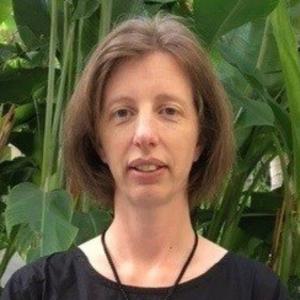
Associate Professor Donna Cormack
Dr Donna Cormack (Kai Tahu, Kāti Māmoe) is an Associate Professor at Te Kupenga Hauora Māori, University of Auckland.Donna is course director for the postgraduate papers MAORIHTH 710 Kaupapa Māori Theory, and MAORIHTH 709 Transformative Research for Māori Health, and co-convenes MAORIHTH711 Kaupapa Māori quantitative research. Donna teaches into other undergraduate and postgraduate papers in the Faculty of Medical and Health Sciences. She is also an active member of Tōmaiora Research Centre within Te Kupenga Hauora Māori. Her research focuses on racism and other forms of oppression…
Climate change disproportionately affects Indigenous communities across the globe. In Aotearoa, Māori face these inequities while also holding deep-rooted knowledge systems that offer powerful, holistic responses to environmental transformation.
View projectExamining the contribution of mātauranga Māori to climate health in Aotearoa
Climate change disproportionately affects Indigenous communities across the globe. In Aotearoa, Māori face these inequities while also holding deep-rooted knowledge systems that offer powerful, holistic responses to environmental transformation.
Kairangahau · Researchers
-
 Dr Ken Taiapa
Dr Ken Taiapa
Ken Taiapa is a Post Doctoral Research Fellow at the Whāriki Research Centre, and is part of the HRC funded Tangata Whenua Tangata Ora research programme. His research interests include the relationship between healthy environments and healthy people, with a focus on Māori & indigenous values and eco-health, and kai sovereignty. His PhD work told the story of a hapū mārakai inititiative and the healing that occured through connecting people to whenua. He is also employed by the University of Otago as a Post-Dpctoral Research Fellow on the Climate Health Aotearoa project; a multi-institutional… -
Professor Bridgette Masters-Awatere
Professor Bridgette Masters-Awatere
Bridgette Masters-Awatere (Te Rarawa, Ngāi te Rangi, Tūwharetoa ki Kawerau) is a Professor in Te Kura Whatu Oho Mauri - School of Psychology - in the Division of Arts, Law, Psychology and Social Sciences at the University of Waikato. In addition to her role as Director of the Community Psychology postgraduate programme for registration as a psychologist, she is the Director of the Māori & Psychology Research Unit. Both Directorships are situated within the School of Psychology. Bridgette trained as a psychologist, with a special interest in community and Indigenous wellbeing. Before joining… -
Associate Professor Christina Mckerchar
Associate Professor Christina Mckerchar
Christina Mckerchar is of Ngāti Kahungunu, Tūhoe, and Ngāti Porou descent. She trained as a nutritionist and worked for a number of years for Te Hotu Manawa Māori, a national Māori Health provider, before her academic career. Her research has focused broadly on the right to healthy food. She has researched the food environment, especially food availability and marketing, food security and food sovereignty, and other aspects of public health that impact hauora Māori, including alcohol, transport, and housing.Christina is a member of Climate Health Aotearoa, and is on the Food Expert panel for… -
Summer Rangimaarie Wright
Summer Rangimaarie Wright