About this research
Summary
Since the arrival of visitors to Aotearoa, Māori have always been quick to assess and adapt language, technology and information. Contemporary society brings new languages, technology and information instantly to our fingertips. New pressures and demands can be a consequence of readily accessible knowledge. For all its advances, there are also disadvantages. For rangatahi, those with addictions and Māori whānau connections and wellbeing can be negatively affected.
This programme of research investigates examples of Māori approaches to social wellbeing. Through a series of research activities undertaken by the research team, a case study will emerge reflective of collaborative interactions with key stakeholder organisations. Utilising qualitative methods such as key informant, wānanga, hui, photo elicitation and go along interviews, the research is primed to capitalise on the collaborative relationships to affect national policy and regional service delivery.
Research Question
How can the unique contributions of a Māori worldview that upholds and supports rangatahi and whānau contribute to Māori social wellbeing?
Lead Researcher
Professor Bridgette Masters-Awatere, University of Waikato
Research Team
Dr Pita King, Te Rarawa, Massey University
Dr Moana Rarere, Rongomaiwahine, Ngāti Kahungunu, Tūhoe, Whakatōhea, University of Waikato
Dr Rewi Nankivell, Ngāti Maniapoto, Ngā Puhi, University of Waikato
Dr Eleanor Britain, Ngati Kahungunu ki Te Wairoa, Ngāti Raikaipaka, Massey University – Wellington
Dr Ririwai Fox, Ngāti Kahungunu ki Wairarapa, Ngāti Porou, University of Waikato
Hans Tiakiwai, Tūhoe, Te Wharekura o Ruatoki?
Megan Fitzpatrick, Te Rarawa, Ngāti Hine, Ngāpuhi, Waikato University
Prof Darrin Hodgetts, Kai Tahu, Massey University – Albany
Tiana Watkins, Ngāi te Rangi, Ngāti Pūkenga, Ngāti Ranginui, Waikato University
Since the arrival of visitors to Aotearoa, Māori have always been quick to assess and adapt language, technology and information. Contemporary society brings new languages, technology and information instantly to our fingertips. New pressures and demands can be a consequence of readily accessible knowledge. For all its advances, there are also disadvantages. For rangatahi, those with addictions and Māori whānau connections and wellbeing can be negatively affected.
This programme of research investigates examples of Māori approaches to social wellbeing. Through a series of research activities undertaken by the research team, a case study will emerge reflective of collaborative interactions with key stakeholder organisations. Utilising qualitative methods such as key informant, wānanga, hui, photo elicitation and go along interviews, the research is primed to capitalise on the collaborative relationships to affect national policy and regional service delivery.
Kairangahau · Researchers
 Professor Bridgette Masters-Awatere
Te Rarawa, Ngāi te Rangi, Tuwharetoa ki Kawerau
University of Waikato
Bridgette Masters-Awatere (Te Rarawa, Ngāi te Rangi, Tūwharetoa ki Kawerau) is a Professor in Te Kura Whatu Oho Mauri -…
Professor Bridgette Masters-Awatere
Te Rarawa, Ngāi te Rangi, Tuwharetoa ki Kawerau
University of Waikato
Bridgette Masters-Awatere (Te Rarawa, Ngāi te Rangi, Tūwharetoa ki Kawerau) is a Professor in Te Kura Whatu Oho Mauri -…
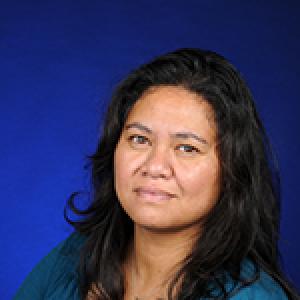
Professor Bridgette Masters-Awatere
 Dr Eleanor Britain
Ngāti Kahungunu ki Te Wairoa , Ngāti Rakaipaaka
Massey University
Dr Eleanor (Elle) Brittain is Ngāti Kahungunu ki Te Wairoa and Ngāti Rakaipaaka. She is a Senior Lecturer in Te Kura…
Dr Eleanor Britain
Ngāti Kahungunu ki Te Wairoa , Ngāti Rakaipaaka
Massey University
Dr Eleanor (Elle) Brittain is Ngāti Kahungunu ki Te Wairoa and Ngāti Rakaipaaka. She is a Senior Lecturer in Te Kura…
Dr Eleanor Britain
 Professor Darrin Hodgetts
Ngāi Tahu
Darrin Hodgetts is a Professor in Social Psychology at the University of Waikato. Previously he was a teaching fellow…
Professor Darrin Hodgetts
Ngāi Tahu
Darrin Hodgetts is a Professor in Social Psychology at the University of Waikato. Previously he was a teaching fellow…

Professor Darrin Hodgetts
Ētahi atu · Other projects
Western views on disability & underfunding of Indigenous health marginalises kāpō Māori. New research aims to change this & centre kāpō Māori lifeworlds Traditional forms of Māori story-telling describe strong and knowledgeable kāpō Māori. Ongoing processes of colonisation has seen experiences of marginalisation, invisibility, and ‘othering’ become the norm…
View project"Seeing" kāpō Māori: Documenting the oft invisibilized experiences of kāpō Māori during and post-COVID-19
Kairangahau · Researchers
-
Professor Bridgette Masters-Awatere
Professor Bridgette Masters-Awatere
Bridgette Masters-Awatere (Te Rarawa, Ngāi te Rangi, Tūwharetoa ki Kawerau) is a Professor in Te Kura Whatu Oho Mauri - School of Psychology - in the Division of Arts, Law, Psychology and Social Sciences at the University of Waikato. In addition to her role as Director of the Community Psychology postgraduate programme for registration as a psychologist, she is the Director of the Māori & Psychology Research Unit. Both Directorships are situated within the School of Psychology. Bridgette trained as a psychologist, with a special interest in community and Indigenous wellbeing. Before joining…
This summer internship joins and contributes to a research project on Māori whānau experience of Hospital Transfers by being involved and undertaking literature review, in depth analysis of interview data and considering and reflecting on their research and the research impact and contribution. Publicly-funded hospitals are large healthcare institutions…
View projectMāori whānau experience of Hospital Transfers
Kairangahau · Researchers
-
Professor Bridgette Masters-Awatere
Professor Bridgette Masters-Awatere
Bridgette Masters-Awatere (Te Rarawa, Ngāi te Rangi, Tūwharetoa ki Kawerau) is a Professor in Te Kura Whatu Oho Mauri - School of Psychology - in the Division of Arts, Law, Psychology and Social Sciences at the University of Waikato. In addition to her role as Director of the Community Psychology postgraduate programme for registration as a psychologist, she is the Director of the Māori & Psychology Research Unit. Both Directorships are situated within the School of Psychology. Bridgette trained as a psychologist, with a special interest in community and Indigenous wellbeing. Before joining…
While all hospitalisations can be stressful for patients and their whānau, hospitalisations involving transfers away from home can be even more so and can present unique issues in terms of how whānau negotiate distance, unfamiliarity, active engagement and help-seeking. In this study, we are interested in better understanding how whānau facilitate support…
View projectHospital transfers: Whānau involvement in the healing equation
Kairangahau · Researchers
-
Professor Bridgette Masters-Awatere
Professor Bridgette Masters-Awatere
Bridgette Masters-Awatere (Te Rarawa, Ngāi te Rangi, Tūwharetoa ki Kawerau) is a Professor in Te Kura Whatu Oho Mauri - School of Psychology - in the Division of Arts, Law, Psychology and Social Sciences at the University of Waikato. In addition to her role as Director of the Community Psychology postgraduate programme for registration as a psychologist, she is the Director of the Māori & Psychology Research Unit. Both Directorships are situated within the School of Psychology. Bridgette trained as a psychologist, with a special interest in community and Indigenous wellbeing. Before joining… -
 Associate Professor Donna Cormack
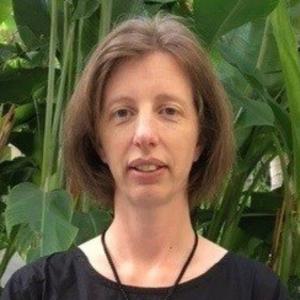
Associate Professor Donna Cormack
Dr Donna Cormack (Kai Tahu, Kāti Māmoe) is an Associate Professor at Te Kupenga Hauora Māori, University of Auckland.Donna is course director for the postgraduate papers MAORIHTH 710 Kaupapa Māori Theory, and MAORIHTH 709 Transformative Research for Māori Health, and co-convenes MAORIHTH711 Kaupapa Māori quantitative research. Donna teaches into other undergraduate and postgraduate papers in the Faculty of Medical and Health Sciences. She is also an active member of Tōmaiora Research Centre within Te Kupenga Hauora Māori. Her research focuses on racism and other forms of oppression…