 Dr. Moana Rarere
" loading="lazy" decoding="async">
Senior Research Fellow Te Ngira Institute for Population Research
Moana Rarere (Rongomaiwahine, Ngāti Kahungunu, Tūhoe, Whakatōhea) is a demographer at Te Ngira Institute for Population Research at the University of Waikato. She studies how and why populations change over time — including births, migration, deaths, and the social, economic, and cultural factors shaping these processes.
A key focus of Moana's work is understanding birth trends and patterns (fertility) - both national and Māori - and how social, cultural, and policy influences shape family/whānau formation over time.
Her research is grounded in Kaupapa Māori approaches and centres on supporting Māori aspirations through data, policy, and community-led innovation. Moana works alongside Māori communities and organisations to explore issues such as population trends, regional development, health equity, and Māori data sovereignty. Across her projects, she aims to generate insights and tools that strengthen Māori decision‑making, enhance wellbeing, and ensure Māori voices and values guide how data is used.
Alongside this work programme, Moana also contributes demographic and analytical expertise to projects examining broader population dynamics, policy impacts, and social change at a national level.
She has extensive experience working with census, survey, and administrative datasets, with specialist knowledge in ethnic and iwi population trends, Māori data sovereignty, and population policy.
Moana serves as council member and Treasurer on the Population Association of New Zealand and represents Australasia on the International Union for the Scientific Study of Population (IUSSP) Early Career Perspectives Panel. Before joinin
Rangahau · Related projects
Since the arrival of visitors to Aotearoa, Māori have always been quick to assess and adapt language, technology and information. Contemporary society brings new languages, technology and information instantly to our fingertips. New pressures and demands can be a consequence of readily accessible knowledge. For all its advances, there are also…
View projectNgā whenu haumaru hei raranga: Social Wellbeing
Since the arrival of visitors to Aotearoa, Māori have always been quick to assess and adapt language, technology and information. Contemporary society brings new languages, technology and information instantly to our fingertips. New pressures and demands can be a consequence of readily accessible knowledge. For all its advances, there are also disadvantages. For rangatahi, those with addictions and Māori whānau connections and wellbeing can be negatively affected.
This programme of research investigates examples of Māori approaches to social wellbeing. Through a series of research activities undertaken by the research team, a case study will emerge reflective of collaborative interactions with key stakeholder organisations. Utilising qualitative methods such as key informant, wānanga, hui, photo elicitation and go along interviews, the research is primed to capitalise on the collaborative relationships to affect national policy and regional service delivery.
Kairangahau · Researchers
-
Dr Pita King
Dr Pita King
Pita King is a Kaupapa Māori Senior Lecturer in the School of Psychology at Massey University. -
Dr. Moana Rarere
Dr. Moana Rarere
Moana Rarere (Rongomaiwahine, Ngāti Kahungunu, Tūhoe, Whakatōhea) is a demographer at Te Ngira Institute for Population Research at the University of Waikato. She studies how and why populations change over time — including births, migration, deaths, and the social, economic, and cultural factors shaping these processes.A key focus of Moana's work is understanding birth trends and patterns (fertility) - both national and Māori - and how social, cultural, and policy influences shape family/whānau formation over time.Her research is grounded in Kaupapa Māori approaches and centres on supporting… -
Dr Rewi Nankivell
Dr Rewi Nankivell
Rewi Nankivell is a lecturer in psychology at the University of Waikato. He contributes to the intersection between lecturing and Kaupapa Māori psychology, Indigenous development, and te reo Māori revitalisation. His contributions are supported by the practical application of his research, aiming to provide tangible benefits for Māori. Currently, Rewi is advancing his scholarship through a doctorate in education, complementing his background in educational leadership and management. His profile highlights a commitment to integrating mātauranga Māori with contemporary psychological research… -
Dr Eleanor Britain
Dr Eleanor Britain
Dr Eleanor (Elle) Brittain is Ngāti Kahungunu ki Te Wairoa and Ngāti Rakaipaaka. She is a Senior Lecturer in Te Kura Hinengaro Tangata, School of Psychology, based on the Pukeahu, Wellington campus. She is also a Clinical Psychologist.Her research focuses on issues pertinent to Māori, including research projects that have explored Māori psychology and wellbeing. With experience in implementing methodologies grounded in the values of Kaupapa Māori research theory, her research practice is predominantly qualitative. Ultimately she sees her work as in service of communities in order to… -
Hans Tiakiwai
Hans Tiakiwai
Ko Hāmua, ko Ngāti Mura, ko Te Mahurehure ngā hapū. Ko Waikirikiri, ko Te Putere o Potaka, ko Te Rewarewa ngā marae. Ko Tūhoe te iwi. I have spent more than 30 years in Māori education as a teacher, Deputy Principal, and for over a decade as Tumuaki of Te Wharekura o Rūātoki, building a kura where tamariki, whānau, and staff felt safe, valued, and connected to who they are. Grounded in te reo Māori, tikanga, and mātauranga Māori, my leadership has always centred on one belief: when people feel seen, and their strengths are recognised, they are capable of extraordinary things. Along the way, I… -
Megan Fitzpatrick
Megan Fitzpatrick
Megan Fitzpatrick specialises in trade policy, with a strong focus on the agricultural sector. This comes from over 10 years of public sector experience working at the Ministry of Foreign Affairs and Trade, the Ministry for Primary Industries and at Capital & Coast District Health Board. She enjoys translating complex data into advice with real-world implications for New Zealanders. She brings a robust set of quantitative skills to NZIER, including Computable General Equilibrium (CGE) modelling, Integrated Data Infrastructure (IDI) analysis, and cost-benefit evaluation. -
 Professor Darrin Hodgetts
Professor Darrin Hodgetts
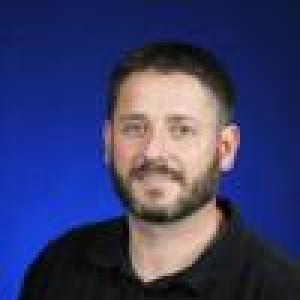
Darrin Hodgetts is a societal and community psychologist with interests in addressing issues of health, urban poverty, precarity, and homelessness. Darrin supervises masters and PHD candidates on a range of topics from experiences of traumatic occupations, to intermit partner violence, everyday cultural reproduction, pro-social behavior, migration and intergroup relations. He also has interests in theoretical and methodological concerns. Darrin is a societal and community psychologist with interests in addressing issues of health, urban poverty, precarity, and homelessness. Darrin supervises… -
Tiana Watkins
Tiana Watkins
I am a mokopuna, daughter, māmā, and nan from Tauranga Moana, where my tūpuna arrived on both the Mataatua and Takitimu waka. I whakapapa to Ngāi Te Rangi, Ngāti Pūkenga, and Ngāti Ranginui, and also to Ngāi Tahu (Kai Tahu).I am unapologetically Māori, guided by my whakapapa, grounded in my values, and committed to uplifting the wellbeing and wairua of our people. As Senior Manager for LifeKeepers, Aotearoa New Zealand’s national suicide prevention programme, I am honoured to lead kaupapa that centre whānau, connection, and collective strength across the motu.My journey began in Public…
The project will explore the research question: What would a kaupapa Māori based social media platform for Māori communities and whānau look and feel like? The research will involve engaging with a specific Māori community through wānanga/whakawhiti kōrero in order to ascertain the key elements required to develop it into a more Māori-specific and -friendly…
View projectWeaving Māori Hearts in the Digital Wharenui: Nurturing Whakawhanaungatanga Through a Kaupapa Māori Social Media Platform - Tōku Whānau
The project will explore the research question: What would a kaupapa Māori based social media platform for Māori communities and whānau look and feel like? The research will involve engaging with a specific Māori community through wānanga/whakawhiti kōrero in order to ascertain the key elements required to develop it into a more Māori-specific and -friendly platform.
Kairangahau · Researchers
-
BJ Walbaekken
BJ Walbaekken
BJ Walbaekken builds digital things that actually work — for organisations, for communities, and for whānau. Over 25 years BJ has led transformation from the inside of large enterprises and from the ground up as a founder. He's reported to boards, managed national programmes reaching 5,000+ people, and built platforms from concept to working product. As founder of Mana Digital and Tōku Whānau — a kaupapa Māori digital platform designed as a digital wharenui —BJ works at the intersection of technology, strategy, and community impact. BJ is particularly drawn to work where the stakes are real…
Ētahi atu · Other people
Mona-Lisa Wareka
Ngātiwai, Rereahu, Ngāi te Rangi, Ngāti Whātua ki Ōrākei
University of Waikato
I have been in, at and around the University of Waikato for the past ten years as a student, tutor, research assistant…
Mona-Lisa Wareka
Dr Rewi Nankivell
Ngāti Maniapoto, Ngāpuhi, Waikato
University of Waikato
Rewi Nankivell is a lecturer in psychology at the University of Waikato. He contributes to the intersection between…
Dr Rewi Nankivell
Dr Paul Brown
Tainui, Ngāti Hikairo
University of Waikato
Ko Karioi tōku maungaKo Whāingaroa me Kāwhia ōku moanaKo Tainui tōku wakaKo Tainui me Ngāti Hikairo ōku iwiKei te noho…