About this research
The overarching research questions for this platform are:
- What are the roles and accountabilities that Māori take on in relation to sustainable environmental practices?
- How do a selected number of these function; what are the aspirations, intentions, processes, relationship and actions involved?
- What are the challenges and facilitators (enhancers and barriers)?
- What occurs as a result of these cases; what are their outcomes and impacts?
- What works well; what can we learn that could be applied more broadly?
Research about Māori views and mātauranga of the environment have begun to be explored by scholars, however much less is known of Māori specific views about options for achieving the government’s target of New Zealand becoming ‘predator free’ by 2050.
Given the huge groundswell of nationwide public support for this drive, it is critical to explore Māori ways of being and doing ‘predator-free’.
This NPM platform project uses a specific case study to examine in more detail the nuances and variation of views, solutions and agency within one hapū and their interaction with government. The questions for this project support the Te Tai Ao platform by providing detailed examples of solutions to the challenging issue of pests, their control and their detrimental impact on Indigenous flora and fauna.
Horohoro maunga is located 12 km south of Rotorua in the Bay of Plenty region. Ngāti Kea/Ngāti Tuara hold manawhenua in the area and Kearoa marae is located around 2km from the base of the mountain. Ngati Kea/Ngātu Tuara once held mana whenua over approximately 50,000 acres of land, west to Tokoroa, north to Rotorua and south to Atiamuri. The hapū now has only 4,000 acres in total, with 1,100 acres being made up of land on Horohoro mountain.
The mountain has farms at its base on the east side. At the south and west is Department of Conservation land, including the Mōkaihāhā Ecological Reserve where kokako are found.
In 1974 the hapū established the Horohoro Bush and Mountain Reserve as a Māori Reservation with the aim of protecting and restoring the native fauna and flora and protecting this site which has significant cultural and historical importance.
Although Horohoro maunga is a Māori Reservation, the hapū face a challenge monitoring the flora and fauna as well as the human presence on the mountain, with hunters often accessing the mountain from surrounding farms without permission.
Recent trapping also suggests explosive numbers of pests: stoats, ferrets, possums and rats on the mountain, hindering the ability of native species to flourish. This presents the hapū with a challenge to consider how to be active kaitiaki and revive the forest and birdsong of Horohoro maunga.
This platform project will follow a case-study approach and provide a valuable collation of knowledge to address the broader collective aspirations of this platform programme of research. The specific focus of this research will also assist in considering a much broader question about the contributions that Māori are entitled to make as tangata whenua in Aotearoa to the categorisation and decision-making of ‘problems’ and ‘solutions’ in science and environmental contexts.
This project explored how Ngāti Kea/Ngāti Tuara are revitalising their role as kaitiaki of Horohoro maunga near Rotorua. Faced with ecological threats from pests and limited access control, the hapū is leading efforts to restore native biodiversity and protect culturally significant whenua. Their story sheds light on Māori approaches to achieving a predator-free Aotearoa by 2050.
Whakaahua & Ataata · Images & Videos
Kairangahau · Researchers
 Dr Maria Bargh
Te Arawa, Ngāti Awa
Te Herenga Waka Victoria University of Wellington
Maria Bargh (Te Arawa, Ngāti Awa) has a PhD in Political Science and International Relations from the Australian…
Dr Maria Bargh
Te Arawa, Ngāti Awa
Te Herenga Waka Victoria University of Wellington
Maria Bargh (Te Arawa, Ngāti Awa) has a PhD in Political Science and International Relations from the Australian…

Dr Maria Bargh
Rangahau · Related projects
 Tame Malcolm
Te Arawa, Ngāti Ruanui
Puna Consultants
Tame has more than a decades experience in environmental management roles in the Bay of Plenty, Waikato, Canterbury and…
Tame Malcolm
Te Arawa, Ngāti Ruanui
Puna Consultants
Tame has more than a decades experience in environmental management roles in the Bay of Plenty, Waikato, Canterbury and…

Tame Malcolm
Ētahi atu · Other projects
In 2025, the Waitangi Tribunal marks 50 years since its founding. This new collection, edited by Carwyn Jones and Maria Bargh, will bring together Māori scholars to reflect on the Tribunal’s impactful work across key issues like whenua, awa, taonga, and rangatiratanga. It will highlight the enduring significance of Tribunal findings for Māori communities…
View project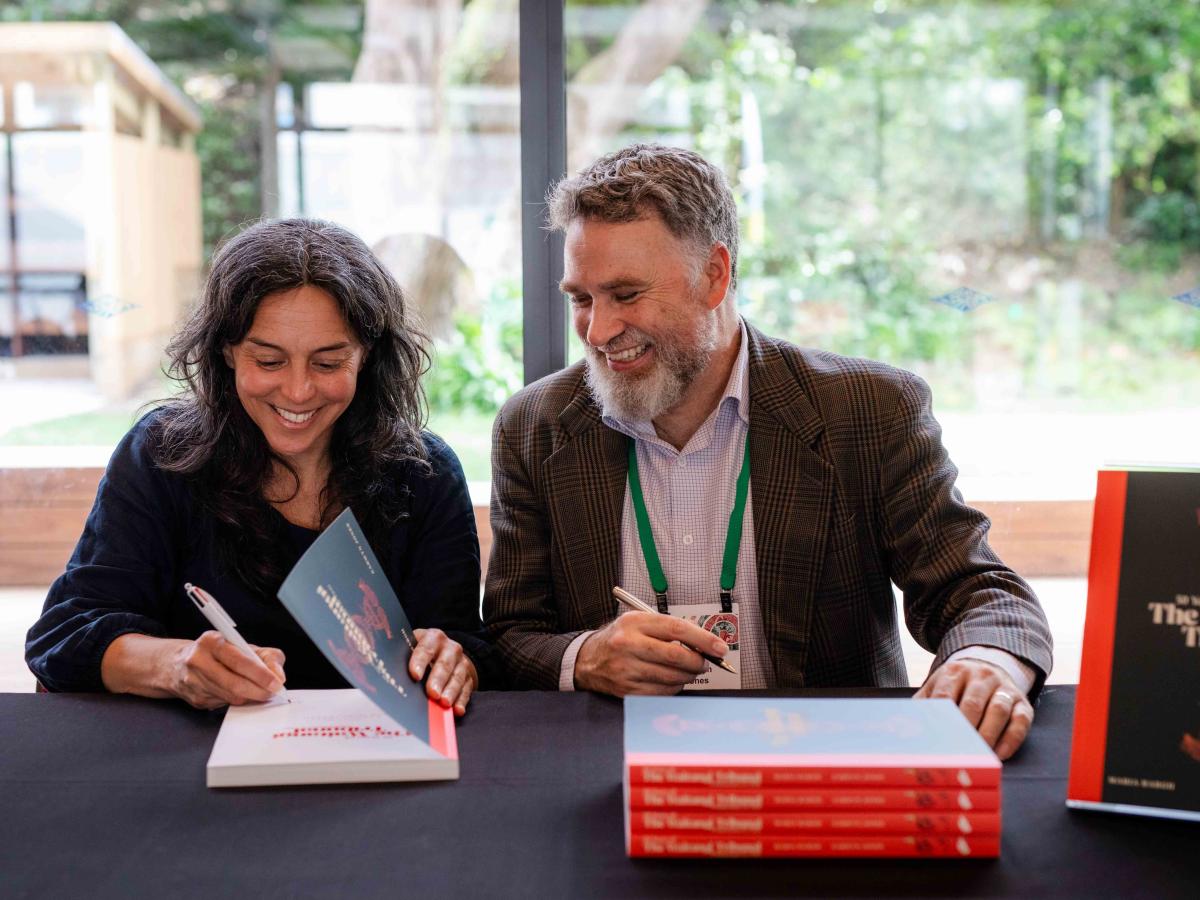
Reflecting on 50 Years of the Waitangi Tribunal
In 2025, the Waitangi Tribunal marks 50 years since its founding. This new collection, edited by Carwyn Jones and Maria Bargh, will bring together Māori scholars to reflect on the Tribunal’s impactful work across key issues like whenua, awa, taonga, and rangatiratanga. It will highlight the enduring significance of Tribunal findings for Māori communities, despite ongoing challenges in government response.
Tangi is the ultimate form of Māori cultural and community expression. Addressing the dearth of scholarly information, this study considers tangi practice, whakapapa, changing environments, community values, sharing knowledge, ritual and what it means to be Māori. The research team has been examining the life-values, beliefs and practices related to…
View projectAituā: Death in a changing Māori World
Kairangahau · Researchers
-
 Professor Linda Waimarie Nikora FRSNZ, HFNZPS
Professor Linda Waimarie Nikora FRSNZ, HFNZPS
Linda Waimarie Nikora is co-director of Ngā Pae o te Māramatanga and a Professor of Indigenous Studies at Te Wānanga o Waipapa, the University of Auckland. She was previously Professor of Psychology and Director of the Maori & Psychology Research Unit at the University of Waikato. Her specialities are in in community psychology, applied social psychology, ethnopsychology and Maori development. Professor Nikora has a celebrated research and academic career, working in community, social and indigenous psychologies, with a specific focus on Māori wellbeing and self-determination. Her research in…
A new report from Ngā Pae o te Māramatanga (NPM) and Manaaki Whenua Landcare Research provides guidance for Te Ao Māori on climate change adaptation and mitigation. He huringa āhuarangi, he huringa ao: a changing climate, a changing world was produced by a multidisciplinary Māori research team working across many research institutions. Using a novel kaupapa…
View project