About this research
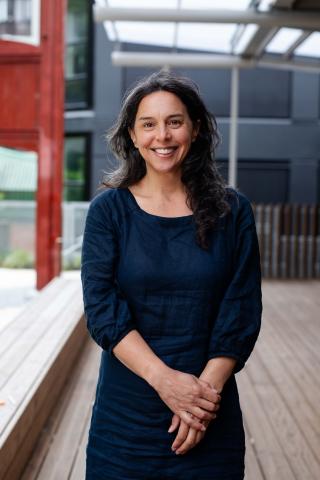
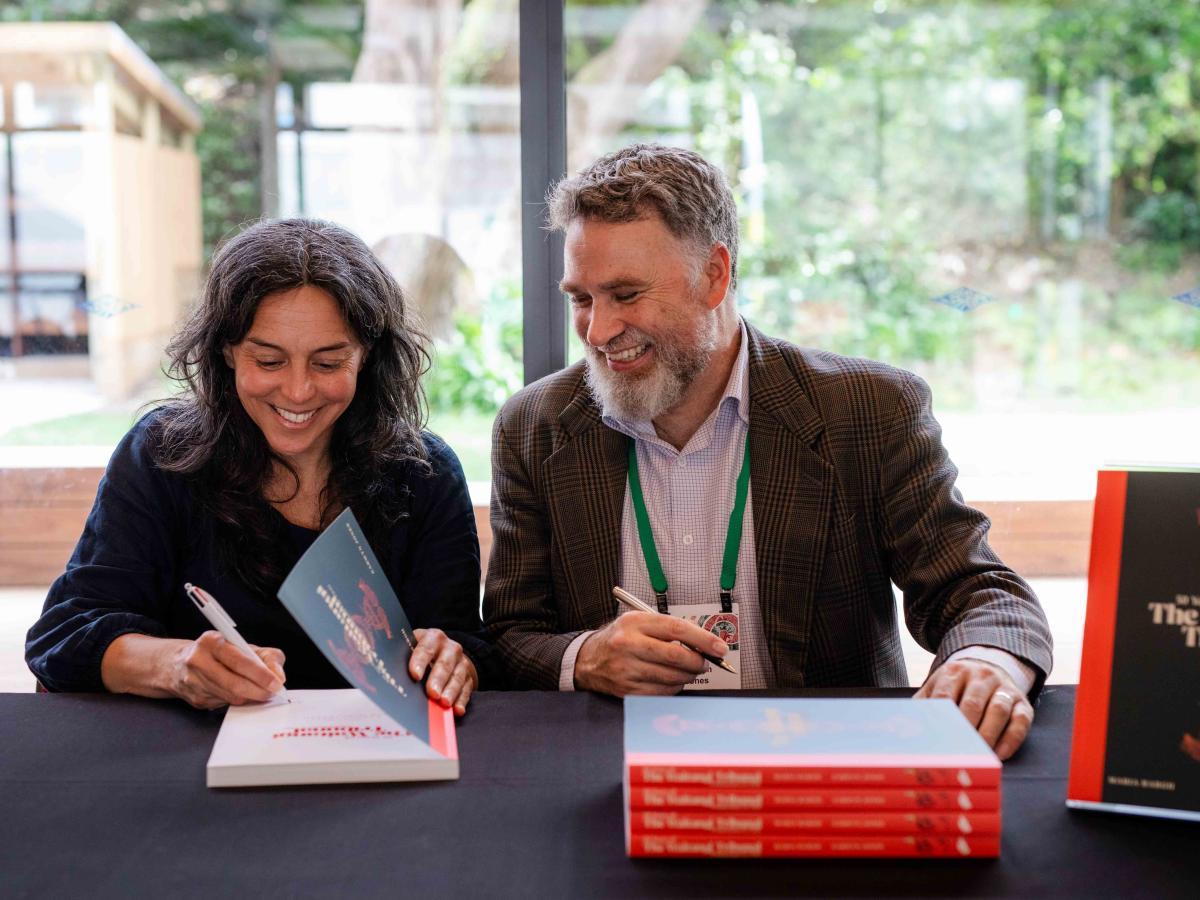
This edited collection brings together collates the work of leading Māori scholars to reflect on the impact and legacy of the Waitangi Tribunal over the past 50 years. Covering areas such as whenua, resources, social policy and rangatiratanga, it highlights the breadth of issues the Tribunal has addressed and its role in shaping understanding of Te Tiriti o Waitangi.
Released to mark this significant milestone, the book provides an accessible and contemporary resource for researchers, policy makers and communities, supporting ongoing engagement with Te Tiriti and its relevance in Aotearoa today.
Project Lead - Maria Bargh (Te Arawa, Ngāti Awa) Te Herenga Waka, Victoria University of Wellington
“A key intention of this book is to ensure that the Tribunal’s work is practical and accessible for hapū and iwi. Each chapter outlines the main arguments Māori have raised in specific areas, such as freshwater, alongside the Tribunal’s recommendations. Together, these provide a foundation that communities can draw on in future advocacy, particularly where there are concerns about breaches of Te Tiriti. We’re already seeing these collated arguments being used in current debates at both local and central government levels.”
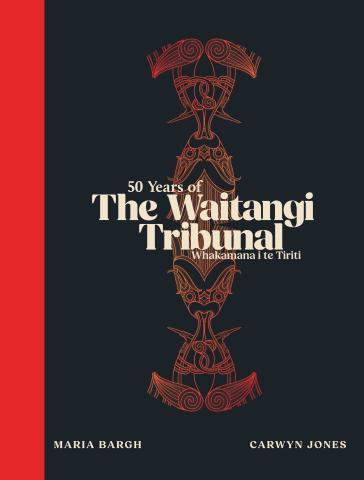
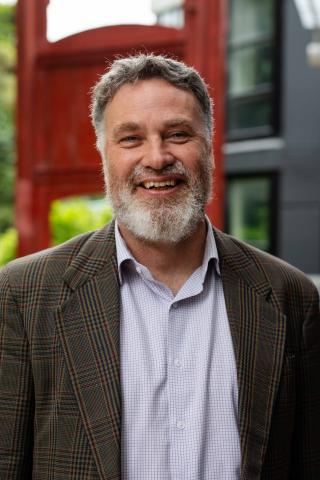
In 2025, the Waitangi Tribunal marks 50 years since its founding. This new collection, edited by Carwyn Jones and Maria Bargh, will bring together Māori scholars to reflect on the Tribunal’s impactful work across key issues like whenua, awa, taonga, and rangatiratanga. It will highlight the enduring significance of Tribunal findings for Māori communities, despite ongoing challenges in government response.
Kairangahau · Researchers
 Professor Maria Bargh
Te Arawa, Ngāti Awa
Te Herenga Waka Victoria University of Wellington
Maria Bargh is Professor of Politics and Māori Studies. She completed her PhD in Political Science and International…
Professor Maria Bargh
Rangahau · Related projects
Ētahi atu · Other projects
This project explored how Ngāti Kea/Ngāti Tuara are revitalising their role as kaitiaki of Horohoro maunga near Rotorua. Faced with ecological threats from pests and limited access control, the hapū is leading efforts to restore native biodiversity and protect culturally significant whenua. Their story sheds light on Māori approaches to achieving a…
View projectStrengthening Māori Agency: Te Whakamaru o Horohoro Maunga
This project explored how Ngāti Kea/Ngāti Tuara are revitalising their role as kaitiaki of Horohoro maunga near Rotorua. Faced with ecological threats from pests and limited access control, the hapū is leading efforts to restore native biodiversity and protect culturally significant whenua. Their story sheds light on Māori approaches to achieving a predator-free Aotearoa by 2050.
Kairangahau · Researchers
-
Professor Maria Bargh
Professor Maria Bargh
Maria Bargh is Professor of Politics and Māori Studies. She completed her PhD in Political Science and International Relations at the Australian National University.Her research interests focus on Māori politics including constitutional change and Māori representation, voting in local and general elections, and Māori resource management economy including renewable energy, freshwater, mining and biodiversity. She has also written about hidden and diverse economies such as Māori in the private military industry.Maria is a member of numerous Boards and has broad governance experience with… -
 Tame Malcolm
Tame Malcolm
“𝒯𝓊𝓀𝓊𝒶 𝓂𝒶𝒾 𝓀𝒾𝒶 𝓅𝒾𝓇𝒾, 𝓉𝓊𝓀𝓊𝒶 𝓂𝒶𝒾 𝓀𝒾𝒶 𝓉𝒶𝓉𝒶, 𝓀𝒾𝒶 𝑒𝓀𝑒 𝓂𝒶𝒾 𝓀𝒾 𝓉𝑒 𝓅𝒶𝑒𝓅𝒶𝑒 𝓅𝑜𝓉𝑜 𝒶 𝐻𝑜𝓊𝓂𝒶𝒾𝓉𝒶𝓌𝒽𝒾𝓉𝒾” 𝒯𝑒 𝒜𝓇𝒶𝓌𝒶 𝓌𝒶𝓀𝒶, 𝒯𝑒 𝒜𝓇𝒶𝓌𝒶 𝓉𝒶𝓃𝑔𝒶𝓉𝒶, 𝓀𝒾𝒶 𝒶𝓇𝑒𝒶𝓇𝑒 𝓂𝒶𝒾 𝓃𝑔ā 𝓉𝒶𝓇𝒾𝓃𝑔𝒶 𝓀𝒾 𝓉ē𝓃𝑒𝒾 𝓀𝒶𝓇𝑒𝓇𝑒 𝓌𝒽𝒶𝓀𝒶𝒽𝒾𝓇𝒶𝒽𝒾𝓇𝒶. Te Arawa Lakes Trust is proud to announce the appointment of Tame Malcolm as its new General Manager. A proud product of Te Arawa, and with an impressive track record in indigenous and environmental conservation, Tame has the knowledge, skills, and experience to lead the Trust at this critical time.Te Arawa Lakes Trust Chairman, Wally Haumaha, expressed his enthusiasm for the appointment, following a thorough and…
He oranga whānau: mahi ngātahi: Whānau livelihoods within the context of work and Māori economies of wellbeing. These groundbreaking works celebrate Māori futures rooted in kaupapa Māori values while fostering pathways for responsible relationships, meaningful lives, and flourishing Indigenous wellbeing economies. By emphasising the central role of whānau…
- Mana Touchstones
- Te Ahunga atu ki ngā Ōhanga Oranga Māori: Towards Māori Economies of Wellbeing
- He Rauhī Kupu
He oranga whānau: mahi ngātahi: Whānau livelihoods within the context of work and Māori economies of wellbeing
He oranga whānau: mahi ngātahi: Whānau livelihoods within the context of work and Māori economies of wellbeing. These groundbreaking works celebrate Māori futures rooted in kaupapa Māori values while fostering pathways for responsible relationships, meaningful lives, and flourishing Indigenous wellbeing economies. By emphasising the central role of whānau, these publications provide actionable insights and inspiration for transformative change in economic and cultural systems.
- Mana Touchstones
- Te Ahunga atu ki ngā Ōhanga Oranga Māori: Towards Māori Economies of Wellbeing
- He Rauhī Kupu
Kairangahau · Researchers
-
 Professor Chellie Spiller
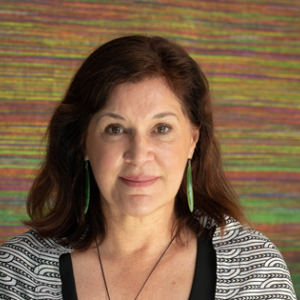
Professor Chellie Spiller
Dr Chellie Spiller, of Matawhaiti Iwitea, Ngāti Kahungunu ki Wairoa, is Professor of Management and Leadership, and Associate Dean Māori at the University of Waikato. She was previously a senior lecturer and Associate Dean Māori and Pacific at the University of Auckland Business School. She has over 30 years of corporate experience in tourism, finance and marketing, holding senior executive positions in New Zealand and abroad, and brings this experience to her academic work and leadership and management development programmes. Her research explores how Māori and indigenous businesses create… -
 Professor Jarrod Haar
Professor Jarrod Haar
Professor Jarrod Haar (PhD) is a Professor of Human Resource Management in the Department of Management and has tribal affiliations of Ngati Maniapoto and Ngati Mahuta. In 2018, Professor Haar was appointed as a Member of the Marsden Fund Council and is the Convenor of the Marsden Economics and Human Behavioural Sciences panel. He is a Fellow of the Royal Society of New Zealand Te Apārangi (2020), a Research Fellow of the Australia & New Zealand Academy of Management (since 2012), and Chartered Fellow of the Human Resource Institute of New Zealand (HRINZ). He won the inaugural HRINZ HR… -
 Professor John Reid
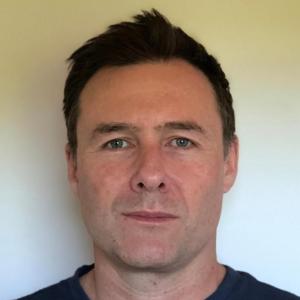
Professor John Reid
Professor John Reid is a researcher whose work focuses on the intersection of sustainability, indigenous knowledge systems, environmental governance, and technological innovation. Based within the Ngāi Tahu Research Centre, his research brings together systems thinking, te ao Māori, and interdisciplinary science to address complex social, economic, and environmental challenges facing Indigenous communities and wider society. His work spans environmental management, regenerative land use, Māori economic development, and the governance of emerging technologies, with particular interests in… -
 Professor Jason Paul Mika
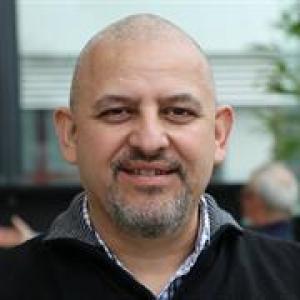
Professor Jason Paul Mika
Jason Paul Mika Ko Ranginui e tū iho nei, ko Papatūānuku e takoto nei, ko te ira tangata kei waenganui i raro i te kaitiakitanga o ngā atua, o te manaakitanga o te Runga Rawa. Tīhei mauri ora! Ko Ngāi Tūhoe, ko Ngāti Awa, ko Te Whakatōhea, ko Ngāti Kahungunu ōku iwi. Ko Jason Mika ahau. I was born in Whakatāne and raised mainly in Rotorua. In November 2024, I was fortunate join Waipapa Taumata Rau University of Auckland as a Professor of Māori Management and Associate Dean Māori in He Manga Tauhokohoko Auckland Business School. My research, teaching, writing, and practice centres on Māori and… -
 Dr Matthew Rout
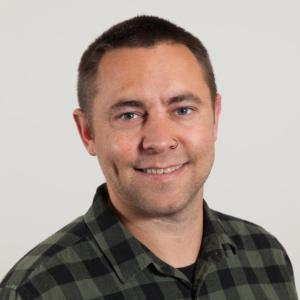
Dr Matthew Rout
Dr. Matthew Rout's research explores how Indigenous worldviews shape the institutions that govern economic activity, environmental management, and public decision-making. Working at the nexus of political, economic, social, cultural, and environmental domains, his research examines how values, knowledge systems, and social organisation influence the ways societies coordinate collective action and pursue development. A central focus of his work is the application of te ao Māori and mātauranga Māori to contemporary policy challenges, including environmental governance, disaster risk reduction…
This internship compiled a database of traditional Māori food preservation practices to better understand archaeological midden sites and mahinga kai history. Working with Otago’s SPAR team, the project links historical knowledge with contemporary preservation techniques across Aotearoa.
View projectInvestigating traditional mahinga kai practices of preservation throughout Aotearoa
This internship compiled a database of traditional Māori food preservation practices to better understand archaeological midden sites and mahinga kai history.
Working with Otago’s SPAR team, the project links historical knowledge with contemporary preservation techniques across Aotearoa.