About this research
What current methods do Māori use to manage money? What financial products and services are likely to be effective for Māori and how might these be successfully implemented? What support can Māori organisations (including iwi) and the government provide to increase whānau financial literacy and savings?
Poverty within many Māori communities is perpetuated by low incomes, poor financial literacy and a lack of whānau role models who encourage saving. For change to occur, financial education, collaborative community efforts and radical behavioural shifts are required.
This project filled a historical lack of knowledge in this are by helping whānau Māori to explore, scope and design their own culturally responsive financial services. Using money management diaries weekly and bi-monthly interviews, the project gathered detailed data from 15–20 low-income Māori individuals/whānau over a 6-month period.
This data has informed the design of relevant community/hapū/whānau-based savings programme, as well as providing the impetus for a follow on research project which explores the efficacy of culturally responsive financial literacy education.
Whakaahua & Ataata · Images & Videos
Kairangahau · Researchers
 Professor Carla Anne Houkamau
Waipapa Taumata Rau, University of Auckland
Carla Houkamau (PhD) is an Professor in the Department of Management and International Business, the Director of the…
Professor Carla Anne Houkamau
Waipapa Taumata Rau, University of Auckland
Carla Houkamau (PhD) is an Professor in the Department of Management and International Business, the Director of the…
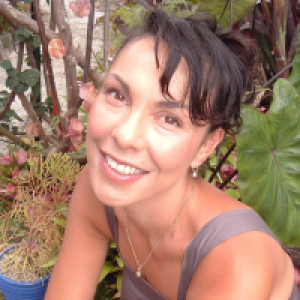
Professor Carla Anne Houkamau
Ētahi atu · Other projects
What current methods do Māori (particularly those on low incomes and/or living in conditions of poverty) use to manage money? What financial products and services are likely to be effective for Māori and how might these be successfully implemented? What support can Māori organisations (including iwi) and the government provide to increase whānau financial…
View projectFinancial literacy for Māori realities: Designing culturally-responsive financial services and savings programmes for whānau Māori
Kairangahau · Researchers
-
Professor Carla Anne Houkamau
Professor Carla Anne Houkamau
Carla Houkamau (PhD) is an Professor in the Department of Management and International Business, the Director of the Mira Szászy Research Centre for Māori and Pacific Economic Development and the Associate Dean for Māori and Pacific Development for the Business School.Carla is of Ngāti Porou, Ngāti Kahungunu, Ngāi Tahu and Pākehā descent. She holds a deep personal interest in the history of Māori-Pākehā relations and promoting cultural understanding. Her current research focuses mainly on intergroup relations, chiefly how group memberships influence attitudes and behaviour. Her publications…
This internship explored concepts of cultural richness through a Māori lens, guided by whanaungatanga, manaakitanga and aroha. Blending personal narrative and research, the project examined how cultural richness and social capital can be meaningfully expressed and embedded within urban environments.
View projectHow Great Can We Be? Identity Leaders of the Māori Economic Resistance
This internship explored concepts of cultural richness through a Māori lens, guided by whanaungatanga, manaakitanga and aroha. Blending personal narrative and research, the project examined how cultural richness and social capital can be meaningfully expressed and embedded within urban environments.
Kairangahau · Researchers
-
Professor Carla Anne Houkamau
Professor Carla Anne Houkamau
Carla Houkamau (PhD) is an Professor in the Department of Management and International Business, the Director of the Mira Szászy Research Centre for Māori and Pacific Economic Development and the Associate Dean for Māori and Pacific Development for the Business School.Carla is of Ngāti Porou, Ngāti Kahungunu, Ngāi Tahu and Pākehā descent. She holds a deep personal interest in the history of Māori-Pākehā relations and promoting cultural understanding. Her current research focuses mainly on intergroup relations, chiefly how group memberships influence attitudes and behaviour. Her publications…
Project lead: Professor Carla Houkamau Ngāti Porou, Ngāti Kahungunu, Kāi Tahu The University of Auckland | Waipapa Taumata Rau (Host) This research project partners Waipapa Taumata Rau (University of Auckland) with Ngā Pou a Tāne (National Māori Forestry Association) to address a critical paradox: while Māori own approximately 48% of commercial forest land…
View projectMana Ngahere: The Past, Present, and Future of Māori Forestry
Project lead: Professor Carla Houkamau Ngāti Porou, Ngāti Kahungunu, Kāi Tahu The University of Auckland | Waipapa Taumata Rau (Host)
This research project partners Waipapa Taumata Rau (University of Auckland) with Ngā Pou a Tāne (National Māori Forestry Association) to address a critical paradox: while Māori own approximately 48% of commercial forest land and comprise 34% of the workforce, they remain significantly underrepresented in senior leadership roles.