About this research
What values do Māori use to shape their views around the use of bio-control agents to control both exotic and Indigenous species and to values, and how to they assign risk posed by the introduction of a bio-control agent and when is it deemed unacceptable?
This project is examining Māori views on the contemporary use of biocontrol agents and exploring the potential for mātauranga Māori to guide pre-screening introduction as well as the development of Indigenous bio-controls. By asking whether there are potential Indigenous biocontrol agents or associated tikanga that Māori can explore and develop, that could be used in preference to introduced bio-control agents and current technical methods of management, the project will address public concern about the health and environmental impacts of pesticides and an increased demand for sustainable ways to control pests in nature and agriculture.
Bio-control has been extensively used throughout Aotearoa New Zealand to control a variety of pests and weeds (eg. grass grub, Chinese privet and Japanese honeysuckle) and while Māori do support exploring their own bio-control agents, concerns remain about the lack of supporting information regarding taonga species and an absence of the inclusion of Mātauranga Māori and tikanga in the development and use of introduced bio-control agents, screening methods or the measurement and weighting of uncertainty.
This project is advancing our understanding of the Māori world view and how Mātauranga solutions might underpin the use of bio-control agents, all with the aim of minimising risks to taonga and developing stronger socio-ecological links and expressions of Māori values.
Kairangahau · Researchers
 Professor Amanda Black
Tūhoe, Whakatōhea, Whānau-ā-Apanui
Lincoln University
Ko Maungapōhatu te maungaKo Tauranga te awaKo Matahi te maraeKo Ngāi Tama te hapuKo Tūhoe, Whakatōhea, me te Whānau a…
Professor Amanda Black
Tūhoe, Whakatōhea, Whānau-ā-Apanui
Lincoln University
Ko Maungapōhatu te maungaKo Tauranga te awaKo Matahi te maraeKo Ngāi Tama te hapuKo Tūhoe, Whakatōhea, me te Whānau a…
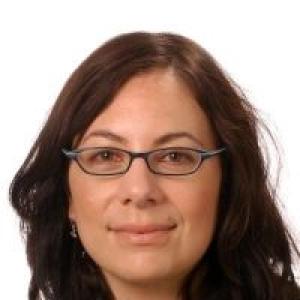
Professor Amanda Black
Ētahi atu · Other projects
Our main question is ‘do hapū and Iwi views and practices provide an alternative paradigm to New Zealand’s biosecurity system to better protect our taonga species? Māori have developed practices and methods such as the use of ritenga (customs, laws, and protocols) and whakapapa (species assemblages within a holistic ecosystem paradigm) to mitigate risks and…
View projectTe Tira Whakamātaki – Māori Biosecurity, protecting our taonga for future generations
Kairangahau · Researchers
-
Professor Amanda Black
Professor Amanda Black
Ko Maungapōhatu te maungaKo Tauranga te awaKo Matahi te maraeKo Ngāi Tama te hapuKo Tūhoe, Whakatōhea, me te Whānau a Āpanui te iwiKo Amanda Black ahauMy research area is in environmental soil chemistry and biochemistry, focusing on the health of soil ecosystems. My current areas of focus are understanding the relationship between gene expression and soil productivity such as carbon storage; halting kauri dieback through discovery of disease suppressive traits in soils; and focusing on biosecurity and climate change issues that are of concern to Maori and indigenous communities. I am the… -
 Melanie Mark-Shadbolt

Melanie Mark-Shadbolt
Melanie is an Indigenous environmental sociologist, and the Māori Research Manager – Kaiārahi for the Bio-Protection Research Centre (a Centre of Research Excellence) based at Lincoln University. She is also the Māori Manager for New Zealand’s Biological Heritage National Science Challenge, a founding member of Te Tira Whakamātaki; the Māori Biosecurity Network and a project leader and researcher in a number of National Science Challenge, Tertiary Education Commission and Ministry of Business, Innovation and Employment programmes including ‘Mātauranga Māori characterisation of NZ’s…
Tangi is the ultimate form of Māori cultural and community expression. Addressing the dearth of scholarly information, this study considers tangi practice, whakapapa, changing environments, community values, sharing knowledge, ritual and what it means to be Māori. The research team has been examining the life-values, beliefs and practices related to…
View projectAituā: Death in a changing Māori World
Kairangahau · Researchers
-
 Professor Linda Waimarie Nikora FRSNZ, HFNZPS
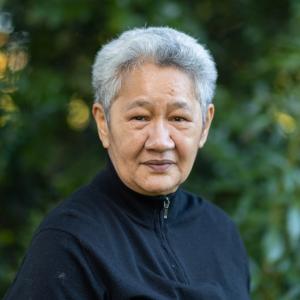
Professor Linda Waimarie Nikora FRSNZ, HFNZPS
Linda Waimarie Nikora is co-director of Ngā Pae o te Māramatanga and a Professor of Indigenous Studies at Te Wānanga o Waipapa, the University of Auckland. She was previously Professor of Psychology and Director of the Maori & Psychology Research Unit at the University of Waikato. Her specialities are in in community psychology, applied social psychology, ethnopsychology and Maori development. Professor Nikora has a celebrated research and academic career, working in community, social and indigenous psychologies, with a specific focus on Māori wellbeing and self-determination. Her research in…
A new report from Ngā Pae o te Māramatanga (NPM) and Manaaki Whenua Landcare Research provides guidance for Te Ao Māori on climate change adaptation and mitigation. He huringa āhuarangi, he huringa ao: a changing climate, a changing world was produced by a multidisciplinary Māori research team working across many research institutions. Using a novel kaupapa…
View project