About this research
Our main question is ‘do hapū and Iwi views and practices provide an alternative paradigm to New Zealand’s biosecurity system to better protect our taonga species?
Māori have developed practices and methods such as the use of ritenga (customs, laws, and protocols) and whakapapa (species assemblages within a holistic ecosystem paradigm) to mitigate risks and threats to both endemic biodiversity and primary production systems from pests, weeds and pathogens. However, the 21st century has seen a rapid increase in species introductions to New Zealand, with dramatic consequences for both Māori livelihoods and cultural integrity.
Our research focuses on expanding and evolving research initiatives that have developed from the successfully funded “Establishing a National Maori Biosecurity Network” which was designed to bring together Māori involved in protecting our biological resources from biosecurity risks and threats. Specifically we have chosen to focus on one main research question, that is “do hapū and iwi views and practices provide an alternative paradigm to Aotearoa New Zealand’s biosecurity system to better protect our taonga species?”
We will explore what biosecurity means for Māori including the impacts of climate change; key socio-ecological links for community resilience and opportunities for the inclusion of mātauranga for mitigating and managing impacts from unwanted organisms. We will use this scoping exercise to survey and interview Māori communities in order to understand their biosecurity attitudes, beliefs and practices, and to identify common key socio-ecological links around tree disease and dieback in order to advance our understanding and application of indigenous knowledge in biosecurity management so that we have the ability to scope a larger more internationally reaching project that compares attitudes, beliefs and practices across a number of Pacific indigenous communities.
- Conducted extensive survey in collaboration with the Department of Conservation
- Held focus groups and wānanga to inform attitudes to biosecurity strategies
- Drafted publication out for review
- Shared and discussed results and strategies with Māori biosecurity network.
Kairangahau · Researchers
 Professor Amanda Black
Tūhoe, Whakatōhea, Whānau-ā-Apanui
Lincoln University
Ko Maungapōhatu te maungaKo Tauranga te awaKo Matahi te maraeKo Ngāi Tama te hapuKo Tūhoe, Whakatōhea, me te Whānau a…
Professor Amanda Black
Tūhoe, Whakatōhea, Whānau-ā-Apanui
Lincoln University
Ko Maungapōhatu te maungaKo Tauranga te awaKo Matahi te maraeKo Ngāi Tama te hapuKo Tūhoe, Whakatōhea, me te Whānau a…
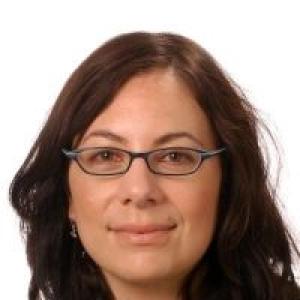
Professor Amanda Black
 Melanie Mark-Shadbolt
Ngāti Porou, Te Arawa, Te Ātiawa, Ngāti Raukawa, Ngāti Tūwharetoa
Lincoln University
Melanie is an Indigenous environmental sociologist, and the Māori Research Manager – Kaiārahi for the Bio-Protection…
Melanie Mark-Shadbolt
Ngāti Porou, Te Arawa, Te Ātiawa, Ngāti Raukawa, Ngāti Tūwharetoa
Lincoln University
Melanie is an Indigenous environmental sociologist, and the Māori Research Manager – Kaiārahi for the Bio-Protection…
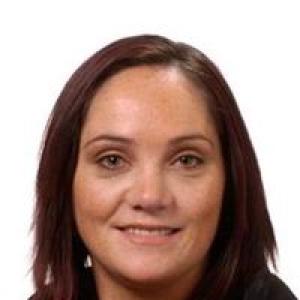
Melanie Mark-Shadbolt
Ētahi atu · Other projects
What values do Māori use to shape their views around the use of bio-control agents to control both exotic and Indigenous species and to values, and how to they assign risk posed by the introduction of a bio-control agent and when is it deemed unacceptable? This project is examining Māori views on the contemporary use of biocontrol agents and exploring the…
View projectWhakahonotia Ngā Taonga Rerekē – Exploring Māori Values and Uses of Ecological Bio-control Agents
Kairangahau · Researchers
-
Professor Amanda Black
Professor Amanda Black
Ko Maungapōhatu te maungaKo Tauranga te awaKo Matahi te maraeKo Ngāi Tama te hapuKo Tūhoe, Whakatōhea, me te Whānau a Āpanui te iwiKo Amanda Black ahauMy research area is in environmental soil chemistry and biochemistry, focusing on the health of soil ecosystems. My current areas of focus are understanding the relationship between gene expression and soil productivity such as carbon storage; halting kauri dieback through discovery of disease suppressive traits in soils; and focusing on biosecurity and climate change issues that are of concern to Maori and indigenous communities. I am the…
This study will explore how comparative views of “home” relate to concepts such as identity, whakapapa, and hauora and how these concepts thereby impact service utilisation and uptake in two areas (one rural and one urban). The research seeks to ask How do urban and rural Māori conceptualise “home” and do these ideas of home differ across generations? Do…
View projectPerceptions of Papakāinga: An examination of ‘home’ and how to cater services for Māori
Kairangahau · Researchers
-
 Dr Amohia Boulton
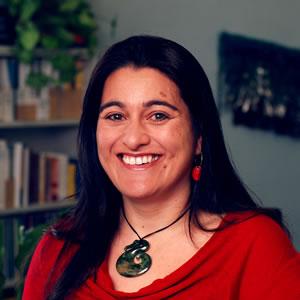
Dr Amohia Boulton
Dr Amohia Bolton is the Research Director at Whakaue Research for Māori Health & Development with a career that has spanned public policy and academia. She has previously worked as a data analyst (Ministry of Education) policy analyst, senior analyst (Te Puni Kōkiri) and Private Secretary (Māori Affairs) and was awarded an HRC Māori Health Training Fellowship to pursue doctoral study at Massey University in Palmerston North. Her post-doctoral research took her to the University of Northern British Columbia in Canada where she worked with the Lheidli T'enneh First Nations people.Her research…
The guiding research question for this project are: 1) How has Tuurangawaewae Marae fostered community mauri ora (wellbeing) within Waikato and in Te Ao Maaori more broadly? 2) What role has Tuurangawaewae Marae played as both a repository and a place of action for te Reo me ngaa Tikanga in Waikato and in Aotearoa-New Zealand? 3) What are the factors…
View projectTuurangawaewae Marae: A Place to Stand
Kairangahau · Researchers
-
 Professor Marama Muru-Lanning
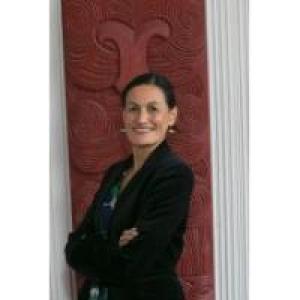
Professor Marama Muru-Lanning
I am a Professor in Anthropology. My teaching and research is dedicated to Māori communities and prioritises tikanga, equity and inter-dependence. As an environmental anthropologist I focus on the cultural specificity of tangata whenua groups and their unique sense of place and belonging in Aotearoa. My professional expertise includes: building research relationships with Māori communities especially with coastal and river people, ecological consciousness, food security, kai sovereignty, kaumātua gardening, kai gathering, food and peace politics. What distinguishes me internationally as a… -
 Associate Professor Dean Mahuta
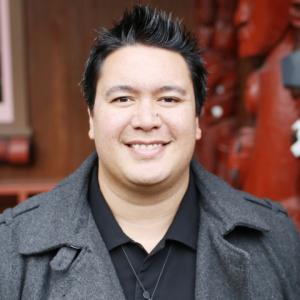
Associate Professor Dean Mahuta
Ko Taupiri te maungaKo Waikato te awaKo Pōtatau te tangataHe piko, he taniwha,Waikato taniwharau.Kei aku nui, kei aku rahi, tēnā koutou katoa.Me wehi ki a Ihowa, me whakahōnore Te Arikinui Kuīni Ngā-wai-hono-i-te-pō. Ki te huinga kahurangi o te pō, okioki atu rā koutou ki tua o Paerau, ki reira tiakina atu ai. Ki ngā toronga waka o te motu whānui e kapi nei te hunga ora whānui, tēnā tātou katoa.Ko Dean Mahuta tōku ingoa, nō Waikato ahau, ko Ngāti Mahuta te hapū. I tupu mai au i Ngāruawāhia, ā, he raukura nō roto mai o te kura kaupapa Māori. I kuraina au ki Te Wharekura o Rākaumangamanga, he… -
 Professor Tahu Kukutai FRSNZ
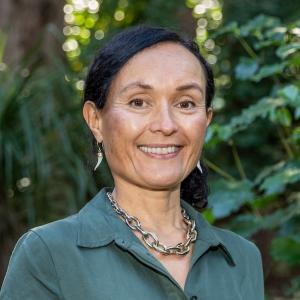
Professor Tahu Kukutai FRSNZ
Ngā Pae o te Māramatanga Co-Director Tahu Kukutai is Professor of Demography at Te Ngira: Institute for Population Research, The University of Waikato where she specialises in Māori and Indigenous demography and data sovereignty. Tahu is a founding member of the Māori Data Sovereignty Network Te Mana Raraunga and the Global Indigenous Data Alliance. She co-edited Indigenous data sovereignty: Toward an agenda (ANU Press, 2016), Indigenous data sovereignty and policy (Routledge, 2020) and The Oxford Handbook of Indigenous Sociology (Oxford) . Tahu has undertaken research with and for numerous…