About this research
Project Summary
Teachers are increasingly tasked with acknowledging their racial biases and the resulting impacts on their students’ learning and wellbeing. However, anti-bias trainings are typically generalised learning experiences with little effect. Through focus groups with Māori students in Northland schools, this project identified common incidents of racism.
The initial project objective was to shine a light on Māori students’ experiences of racism in Aotearoa schools; longer-term, the study findings were to inform the creation of a virtual reality intervention in which teachers embody students’ perspectives in order to surface and change teachers’ deep-seated racism.
By researching the experiences of Māori students by Māori researchers, using Māori methodologies, and for the benefit of Māori and all we sought to centre students’ experiences to ultimately improve schooling outcomes and experiences, both social and academic. Student voices can act as a lever for change by confronting teachers’ beliefs and behaviours.
Research Questions
- In what ways do Māori students experience racism in Aotearoa schools?
- How can these experiences inform the creation of a virtual reality intervention to combat teacher beliefs and behaviours?
Lead Researcher
Dr Maia Hetaraka, Ngāti Wai, Ngāi Tahu, Ngā Puhi, Ngāti Paoa, Te Papa Ako o te Tai Tokerau
Research Team
Dr Jo Smith , University of Auckland
Dr Frauke Meyer, University of Auckland
Prof Christine Rubie-Davies , University of Auckland
Assoc Prof Heather Came-Friar, Pākehā, Auckland University of Technology
Justice-Te Amorangi Hetaraka, Ngāti Wai, Ngāi Tahu, Ngā Puhi, University of Auckland
Highlights
- Open hui in July 2022 to introduce the project to the community
- Multiple engagements with local high schools and kāhui kaumātua
- Recruitment hui in December 2022
- Wānanga-based data collection and co-analysis with participants
- Final consultation in May 2024 to confirm the poetic representations of findings
- Around 20 collaboratively produced creative works emerged from the study
- Writing retreats for the PI and research assistant ensured a deeply collaborative process
Despite growing calls for anti-racism in education, many interventions fall short of meaningful impact. This kaupapa Māori project listened directly to Māori students in Northland to document their lived experiences of racism in schools. These insights are now laying the groundwork for an innovative intervention: a virtual reality (VR) simulation that allows teachers to experience the classroom from the student’s perspective. The ultimate aim? To shift beliefs, behaviours, and institutional norms — creating culturally safe learning spaces where Māori can thrive.
Kairangahau · Researchers
Ētahi atu · Other projects
This project explores how digital narratives of tohunga can be curated to support and enrich the multiliteracies of ākonga, particularly in Te Tai Tokerau. At its heart, Tohunga Talks is a collaborative digital storytelling initiative grounded in Te Tai Tokerau mātauranga tuku iho, Kaupapa Māori research approaches, and the Mana Model.
View projectTohunga Talks: Digital Narratives of Tohunga that Nurture Multiliteracies of Ākonga
This project explores how digital narratives of tohunga can be curated to support and enrich the multiliteracies of ākonga, particularly in Te Tai Tokerau. At its heart, Tohunga Talks is a collaborative digital storytelling initiative grounded in Te Tai Tokerau mātauranga tuku iho, Kaupapa Māori research approaches, and the Mana Model.
Kairangahau · Researchers
-
 Professor Melinda Webber

Professor Melinda Webber
Ngā Pae o te Māramatanga Co-Director Melinda Webber is Professor of Education at Te Pūtahi Mātauranga | The Faculty of Arts and Education, Waipapa Taumata Rau | University of Auckland. Melinda specialises in Māori Education and Social Psychology and is the Aotearoa New Zealand co-director of the Atlantic Fellows for Social Equity programme based at The University of Melbourne. She wrote Walking the space between: Identity and Māori/Pakeha (NZCER Press, 2008), co-wrote A fire in the belly of Hineāmaru A collection of narratives about Te Tai Tokerau tupuna & Ka ngangana tonu a Hineāmaru - He… -
 Dr Maia Hetaraka
Dr Maia Hetaraka
-
Professor Rebecca Jesson
Professor Rebecca Jesson
Dr Rebecca Jesson is Professor in literacy education at the Faculty of Education and Social Work. Rebecca's research is situated in schools and their communities in New Zealand and the Pacific. Her focus is on designing, with teachers, teaching and learning innovations that will improve the literacy learning experiences of students.Rebecca studies the reciprocal relationships between research and teaching. Her studies highlight both the application of research in real world contexts and the application of real world craft to research through teacher decision making, co-design and…
He oranga whānau: mahi ngātahi: Whānau livelihoods within the context of work and Māori economies of wellbeing. These groundbreaking works celebrate Māori futures rooted in kaupapa Māori values while fostering pathways for responsible relationships, meaningful lives, and flourishing Indigenous wellbeing economies. By emphasising the central role of whānau…
- Mana Touchstones
- Te Ahunga atu ki ngā Ōhanga Oranga Māori: Towards Māori Economies of Wellbeing
- He Rauhī Kupu
He oranga whānau: mahi ngātahi: Whānau livelihoods within the context of work and Māori economies of wellbeing
He oranga whānau: mahi ngātahi: Whānau livelihoods within the context of work and Māori economies of wellbeing. These groundbreaking works celebrate Māori futures rooted in kaupapa Māori values while fostering pathways for responsible relationships, meaningful lives, and flourishing Indigenous wellbeing economies. By emphasising the central role of whānau, these publications provide actionable insights and inspiration for transformative change in economic and cultural systems.
- Mana Touchstones
- Te Ahunga atu ki ngā Ōhanga Oranga Māori: Towards Māori Economies of Wellbeing
- He Rauhī Kupu
Kairangahau · Researchers
-
 Professor Chellie Spiller
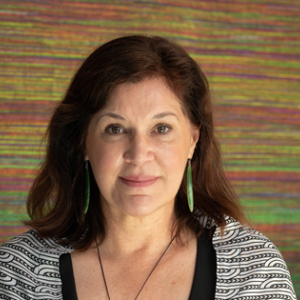
Professor Chellie Spiller
Dr Chellie Spiller, of Matawhaiti Iwitea, Ngāti Kahungunu ki Wairoa, is Professor of Management and Leadership, and Associate Dean Māori at the University of Waikato. She was previously a senior lecturer and Associate Dean Māori and Pacific at the University of Auckland Business School. She has over 30 years of corporate experience in tourism, finance and marketing, holding senior executive positions in New Zealand and abroad, and brings this experience to her academic work and leadership and management development programmes. Her research explores how Māori and indigenous businesses create… -
 Professor Jarrod Haar
Professor Jarrod Haar
Professor Jarrod Haar (PhD) is a Professor of Human Resource Management in the Department of Management and has tribal affiliations of Ngati Maniapoto and Ngati Mahuta. In 2018, Professor Haar was appointed as a Member of the Marsden Fund Council and is the Convenor of the Marsden Economics and Human Behavioural Sciences panel. He is a Fellow of the Royal Society of New Zealand Te Apārangi (2020), a Research Fellow of the Australia & New Zealand Academy of Management (since 2012), and Chartered Fellow of the Human Resource Institute of New Zealand (HRINZ). He won the inaugural HRINZ HR… -
 Dr John Reid
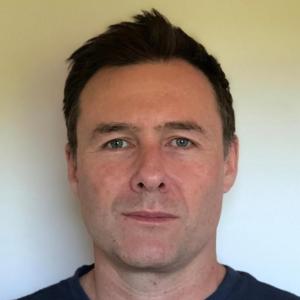
Dr John Reid
John is a Senior Research Fellow at the University of Canterbury’s Ngai Tahu Research Centre. He is a specialist in leading and developing multi-disciplinary research and development programmes focused on addressing interrelated social, economic, and environmental problems. His research explores the way in which Indigenous and Western cultures shape identity, sense of place, and approaches to social and economic development. John's current research interests are focused on sustainable development within indigenous tribal communities and in fostering novel approaches to development through… -
 Professor Jason Paul Mika
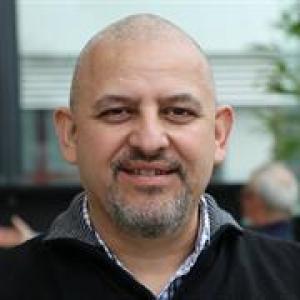
Professor Jason Paul Mika
Jason Paul Mika Ko Ranginui e tū iho nei, ko Papatūānuku e takoto nei, ko te ira tangata kei waenganui i raro i te kaitiakitanga o ngā atua, o te manaakitanga o te Runga Rawa. Tīhei mauri ora! Ko Ngāi Tūhoe, ko Ngāti Awa, ko Te Whakatōhea, ko Ngāti Kahungunu ōku iwi. Ko Jason Mika ahau. I was born in Whakatāne and raised mainly in Rotorua. In November 2024, I was fortunate join Waipapa Taumata Rau University of Auckland as a Professor of Māori Management and Associate Dean Māori in He Manga Tauhokohoko Auckland Business School. My research, teaching, writing, and practice centres on Māori and… -
 Dr Matthew Rout
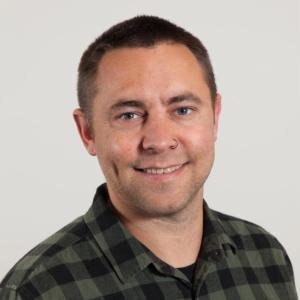
Dr Matthew Rout
Matt works on indigenous socio-economic development and environmental sustainability initiatives and projects with a focus on applied outcomes through theoretical synthesis. He has a particular interest in how philosophical insights from ontology and epistemology can be used in practical ways to aid indigenous development. Indigenous and modernist ontology and epistemology Institutional economics Postcolonial psychology Settler colonisation Sustainable development
This internship compiled a database of traditional Māori food preservation practices to better understand archaeological midden sites and mahinga kai history. Working with Otago’s SPAR team, the project links historical knowledge with contemporary preservation techniques across Aotearoa.
View projectInvestigating traditional mahinga kai practices of preservation throughout Aotearoa
This internship compiled a database of traditional Māori food preservation practices to better understand archaeological midden sites and mahinga kai history.
Working with Otago’s SPAR team, the project links historical knowledge with contemporary preservation techniques across Aotearoa.