About this research
Project Summary
Currently, the New Zealand Education system is failing Māori in almost every measure of educational progression. A significant part of the problem is the lack of cultural competence of the non-Māori majority teacher workforce. Given the projections of increasing Māori and Pacifica student populations, there is a compelling need to address the paucity of resources to assist well-meaning teachers to develop cultural competence in te reo and tikanga Māori. To help address this need, members of the research team developed a suit of resources (the Hikairo book series) to provide timely and mana-enhancing strategies for teachers to assess and develop their competence and to integrate kaupapa Māori into an iterative cycle of action, reflection and revision of practice. The ultimate goal was greater student participation, engagement and achievement for all and in particular for ākonga Māori.
This project had the following goals:
- To explore the impact that the Hikairo series of books (and other relevant resources) are having across the profession.
- To produce a peer reviewed journal article for academics and practitioners.
- To produce a framework for a book of exemplars of practice to help support teachers, EC centres, schools, kura to advance kaupapa Māori in mainstream education.
Research Question
What impact have the Hikairo series of guidebooks had on supporting kaiako to develop their culturally responsive teaching practice in schools and learning environments?
Lead Researcher
Dr Matiu Tai Rātima, Whakatōhea, Ngāti Pūkeko, University of Canterbury
Research Team
Assoc. Prof Sonja Macfarlane, Ngāi Tahu, Massey University
Assoc Prof Georgina Stewart, Auckland University of Technology
Kairangahau · Researchers
 Dr Matiu Tai Ratima
Whakatōhea, Ngāti Pukeko
University of Otago
Matiu's PhD research is on the factors that influence the development of proficiency in te reo Māori amongst adult…
Dr Matiu Tai Ratima
Whakatōhea, Ngāti Pukeko
University of Otago
Matiu's PhD research is on the factors that influence the development of proficiency in te reo Māori amongst adult…
Dr Matiu Tai Ratima
 Associate Professor Sonja Macfarlane
Ngāti Waewae, Ngāi Tahu
Massey University
Sonja Macfarland (Ngāti Waewae, Ngāi Tahu) interest’s focus on the importance of culturally responsive, evidence-based…
Associate Professor Sonja Macfarlane
Ngāti Waewae, Ngāi Tahu
Massey University
Sonja Macfarland (Ngāti Waewae, Ngāi Tahu) interest’s focus on the importance of culturally responsive, evidence-based…

Associate Professor Sonja Macfarlane
 Professor Georgina Stewart
Ngāti Kura, Ngāpuhi
Auckland University of Technology (AUT)
Georegina Stewart's (Ngāti Kura, Ngāpuhi) book ‘Māori Philosophy: Indigenous thinking from Aotearoa’ (Bloomsbury 2021)…
Professor Georgina Stewart
Ngāti Kura, Ngāpuhi
Auckland University of Technology (AUT)
Georegina Stewart's (Ngāti Kura, Ngāpuhi) book ‘Māori Philosophy: Indigenous thinking from Aotearoa’ (Bloomsbury 2021)…
Professor Georgina Stewart
Ētahi atu · Other projects
This project explored how tamariki, rangatahi, and their whānau thrived in a changing world by supporting Māori wellbeing and success in diverse workplaces. Through research, interviews, and stakeholder input, it aimed to create a Māori-led Change Management Model and policy framework to foster sustainable incomes, cultural revitalisation, and balanced…
View projectPractices of Sustenance: Collaborative explorations into the contours of wellness: Cultural reflections and contentions
This project explored how tamariki, rangatahi, and their whānau thrived in a changing world by supporting Māori wellbeing and success in diverse workplaces. Through research, interviews, and stakeholder input, it aimed to create a Māori-led Change Management Model and policy framework to foster sustainable incomes, cultural revitalisation, and balanced work–life wellbeing for Māori.
Kairangahau · Researchers
-
 Professor Angus Macfarlane
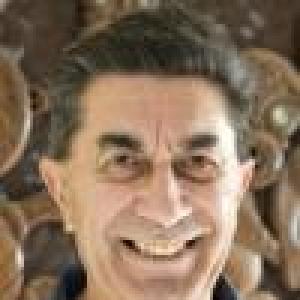
Professor Angus Macfarlane
Angus Macfarlane is Professor of Māori Research at the University of Canterbury. He is an experienced educator and practitioner and has been an advisor and professional development provider for Special Education Services and the Ministry of Education on a number of national projects. His interest is the exploration of cultural concepts and strategies that affect positively on professional practice, on which he published widely. In 2010 Angus was presented with the Tohu Pae Tawhiti Award to acknowledge his significant contribution to Māori research. His most recent book, Responsive Pedagogy… -
 Dr Tia Neha
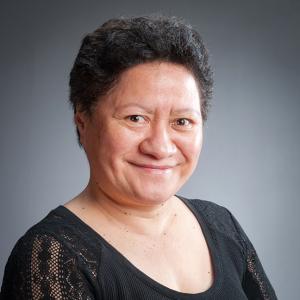
Dr Tia Neha
Tia is a lecturer at the school of psychology, Victoria University of Wellington. Her research interests include four key areas, broadly linked and overarched by relationships within Māori and Indigenous Developmental Psychology. These areas include: Indigenous and developmental psychology in the interdependent relations between whānau and their children’s learning Autobiographical memory with whanau Language research Māori pediatric health -
Associate Professor Sonja Macfarlane
Associate Professor Sonja Macfarlane
Sonja Macfarland (Ngāti Waewae, Ngāi Tahu) interest’s focus on the importance of culturally responsive, evidence-based approaches in education, psychology, counselling, health and human development in order to enhance the social, cultural, educational and health outcomes that are achieved by Māori.The importance of exploring 'what works well' for Māori as a pathway to responding to disparity and unlocking potential guides most of her research endeavours. She argues that many of the solutions for reducing such disparities actually reside in 'te ao Māori' (the Māori world, which includes Māori…
This internship created a 3D-printed Tekoteko trophy using a biodegradable harakeke filament to honor the memory of Dr Paora Mato. The project blends traditional Māori carving with contemporary art, sparking conversations about tikanga and cultural practice.
View projectHe Tohu Maumahara ki a Paora Mato
This internship created a 3D-printed Tekoteko trophy using a biodegradable harakeke filament to honor the memory of Dr Paora Mato.
The project blends traditional Māori carving with contemporary art, sparking conversations about tikanga and cultural practice.
This project trialled a bush-ready acoustic sound lure, co-developed with Auroa School students, to help draw out remaining possums from hard-to-reach areas of the Kaitake ranges. Supporting Taranaki Mounga Project and DOC’s pest eradication goals, this innovative tech aims to improve efficiency, reduce risk, and protect precious biodiversity.
View projectTe Au Roa – Predator sound lure trial: Draw possums out of those difficult to reach places on Taranaki Mounga
This project trialled a bush-ready acoustic sound lure, co-developed with Auroa School students, to help draw out remaining possums from hard-to-reach areas of the Kaitake ranges.
Supporting Taranaki Mounga Project and DOC’s pest eradication goals, this innovative tech aims to improve efficiency, reduce risk, and protect precious biodiversity.