About this research
Project Summary
Every Indigenous community has cultural and biological material held by national archives, libraries, and museums that they do not own or control. Archsite is the online database for the national archaeological site recording scheme of the New Zealand Archaeological Association that began in 1964. The modification of all archaeological sites is regulated by law. Practices for recording archaeological information have often excluded data from or about hau kāinga associated with sites, even if these were created by their own tūpuna (such as pā) or are situated on Māori-owned land. This is a significant issue for Hapū/Iwi communities engaging with environmental issues or resource management consents that take into account archaeological site information. Improving Māori content and data within Archsite will support the recognition of Hapū/Iwi rights and interests on the records and in relation to those locations. This information would likely flow-on to assist Hapū/Iwi in the various regulatory processes around development.
This project piloted the use of Traditional Knowledge (TK) Labels as a mechanism to ensure that provenance, protocols, and permissions can be recorded on Archsite records associated with Ngā Hapū o Waimarama through wānanga with whānau and engagement with institutional data holders. TK Labels have been used by Iwi in Aotearoa to reflect their cultural authority on National Collections held by Manaaki Whenua Landcare Research, Ngā Taonga Sound & Vision, and the Whakatōhea Waiata App. They have yet to be used in the context of archaeological records, so this will be a new application of the Labels. While this project is for Ngā Hapu o Waimarama, piloting their use with ArchSite by creating workflows and technical implementation, will enable the application of TK Labels by other Hapū and Iwi in this system, and further their assertion of their association and interests with respect to archaeological sites.
Research Question
How could Traditional Knowledge (TK) Labels be applied by iwi/hapū to the information held by institutions about their archaeological sites?
Lead Researcher
Professor Annemarie Gillies, Ngāti Kahungunu, Ngāti Awa, Te Whānau-a-Apanui, Te Arawa, EIT Te Pukenga
Research Team
Dr Xavier Forde, Ngāti Raukawa, Ngāti Toa Rangatira, Ngāti Huia, Te Kotahi Research Institute, University of Waikato
Dr Janette Hamilton-Pearce, Ngāti Kahungunu ki Wairoa, Ngāti Pahauwera, Tūwharetoa, Te Whānau-a-Apanui, Te Kotahi Research Institute, University of Waikato
Dr Jeremy McLeod, Ngāti Kahungunu, Ngāti Raukawa, Rangitāne, Waimarama Māori Committee, representing Ngā Hapū o Waimarama
Indigenous histories are held in archives—but often without the authority of the people they belong to. This project pilots the use of Traditional Knowledge (TK) Labels within ArchSite, Aotearoa’s national archaeological database, to return cultural control and visibility to Ngā Hapū o Waimarama.
Kairangahau · Researchers

Ētahi atu · Other projects
What is the potential for new governing structures to intervene in persisting social, cultural, political and economic inequalities that disproportionately accrue to Māori? The multiple accountabilities of Māori leaders to whānau and community members, beneficiaries and external stakeholders make Māori governance challenges unique. Māori entities are…
View projectPersisting Inequalities and the Potential for Intervention through “New” Governance Models
Kairangahau · Researchers
-
 Distinguished Professor Graham Hingangaroa Smith
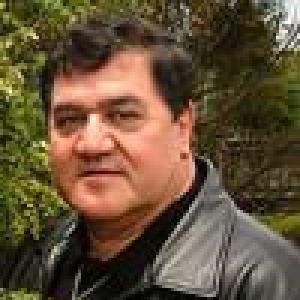
Distinguished Professor Graham Hingangaroa Smith
Professor Graham Smith, a prominent Māori educationalist, has been at the forefront of Māori initiatives in the education field and beyond. His recent academic work has centered on developing theoretically informed transformative strategies related to intervening in Māori cultural, political, social, educational and economic crises. Professor Smith has made significant contributions to the political, social, economic and cultural advancement of indigenous Māori communities. He has also worked extensively with other indigenous peoples across the world, including Canada, Hawaii, USA mainland… -
 Professor Annemarie Gillies
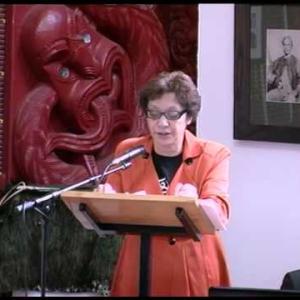
Professor Annemarie Gillies
This internship created a 3D-printed Tekoteko trophy using a biodegradable harakeke filament to honor the memory of Dr Paora Mato. The project blends traditional Māori carving with contemporary art, sparking conversations about tikanga and cultural practice.
View projectHe Tohu Maumahara ki a Paora Mato
This internship created a 3D-printed Tekoteko trophy using a biodegradable harakeke filament to honor the memory of Dr Paora Mato.
The project blends traditional Māori carving with contemporary art, sparking conversations about tikanga and cultural practice.
This project trialled a bush-ready acoustic sound lure, co-developed with Auroa School students, to help draw out remaining possums from hard-to-reach areas of the Kaitake ranges. Supporting Taranaki Mounga Project and DOC’s pest eradication goals, this innovative tech aims to improve efficiency, reduce risk, and protect precious biodiversity.
View projectTe Au Roa – Predator sound lure trial: Draw possums out of those difficult to reach places on Taranaki Mounga
This project trialled a bush-ready acoustic sound lure, co-developed with Auroa School students, to help draw out remaining possums from hard-to-reach areas of the Kaitake ranges.
Supporting Taranaki Mounga Project and DOC’s pest eradication goals, this innovative tech aims to improve efficiency, reduce risk, and protect precious biodiversity.