About this research
What is the potential for new governing structures to intervene in persisting social, cultural, political and economic inequalities that disproportionately accrue to Māori?
The multiple accountabilities of Māori leaders to whānau and community members, beneficiaries and external stakeholders make Māori governance challenges unique. Māori entities are collective, ancestry based and do not have easy exit mechanisms for owners and so Māori governance poses complex challenges.
While traditional tikanga Māori (customary law) is a unique consideration for these Māori entities they are often highly politicised; sometimes subjected to restrictive legislation; often aspire to quadruple bottom lines, and usually include long term asset ownership and tribal regeneration strategies.
There has been an increase in the number of Māori entities with substantial assets contributing to a growing Māori economy, and this begs the question of what are the most effective Māori governance models? Despite many opinions and inputs into how Māori assets can be better utilised through more effective governance models, a new approach to Māori governance research is required to appropriately address Māori values, institutions and aspirations in 21st century Aotearoa New Zealand. This project investigates these issues and explores how governance methods might better incorporate traditional Māori values.
Objectives of the Research:
- Develop and reaffirm “new” knowledge and transformations resulting from innovative cross-cultural engagement during the Treaty of Waitangi settlement process.
- Examine aspects of intergenerational wealth and explore the task of modernising Māori/tribal governance with a comparative study of such structures in international Indigenous contexts.
- Develop appropriate and sustainable Māori governance models that embrace and enhance the economic performance of Māori communities and maintain consistency with mātauranga and tikanga Māori.
- Promote the uptake of such models – where the governance of a Māori collective or community of interest makes a positive difference in the actual lives and wellbeing of that Māori community.
Whakaahua & Ataata · Images & Videos
Kairangahau · Researchers
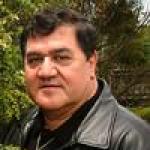 Distinguished Professor Graham Hingangaroa Smith
Ngāti Apa, Ngāti Kahungunu, Kai Tahu and Ngāti Porou, Te Aitanga a Hauiti, Kati Mamoe
Massey University
Professor Graham Smith, a prominent Māori educationalist, has been at the forefront of Māori initiatives in the…
Distinguished Professor Graham Hingangaroa Smith
Ngāti Apa, Ngāti Kahungunu, Kai Tahu and Ngāti Porou, Te Aitanga a Hauiti, Kati Mamoe
Massey University
Professor Graham Smith, a prominent Māori educationalist, has been at the forefront of Māori initiatives in the…
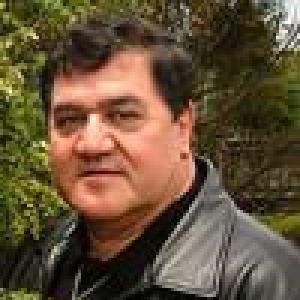
Distinguished Professor Graham Hingangaroa Smith
Ētahi atu · Other projects
He Mangōpare Amohia: Strategies for Māori Economic Development Critical success factors for Māori economic development have been identified in a just released report on the three-year Ngā Pae o te Māramatanga (NPM) research programme – Te Tupunga Māori Economic Development. This significant research programme was led by Distinguished Professor Graham…
View projectTe Tupunga Māori Economic Development
He Mangōpare Amohia: Strategies for Māori Economic Development
Critical success factors for Māori economic development have been identified in a just released report on the three-year Ngā Pae o te Māramatanga (NPM) research programme – Te Tupunga Māori Economic Development.
This significant research programme was led by Distinguished Professor Graham Hingangaroa Smith of Te Whare Wānanga o Awanuiārangi, who partnered with four participating iwi - Ngāti Awa, Ngāti Kahungunu, Te Whānau-ā-Apanui and Ngāpuhi and brought their values, insights and aspirations to the project.
Their vision was to identify ways of transforming Māori/iwi economic development and find models that would appropriately reflect the economic interests of Māori, as well as their social and cultural development aspirations.
Kairangahau · Researchers
-
Distinguished Professor Graham Hingangaroa Smith
Distinguished Professor Graham Hingangaroa Smith
Professor Graham Smith, a prominent Māori educationalist, has been at the forefront of Māori initiatives in the education field and beyond. His recent academic work has centered on developing theoretically informed transformative strategies related to intervening in Māori cultural, political, social, educational and economic crises. Professor Smith has made significant contributions to the political, social, economic and cultural advancement of indigenous Māori communities. He has also worked extensively with other indigenous peoples across the world, including Canada, Hawaii, USA mainland…
Led by Distinguished Professor Graham Smith, this iwi-partnered research programme explored Māori-led economic development grounded in mātauranga Māori. Working with Ngāti Awa, Ngāti Kahungunu, Te Whānau-ā-Apanui and Ngāpuhi, the project developed a framework to support intergenerational wellbeing and guide future policy and practice.
View projectTe Pae Tawhiti: Māori economic development
Led by Distinguished Professor Graham Smith, this iwi-partnered research programme explored Māori-led economic development grounded in mātauranga Māori. Working with Ngāti Awa, Ngāti Kahungunu, Te Whānau-ā-Apanui and Ngāpuhi, the project developed a framework to support intergenerational wellbeing and guide future policy and practice.
Kairangahau · Researchers
-
Distinguished Professor Graham Hingangaroa Smith
Distinguished Professor Graham Hingangaroa Smith
Professor Graham Smith, a prominent Māori educationalist, has been at the forefront of Māori initiatives in the education field and beyond. His recent academic work has centered on developing theoretically informed transformative strategies related to intervening in Māori cultural, political, social, educational and economic crises. Professor Smith has made significant contributions to the political, social, economic and cultural advancement of indigenous Māori communities. He has also worked extensively with other indigenous peoples across the world, including Canada, Hawaii, USA mainland…
This project investigates the wellbeing (economic indicators) of Māori households whānau of a specific iwi using New Zealand Census data from 1991–2006. This project aims to provide greater sovereignty to iwi by providing an evidence base for their decision-making through analysis of this data.
View projectThe iwi household whānau wellbeing project
This project investigates the wellbeing (economic indicators) of Māori households whānau of a specific iwi using New Zealand Census data from 1991–2006. This project aims to provide greater sovereignty to iwi by providing an evidence base for their decision-making through analysis of this data.
Kairangahau · Researchers
-
Distinguished Professor Graham Hingangaroa Smith
Distinguished Professor Graham Hingangaroa Smith
Professor Graham Smith, a prominent Māori educationalist, has been at the forefront of Māori initiatives in the education field and beyond. His recent academic work has centered on developing theoretically informed transformative strategies related to intervening in Māori cultural, political, social, educational and economic crises. Professor Smith has made significant contributions to the political, social, economic and cultural advancement of indigenous Māori communities. He has also worked extensively with other indigenous peoples across the world, including Canada, Hawaii, USA mainland…