About this research
This significant research programme was led by Distinguished Professor Graham Hingangaroa Smith of Te Whare Wānanga o Awanuiārangi, who partnered with four participating iwi – Ngāti Awa, Ngāti Kahungunu, Te Whānau-ā-Apanui and Ngāpuhi and brought their values, insights and aspirations to the project.
Te Pae Tawhiti (“the distant horizon”) is one of NPM’s larger research programmes embedded in communities. This economic development research programme followed the start of Te Pae Tawhiti: Te Reo Māori in 2010 (Te Kura Roa) a three-year research initiative exploring the models to enhance language revitalization, identify barriers to use and the value of Māori language on New Zealand economy, culture and society.
Over three years, Te Pae Tawhiti: Māori Economic Development aimed to establish a Māori economic development framework using collaboration, investigation and engagement as a catalyst for change and economic growth. Informed by Mātauranga Māori (Māori knowledge) the programme sought to support the wellbeing of future generations, and the environment, of Aotearoa. The research and its outputs inform policy and development at local and national levels.
Researchers from NPM partnered with Whakatane-based Te Rūnanga o Ngāti Awa and Te Whare Wānanga o Awanuiārangi, and three Iwi. Distinguished Professor Graham Smith, says the collaboration brings a range of strengths to the programme.
View a copy of the final report - He Mangōpare Amohia - below.
Led by Distinguished Professor Graham Smith, this iwi-partnered research programme explored Māori-led economic development grounded in mātauranga Māori. Working with Ngāti Awa, Ngāti Kahungunu, Te Whānau-ā-Apanui and Ngāpuhi, the project developed a framework to support intergenerational wellbeing and guide future policy and practice.
Kairangahau · Researchers
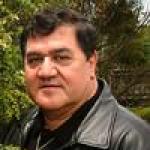 Distinguished Professor Graham Hingangaroa Smith
Ngāti Apa, Ngāti Kahungunu, Kai Tahu and Ngāti Porou, Te Aitanga a Hauiti, Kati Mamoe
Massey University
Professor Graham Smith, a prominent Māori educationalist, has been at the forefront of Māori initiatives in the…
Distinguished Professor Graham Hingangaroa Smith
Ngāti Apa, Ngāti Kahungunu, Kai Tahu and Ngāti Porou, Te Aitanga a Hauiti, Kati Mamoe
Massey University
Professor Graham Smith, a prominent Māori educationalist, has been at the forefront of Māori initiatives in the…
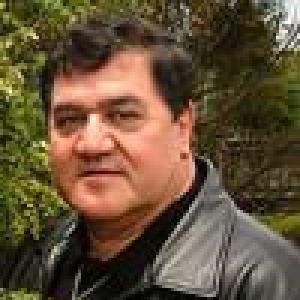
Distinguished Professor Graham Hingangaroa Smith
Ētahi atu · Other projects
What is the potential for new governing structures to intervene in persisting social, cultural, political and economic inequalities that disproportionately accrue to Māori? The multiple accountabilities of Māori leaders to whānau and community members, beneficiaries and external stakeholders make Māori governance challenges unique. Māori entities are…
View projectPersisting Inequalities and the Potential for Intervention through “New” Governance Models
Kairangahau · Researchers
-
Distinguished Professor Graham Hingangaroa Smith
Distinguished Professor Graham Hingangaroa Smith
Professor Graham Smith, a prominent Māori educationalist, has been at the forefront of Māori initiatives in the education field and beyond. His recent academic work has centered on developing theoretically informed transformative strategies related to intervening in Māori cultural, political, social, educational and economic crises. Professor Smith has made significant contributions to the political, social, economic and cultural advancement of indigenous Māori communities. He has also worked extensively with other indigenous peoples across the world, including Canada, Hawaii, USA mainland… -
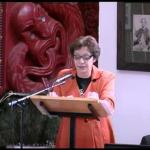 Professor Annemarie Gillies
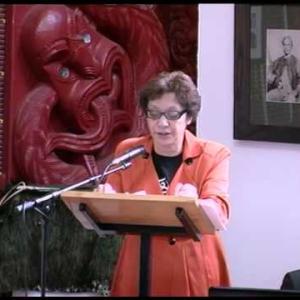
Professor Annemarie Gillies
He Mangōpare Amohia: Strategies for Māori Economic Development Critical success factors for Māori economic development have been identified in a just released report on the three-year Ngā Pae o te Māramatanga (NPM) research programme – Te Tupunga Māori Economic Development. This significant research programme was led by Distinguished Professor Graham…
View projectTe Tupunga Māori Economic Development
He Mangōpare Amohia: Strategies for Māori Economic Development
Critical success factors for Māori economic development have been identified in a just released report on the three-year Ngā Pae o te Māramatanga (NPM) research programme – Te Tupunga Māori Economic Development.
This significant research programme was led by Distinguished Professor Graham Hingangaroa Smith of Te Whare Wānanga o Awanuiārangi, who partnered with four participating iwi - Ngāti Awa, Ngāti Kahungunu, Te Whānau-ā-Apanui and Ngāpuhi and brought their values, insights and aspirations to the project.
Their vision was to identify ways of transforming Māori/iwi economic development and find models that would appropriately reflect the economic interests of Māori, as well as their social and cultural development aspirations.
Kairangahau · Researchers
-
Distinguished Professor Graham Hingangaroa Smith
Distinguished Professor Graham Hingangaroa Smith
Professor Graham Smith, a prominent Māori educationalist, has been at the forefront of Māori initiatives in the education field and beyond. His recent academic work has centered on developing theoretically informed transformative strategies related to intervening in Māori cultural, political, social, educational and economic crises. Professor Smith has made significant contributions to the political, social, economic and cultural advancement of indigenous Māori communities. He has also worked extensively with other indigenous peoples across the world, including Canada, Hawaii, USA mainland…
This project investigates the wellbeing (economic indicators) of Māori households whānau of a specific iwi using New Zealand Census data from 1991–2006. This project aims to provide greater sovereignty to iwi by providing an evidence base for their decision-making through analysis of this data.
View projectThe iwi household whānau wellbeing project
This project investigates the wellbeing (economic indicators) of Māori households whānau of a specific iwi using New Zealand Census data from 1991–2006. This project aims to provide greater sovereignty to iwi by providing an evidence base for their decision-making through analysis of this data.
Kairangahau · Researchers
-
Distinguished Professor Graham Hingangaroa Smith
Distinguished Professor Graham Hingangaroa Smith
Professor Graham Smith, a prominent Māori educationalist, has been at the forefront of Māori initiatives in the education field and beyond. His recent academic work has centered on developing theoretically informed transformative strategies related to intervening in Māori cultural, political, social, educational and economic crises. Professor Smith has made significant contributions to the political, social, economic and cultural advancement of indigenous Māori communities. He has also worked extensively with other indigenous peoples across the world, including Canada, Hawaii, USA mainland…