About this research
We are now 30+ years on from when our children first had the opportunity to attend Kōhanga. They are a part of a fortunate generation, like those who will follow them. And so too are those that are following. But what of those older Māori, their parents and grandparents, some of who do speak te reo but many who do not? What challenges to tikanga, age related roles and relationships do these demographics present? Status, mana, roles, responsibilities, ritual duties and leadership are all age related concepts that, in the Māori world, assume a foundation of learning that leads to experience, competence and accumulated wisdom over time. It is assumed that pakeke are more able and expert than rangatahi. At formal marae events like tangihanga, unveilings, baptisms, weddings, and various hui, the presence of pakeke, kuia and koroua is a statement of prestige and mana and bestows honour upon visitors. But these events increasingly require pakeke to participate as te reo speakers, in gendered and age determined ways. With the rise and aging of the Kōhanga generation, what pressure is being placed on tikanga, age related roles and relationships? Is the affected generation displaced by this new generation and at what cost to tradition and custom? Is the new generation being asked to step into age related roles that require proficiency in te reo? And what impacts do such shifts have? Are these permanent, temporary or fluid? Are people diminished or esteemed in the process? Do lives and meanings change? These critical questions are what we intend to explore in this study to discovering mana enhancing strategies for our whānau, hapū and iwi.
Challenges and continuities: Unintended impacts of Te Reo Māori language revitalisation efforts will answer the following research questions:
- What are the experiences and strategies employed by pakeke and rangatahi to maintain mana when contexts require te reo proficiency?
- What are the implications of shifts in age and role related customary practices on pakeke and rangatahi relationships and broader whānau and hapū processes?
- What are mutually supportive practices that enrich the mana and wisdom of pakeke, and the learning and development experiences of rangatahi, towards te reo and tikanga enhancement?
Kairangahau · Researchers
 Professor Linda Waimarie Nikora FRSNZ, HFNZPS
Te Aitanga-a-Hauiti, Tūhoe
Waipapa Taumata Rau, University of Auckland
Linda Waimarie Nikora is co-director of Ngā Pae o te Māramatanga and a Professor of Indigenous Studies at Te Wānanga o…
Professor Linda Waimarie Nikora FRSNZ, HFNZPS
Te Aitanga-a-Hauiti, Tūhoe
Waipapa Taumata Rau, University of Auckland
Linda Waimarie Nikora is co-director of Ngā Pae o te Māramatanga and a Professor of Indigenous Studies at Te Wānanga o…
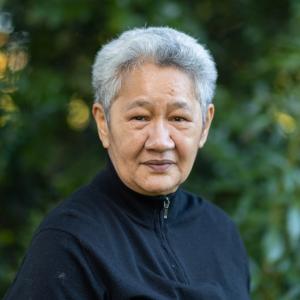
Professor Linda Waimarie Nikora FRSNZ, HFNZPS
 Emeritus Professor Ngahuia Te Awekotuku MNZM FAWMM
Te Arawa, Tūhoe, Waikato
Emeritus Professor Ngahuia te Awekotuku continues to contribute in the arts and creative sector. With degrees in Art…
Emeritus Professor Ngahuia Te Awekotuku MNZM FAWMM
Te Arawa, Tūhoe, Waikato
Emeritus Professor Ngahuia te Awekotuku continues to contribute in the arts and creative sector. With degrees in Art…
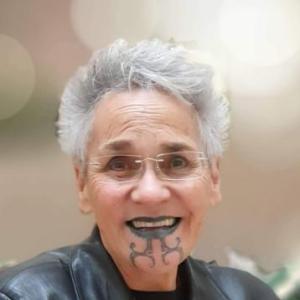
Emeritus Professor Ngahuia Te Awekotuku MNZM FAWMM
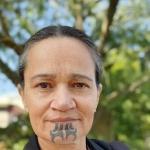 Professor Waikaremoana Waitoki
Ngāti Hako, Ngāti Māhanga
University of Waikato
Waikaremoana is a Professor and Associate Dean Research in the Faculty of Māori and Indigenous Studies at the…
Professor Waikaremoana Waitoki
Ngāti Hako, Ngāti Māhanga
University of Waikato
Waikaremoana is a Professor and Associate Dean Research in the Faculty of Māori and Indigenous Studies at the…
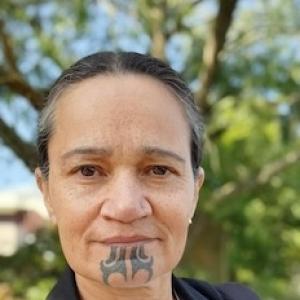
Professor Waikaremoana Waitoki
Rangahau · Related projects
Ētahi atu · Other projects
Tangi is the ultimate form of Māori cultural and community expression. Addressing the dearth of scholarly information, this study considers tangi practice, whakapapa, changing environments, community values, sharing knowledge, ritual and what it means to be Māori. The research team has been examining the life-values, beliefs and practices related to…
View projectAituā: Death in a changing Māori World
Kairangahau · Researchers
-
Professor Linda Waimarie Nikora FRSNZ, HFNZPS
Professor Linda Waimarie Nikora FRSNZ, HFNZPS
Linda Waimarie Nikora is co-director of Ngā Pae o te Māramatanga and a Professor of Indigenous Studies at Te Wānanga o Waipapa, the University of Auckland. She was previously Professor of Psychology and Director of the Maori & Psychology Research Unit at the University of Waikato. Her specialities are in in community psychology, applied social psychology, ethnopsychology and Maori development. Professor Nikora has a celebrated research and academic career, working in community, social and indigenous psychologies, with a specific focus on Māori wellbeing and self-determination. Her research in…
Pregnancy is well known as consisting of 3 gestational periods; however very little research has been conducted that explores the postpartum, 4th trimester. The 4th trimester refers to the 3 month period post-birth, and may extend up to a year depending on social, physical and emotional issues related to birthing and motherhood. The 4th trimester is crucial…
View projectEstablishing the maternal gaze: The 4th trimester and life outside the womb
Kairangahau · Researchers
-
Professor Waikaremoana Waitoki
Professor Waikaremoana Waitoki
Waikaremoana is a Professor and Associate Dean Research in the Faculty of Māori and Indigenous Studies at the University of Waikato, New Zealand. She is a clinical psychologist with experience in adolescent and maternal mental health. She is a past president of the New Zealand Psychological Society, and inaugural co-chair of the Māori psychologist’s network, He Paiaka Totara. She is the co-editor of the first Indigenous psychology book, Te Manu Kai i te Mātauranga which is used nationally and internationally in teaching about monoculturalism and racism in psychology. She is also the co-editor…
What does a uniquely Māori psychology look like? This research explored how mātauranga Māori—rooted in language, art, emotion, ethics, and connection—could shape a psychology curriculum grounded in Indigenous ways of knowing, doing, and being.
View project
Mātauranga Māori in psychology: Contributions to an Indigenous Psychology
What does a uniquely Māori psychology look like? This research explored how mātauranga Māori—rooted in language, art, emotion, ethics, and connection—could shape a psychology curriculum grounded in Indigenous ways of knowing, doing, and being.
Kairangahau · Researchers
-
Professor Waikaremoana Waitoki
Professor Waikaremoana Waitoki
Waikaremoana is a Professor and Associate Dean Research in the Faculty of Māori and Indigenous Studies at the University of Waikato, New Zealand. She is a clinical psychologist with experience in adolescent and maternal mental health. She is a past president of the New Zealand Psychological Society, and inaugural co-chair of the Māori psychologist’s network, He Paiaka Totara. She is the co-editor of the first Indigenous psychology book, Te Manu Kai i te Mātauranga which is used nationally and internationally in teaching about monoculturalism and racism in psychology. She is also the co-editor…