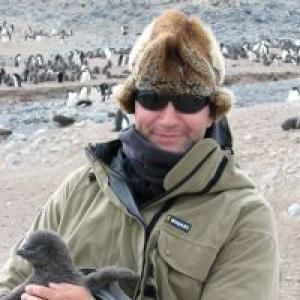
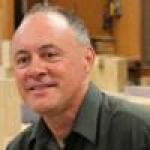
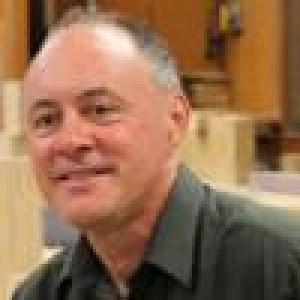
 Dr Phil Lyver
" loading="lazy" decoding="async">
Dr Phil Lyver
" loading="lazy" decoding="async">
Principal Māori Researcher and Research Priority Area Leader
Phil’s research has used ecological science and indigenous and local knowledge to interpret changes in demographic trends and abundance of wildlife populations (e.g. terrestrial and marine birds). The key focus of his research has been on climatic and anthropogenic (e.g. harvest) drivers of population change, and the development of models to forecast population trends. He has expertise in interpreting ecosystem structure and function within scientific and indigenous worldviews, in particular the ways that different cultures ‘sense’ the environment. Phil has experience interfacing both scientific and cultural frameworks to design and interpret biodiversity indicators for Māori resource users, scientists, policymakers, and government and non-government officials. Strong cross-cultural partnerships with indigenous people, especially Māori, are core to his research. Also of interest are the arrangements used by Māori and indigenous people internationally to achieve governance and management over their lands and natural resources.
For the last decade, Phil has worked as part of national and international multidisciplinary teams, comprising ecologists, modellers, social scientists, and school teachers. Outcomes include amendments to government policy resulting in the re-establishment of a customary harvest of grey-faced petrel chicks; presentation of principles and priorities for the future governance and management of Te Urewera; and the restoration of coastal forest ecosystems using palaeo-pollen records and mātauranga. His results contribute significantly to understanding biodiversity and ecology in New Zealand and Antarctica, and have been communicated through international and national peer-reviewed journals and conferences, community newsletters, TV and print media, school journals, and the NCEA Year 10–13 Geography curriculum.
Rangahau · Related projects
How can New Zealand’s state legal system recalibrate to challenge the Crown’s assumption of sovereignty over lands and waters treasured by Māori? Drawing on the research findings of the other Te Tai Ao foundational projects, this project will lead to new laws, policies, plans and models for government and iwi/Māori communities, and will enable Māori to…
View projectNgā Ture o Te Tai Ao - New Laws for the Environment
Kairangahau · Researchers
-
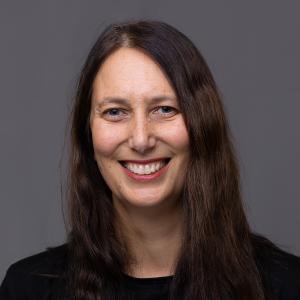
 Professor Jacinta Ruru FRSNZ
Professor Jacinta Ruru FRSNZ
Jacinta Ruru is a Professor of Law at the University of Otago. Her research has focused on exploring Indigenous peoples' legal rights to own, manage and govern land and water including national parks and minerals in Aotearoa New Zealand, Canada, United States, Australia and the Scandinavia countries. She has led, or co-led, several national and international research projects including on the Common Law Doctrine of Discovery, Indigenous peoples’ rights to freshwater and multidisciplinary understandings of landscapes and writes for several legal publishers including Adams’ Land Transfer and… -
 Dr Phil Lyver
Dr Phil Lyver
Phil’s research has used ecological science and indigenous and local knowledge to interpret changes in demographic trends and abundance of wildlife populations (e.g. terrestrial and marine birds). The key focus of his research has been on climatic and anthropogenic (e.g. harvest) drivers of population change, and the development of models to forecast population trends. He has expertise in interpreting ecosystem structure and function within scientific and indigenous worldviews, in particular the ways that different cultures ‘sense’ the environment. Phil has experience interfacing both… -
 Dr Kepa Morgan
Dr Kepa Morgan
Dr Kepa Morgan's (BE, MBA, PhD, CPEng, FIPENZ ) bi-cultural background is rooted in his cultural identity as Ngāti Pikiao of Te Arawa. During his engineering career Kepa has strengthened his understanding of Pikiaoanga while also striving for excellence both professionally and academically. As an indirect result of this combination of identity, interests and expertise, Kepa has found himself at the juncture between Māori aspirations and the engineering profession on many occasions. At times these have been adversarial situations, and sometimes the results have been less than optimal, however…
Ētahi atu · Other people
 Professor Sarah-Jane Paine
Waipapa Taumata Rau, University of Auckland
Professor Sarah-Jane Paine (Tūhoe) is a leading Māori health researcher and internationally respected authority on…
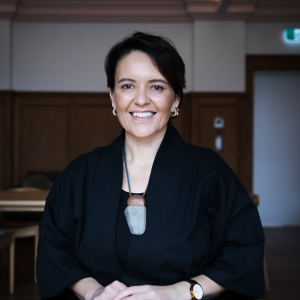
Professor Sarah-Jane Paine
Waipapa Taumata Rau, University of Auckland
Professor Sarah-Jane Paine (Tūhoe) is a leading Māori health researcher and internationally respected authority on…
Professor Sarah-Jane Paine
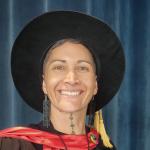 Associate Professor Deborah Heke
Ngā Puhi, Te Arawa
Te Whare Wananga o Wairaka Unitec
Associate Professor Deborah Heke (Ngā Puhi, Te Arawa) is the Director of Ngā Wai a Te Tūī Māori and Indigenous Research…
Associate Professor Deborah Heke
Ngā Puhi, Te Arawa
Te Whare Wananga o Wairaka Unitec
Associate Professor Deborah Heke (Ngā Puhi, Te Arawa) is the Director of Ngā Wai a Te Tūī Māori and Indigenous Research…
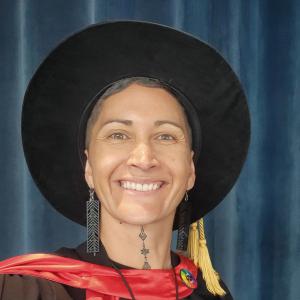
Associate Professor Deborah Heke
 Kiri Edge
Te Wānanga o Aotearoa
Kiri has contributed to a wide range of interdisciplinary research and evaluation projects across both academic and…
Kiri Edge
Te Wānanga o Aotearoa
Kiri has contributed to a wide range of interdisciplinary research and evaluation projects across both academic and…