About this research
What are the knowledge gaps pertaining to the impact of incarceration on whānau health and wellbeing, what is the nature and scope of current initiatives for whānau who have a family member incarcerated, and what are the barriers and challenges for whānau utilising current initiatives for these whānau members?
The over-representation of Māori in New Zealand prisons means that the impacts of imprisonment fall disproportionately on Māori whānau and communities. Having an incarcerated whānau member impacts on a variety of emotional, behavioural and health-related aspects. Many governmental and community agencies are required to work with, and for, whānau who have a whānau member incarcerated, however there is very little evidence of quality intervention from the relevant state agencies to provide support for the emotional and physical wellbeing of whānau.
This project is identifying the impact incarceration has on whānau health and wellbeing, and is using the findings to scope a larger related project in the future. Utilising Kaupapa Māori theory, the researchers are conducting an extensive environmental scan of the published and grey literature relating to Māori whānau health and well¬being when a whānau member is incarcerated, whilst also assessing the current services and initiatives in place to support whānau in Aotearoa, including identifying what government, non-government organisations and community support are currently available for these whānau, including their pathways for access.
Kairangahau · Researchers
 Professor Emma Wyeth
Ngāi Tahu, Te Ātiawa, Ngāti Tama, Ngāti Mutunga
Ngāi Tahu Māori Health Research Unit
Emma Wyeth (Kāi Tahu, Te Ātiawa, Ngāti Tama, Ngāti Mutunga) was a Deputy Director at Ngā Pae o te Māramatanga 2016 to…
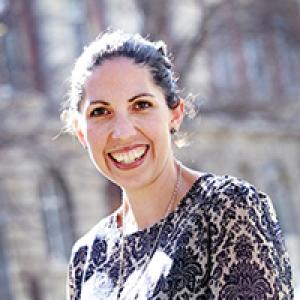
Professor Emma Wyeth
Ētahi atu · Other projects
Tangi is the ultimate form of Māori cultural and community expression. Addressing the dearth of scholarly information, this study considers tangi practice, whakapapa, changing environments, community values, sharing knowledge, ritual and what it means to be Māori. The research team has been examining the life-values, beliefs and practices related to…
View projectAituā: Death in a changing Māori World
Kairangahau · Researchers
-
 Professor Linda Waimarie Nikora FRSNZ, HFNZPS
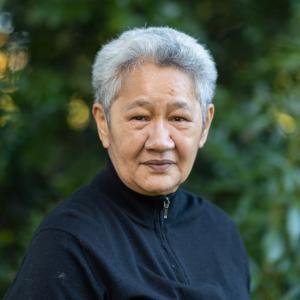
Professor Linda Waimarie Nikora FRSNZ, HFNZPS
Researcher and academic, Professor Linda Waimarie Nikora was formerly the Director of the Māori & Psychology Research Unit in the School of Psychology at the University of Waikato in New Zealand. In 2017, she became a Professor Indigenous Studies at the University of Auckland where she was also Co-Director of Ngā Pae o te Māramatanga, New Zealand’s Māori Centre of Research Excellence (2017-2025). She presently teaches in the Master's of Indigenous Studies programme and supervises dissertations, master's theses and PhDs.Her specialty interests are in the development of indigenous psychologies…
A new report from Ngā Pae o te Māramatanga (NPM) and Manaaki Whenua Landcare Research provides guidance for Te Ao Māori on climate change adaptation and mitigation. He huringa āhuarangi, he huringa ao: a changing climate, a changing world was produced by a multidisciplinary Māori research team working across many research institutions. Using a novel kaupapa…
View projectHe huringa āhuarangi, he huringa ao: a changing climate, a changing world
Often Kaumātua and elders generally, are seen as vulnerable and passive recipients of services throughout the ongoing Covid 19 pandemic. However, in the village of Ohinemutu and as citizens of their iwi Ngāti Whakaue, Kaumātua have been active leaders in the response of the village, initially during the first four-week lockdown in 2020. However, that…
View project