About this research
What are the bases for Māori enterprise collaboration? How do Māori activate Indigenous entrepreneurial capabilities for collaboration and what forms do Māori enterprise collaborations take?
By exploring Māori enterprise collaboration as a fundamental but challenging strategy for Māori economic development, this project identifies principles and models which can inform Māori and non-Māori about enterprise collaboration. It does this by using mātauranga Māori, kaupapa Māori, tikanga Māori and te reo Māori, as well as considerations of non-Māori principles, practices and technologies for enterprise collaboration.
Māori enterprise collaborations have been attempted in multiple sectors – miraka (dairy), mīere (honey), mTti (red meat), moana (seafood), tapoi (tourism), and matihiko (digital spaces) – with varying degrees of success. Understanding the factors which influence success is therefore an
Kairangahau · Researchers
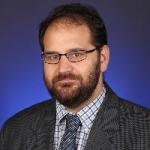 Dr Matthew Roskruge
Te Ātiawa, Ngāti Tama
Massey University
Matthew Roskruge (Te Atiawa, Ngāti Tama) is codirector of Te Au Rangahau and a Senior Lecturer in the School of…
Dr Matthew Roskruge
Te Ātiawa, Ngāti Tama
Massey University
Matthew Roskruge (Te Atiawa, Ngāti Tama) is codirector of Te Au Rangahau and a Senior Lecturer in the School of…

Dr Matthew Roskruge
Ētahi atu · Other projects
Tangi is the ultimate form of Māori cultural and community expression. Addressing the dearth of scholarly information, this study considers tangi practice, whakapapa, changing environments, community values, sharing knowledge, ritual and what it means to be Māori. The research team has been examining the life-values, beliefs and practices related to…
View projectAituā: Death in a changing Māori World
Kairangahau · Researchers
-
 Professor Linda Waimarie Nikora FRSNZ, HFNZPS
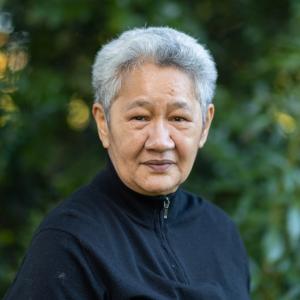
Professor Linda Waimarie Nikora FRSNZ, HFNZPS
Linda Waimarie Nikora is co-director of Ngā Pae o te Māramatanga and a Professor of Indigenous Studies at Te Wānanga o Waipapa, the University of Auckland. She was previously Professor of Psychology and Director of the Maori & Psychology Research Unit at the University of Waikato. Her specialities are in in community psychology, applied social psychology, ethnopsychology and Maori development. Professor Nikora has a celebrated research and academic career, working in community, social and indigenous psychologies, with a specific focus on Māori wellbeing and self-determination. Her research in…
A new report from Ngā Pae o te Māramatanga (NPM) and Manaaki Whenua Landcare Research provides guidance for Te Ao Māori on climate change adaptation and mitigation. He huringa āhuarangi, he huringa ao: a changing climate, a changing world was produced by a multidisciplinary Māori research team working across many research institutions. Using a novel kaupapa…
View projectHe huringa āhuarangi, he huringa ao: a changing climate, a changing world
Often Kaumātua and elders generally, are seen as vulnerable and passive recipients of services throughout the ongoing Covid 19 pandemic. However, in the village of Ohinemutu and as citizens of their iwi Ngāti Whakaue, Kaumātua have been active leaders in the response of the village, initially during the first four-week lockdown in 2020. However, that…
View project