About this research
The overarching questions for this NPM Platform Project are:
- What are the innovative and mana-enhancing imperatives that need to be employed in order to enable tamariki, rangatahi and their whānau to flourish in an ever-changing global and digital society?
- How are existing structures and systems able to be improved to support all Maōri into the workplace (which may include transitioning from education sectors into workplaces and/or moving from unemployment into the workplace, and/or career development)) in order support and sustain wellbeing, and enhance mana?
- What are the implications for policy and practice for all Māori (particularly when exiting secondary schooling and/or tertiary institutions into the workplace and/or from unemployment into the evolving nature of work and workplaces) in terms of sustaining revitalisation, inclusion, and investment - particularly for marginalised communities and groups?
- How are the tensions between ‘work’ and ‘wellbeing’ able to be ameliorated in an evolving world?
- How can sustainable livelihood theories, policies, and practices fundamentally enhance both individual and whānau wellbeing and work/life balance?
This platform project is centred on finding the ways and means to attain sustainable incomes, wellness and success for tamariki, rangatahi and their whānau within their lived environments.
Our aim is to leverage change using existing knowledges and research findings to work alongside Māori peoples to develop enabling strategies to flourish in a wide range of workplaces and career pathways so they can support tamariki/rangatahi and their whānau within the changing evolution of the 21st century global world where diversity is ubiquitous.
We are using rapid reviews of exemplary practice and their key findings to build a research framework, at which point we will supplement these reviews with follow-up interviews of participants of the ‘Ka Awatea: An iwi case study of Māori students experiencing success’ study to look at sustained success and Think Tank meetings with key stakeholders such as iwi and government organisations who have enabled significant positive shifts in outcomes for Māori.
The research is guided initially by the ADKAR model for change. However, our longer term aim is to begin shaping a Māori Change Management Model with particular reference to the Mana Model for Change that emanated from the Ka Awatea study.
We expect that the project will provide a strong foundation platform for future research that gathers around our research question. How do we nurture individuals and groups to flourish by drawing from the past to inform the future?
The research pertains to Māori and is driven by Māori. The culminating policy/position document will guide transformational culturally responsive changes in encouraging and enhancing sustainable incomes for all Māori in a wide range of workplaces that attribute to ways of being for Māori.
This project explored how tamariki, rangatahi, and their whānau thrived in a changing world by supporting Māori wellbeing and success in diverse workplaces. Through research, interviews, and stakeholder input, it aimed to create a Māori-led Change Management Model and policy framework to foster sustainable incomes, cultural revitalisation, and balanced work–life wellbeing for Māori.
Kairangahau · Researchers
 Professor Angus Macfarlane
Ngāti Whakaue
Angus Macfarlane is Professor of Māori Research at the University of Canterbury. He is an experienced educator and…
Professor Angus Macfarlane
Ngāti Whakaue
Angus Macfarlane is Professor of Māori Research at the University of Canterbury. He is an experienced educator and…
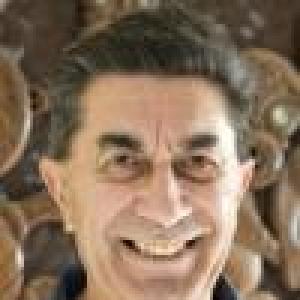
Professor Angus Macfarlane
 Dr Tia Neha
Ngāpuhi
Te Herenga Waka Victoria University of Wellington
Tia is a lecturer at the school of psychology, Victoria University of Wellington. Her research interests include four…
Dr Tia Neha
Ngāpuhi
Te Herenga Waka Victoria University of Wellington
Tia is a lecturer at the school of psychology, Victoria University of Wellington. Her research interests include four…
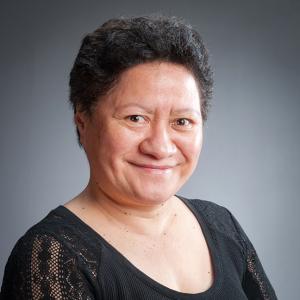
Dr Tia Neha
 Associate Professor Sonja Macfarlane
Ngāti Waewae, Ngāi Tahu
Massey University
Sonja Macfarland (Ngāti Waewae, Ngāi Tahu) interest’s focus on the importance of culturally responsive, evidence-based…
Associate Professor Sonja Macfarlane
Ngāti Waewae, Ngāi Tahu
Massey University
Sonja Macfarland (Ngāti Waewae, Ngāi Tahu) interest’s focus on the importance of culturally responsive, evidence-based…

Associate Professor Sonja Macfarlane
Ētahi atu · Other projects
This proposed research will undertake a co-generative process with our community and collaborating researchers to scope and develop specific research questions that would form the basis of individual applications to three funding bodies. However, our meetings to date have broader research questions that have been discussed so far include: Is the Te Pā o…
View projectTe Pā o Rākaihautū – Wetekia kia rere: Kaitiakitanga and decolonising methodologies
Kairangahau · Researchers
-
Professor Angus Macfarlane
Professor Angus Macfarlane
Angus Macfarlane is Professor of Māori Research at the University of Canterbury. He is an experienced educator and practitioner and has been an advisor and professional development provider for Special Education Services and the Ministry of Education on a number of national projects. His interest is the exploration of cultural concepts and strategies that affect positively on professional practice, on which he published widely. In 2010 Angus was presented with the Tohu Pae Tawhiti Award to acknowledge his significant contribution to Māori research. His most recent book, Responsive Pedagogy…
This summer internship investigated the evolution of te reo Māori by examining its linguistic structures, oral traditions, and the impact of historical and policy changes. The research aimed to enhance educational outcomes by analysing phonology, orthography, and teaching approaches, concluding with recommendations for compulsory curricula to better support…
View projectThe Science of Language: Examining the linguistic structure of te reo Maōri
This summer internship investigated the evolution of te reo Māori by examining its linguistic structures, oral traditions, and the impact of historical and policy changes. The research aimed to enhance educational outcomes by analysing phonology, orthography, and teaching approaches, concluding with recommendations for compulsory curricula to better support te reo Māori learners.
Kairangahau · Researchers
-
Professor Angus Macfarlane
Professor Angus Macfarlane
Angus Macfarlane is Professor of Māori Research at the University of Canterbury. He is an experienced educator and practitioner and has been an advisor and professional development provider for Special Education Services and the Ministry of Education on a number of national projects. His interest is the exploration of cultural concepts and strategies that affect positively on professional practice, on which he published widely. In 2010 Angus was presented with the Tohu Pae Tawhiti Award to acknowledge his significant contribution to Māori research. His most recent book, Responsive Pedagogy…
This Ngā Pae o te Māramatanga project incorporates most of the secondary schools and wharekura within the Rotorua school zone. From the literature, data gathered, and the matching and discussion of this information; the research team’s aim is that educators, parents and whānau will better understand the nature of teaching, learning and home socialisation…
View projectKa Awatea: An iwi case study of Māori students experiencing success
This Ngā Pae o te Māramatanga project incorporates most of the secondary schools and wharekura within the Rotorua school zone. From the literature, data gathered, and the matching and discussion of this information; the research team’s aim is that educators, parents and whānau will better understand the nature of teaching, learning and home socialisation patterns that support Māori student success.
Kairangahau · Researchers
-
Professor Angus Macfarlane
Professor Angus Macfarlane
Angus Macfarlane is Professor of Māori Research at the University of Canterbury. He is an experienced educator and practitioner and has been an advisor and professional development provider for Special Education Services and the Ministry of Education on a number of national projects. His interest is the exploration of cultural concepts and strategies that affect positively on professional practice, on which he published widely. In 2010 Angus was presented with the Tohu Pae Tawhiti Award to acknowledge his significant contribution to Māori research. His most recent book, Responsive Pedagogy…