About this research
How can a mātauranga Māori based Heke Ngaru contribute to flourishing whānau?
Māori continue to experience health inequalities in terms of the social determinants of health. Indeed, rangatahi Māori are a demographic who face significant challenges in life compared to non-Māori. However, the evidence suggests that a strong Māori cultural sense of self/identity and connectedness to Te Ao Māori can buffer Māori against the stressors of life. In this regard, this project will connect rangatahi to their Māori cultural sense of self as a pathway to flourishing.
The overall aim of this project is to explore how heke ngaru can transfer mātauranga Māori and contribute to flourishing rangatahi and whānau.
Eight rangatahi Māori of both genders will partake in a 6-week mātauranga Māori based heke ngaru programme called ‘Wai-Tai, Wai-Rua’. This programme will have a focus on the holistic nature of the moana and Tangaroa in terms of whakapapa, atua, kaitiaki, karakia, and purākau to develop and enhance rangatahi connectedness to the moana and their cultural sense of Māori self. The programme will draw on mātauranga Māori that is evident within such activities as Waka Hourua, as well as mātauranga Māori specific to heke ngaru and the inshore environment. This is important as the current international literature surrounding surfing is dominated by Western perspectives and worldviews.
Data collection will involve the use of the Te Hua Oranga survey, photo elicitation, and narrative interviews to understand the effectiveness of ‘Wai Tai, Wai Rua’. At the completion of the programme, it is expected that each rangatahi will be knowledgeable in the mātauranga associated with the moana and Tangaroa, and how this knowledge might be transferable to flourishing in their everyday lives. For example, goal setting, resilience, coping strategies, planning, mental fitness, self-confidence and problem solving. Finally, it is envisioned that this research project will reclaim little known Māori knowledge, heritage and mātauranga associated with Tangaroa, the moana and heke ngaru.
Kairangahau · Researchers
 Dr Jordan Waiti
Ngāti Pikiao, Te Rarawa, Ngaati Maahanga, Ngāti Haupoto
University of Waikato
Jordan started as a lecturer within Te Hautaki Waiora Faculty of Health, Sport and Human Performance at the University…
Dr Jordan Waiti
Ngāti Pikiao, Te Rarawa, Ngaati Maahanga, Ngāti Haupoto
University of Waikato
Jordan started as a lecturer within Te Hautaki Waiora Faculty of Health, Sport and Human Performance at the University…
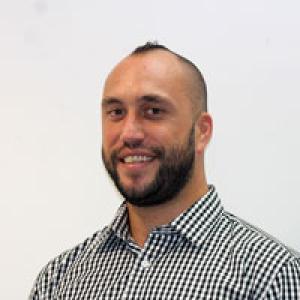
Dr Jordan Waiti
Ētahi atu · Other projects
What is the reo of traditional navigation? How, why, when and where were these navigational aids used in Māori navigation? What are the perspectives of contemporary tohunga whakatere waka on Māori navigation aids today? Which stars and why do contemporary tohunga whakatere waka use in Māori navigation? In the past 40yrs, a regeneration of traditional…
View projectTe Mātauranga Wakatere Waka
Kairangahau · Researchers
-
Dr Jordan Waiti
Dr Jordan Waiti
Jordan started as a lecturer within Te Hautaki Waiora Faculty of Health, Sport and Human Performance at the University of Waikato in early 2018. Previously, he was a Māori Health Consultant based out of Whaingaroa/Raglan. He completed his PhD at Massey University, which focussed on Māori notions of ‘Resilience’ and how they are utilised by whānau who had experienced adversity. He has Honours and Masters degrees from Otago University, with research expertise that is broadly based in the area of Māori Health. He has also been a volunteer facilitator for the Te Taitimu Youth Trust in Hawkes Bay.
What are the implications of reclaiming and reviving the mātauranga associated with nga atua Māori and how does it contribute to reimagining the role of atua Māori in the modern world? How and why are atua Māori, and associated mātauranga, being referenced in different fields today? For example: Sport, recreation, and nutrition; Health and environmental…
View projectTe rangiwhāwhā o ngā Atua Māori: The widespread influence of atua Māori in a modern world
Kairangahau · Researchers
-
 Dr Dean Mahuta
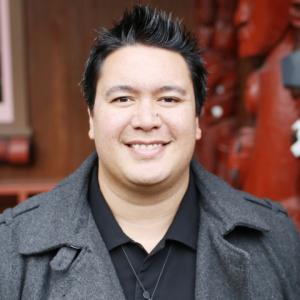
Dr Dean Mahuta
Dean conducts research into traditional Māori knowledge, revitalisation of te reo Māori (the Māori language), Māori history, the representation of Māori customs, language and lore in video games, Māori digital media and identities. He also supervises a number of Masters and PhD students at AUT.
What are the knowledge gaps pertaining to the impact of incarceration on whānau health and wellbeing, what is the nature and scope of current initiatives for whānau who have a family member incarcerated, and what are the barriers and challenges for whānau utilising current initiatives for these whānau members? The over-representation of Māori in New Zealand…
View projectThe Impact of Incarceration on Whānau Health and Wellbeing
Kairangahau · Researchers
-
 Professor Emma Wyeth
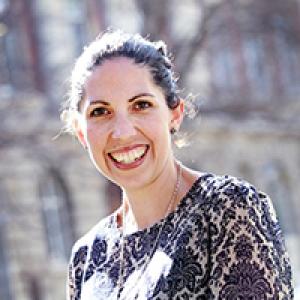
Professor Emma Wyeth
Emma Wyeth (Kāi Tahu, Te Ātiawa, Ngāti Tama, Ngāti Mutunga) was a Deputy Director at Ngā Pae o te Māramatanga 2016 to 2018. Emma is the Director of Te Rōpū Rangahau Hauora Māori o Ngāi Tahu (Ngāi Tahu Māori Health Research Unit) and a Professor in Māori Health, both in the Department of Preventive and Social Medicine.Emma has a range of research expertise and interests within the field of hauora Māori.She is currently the Principal Investigator on the Health Research Council of New Zealand (HRC)-funded POIS-10 Māori: Outcomes and experiences in the decade following injury study (2019-2022)…