About this research
Summary
While the terms racism and equity are increasingly commonly used, action that meaningfully addresses racism and eliminates inequities is less common. This programme seeks to uncover how commitments to equity and ending racism are undermined, ‘non-performative’ or symbolic only, and how they may need to be reconfigured in the context of Aotearoa to align with rangatiratanga. Understandings of racism and (in)equity are strongly shaped by contextual factors and dominant, frequently changing discourses. These in turn influence assumptions and logics underpinning research questions, methods, datasets, analytical frameworks, indicators and interventions.
In Aotearoa, these understandings often de-centre Indigenous worldviews, limiting the potential to realise transformation of colonial conditions and Māori aspirations for wellbeing and flourishing. This research programme considers racism and (in)equity from Māori worldviews, and challenges universal and imported definitions that fail to recognise the complexity of Māori historical and contemporary realities and our aspirations for rangatiratanga.
The research seeks to challenge the power dynamics within our society, how current policies and research discourses are framed to create ‘vulnerability’ within Māori communities and thereby frame equity in ways that limit potential for Māori transformation. Interventions that are anti-racist and anti-colonial need to also work at breaking down the artificial borders and binaries that exist in research, including the policing of boundaries between the academy and other communities. The de-valuing of particular types of knowledges and the division into disciplines are epistemic and methodological forms of racism. They also act as a barrier to solidarity and praxis across spaces.
This research programme aims to unsettle boundaries to work in more collective and collaborative ways across different disciplines, institutions, and settings.
Objectives
- Creating spaces to facilitate thought leadership around racism and develop productive and creative ways to address racism
- Testing analytical models to illuminate the mechanisms by which racism plays out in Māori lives
- Critically analysing equity definitions and narratives and their relation to racism, privilege and coloniality, to redefine the definition of equity and its application in Aotearoa NZ
- Developing theoretical conceptualisations of the relationships between racism and (in)equity for Māori, creating indicators for future research and interventions
Lead Researchers
Assoc. Prof Donna Cormack, Kāi Tahu, Kāti Māmoe, University of Auckland
Dr Sarah-Jane Paine, Tūhoe, University of Auckland
Research Team
Prof Papaarangi Reid, Te Rarawa, University of Auckland
Assoc. Prof Ricci Harris, Ngāti Kahungunu, Ngāti Raukawa, Ngāi Tahu, University of Otago
Dr Arama Rata, Ngāruahine, Taranaki, and Ngāti Maniapoto, Community Researcher
Hana Burgess, Ngāpuhi, Te Ātihaunui a Pāpārangi, University of Auckland
Prof Keawe’aimoku Kaholokula, Kanaka Maoli, University of Hawai’Ii at Manoa, Hawai’i
Assoc. Prof Janet Smylie, Métis, University of Toronto
Prof Alex Brown, University of Adelaide
Highlights
• Supporting three post-graduate students, including two Masters completions
• Supervising student interns contributing to the research
• Presenting the research to different audiences online and in person
This research programme dives beneath the surface to expose how efforts to address racism in Aotearoa can be symbolic, sidelining Māori worldviews and limiting true transformation.
Led through a kaupapa Māori lens, this programme challenges narrow, imported definitions of racism and equity, and confronts how dominant systems create and maintain Māori ‘vulnerability’. It aims to reframe equity on Māori terms—grounded in rangatiratanga, Indigenous knowledge, and the realities of colonisation.
Kairangahau · Researchers
 Associate Professor Donna Cormack
Kati Mamoe, Kai Tahu
Waipapa Taumata Rau, University of Auckland
Dr Donna Cormack (Kai Tahu, Kāti Māmoe) is an Associate Professor at Te Kupenga Hauora Māori, University of…
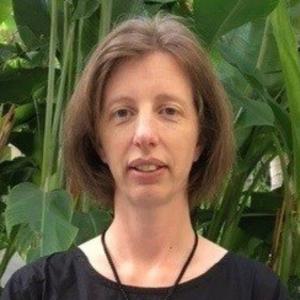
Associate Professor Donna Cormack
Kati Mamoe, Kai Tahu
Waipapa Taumata Rau, University of Auckland
Dr Donna Cormack (Kai Tahu, Kāti Māmoe) is an Associate Professor at Te Kupenga Hauora Māori, University of…
Associate Professor Donna Cormack
 Professor Sarah-Jane Paine
Waipapa Taumata Rau, University of Auckland
Professor Sarah-Jane Paine (Tūhoe) is a leading Māori health researcher and internationally respected authority on…
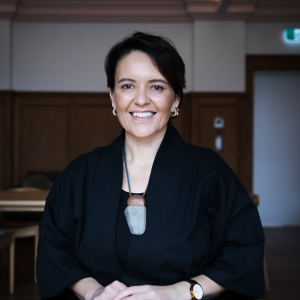
Professor Sarah-Jane Paine
Waipapa Taumata Rau, University of Auckland
Professor Sarah-Jane Paine (Tūhoe) is a leading Māori health researcher and internationally respected authority on…
Professor Sarah-Jane Paine
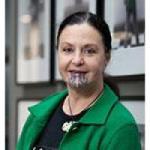 Professor Papaarangi Reid
Te Rarawa
Waipapa Taumata Rau, University of Auckland
Papaarangi is Tumuaki and Head of Department of Maori Health at the Faculty of Medical and Health Sciences, University…
Professor Papaarangi Reid
Te Rarawa
Waipapa Taumata Rau, University of Auckland
Papaarangi is Tumuaki and Head of Department of Maori Health at the Faculty of Medical and Health Sciences, University…
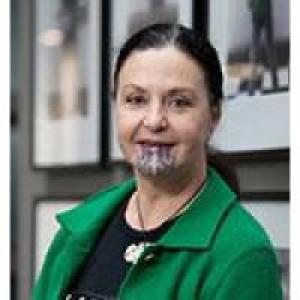
Professor Papaarangi Reid
 Professor Ricci Harris
Ngāti Kahungunu, Ngāti Raukawa, Ngāi Tahu
Te Tumu - University of Otago
Professor Ricci Harris (Ngāti Kahungunu, Ngāi Tahu, Ngāti Raukawa) is a public health physician and Kaupapa Māori…
Professor Ricci Harris
Ngāti Kahungunu, Ngāti Raukawa, Ngāi Tahu
Te Tumu - University of Otago
Professor Ricci Harris (Ngāti Kahungunu, Ngāi Tahu, Ngāti Raukawa) is a public health physician and Kaupapa Māori…

Professor Ricci Harris
 Dr Arama Rata
Ngāruahine, Taranaki, Ngāti Maniapoto
Te Wānanga o Aotearoa
Arama Rata is of Ngāti Maniapoto, Taranaki, and Ngāruahine descent. She completed her PhD in Psychology at Victoria…
Dr Arama Rata
Ngāruahine, Taranaki, Ngāti Maniapoto
Te Wānanga o Aotearoa
Arama Rata is of Ngāti Maniapoto, Taranaki, and Ngāruahine descent. She completed her PhD in Psychology at Victoria…
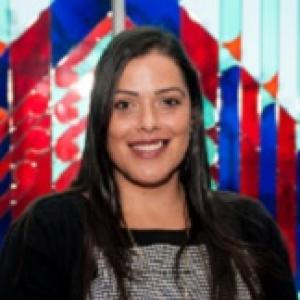
Dr Arama Rata
 Hana Burgess
Ngāpuhi, Te Roroa, Te Atihaunui ā Papārangi, Ngāti Tūwharetoa
Hana (Ngäpuhi, Te Roroa, Te Ätihaunui a Päpärangi, Ngäti Tüwharetoa) (she/her) is doing a PhD in Mäori health…
Hana Burgess
Ngāpuhi, Te Roroa, Te Atihaunui ā Papārangi, Ngāti Tūwharetoa
Hana (Ngäpuhi, Te Roroa, Te Ätihaunui a Päpärangi, Ngäti Tüwharetoa) (she/her) is doing a PhD in Mäori health…
Hana Burgess
Ētahi atu · Other projects
This NPM Platform Project is building an understanding on how to build stronger, more connected iwi, through enhancing engagement with Māori governance entities. In Phase 1 of the research, we are exploring the approaches used by Māori governance entities to ask: how do Māori governance entities engage members regardless of where they’re living? In Phase 2…
View projectKia Whakapiri Mai: Bridging the home and away divide to enhance engagement
Kairangahau · Researchers
-
Dr Arama Rata
Dr Arama Rata
Arama Rata is of Ngāti Maniapoto, Taranaki, and Ngāruahine descent. She completed her PhD in Psychology at Victoria University of Wellington in 2012, which focused on Māori cultural engagement, identity, and psychological well-being in State secondary schools. Arama then lectured at Te Kawa a Māui (the School of Māori Studies), where she received a Research Establishment Grant to study Māori collective remembering of the New Zealand Wars. Dr Rata is currently involved with research relating to Māori health experiences, Māori in rural communities, as well as iwi consultancy. -
 Dr Adreanne Ormond
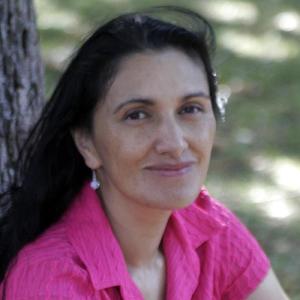
Dr Adreanne Ormond
Ko Rongomaiwāhine, Ngati Kahungunu me Ngati Tuwharetoa oku iwi, e tipu ake ahau ki MāhiaAdreanne Ormond's Māori nations are Rongomaiwāhine, Ngati Kahungunu and Ngati Tuwharetoa and she is raised on her ancestral homeland of Māhia peninsula. Her research includes Māori young people, race and culture, cultural identity and critical white studies.Adreanna is a Senior Lecturer in Te Kura Māori in the Faculty of Education. Her research interests include youth, education, and health as well as Māori development with a specific interest in Indigenous – ethnic minority youth and how existent issues…
While all hospitalisations can be stressful for patients and their whānau, hospitalisations involving transfers away from home can be even more so and can present unique issues in terms of how whānau negotiate distance, unfamiliarity, active engagement and help-seeking. In this study, we are interested in better understanding how whānau facilitate support…
View projectHospital transfers: Whānau involvement in the healing equation
Kairangahau · Researchers
-
 Professor Bridgette Masters-Awatere
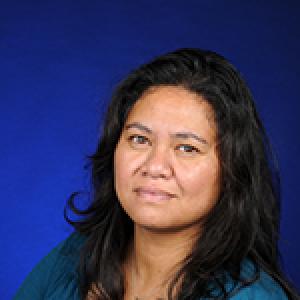
Professor Bridgette Masters-Awatere
Bridgette Masters-Awatere (Te Rarawa, Ngāi te Rangi, Tūwharetoa ki Kawerau) is a Professor in Te Kura Whatu Oho Mauri - School of Psychology - in the Division of Arts, Law, Psychology and Social Sciences at the University of Waikato. In addition to her role as Director of the Community Psychology postgraduate programme for registration as a psychologist, she is the Director of the Māori & Psychology Research Unit. Both Directorships are situated within the School of Psychology. Bridgette trained as a psychologist, with a special interest in community and Indigenous wellbeing. Before joining… -
Associate Professor Donna Cormack
Associate Professor Donna Cormack
Dr Donna Cormack (Kai Tahu, Kāti Māmoe) is an Associate Professor at Te Kupenga Hauora Māori, University of Auckland.Donna is course director for the postgraduate papers MAORIHTH 710 Kaupapa Māori Theory, and MAORIHTH 709 Transformative Research for Māori Health, and co-convenes MAORIHTH711 Kaupapa Māori quantitative research. Donna teaches into other undergraduate and postgraduate papers in the Faculty of Medical and Health Sciences. She is also an active member of Tōmaiora Research Centre within Te Kupenga Hauora Māori. Her research focuses on racism and other forms of oppression…
He oranga whānau: mahi ngātahi: Whānau livelihoods within the context of work and Māori economies of wellbeing. These groundbreaking works celebrate Māori futures rooted in kaupapa Māori values while fostering pathways for responsible relationships, meaningful lives, and flourishing Indigenous wellbeing economies. By emphasising the central role of whānau…
- Mana Touchstones
- Te Ahunga atu ki ngā Ōhanga Oranga Māori: Towards Māori Economies of Wellbeing
- He Rauhī Kupu
He oranga whānau: mahi ngātahi: Whānau livelihoods within the context of work and Māori economies of wellbeing
He oranga whānau: mahi ngātahi: Whānau livelihoods within the context of work and Māori economies of wellbeing. These groundbreaking works celebrate Māori futures rooted in kaupapa Māori values while fostering pathways for responsible relationships, meaningful lives, and flourishing Indigenous wellbeing economies. By emphasising the central role of whānau, these publications provide actionable insights and inspiration for transformative change in economic and cultural systems.
- Mana Touchstones
- Te Ahunga atu ki ngā Ōhanga Oranga Māori: Towards Māori Economies of Wellbeing
- He Rauhī Kupu
Kairangahau · Researchers
-
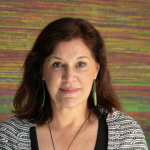 Professor Chellie Spiller
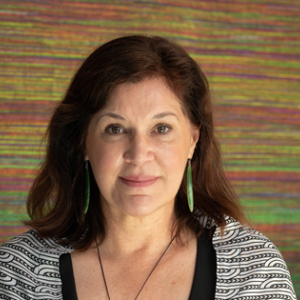
Professor Chellie Spiller
Dr Chellie Spiller, of Matawhaiti Iwitea, Ngāti Kahungunu ki Wairoa, is Professor of Management and Leadership, and Associate Dean Māori at the University of Waikato. She was previously a senior lecturer and Associate Dean Māori and Pacific at the University of Auckland Business School. She has over 30 years of corporate experience in tourism, finance and marketing, holding senior executive positions in New Zealand and abroad, and brings this experience to her academic work and leadership and management development programmes. Her research explores how Māori and indigenous businesses create… -
 Professor Jarrod Haar
Professor Jarrod Haar
Professor Jarrod Haar (PhD) is a Professor of Human Resource Management in the Department of Management and has tribal affiliations of Ngati Maniapoto and Ngati Mahuta. In 2018, Professor Haar was appointed as a Member of the Marsden Fund Council and is the Convenor of the Marsden Economics and Human Behavioural Sciences panel. He is a Fellow of the Royal Society of New Zealand Te Apārangi (2020), a Research Fellow of the Australia & New Zealand Academy of Management (since 2012), and Chartered Fellow of the Human Resource Institute of New Zealand (HRINZ). He won the inaugural HRINZ HR… -
 Dr John Reid
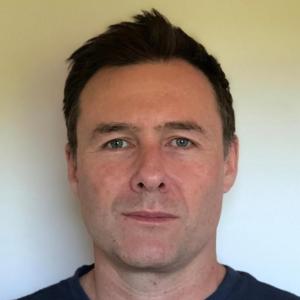
Dr John Reid
John is a Senior Research Fellow at the University of Canterbury’s Ngai Tahu Research Centre. He is a specialist in leading and developing multi-disciplinary research and development programmes focused on addressing interrelated social, economic, and environmental problems. His research explores the way in which Indigenous and Western cultures shape identity, sense of place, and approaches to social and economic development. John's current research interests are focused on sustainable development within indigenous tribal communities and in fostering novel approaches to development through… -
 Professor Jason Paul Mika
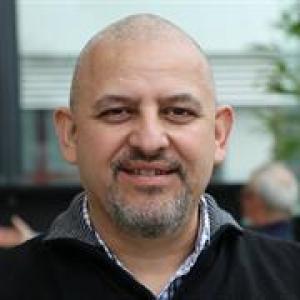
Professor Jason Paul Mika
Jason Paul Mika Ko Ranginui e tū iho nei, ko Papatūānuku e takoto nei, ko te ira tangata kei waenganui i raro i te kaitiakitanga o ngā atua, o te manaakitanga o te Runga Rawa. Tīhei mauri ora! Ko Ngāi Tūhoe, ko Ngāti Awa, ko Te Whakatōhea, ko Ngāti Kahungunu ōku iwi. Ko Jason Mika ahau. I was born in Whakatāne and raised mainly in Rotorua. In November 2024, I was fortunate join Waipapa Taumata Rau University of Auckland as a Professor of Māori Management and Associate Dean Māori in He Manga Tauhokohoko Auckland Business School. My research, teaching, writing, and practice centres on Māori and… -
 Dr Matthew Rout
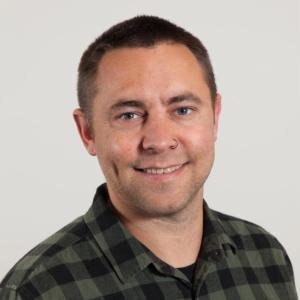
Dr Matthew Rout
Matt works on indigenous socio-economic development and environmental sustainability initiatives and projects with a focus on applied outcomes through theoretical synthesis. He has a particular interest in how philosophical insights from ontology and epistemology can be used in practical ways to aid indigenous development. Indigenous and modernist ontology and epistemology Institutional economics Postcolonial psychology Settler colonisation Sustainable development