About this research
Summary
This research programme examines how we might envision an approach to placemaking that would result in outcomes that facilitate the expression of mātauranga Māori, tikanga, whānaungatanga and orangatanga in urban areas. The programme is doing this by examining concrete innovations through a series of case studies. These examples demonstrate the optimism that transformative urban activity brings in terms of the potential to redress the struggles of the past (Awatere et al. 2008; Harmsworth 2004). The incorporation of Māori histories, values and traditional cultural knowledge within the changing urban landscape is one key to reconciling past grievances and creating desperately needed inclusionary urban spaces that portray and celebrate tangata whenua identity within Aotearoa New Zealand cities.
Research Questions
- Nourishing Environments: What practices support thriving socio-environmental relationships within urban landscapes?
- Built environment’s challenges: How can diverse Māori communities model urgent responses to key challenges in the built environment?
- Urban Environmental Action: How can Māori identity, sovereignty, health, choice, and equity be better supported by policies that shape our urban environments sustainably?
Lead Researcher
Professor Michelle Thompson-Fawcett, University of Otago
Research Team
Dr Robin Quigg, Raukawa, Ngāti Tamaterā, University of Otago
Dr James Berghan, Te Rarawa, Te Aupōuri,, University of Otago
Dr Crystal Victoria Olin, NZ Centre for Sustainable Cities, University of Otago
Dr Rebecca Kiddle, Ngāti Porou, Ngāpuhi, Hutt City Council
Dr Jeanette Wikaira, Ngāti Tamaterā, Ngāti Pūkenga, Ngāpuhi, Dunedin City Council
Additional team members include wāhine Māori practitioners Kiri Waldergrave & Wendy Moore (Hutt City), postgraduate students, and early-career researchers
Highlights
- Nourishing Greenspaces: Analysis of LINZ data and 6,000+ journal articles to understand Indigenous relationships with urban parks (led by Robin Quigg and Els Russell).
- Sustainable Kāinga: Master’s research into papakāinga and small home design for Māori communities (supervised by James Berghan and Crystal Olin).
- Urban Planning & Identity: Completed and ongoing theses on Māori youth, urban identity, and space (e.g. Corrigan Millar, Kaila Tawera).
- Researcher Development: Training and mentoring for 2 early-career academics, 3 emerging researchers, and 5 postgraduates.
- Professional Practice Engagement: Findings shared with planners, architects, councils, and policymakers via webinars, symposia, and targeted briefings.
- Policy Influence: Dissemination of research to local councils, government departments, and agencies to shape inclusive, Māori-led urban futures.
Select Outputs & Media
Webinars & Presentations
- Intergenerational Ingenuity (Jojola, Berghan, Firestone, 2023 – AARP International)
- Papakāinga & Māori Perceptions of Home (Boulton, Allport, Berghan, 2023 – Community Research)
- Urban Resurgence (Millar & Thompson-Fawcett, 2023 – Whitiwhiti Kōrero)
Academic Publications
- Thompson-Fawcett (in press). Indigenous futurities: Māori planning histories and ingenuity. Palgrave.
- Millar & Thompson-Fawcett (in review). Unveiling Obstacles: Barriers to Indigenising Urban Ōtepoti.
- Low, Huertas, Thompson-Fawcett & Miller (in review). Decolonial Cracks in State Planning.
Other Media
- Toitū he Kāinga feature – He Kitenga: Research Highlights Magazine
- Urban Spaces for Everyone – Ngā Pae o te Māramatanga E-pānui
- Rangahau with NPM Researcher – Ngā Pae o te Māramatanga E-pānui
Reimagining our cities through Indigenous knowledge, identity, and environmental care.
Today, over 85% of Māori live in urban environments across Aotearoa. These modern kāinga (settlements) are more than places to live—they’re reflections of identity, connection to whenua, and intergenerational ingenuity. Yet, many Māori have been relegated to the margins of city spaces, facing spatial injustices that continue to impact wellbeing.
Toitū he Kāinga explores how Māori are reclaiming, revitalising, and reshaping urban landscapes—building sustainable futures through mahi toitū (Māori-led environmental care), identity, and rangatiratanga.
Kairangahau · Researchers
 Professor Michelle Thompson Fawcett
Ngāti Whatua, Ngāti Te Ata
Dr Michelle Thompson-Fawcett (Ngāti Whātua, Ngāti Te Ata) is Distinguished Professor in the School of Geography at the…
Professor Michelle Thompson Fawcett
Ngāti Whatua, Ngāti Te Ata
Dr Michelle Thompson-Fawcett (Ngāti Whātua, Ngāti Te Ata) is Distinguished Professor in the School of Geography at the…
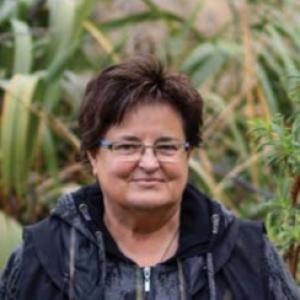
Professor Michelle Thompson Fawcett
 Dr Crystal Victoria Olin
Ngāti Pākehā
Te Herenga Waka Victoria University of Wellington
Dr Crystal Victoria Olin is an architectural and urban researcher, designer, leader and educator whose work explores…
Dr Crystal Victoria Olin
Ngāti Pākehā
Te Herenga Waka Victoria University of Wellington
Dr Crystal Victoria Olin is an architectural and urban researcher, designer, leader and educator whose work explores…
Dr Crystal Victoria Olin
Ētahi atu · Other projects
Street design in Aotearoa has had limited involvement from iwi, hapū and Māori hāpori to date and yet streets are everywhere, they connect us to each other, they are communication channels and spaces and places to engage with others. What then might a Māori street look and feel like?
View projectMāori Streets
Street design in Aotearoa has had limited involvement from iwi, hapū and Māori hāpori to date and yet streets are everywhere, they connect us to each other, they are communication channels and spaces and places to engage with others. What then might a Māori street look and feel like?
Kairangahau · Researchers
-
Dr Morehu McDonald
Dr Morehu McDonald
-
Dr Marjorie Lipsham
Dr Marjorie Lipsham
-
Dr Kimiora Raerino
Dr Kimiora Raerino
He oranga whānau: mahi ngātahi: Whānau livelihoods within the context of work and Māori economies of wellbeing. These groundbreaking works celebrate Māori futures rooted in kaupapa Māori values while fostering pathways for responsible relationships, meaningful lives, and flourishing Indigenous wellbeing economies. By emphasising the central role of whānau…
- Mana Touchstones
- Te Ahunga atu ki ngā Ōhanga Oranga Māori: Towards Māori Economies of Wellbeing
- He Rauhī Kupu
He oranga whānau: mahi ngātahi: Whānau livelihoods within the context of work and Māori economies of wellbeing
He oranga whānau: mahi ngātahi: Whānau livelihoods within the context of work and Māori economies of wellbeing. These groundbreaking works celebrate Māori futures rooted in kaupapa Māori values while fostering pathways for responsible relationships, meaningful lives, and flourishing Indigenous wellbeing economies. By emphasising the central role of whānau, these publications provide actionable insights and inspiration for transformative change in economic and cultural systems.
- Mana Touchstones
- Te Ahunga atu ki ngā Ōhanga Oranga Māori: Towards Māori Economies of Wellbeing
- He Rauhī Kupu
Kairangahau · Researchers
-
 Professor Chellie Spiller
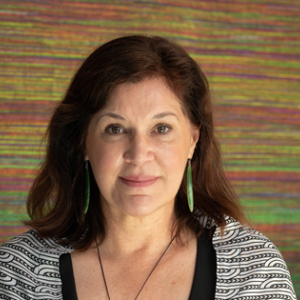
Professor Chellie Spiller
Dr Chellie Spiller, of Matawhaiti Iwitea, Ngāti Kahungunu ki Wairoa, is Professor of Management and Leadership, and Associate Dean Māori at the University of Waikato. She was previously a senior lecturer and Associate Dean Māori and Pacific at the University of Auckland Business School. She has over 30 years of corporate experience in tourism, finance and marketing, holding senior executive positions in New Zealand and abroad, and brings this experience to her academic work and leadership and management development programmes. Her research explores how Māori and indigenous businesses create… -
 Professor Jarrod Haar
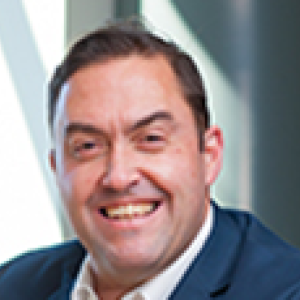
Professor Jarrod Haar
Professor Jarrod Haar (PhD) is a Professor of Human Resource Management in the Department of Management and has tribal affiliations of Ngati Maniapoto and Ngati Mahuta. In 2018, Professor Haar was appointed as a Member of the Marsden Fund Council and is the Convenor of the Marsden Economics and Human Behavioural Sciences panel. He is a Fellow of the Royal Society of New Zealand Te Apārangi (2020), a Research Fellow of the Australia & New Zealand Academy of Management (since 2012), and Chartered Fellow of the Human Resource Institute of New Zealand (HRINZ). He won the inaugural HRINZ HR… -
 Dr John Reid
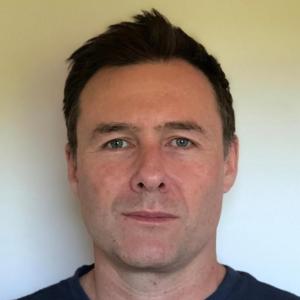
Dr John Reid
John is a Senior Research Fellow at the University of Canterbury’s Ngai Tahu Research Centre. He is a specialist in leading and developing multi-disciplinary research and development programmes focused on addressing interrelated social, economic, and environmental problems. His research explores the way in which Indigenous and Western cultures shape identity, sense of place, and approaches to social and economic development. John's current research interests are focused on sustainable development within indigenous tribal communities and in fostering novel approaches to development through… -
 Professor Jason Paul Mika
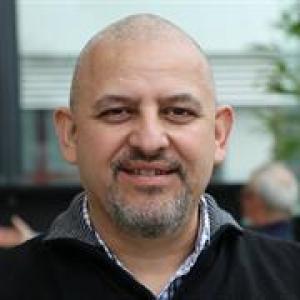
Professor Jason Paul Mika
Jason Paul Mika Ko Ranginui e tū iho nei, ko Papatūānuku e takoto nei, ko te ira tangata kei waenganui i raro i te kaitiakitanga o ngā atua, o te manaakitanga o te Runga Rawa. Tīhei mauri ora! Ko Ngāi Tūhoe, ko Ngāti Awa, ko Te Whakatōhea, ko Ngāti Kahungunu ōku iwi. Ko Jason Mika ahau. I was born in Whakatāne and raised mainly in Rotorua. In November 2024, I was fortunate join Waipapa Taumata Rau University of Auckland as a Professor of Māori Management and Associate Dean Māori in He Manga Tauhokohoko Auckland Business School. My research, teaching, writing, and practice centres on Māori and… -
 Dr Matthew Rout
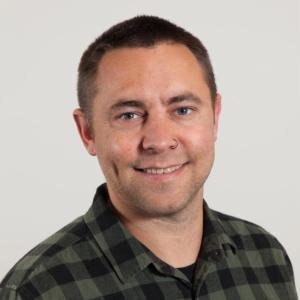
Dr Matthew Rout
Matt works on indigenous socio-economic development and environmental sustainability initiatives and projects with a focus on applied outcomes through theoretical synthesis. He has a particular interest in how philosophical insights from ontology and epistemology can be used in practical ways to aid indigenous development. Indigenous and modernist ontology and epistemology Institutional economics Postcolonial psychology Settler colonisation Sustainable development
This internship compiled a database of traditional Māori food preservation practices to better understand archaeological midden sites and mahinga kai history. Working with Otago’s SPAR team, the project links historical knowledge with contemporary preservation techniques across Aotearoa.
View projectInvestigating traditional mahinga kai practices of preservation throughout Aotearoa
This internship compiled a database of traditional Māori food preservation practices to better understand archaeological midden sites and mahinga kai history.
Working with Otago’s SPAR team, the project links historical knowledge with contemporary preservation techniques across Aotearoa.