About this research
Project Summary
Street design in Aotearoa has had limited involvement from iwi, hapū and Māori hāpori to date and yet streets are everywhere, they connect us to each other, they are communication channels and spaces and places to engage with others. What then might a Māori street look and feel like? The project will take a mixed methods approach rooted in a Kaupapa Māori methodology whereby Māori knowledge is privileged. The project aims to bring together mātauranga Māori – defined here as all types of knowledge – traditional, contemporary, and evolving – held by Māori and design approaches drawn from Western knowledge to elevate Māori aspirations in contemporary urban settings. Through a review of historical information in relation to settlement and street design for Māori and co-design hui with Māori across the country to explore street design, the contribution of this project is to develop a clear direction from a wide group of Māori voices on the design of our [Māori] streets – that is, streets that provide the stage for whānau transformation.
This project aims to have positive impacts for three groups. 1) Māori Hāpori – A tool will be developed for Māori hāpori to support the mana motuhake of these communities to self-advocate for change that benefits Māori. 2) NGO Advocacy Groups and 3) in particular Living Streets - The project will provide a tool for advocacy groups such as the NGO, Living Streets for them to advocate on behalf of Māori communities for aligned outcomes.
The project is developing a clearer understanding of Māori aspirations for streets and influence government policy to allow those aspirations to come to fruition.
Research Question
What does a Māori street look and feel like?
Lead Researcher
Dr Rebecca Kiddle, Ngāti Porou, Ngāpuhi, Te Wānanga o Aotearoa
Research Team
Dr Morehu McDonald, Ngāti Hinerangi, Ngāti Mahuta, Ngāti Ngutu, Ngāti Maniapoto, Ngāti Hauā, Waikato-Tainui, and Ngāti Ruanui. Te Wānanga o Aotearoa – Tāmaki Makaurau
Dr Marjorie Lipsham, Waikato-Maniapoto, Ngāti Rereahu, Ngāti Raukawa ki Wharepūhunga, Te Wānanga o Aotearoa – Te Papaioea
Dr Kimiora Raerino, Pūrākau
Street design in Aotearoa has had limited involvement from iwi, hapū and Māori hāpori to date and yet streets are everywhere, they connect us to each other, they are communication channels and spaces and places to engage with others. What then might a Māori street look and feel like?
Kairangahau · Researchers
Ētahi atu · Other projects
Reimagining our cities through Indigenous knowledge, identity, and environmental care. Today, over 85% of Māori live in urban environments across Aotearoa. These modern kāinga (settlements) are more than places to live—they’re reflections of identity, connection to whenua, and intergenerational ingenuity. Yet, many Māori have been relegated to the margins…
View projectToitū he Kāinga: Healthy Environmental Relationships in Urban Settings
Reimagining our cities through Indigenous knowledge, identity, and environmental care.
Today, over 85% of Māori live in urban environments across Aotearoa. These modern kāinga (settlements) are more than places to live—they’re reflections of identity, connection to whenua, and intergenerational ingenuity. Yet, many Māori have been relegated to the margins of city spaces, facing spatial injustices that continue to impact wellbeing.
Toitū he Kāinga explores how Māori are reclaiming, revitalising, and reshaping urban landscapes—building sustainable futures through mahi toitū (Māori-led environmental care), identity, and rangatiratanga.
Kairangahau · Researchers
-
 Dr Crystal Olin
Dr Crystal Olin
-
Dr James Berghan
Dr James Berghan
-
Dr Robin Quill
Dr Robin Quill
-
Dr Louise Marsh
Dr Louise Marsh
-
Dr Rebecca Kiddle
Dr Rebecca Kiddle
-
Kiri Waldergrave
Kiri Waldergrave
-
Wendy Moore
Wendy Moore
-
Dr Jeanette Wikaira
Dr Jeanette Wikaira
He oranga whānau: mahi ngātahi: Whānau livelihoods within the context of work and Māori economies of wellbeing. These groundbreaking works celebrate Māori futures rooted in kaupapa Māori values while fostering pathways for responsible relationships, meaningful lives, and flourishing Indigenous wellbeing economies. By emphasising the central role of whānau…
- Mana Touchstones
- Te Ahunga atu ki ngā Ōhanga Oranga Māori: Towards Māori Economies of Wellbeing
- He Rauhī Kupu
He oranga whānau: mahi ngātahi: Whānau livelihoods within the context of work and Māori economies of wellbeing
He oranga whānau: mahi ngātahi: Whānau livelihoods within the context of work and Māori economies of wellbeing. These groundbreaking works celebrate Māori futures rooted in kaupapa Māori values while fostering pathways for responsible relationships, meaningful lives, and flourishing Indigenous wellbeing economies. By emphasising the central role of whānau, these publications provide actionable insights and inspiration for transformative change in economic and cultural systems.
- Mana Touchstones
- Te Ahunga atu ki ngā Ōhanga Oranga Māori: Towards Māori Economies of Wellbeing
- He Rauhī Kupu
Kairangahau · Researchers
-
 Professor Chellie Spiller
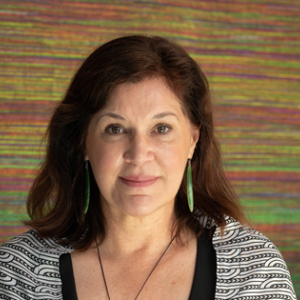
Professor Chellie Spiller
Dr Chellie Spiller, of Matawhaiti Iwitea, Ngāti Kahungunu ki Wairoa, is Professor of Management and Leadership, and Associate Dean Māori at the University of Waikato. She was previously a senior lecturer and Associate Dean Māori and Pacific at the University of Auckland Business School. She has over 30 years of corporate experience in tourism, finance and marketing, holding senior executive positions in New Zealand and abroad, and brings this experience to her academic work and leadership and management development programmes. Her research explores how Māori and indigenous businesses create… -
 Professor Jarrod Haar

Professor Jarrod Haar
Professor Jarrod Haar (PhD) is a Professor of Human Resource Management in the Department of Management and has tribal affiliations of Ngati Maniapoto and Ngati Mahuta. In 2018, Professor Haar was appointed as a Member of the Marsden Fund Council and is the Convenor of the Marsden Economics and Human Behavioural Sciences panel. He is a Fellow of the Royal Society of New Zealand Te Apārangi (2020), a Research Fellow of the Australia & New Zealand Academy of Management (since 2012), and Chartered Fellow of the Human Resource Institute of New Zealand (HRINZ). He won the inaugural HRINZ HR… -
 Dr John Reid

Dr John Reid
John is a Senior Research Fellow at the University of Canterbury’s Ngai Tahu Research Centre. He is a specialist in leading and developing multi-disciplinary research and development programmes focused on addressing interrelated social, economic, and environmental problems. His research explores the way in which Indigenous and Western cultures shape identity, sense of place, and approaches to social and economic development. John's current research interests are focused on sustainable development within indigenous tribal communities and in fostering novel approaches to development through… -
 Professor Jason Paul Mika

Professor Jason Paul Mika
Jason Paul Mika Ko Ranginui e tū iho nei, ko Papatūānuku e takoto nei, ko te ira tangata kei waenganui i raro i te kaitiakitanga o ngā atua, o te manaakitanga o te Runga Rawa. Tīhei mauri ora! Ko Ngāi Tūhoe, ko Ngāti Awa, ko Te Whakatōhea, ko Ngāti Kahungunu ōku iwi. Ko Jason Mika ahau. I was born in Whakatāne and raised mainly in Rotorua. In November 2024, I was fortunate join Waipapa Taumata Rau University of Auckland as a Professor of Māori Management and Associate Dean Māori in He Manga Tauhokohoko Auckland Business School. My research, teaching, writing, and practice centres on Māori and… -
 Dr Matthew Rout

Dr Matthew Rout
Matt works on indigenous socio-economic development and environmental sustainability initiatives and projects with a focus on applied outcomes through theoretical synthesis. He has a particular interest in how philosophical insights from ontology and epistemology can be used in practical ways to aid indigenous development. Indigenous and modernist ontology and epistemology Institutional economics Postcolonial psychology Settler colonisation Sustainable development
This internship compiled a database of traditional Māori food preservation practices to better understand archaeological midden sites and mahinga kai history. Working with Otago’s SPAR team, the project links historical knowledge with contemporary preservation techniques across Aotearoa.
View projectInvestigating traditional mahinga kai practices of preservation throughout Aotearoa
This internship compiled a database of traditional Māori food preservation practices to better understand archaeological midden sites and mahinga kai history.
Working with Otago’s SPAR team, the project links historical knowledge with contemporary preservation techniques across Aotearoa.