About this research
Project Summary
Mātauranga Māori enriches and broadens the knowledge and solutions science provides in response to natural hazards. When these dual knowledge systems engage in mutually respectful relationships the benefits are far reaching. Indigenous led and focused solutions are capable of informing preparation and post hazard actions. The reframing of ‘natural hazards’ in accordance with an Indigenous lens has the potential to strengthen identity, understanding of cultural and physical landscapes along with health and wellbeing.
Reclaiming and reimagining mātauranga Māori as a creative and valid knowledge system responsive to the many landscape changing occurrences being experienced across Aotearoa New Zealand is a necessity in this current age. Being, knowing and doing in reflection of mātauranga Māori will further enhance a community's ability to transform and thrive in response to these challenges.
This publication will draw in Māori researchers from across the resilience research space to highlight the importance of building resilience within our Māori communities and the ways that this is already happening, particularly in disaster-stricken regions and communities. The publication will be accessible, visually aesthetic with high-resolution images and magazine style academic prose and writing. We aim to produce a publication that is academic as well as accessible by all of our communities.
This publication proposes to:
• increase the visibility, understanding and transformational potential of mātauranga Māori in natural hazard research and resilience.
• create a comprehensive collection of research undertaken by Whanake Te Kura I Tawhitinui researchers in collaboration with whānau, hapū and whānau.
• redefine solutions to natural hazards as determined by a mātauranga Māori lens.
• make this transformational research accessible to those who will benefit most.
Project Lead
Dr Acushla Dee Sciascia, Ngāruahine Rangi, Ngāti Ruanui, Te Āti Awa, Massey University - Te Kunenga ki Pūrehuroa
Team
Kristie-Lee Thomas, Ngāti Mutunga o Wharekauri, Te Āti Awa, Ngāti Tohora, Rapuwai, University of Canterbury
Professor Taiarahia Black, Ngāi Tūhoe, Te Whānau a Apanui, Ngāti Tūwharetoa, Te Whare Wānanga o Awanuiārangi
Dr Darren Ngaru King, Ngāti Raukawa ki te Tonga, Independent
Dr Peter Meihana, Rangitāne, Ngāti Kuia, Ngāti Apa ki te Rā Tō, Ngāi Tahu, Massey University - Te Kunenga ki Pūrehuroa
Israel Birch, Ngā Puhi, Ngāti Tawake, Ngāti Kahungunu, Ngāti Rakaipaaka, Independent (ringatoi)
Professor Regan Potangaroa, Ngāti Kahungunu ki Wairarapa, Massey University - Te Kunenga ki Pūrehuroa (Albany)
Dr Ruakere Hond, Taranaki, Ngāti Ruanui, Te Āti Awa, Tuhi Productions
Lara Taylor, Te Arawa, Ngāti Pāhauwera, Ngāi Tahu ki Murihiku, Kaiwhakahaere, E Oho! Awakening Aotearoa
Tonga Karena, Te Āti Awa, Ngāi Tūhoe, Tuhi Productions
This research explores how mātauranga Māori enriches natural hazard resilience in Aotearoa by integrating Indigenous knowledge with science. It highlights Māori-led solutions that strengthen cultural identity, wellbeing, and community response to disasters. The resulting publication will be accessible and visually engaging, showcasing collaborative research to support thriving Māori communities facing environmental challenges.
Kairangahau · Researchers
 Dr Acushla Dee Sciasia
Ngaruahine Rangi, Ngāti Ruanui, Te Ati Awa
Massey University
Dr Acushla Sciascia is of Ngāruahine Rangi, Ngāti Ruanui and Te Āti Awa descent. She completed her doctoral studies in…
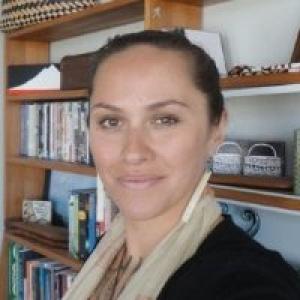
Dr Acushla Dee Sciasia
 Dr Darren Ngaru King
Ngāti Raukawa
Earth Sciences New Zealand
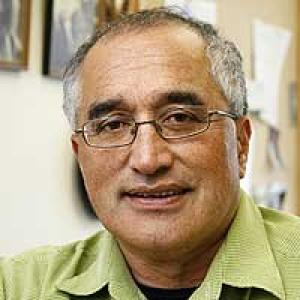
Darren Ngaru King is an interdisciplinary research scientist with experience spanning the earth and human-systems…
Dr Darren Ngaru King
Ētahi atu · Other projects
This project explored how Māori and Indigenous communities used digital platforms to protect and share mātauranga, with a focus on te taiao. It investigated tikanga-based digital protocols and iwi/hapū needs, informing the development of Indigenous-led digital solutions.
View projectDigital Solutions to Support Knowledge and Connections
This project explored how Māori and Indigenous communities used digital platforms to protect and share mātauranga, with a focus on te taiao. It investigated tikanga-based digital protocols and iwi/hapū needs, informing the development of Indigenous-led digital solutions.
Kairangahau · Researchers
-
 Dr Hauiti Hākopa
Dr Hauiti Hākopa
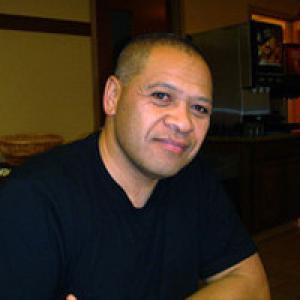
Dr Hauiti Hakopa’s deep understanding of the liberating power of education and the critical need for equitable access to learning and teaching has been an intrinsic part of his own life’s journey.He has a deep interest in land and whakapapa, cartography and the mapping of Māori connection and relationship to their ancestral landscapes and specialises in collecting information about waahi tapu, waahi tipuna (sacred|cultural/heritage|ancestral sites), oral narratives (moteatea - traditional songs/chants, korereo purakau - stories) and whakapapa (genealogies) embedded in ancestral landscapes. He… -
Dr Acushla Dee Sciasia
Dr Acushla Dee Sciasia
Dr Acushla Sciascia is of Ngāruahine Rangi, Ngāti Ruanui and Te Āti Awa descent. She completed her doctoral studies in 2013 with Massey University and since then has been working in the public sector as a research, evaluator and strategist. Dee’s research background has largely emerged from kaupapa Māori research, specifically Māori negotiating and navigating new technologies and online environments. Dee’s research interests have transitioned into the climate change space and she was a part of the National Risk Assessment Framework for Climate Change panel and is co-leading the Mātauranga ā…
What are some of the psychological, emotional and spiritual influences that learners have experienced when learning te reo Māori? How are these influences related to past trauma or negative experiences of theirs (or others) and in what ways have these influences impacted their engagement with and learning of te reo Māori? What kinds of intergenerational…
View projectHe rongoā tō te reo – Te Reo Māori as a form of healing
Kairangahau · Researchers
-
Dr Acushla Dee Sciasia
Dr Acushla Dee Sciasia
Dr Acushla Sciascia is of Ngāruahine Rangi, Ngāti Ruanui and Te Āti Awa descent. She completed her doctoral studies in 2013 with Massey University and since then has been working in the public sector as a research, evaluator and strategist. Dee’s research background has largely emerged from kaupapa Māori research, specifically Māori negotiating and navigating new technologies and online environments. Dee’s research interests have transitioned into the climate change space and she was a part of the National Risk Assessment Framework for Climate Change panel and is co-leading the Mātauranga ā…
He oranga whānau: mahi ngātahi: Whānau livelihoods within the context of work and Māori economies of wellbeing. These groundbreaking works celebrate Māori futures rooted in kaupapa Māori values while fostering pathways for responsible relationships, meaningful lives, and flourishing Indigenous wellbeing economies. By emphasising the central role of whānau…
- Mana Touchstones
- Te Ahunga atu ki ngā Ōhanga Oranga Māori: Towards Māori Economies of Wellbeing
- He Rauhī Kupu
He oranga whānau: mahi ngātahi: Whānau livelihoods within the context of work and Māori economies of wellbeing
He oranga whānau: mahi ngātahi: Whānau livelihoods within the context of work and Māori economies of wellbeing. These groundbreaking works celebrate Māori futures rooted in kaupapa Māori values while fostering pathways for responsible relationships, meaningful lives, and flourishing Indigenous wellbeing economies. By emphasising the central role of whānau, these publications provide actionable insights and inspiration for transformative change in economic and cultural systems.
- Mana Touchstones
- Te Ahunga atu ki ngā Ōhanga Oranga Māori: Towards Māori Economies of Wellbeing
- He Rauhī Kupu
Kairangahau · Researchers
-
 Professor Chellie Spiller
Professor Chellie Spiller
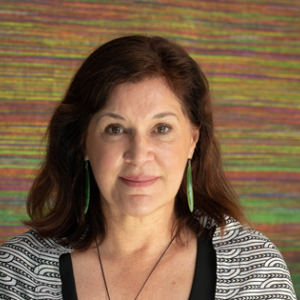
Dr Chellie Spiller, of Matawhaiti Iwitea, Ngāti Kahungunu ki Wairoa, is Professor of Management and Leadership, and Associate Dean Māori at the University of Waikato. She was previously a senior lecturer and Associate Dean Māori and Pacific at the University of Auckland Business School. She has over 30 years of corporate experience in tourism, finance and marketing, holding senior executive positions in New Zealand and abroad, and brings this experience to her academic work and leadership and management development programmes. Her research explores how Māori and indigenous businesses create… -
 Professor Jarrod Haar
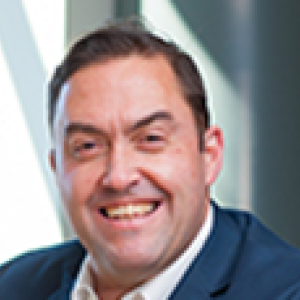
Professor Jarrod Haar
Professor Jarrod Haar (PhD) is a Professor of Human Resource Management in the Department of Management and has tribal affiliations of Ngati Maniapoto and Ngati Mahuta. In 2018, Professor Haar was appointed as a Member of the Marsden Fund Council and is the Convenor of the Marsden Economics and Human Behavioural Sciences panel. He is a Fellow of the Royal Society of New Zealand Te Apārangi (2020), a Research Fellow of the Australia & New Zealand Academy of Management (since 2012), and Chartered Fellow of the Human Resource Institute of New Zealand (HRINZ). He won the inaugural HRINZ HR… -
 Professor John Reid
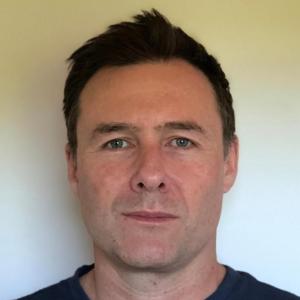
Professor John Reid
Professor John Reid is a researcher whose work focuses on the intersection of sustainability, indigenous knowledge systems, environmental governance, and technological innovation. Based within the Ngāi Tahu Research Centre, his research brings together systems thinking, te ao Māori, and interdisciplinary science to address complex social, economic, and environmental challenges facing Indigenous communities and wider society. His work spans environmental management, regenerative land use, Māori economic development, and the governance of emerging technologies, with particular interests in… -
 Professor Jason Paul Mika
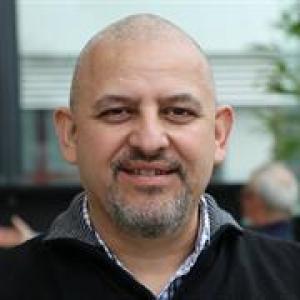
Professor Jason Paul Mika
Jason Paul Mika Ko Ranginui e tū iho nei, ko Papatūānuku e takoto nei, ko te ira tangata kei waenganui i raro i te kaitiakitanga o ngā atua, o te manaakitanga o te Runga Rawa. Tīhei mauri ora! Ko Ngāi Tūhoe, ko Ngāti Awa, ko Te Whakatōhea, ko Ngāti Kahungunu ōku iwi. Ko Jason Mika ahau. I was born in Whakatāne and raised mainly in Rotorua. In November 2024, I was fortunate join Waipapa Taumata Rau University of Auckland as a Professor of Māori Management and Associate Dean Māori in He Manga Tauhokohoko Auckland Business School. My research, teaching, writing, and practice centres on Māori and… -
 Dr Matthew Rout
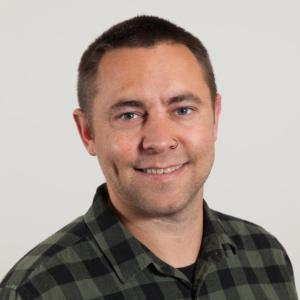
Dr Matthew Rout
Matt works on indigenous socio-economic development and environmental sustainability initiatives and projects with a focus on applied outcomes through theoretical synthesis. He has a particular interest in how philosophical insights from ontology and epistemology can be used in practical ways to aid indigenous development. Indigenous and modernist ontology and epistemology Institutional economics Postcolonial psychology Settler colonisation Sustainable development