About this research
Christine Elers (Ngāti Kauwhata), Massey University
The broad aim of this research is to utilise the culture-centered approach (CCA) to foreground the voices of Whānau Māori, whose lived experiences reflect socio-economic disadvantage and voice erasure from mainstream and Māori discursive spaces. The CCA is an approach to social change communication that emphasises the nuances of listening to communities (Dutta, 2014); centering their knowledge claims, strategies and solutions that are often tied to structural injustices. The CCA method intentionally centers Whānau Māori as the experts of their own realities.
By building infrastructures for listening and co-creating platforms for voice, community participatory communicative spaces emerge often disrupting the hegemony of knowledge production and decision-making by dominant actors for the very Whānau and communities who have been erased from these sites of participation.
Māori meanings of health and wellbeing Voices from the margins articulates the lived experience of Whānau who regularly navigate various services to comprehend the nature and effect of policies on the daily lives of people, situated against the background of colonial neoliberal health organising. In this way, Whānau participants are positioned as fully capable of co-creating Whānau-led strategies and solutions to unmask and dismantle hegemonic dominance that has stifled social justice transformation.
Christine Elers (Ngāti Kauwhata), Massey University
The broad aim of this research is to utilise the culture-centered approach (CCA) to foreground the voices of Whānau Māori, whose lived experiences reflect socio-economic disadvantage and voice erasure from mainstream and Māori discursive spaces. The CCA is an approach to social change communication that emphasises the nuances of listening to communities (Dutta, 2014); centering their knowledge claims, strategies and solutions that are often tied to structural injustices. The CCA method intentionally centers Whānau Māori as the experts of their own realities.
By building infrastructures for listening and co-creating platforms for voice, community participatory communicative spaces emerge often disrupting the hegemony of knowledge production and decision-making by dominant actors for the very Whānau and communities who have been erased from these sites of participation.
Ētahi atu · Other projects
PHD Candidate: Coral Wiapo (Ngati Whātua) Primary Supervisor(s): Dr Sue Adams Work is underway in Te Tai Tokerau to strengthen the Māori nursing workforce by supporting kaimahi to enter the nursing profession; and registered nurses to advance their scope of practice to become nurse prescribers or nurse practitioners (NPs). Improving access to healthcare for…
View projectAhakoa he iti, he pounamu: How do wahine Māori nurses utilise mātauranga Māori as a means to address health equity in Te Tai Tokerau?
Kairangahau · Researchers
-
 Dr Sue Adams
Dr Sue Adams
How do fat Indigenous wāhine reclaim body sovereignty as a form of resistance? This research centred on the lived experiences of fat Māori wāhine, challenging colonial and biomedical narratives through the lens of mātauranga Māori. It reclaims tino rangatiratanga and mana motuhake of the body, and reimagines access, wellbeing, and worth beyond systems of…
View projectMana Tinana, Mana Mōmona, Mana Wāhine: Ngā Pūrākau o Ngā Tinana Body Sovereignty and Fat Māori Wāhine
How do fat Indigenous wāhine reclaim body sovereignty as a form of resistance? This research centred on the lived experiences of fat Māori wāhine, challenging colonial and biomedical narratives through the lens of mātauranga Māori. It reclaims tino rangatiratanga and mana motuhake of the body, and reimagines access, wellbeing, and worth beyond systems of oppression.
What does Māori women’s leadership in governance look like when told through their own voices? This project centres wāhine rangatira experiences and mentorship to develop a mana wāhine-led model of leadership and governance—from wāhine, for wāhine.
View projectMō ngā uri whakatipu: Women leaders paving a pathway for future generations in governance
What does Māori women’s leadership in governance look like when told through their own voices? This project centres wāhine rangatira experiences and mentorship to develop a mana wāhine-led model of leadership and governance—from wāhine, for wāhine.
Kairangahau · Researchers
-
 Professor Chellie Spiller
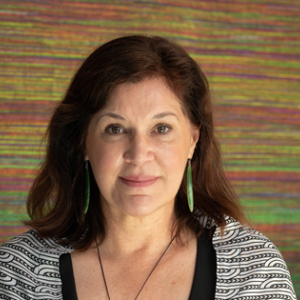
Professor Chellie Spiller
Dr Chellie Spiller, of Matawhaiti Iwitea, Ngāti Kahungunu ki Wairoa, is Professor of Management and Leadership, and Associate Dean Māori at the University of Waikato. She was previously a senior lecturer and Associate Dean Māori and Pacific at the University of Auckland Business School. She has over 30 years of corporate experience in tourism, finance and marketing, holding senior executive positions in New Zealand and abroad, and brings this experience to her academic work and leadership and management development programmes. Her research explores how Māori and indigenous businesses create…